Horrор Film Scares: What Makes Them Work and Why They Still Terrify Us
When we talk about horror film scares, the deliberate moments in movies designed to trigger fear, shock, or unease in viewers. Also known as fear triggers, they’re not just loud noises and creepy faces—they’re carefully engineered psychological events. The best horror films don’t rely on monsters alone. They use silence, timing, and what you don’t see to make your skin crawl. Think of the slow crawl of the doll in The Conjuring, or the sudden whisper behind you in Hereditary. Those moments stick because they tap into something deeper than shock—they exploit our primal fear of the unknown.
There are two main types of horror film scares: jump scares, sudden, loud, visual shocks meant to make you leap out of your seat, and atmospheric horror, the slow build of dread that lingers long after the scene ends. Jump scares work because they hijack your body’s fight-or-flight response—your heart races, your breath stops. But they’re cheap if overused. The real power comes from atmospheric horror, where tension builds through lighting, sound design, and pacing. Films like The Witch or Midsommar don’t need a monster to unsettle you—they make you feel watched, trapped, or alone in a way that stays with you.
What makes a horror scare effective isn’t just what happens on screen—it’s what your brain fills in. Our minds are wired to imagine the worst. A creaking floorboard is scarier than a monster because you don’t know what’s behind it. That’s why sound design matters as much as visuals. A low hum, a distant child’s laugh, or the sound of breathing right behind you—these details trigger fear before anything even appears. And it’s not just about the scene. It’s about context: the character’s vulnerability, the isolation of the setting, the feeling that help won’t come. That’s why horror films set in isolated cabins, abandoned hospitals, or empty suburban homes work so well—they remove safety nets.
Horror film scares also evolve with culture. In the 70s, it was body horror and paranoia. In the 2000s, it was found footage and realism. Today, it’s psychological trauma and inherited guilt. The most lasting scares reflect what we’re afraid of right now—loss of control, isolation, unseen threats. That’s why Get Out terrified audiences not with ghosts, but with the quiet horror of being manipulated by people you trust.
Below, you’ll find posts that break down how these scares are made, why they stick, and which films got it right. From audio tricks that make your blood run cold, to how editing shapes your fear, to why some horror films become cultural moments—this collection shows you the craft behind the chills. You won’t just understand horror film scares. You’ll start seeing them everywhere.
21
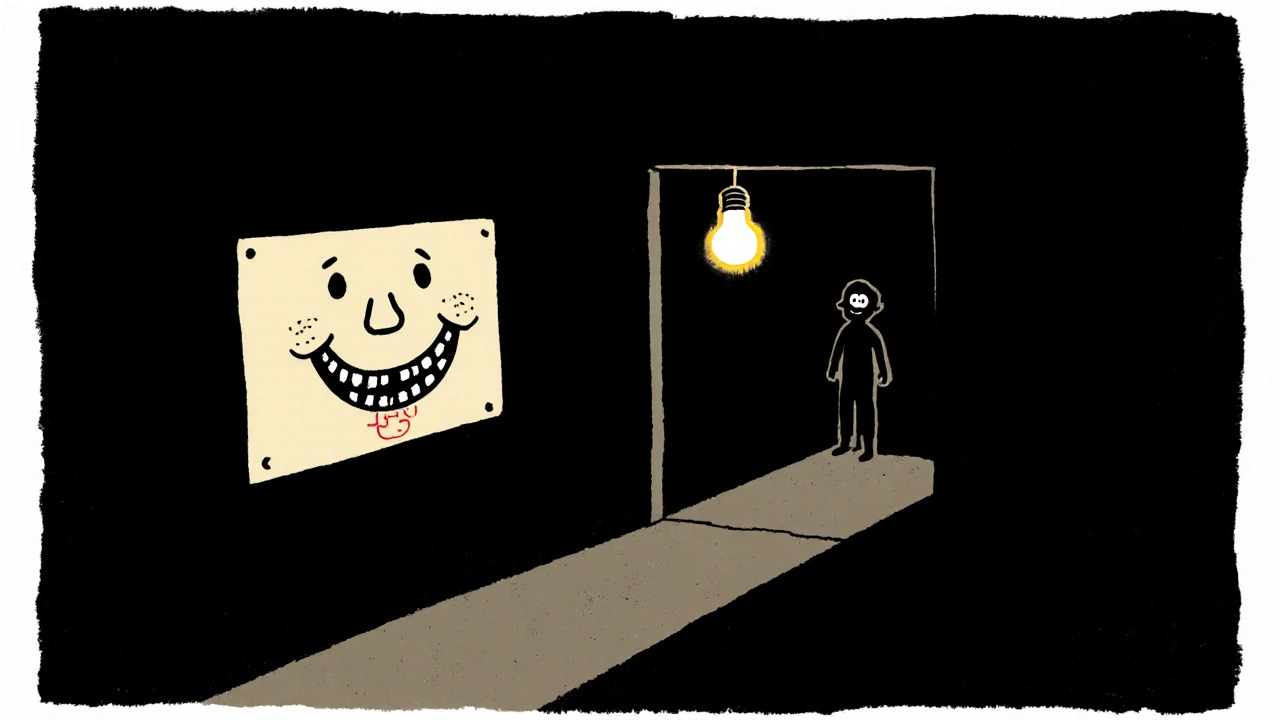
PG-13 Horror vs. R-Rated Horror: What Ratings Really Mean for Scares
PG-13 horror doesn't need blood to scare you-just atmosphere, sound, and your imagination. R-rated horror uses gore, but that doesn't make it scarier. What really matters is how the fear sticks with you.
Latest Posts

Popular Posts
-
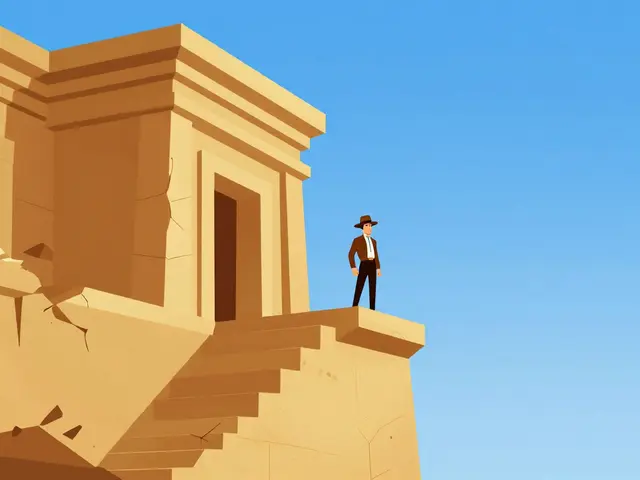 Adventure Pulp on Screen: Analyzing The Mummy, The Rocketeer, and Serial DNA
-
 Accessibility for Kids: How Captions and Audio Descriptions Help Learning
-
 Streaming Service Cancellation Fees: Do They Exist and Are They Legal?
-
 YouTube TV vs. Hulu + Live TV: Comprehensive Family Streaming Comparison
-
 How to Secure Your Netflix Account: 2FA and Login Alerts Guide