Movie Ratings Explained
When you see a movie labeled PG-13, a classification system used by the Motion Picture Association to guide viewers on content suitability, it’s not just a warning—it’s a cultural signal. That rating tells you whether a film might have violence, language, or themes that could be too much for younger viewers. But what does it actually mean? And why does a 7.8 on IMDb, a user-driven rating platform where millions of viewers score films on a scale of 1 to 10 feel different from a critic’s five-star review? These aren’t just numbers. They’re tools shaped by audiences, studios, and decades of changing norms.
The MPAA, the organization that assigns film ratings in the U.S., including G, PG, PG-13, R, and NC-17 doesn’t explain why a movie got its rating. No one tells you if the violence is cartoonish or brutal, if the language is casual or hateful, or if the sexual content is implied or explicit. You just get a letter. Meanwhile, critic reviews, analysis from professional film writers who evaluate storytelling, direction, and cultural impact dive into the why behind the movie—but they’re not always about whether it’s safe for kids. A film might get a high critic score and still be rated R for intense themes. That’s why you need both: the rating tells you what’s in it, the review tells you if it’s worth watching.
And then there’s the crowd. IMDb scores are made by regular viewers—people like you—who vote after watching. That’s why some blockbusters have sky-high ratings from fans, while quiet, powerful films sit at 8.0 with fewer votes. It’s not about perfection. It’s about connection. A movie like Groundhog Day or Raiders of the Lost Ark might have a rating that seems too simple, but the real story is in how audiences keep coming back. These ratings aren’t magic. They’re snapshots. And the best way to use them? Don’t let them decide for you. Let them guide you. Then watch. Then decide for yourself.
Below, you’ll find real guides from people who’ve dug into how reviews are written without spoilers, how streaming platforms handle family content, and how films like The Graduate or Rashomon changed the way we think about truth in storytelling. These aren’t just lists. They’re tools to help you understand what you’re watching—and why it matters.
21
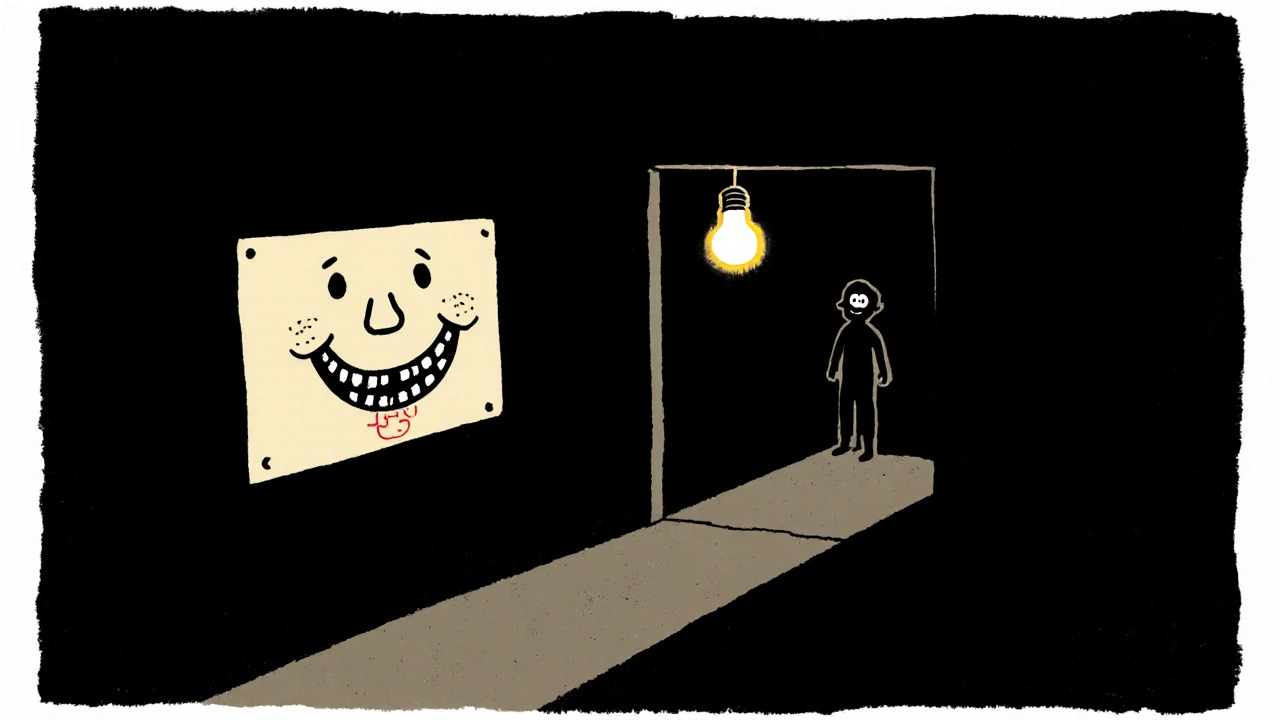
PG-13 Horror vs. R-Rated Horror: What Ratings Really Mean for Scares
PG-13 horror doesn't need blood to scare you-just atmosphere, sound, and your imagination. R-rated horror uses gore, but that doesn't make it scarier. What really matters is how the fear sticks with you.
Latest Posts
Popular Posts
-
 YouTube TV vs. Hulu + Live TV: Comprehensive Family Streaming Comparison
-
 How to Secure Your Netflix Account: 2FA and Login Alerts Guide
-
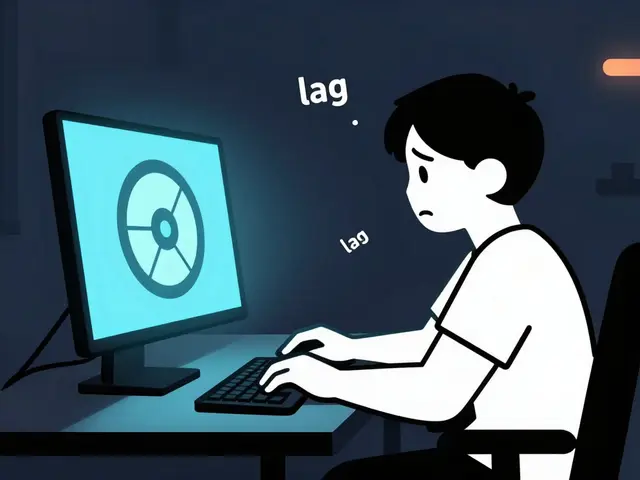 Wireless vs. Wired Streaming Connections: Which One Should You Use?
-
 Grip and Electric Basics: Mastering Flags, C-Stands, and Cable Safety
-
 Adventure Pulp on Screen: Analyzing The Mummy, The Rocketeer, and Serial DNA