10
Best Educational TV Shows for Preschoolers, Elementary Kids, and Tweens
Screen time doesn’t have to mean mindless entertainment. With the right shows, your child can learn letters, math, empathy, and problem-solving - all while laughing. The key isn’t cutting screens out, but choosing content that builds real skills. In 2025, the best educational shows for kids are smarter, more inclusive, and better designed than ever. Here’s what actually works for preschoolers, elementary kids, and tweens.
Preschool Shows: Building Foundations Before Kindergarten
For kids under five, attention spans are short and learning happens through repetition, rhythm, and familiar characters. The best preschool shows don’t just entertain - they teach core skills in ways that stick.
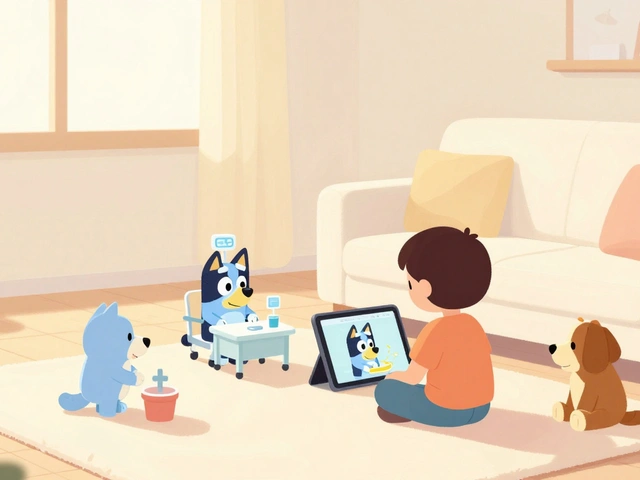
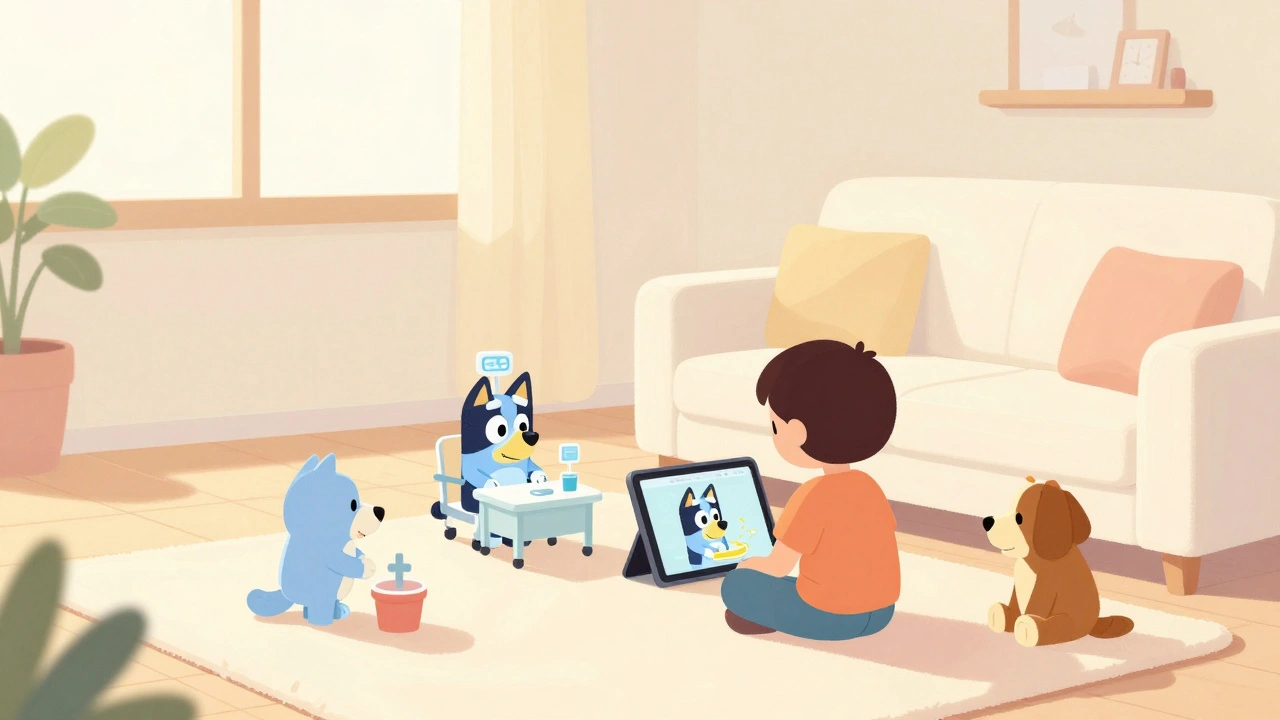
Bluey is the standout. It’s not just popular - it’s a masterclass in social-emotional learning. Each 7-minute episode shows how two young dogs navigate big feelings, sharing, patience, and imagination. Parents notice their kids repeating phrases like, “Let’s play hospital,” and then doing exactly that with stuffed animals. It’s not labeled as “educational,” but it teaches more about cooperation than any flashcard app.
Curious George (2006 version) still holds up. George’s curiosity leads to simple science experiments - how do wheels work? Why does water spill? The show doesn’t give answers outright. It lets kids think. That’s the golden rule: questions over facts.
Peppa Pig might seem silly, but it’s packed with everyday language and social routines. Kids learn how to take turns, apologize, and handle frustration through Peppa’s small, relatable mishaps. Australian accents and cultural references make it feel natural, not manufactured.
What to avoid: Shows that bombard kids with rapid cuts, loud noises, or flashing lights. Research from the American Academy of Pediatrics shows these overstimulate developing brains and can reduce attention span. Stick to slower pacing, clear visuals, and real-life scenarios.
Elementary Shows: Learning Without the Lecture
Once kids hit 6-10, they’re ready for more complex ideas - but they still hate being taught. The best shows sneak learning into adventure, humor, and mystery.
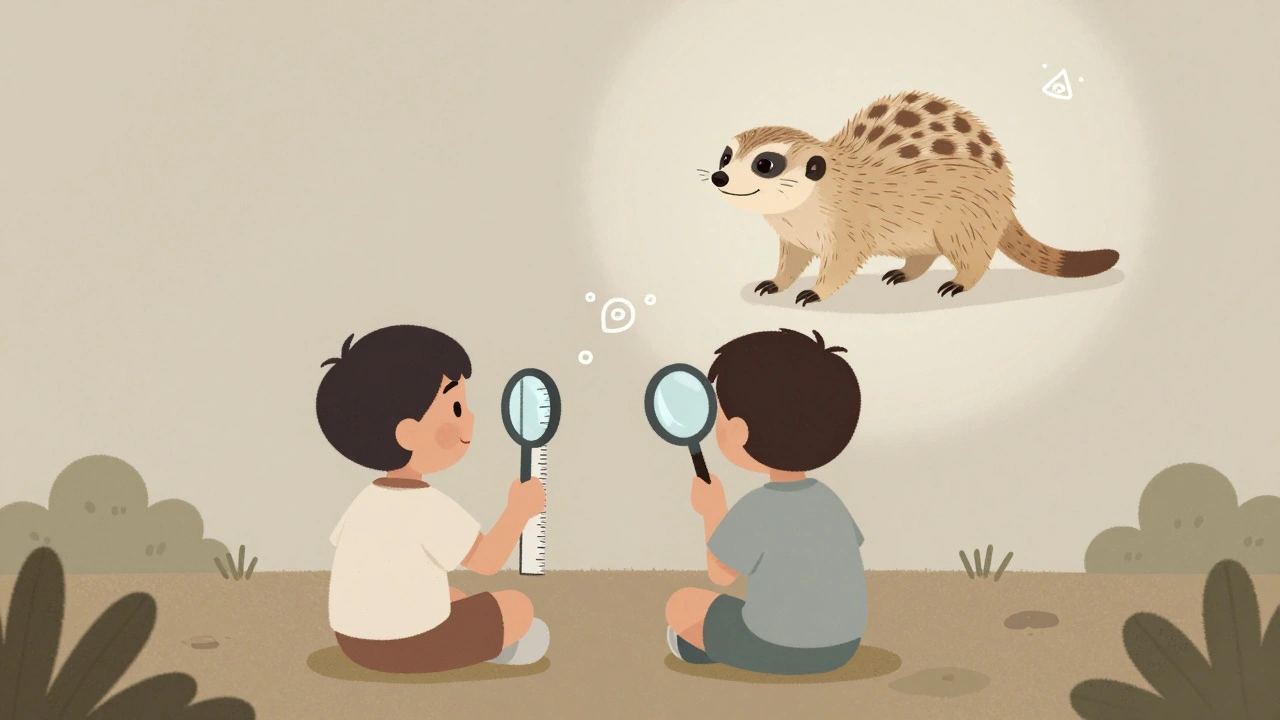
Wild Kratts is a science powerhouse. Chris and Martin Kratt turn animal behavior into thrilling missions. Kids learn why meerkats stand on their hind legs, how bats navigate in the dark, and why bees dance. The show doesn’t say, “Today we’re learning about ecosystems.” It says, “Let’s save this honeybee colony.” The science sticks because it’s tied to action.
Odd Squad turns math into a detective game. Two kid agents solve weird problems using patterns, measurements, and logic. One episode: a ball keeps growing. How do they stop it? They measure its growth rate. Another: a room freezes. They use temperature graphs. It’s like Mathletes meets Mission: Impossible. Schools in Queensland have started using clips from this show in classrooms.
Arthur (still running in reruns) tackles real-life issues: bullying, dyslexia, moving to a new town, and family changes. It doesn’t sugarcoat. Kids see Arthur struggle with reading and still succeed. That’s powerful. A 2024 study from the University of Melbourne found children who watched Arthur regularly showed 23% higher empathy scores than those who didn’t.
Don’t fall for “edutainment” that feels like homework. If a show feels like a classroom with a cartoon filter, skip it. Good shows make learning feel like play - not a chore.
Tween Shows: Thinking Critically, Not Just Memorizing
Tweens (ages 9-12) are asking big questions. They want to understand how the world works - not just what the answer is. The best shows for this age group don’t give easy answers. They give tools to think.
Gravity Falls might seem like a cartoon about twin siblings solving weird mysteries in a creepy town. But it’s full of codes, ciphers, hidden symbols, and logic puzzles. Kids spend hours decoding the show’s secrets - and learning basic cryptography, geometry, and pattern recognition along the way. It’s the reason why so many tweens now know how to read Morse code.
Bill Nye Saves the World is a rare gem. Bill Nye tackles real science topics like climate change, AI, and vaccines - but with jokes, experiments, and interviews with actual scientists. It doesn’t talk down to tweens. It treats them like future problem-solvers. One episode breaks down how vaccines work using a game of tag. That’s how you make complex ideas click.
Phineas and Ferb is often dismissed as just a funny show. But look closer. Every episode features a Rube Goldberg machine built from household items. The boys explain their designs using physics terms - levers, pulleys, momentum - and their sister Candace tries to “stop” them, not understand them. It’s a subtle lesson in creative problem-solving and persistence. Many engineering camps now use Phineas and Ferb clips to spark interest.
Avoid shows that glorify perfection or unrealistic achievements. Tweens are already under pressure to be “good at everything.” Shows that celebrate curiosity over correctness - like Brainchild on Netflix - help them see learning as a process, not a performance.
What Makes a Show Truly Educational?
Not every show with a “learning” label is actually educational. Here’s what separates the real ones from the noise:
- It makes kids think, not just remember. Can your child explain why something happened, not just repeat a fact?
- It’s engaging without being overwhelming. No flashing lights, no 10-second scene changes. Attention spans are fragile.
- It reflects real life. Characters make mistakes, feel sad, ask questions. Kids learn from realism, not perfection.
- It invites interaction. Does it spark conversation? Does your child want to try something they saw?
Look for shows that come with free activity sheets, apps, or games from the creators. That’s a sign they’ve thought deeply about how learning extends beyond the screen.
How to Use These Shows Wisely
Watching isn’t enough. The real learning happens when you join in.
- Watch with your child. Ask: “What do you think will happen next?” or “Why do you think the character did that?”
- After the show, do a simple activity. Build a tower like Phineas and Ferb. Act out a scene from Bluey. Draw your own mystery like Gravity Falls.
- Set limits. One 20-minute show a day is enough. Too much screen time, even educational, can reduce time for play, reading, and real-world exploration.
- Let your child choose. If they’re excited about a show, they’ll learn more. Forced viewing kills curiosity.
Some parents worry about “screen addiction.” But the problem isn’t screens - it’s the lack of meaningful interaction. A child who watches Odd Squad and then builds their own math puzzle with blocks is using screen time as a springboard - not a substitute.
Final Tip: The 10-Minute Rule
Before letting your child watch any new show, watch the first 10 minutes yourself. Ask:
- Do the characters solve problems on their own?
- Is the pace calm enough to follow?
- Does it make me want to talk about it?
If the answer is yes to all three, it’s probably worth a try. If it feels like a commercial dressed up as a cartoon - hit pause.
Education doesn’t happen in a classroom. It happens in moments - when a child asks a question, when they try something new, when they laugh at a character who’s just like them. The right show can be the spark. Choose wisely, watch together, and let curiosity lead the way.
Are educational shows better than apps for learning?
Shows are often better for younger kids because they’re passive and social. Watching with a parent creates conversation, which boosts learning. Apps require active interaction, which can overwhelm small children. For preschoolers, a 10-minute episode of Bluey with a parent asking questions is more valuable than 30 minutes on a learning app alone.
Can shows really help with reading and math skills?
Yes - but only if they’re designed well. Shows like Odd Squad teach math through problem-solving, not drills. Arthur introduces vocabulary and emotional context that helps with reading comprehension. Studies show kids who watch these shows regularly score higher on early literacy and numeracy tests - not because they memorized facts, but because they learned to think in context.
What if my child only wants to watch the same show over and over?
Repetition is normal and helpful. Kids learn by hearing things multiple times. If your child watches Bluey 10 times in a week, they’re absorbing social cues, language, and emotional patterns. Don’t force variety. Instead, talk about what changed in each viewing. “Last time, Bluey was frustrated. This time, she waited. What do you think helped?”
Are there any educational shows for tweens that don’t have ads?
Yes. Netflix, Disney+, and ABC iview (Australia) have ad-free educational content. Shows like Gravity Falls, Bill Nye Saves the World, and Wild Kratts are available without commercials. Avoid YouTube or free streaming sites - even if they claim to be “educational.” They often use ads to target kids with toys and junk food.
How do I know if a show is too advanced for my child?
Watch the first 5 minutes. If your child looks confused, bored, or anxious, it’s too much. If they’re asking questions or laughing at the right moments, it’s just right. Age labels on streaming platforms are often wrong. Trust your child’s reaction more than the rating.