30
Alien First-Contact Films: How Movies Capture Wonder, Fear, and the Unknown
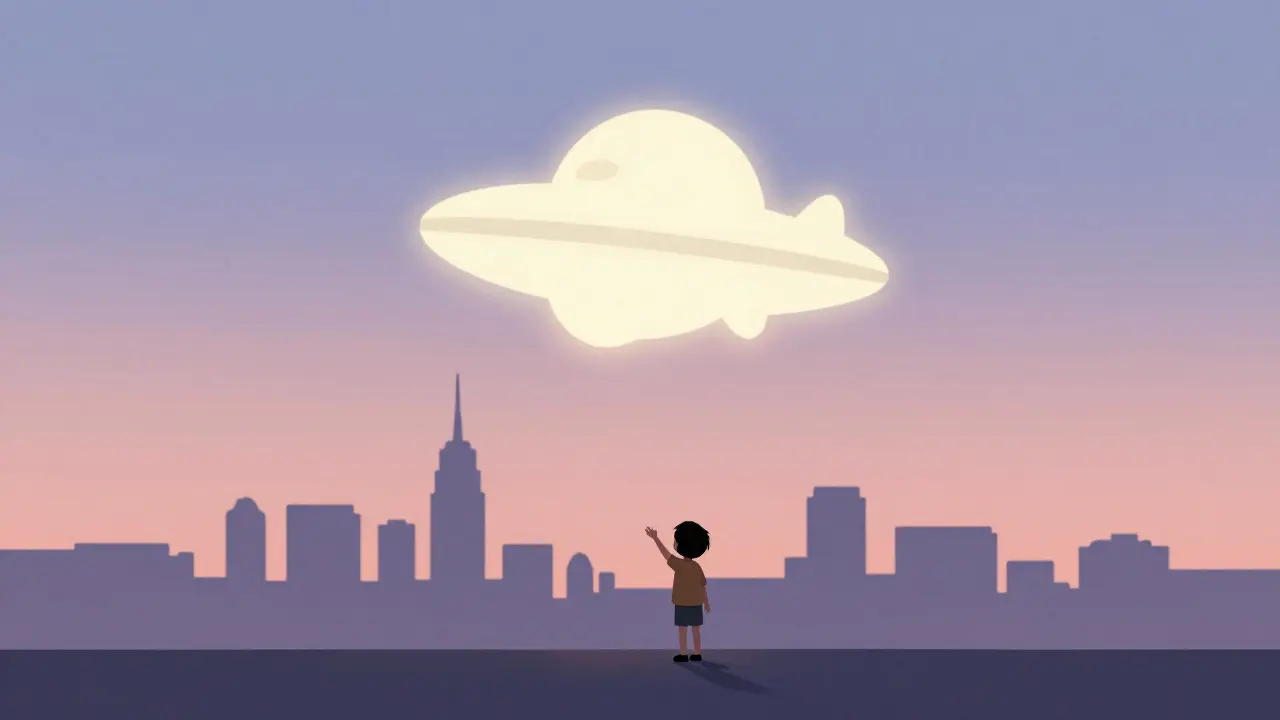
When the first alien ship appeared over New York in Independence Day, millions sat frozen in their seats. Not because they believed it was real-but because for the first time, the idea of something utterly foreign touching our world felt terrifyingly possible. Alien first-contact films don’t just show spaceships and laser guns. They hold up a mirror to our deepest hopes, our oldest fears, and the quiet, nagging question: Are we alone?
Why Alien Contact Feels So Real
Think about it: we’ve never met an alien. Not one. But every time a movie shows a first encounter, we react like we’ve lived it. Why? Because these stories aren’t about aliens. They’re about us.
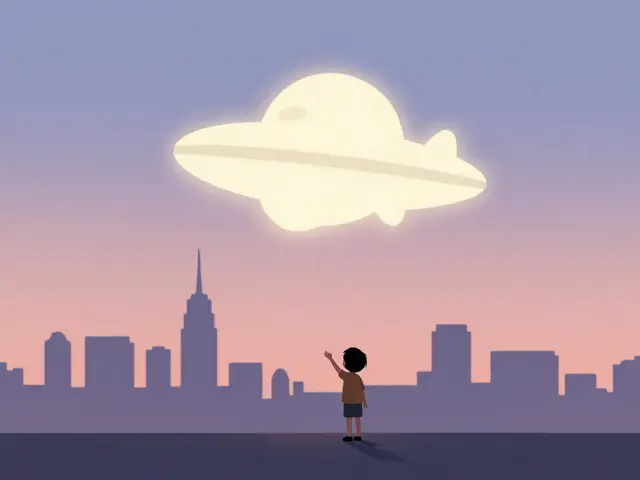
When Close Encounters of the Third Kind ends with humans stepping onto a glowing mothership, it’s not the ship that moves us-it’s the child reaching out, the scientist’s tear, the silence after the music. We’re watching someone finally understand something bigger than themselves. That’s wonder.
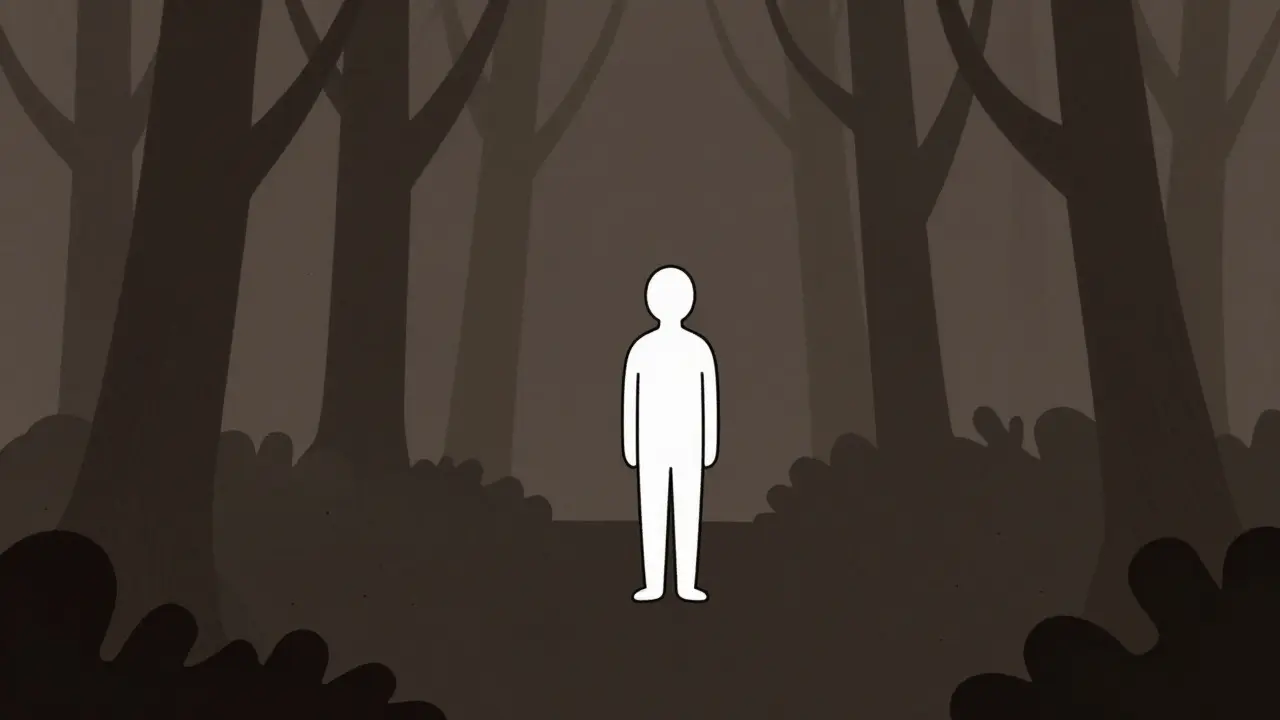
But then there’s The Thing. Or Arrival’s quiet dread. Or Annihilation’s shifting, unrecognizable forest. These films don’t show aliens as invaders. They show them as forces that unravel identity, language, sanity. That’s fear. And it hits harder because it doesn’t come with a warning label.
Real first contact wouldn’t be a press conference. It would be chaos. Miscommunication. A single gesture misread. A sound interpreted as a threat. A light pattern that looks like a signal… or a warning. Movies know this. They don’t need alien diplomats. They need silence. Then a whisper. Then a scream.
The Three Faces of Alien Encounters
Not all alien contact stories are the same. They fall into three clear patterns-and each taps into a different part of our psyche.
- Wonder: Think E.T., Close Encounters, Contact. These films treat aliens as teachers, healers, or cosmic neighbors. The tone is soft. The music swells. The aliens don’t attack-they help. They’re not here to conquer. They’re here to remind us we’re part of something vast. In Contact, the alien doesn’t speak English. It speaks through Jodie Foster’s memories. That’s not a message. That’s a gift.
- Fear: Alien, The Thing, Area 51, Hostiles. These are horror stories wrapped in spaceships. The alien isn’t evil. It’s indifferent. Or worse-it’s hungry. It doesn’t hate you. It doesn’t need to. It exists, and you’re in its way. In Alien, the creature doesn’t speak. It doesn’t need to. Its design-long limbs, inner jaws, wet skin-triggers a primal disgust response. We don’t fear what we don’t understand. We fear what understands us too well.
- The Unknown: Arrival, Annihilation, Under the Skin. These films don’t give answers. They give questions. The aliens in Arrival don’t have faces. Their language bends time. The protagonist doesn’t save the world. She learns how to see it differently. The unknown isn’t something to defeat. It’s something that changes you. And that’s scarier than any monster.
These aren’t just genres. They’re emotional frameworks. And they’ve been around since the first sci-fi pulp magazine. The difference now? We’re more aware of how fragile our understanding of reality really is.
How Real Science Shapes the Fiction
Modern alien contact films don’t come out of thin air. They’re built on real science-sometimes loosely, sometimes precisely.
When Arrival shows aliens using circular symbols instead of linear language, it’s based on real linguistic research. The Sapir-Whorf hypothesis suggests language shapes thought. If an alien language doesn’t have a word for “time,” how would it perceive cause and effect? The movie doesn’t guess. It explores.
Same with Contact. Carl Sagan, the astrophysicist who co-wrote the novel, insisted the alien signal be based on prime numbers. Why? Because math is the only universal language we know of. It doesn’t rely on culture, religion, or biology. It’s pure logic. That’s why the movie’s signal starts with 2, 3, 5, 7, 11-it’s not decoration. It’s a handshake.
Even Annihilation’s shimmering zone, where DNA mutates unpredictably, ties back to real genetic research. Scientists now know that environmental stress can trigger rapid, chaotic changes in organisms. The movie just takes it to the extreme. It’s not fantasy. It’s extrapolation.
These films work because they feel plausible. They don’t need magic. They just need one small, believable leap-and then let the rest unravel.
The Silent Rules of First Contact
There are unspoken rules in every alien contact film. They’re not written in a script. They’re carved into our collective imagination.
- Aliens don’t come in peace unless they’re already defeated. In Independence Day, the aliens offer peace… right before they nuke the White House. In Signs, the aliens don’t attack until the family finds their weakness. The message? Trust is the first casualty.
- Communication always fails at first. In Arrival, the military wants to fight. In The Day the Earth Stood Still, the alien’s message is ignored until it’s too late. Even in E.T., the first attempts at communication are messy-candy, a walkie-talkie, a child’s drawing. Language isn’t a switch you flip. It’s a slow unraveling.
- The human who understands the alien is always changed. In Arrival, Louise learns to see time differently. In Under the Skin, Scarlett Johansson’s alien begins to feel human emotion. In Close Encounters, the scientist abandons his family for the ship. These aren’t sacrifices. They’re transformations. The contact doesn’t just change the world. It changes the person.
- The alien is never the villain. Not really. Even Alien isn’t evil. It’s just alive. The villain is our fear. Our arrogance. Our need to control. The alien is the mirror. We’re the ones who bring the gun.
These rules aren’t just storytelling tricks. They’re psychological truths. We’ve spent centuries imagining aliens as monsters, gods, or saviors. But the truth? We’re the ones who decide what they are.
Why These Films Still Matter in 2025
It’s 2025. We have telescopes that can scan atmospheres of planets 40 light-years away. We’ve found water on Mars. We’ve detected strange radio signals from deep space. We’re closer than ever to finding life beyond Earth.
And yet, we’re more divided than ever. We argue over borders, beliefs, languages. We don’t even agree on what’s real anymore.
That’s why alien contact films are more relevant than ever. They’re not about space. They’re about connection. They ask: When we meet something completely different, will we try to understand it-or destroy it?
Look at Arrival again. The aliens don’t want our resources. They don’t want our land. They want to give us a gift: a way to see time differently. But humanity almost kills them because we can’t wait to understand. We’re scared of what we don’t control.
That’s the real horror. Not the alien. It’s us.
What These Films Tell Us About Ourselves
Alien contact films aren’t predictions. They’re reflections.
When we make aliens into gods, we’re searching for meaning. When we make them into monsters, we’re projecting our own violence. When we make them silent and unknowable, we’re admitting we don’t have all the answers-and maybe we never will.
These movies don’t give us hope. They don’t give us fear. They give us choice.
Will we meet the unknown with curiosity? Or with a weapon?
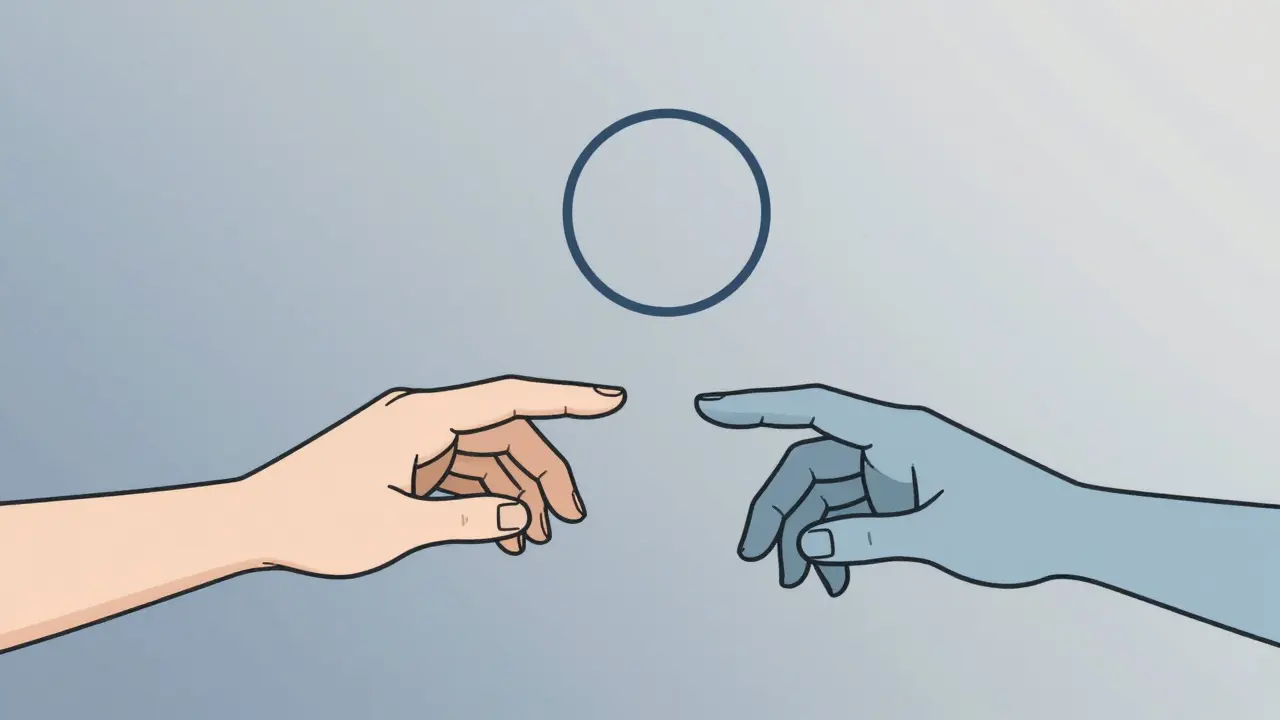
Every time a film ends with a child reaching for a glowing hand, or a scientist sitting alone in a room, listening to a language that bends time, we’re being asked: What will you do when the door opens?
The answer isn’t in the stars.
It’s in us.