24
Craft Services vs. Catering: How Film Crews Get Fed on Set

You’re three hours into a twelve-hour shoot day. The rain has stopped, but the mud hasn’t dried. You’re cold, your feet hurt, and you’d trade your camera bag for a hot bowl of soup right now. This is the moment where craft services becomes the most important department on set, rivaling even the director or the lead actor.
If you’ve ever wondered how hundreds of people get fed on a remote location without turning into a zombie apocalypse, you’re asking the right question. It’s not just about calories; it’s about morale, timing, and logistics. Let’s break down exactly how on-set food service works, who does what, and why getting it wrong can sink a production faster than bad lighting.
The Big Misconception: Craft Services Isn't Lunch
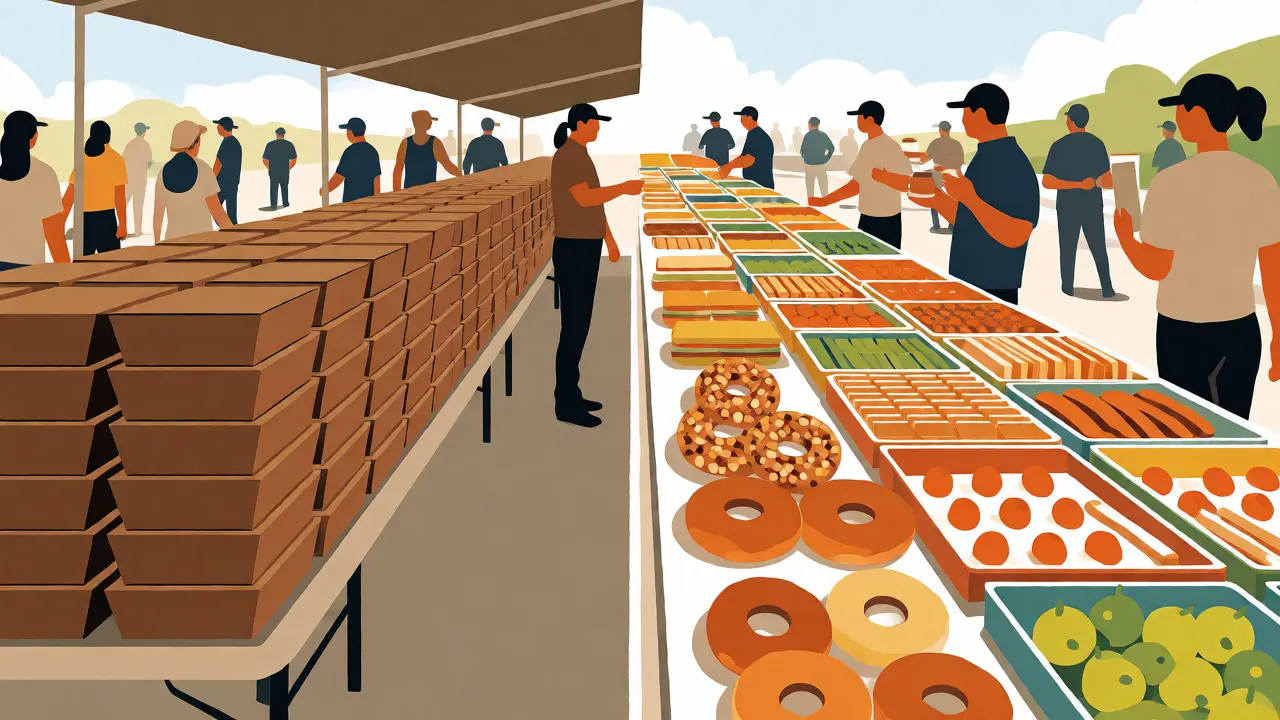
First things first: let’s clear up the biggest confusion in the industry. People use "catering" and "craft services" interchangeably, but they are two completely different beasts. Think of it like this: catering provides the main meal (lunch), while craft services provides the snacks, drinks, and breakfast that keep everyone alive between those meals.
Catering is usually a single, large delivery box arriving at lunchtime. It’s often pre-packaged from an external vendor. Craft services, on the other hand, is a dedicated team with a mobile kitchen setup that stays open all day. They serve coffee at 6 AM, muffins at 10 AM, sandwiches at 2 PM, and whatever weird midnight snack the night shift craves. If you only have catering, you’ll be starving by 3 PM. If you only have craft services, you’ll be hungry for a real meal at noon. You need both.
Who Is Actually Feeding You?
The person responsible for keeping your blood sugar stable is the Key Craft Service Person. This isn’t just someone who microwaves burritos. On a professional set, this role requires serious logistical planning. They work directly with the Production Manager to budget for food costs, which can range from $15 to $40 per person per day depending on the scale of the shoot.
Here’s the hierarchy:
- Production Manager: Sets the budget and approves vendors.
- Key Crafty: Manages the inventory, hires assistants, and designs the daily menu.
- Craft Assistants: Prep food, restock tables, clean up, and manage the line during breaks.
- Catering Vendor: An external company hired to deliver the hot lunch boxes.
On smaller indie shoots, one person might do everything. On big studio films, there’s a full truck with multiple cooks and servers. But the goal is always the same: keep the crew fueled so they don’t quit.
The Daily Rhythm: When Does Food Happen?
Food on set follows a strict clock, tied directly to the shooting schedule. Miss the window, and you delay the entire production. Here’s a typical timeline for a standard 12-hour day:
| Time | Service Type | What’s Served |
|---|---|---|
| 6:00 - 7:30 AM | Craft Services (Breakfast) | Coffee, tea, pastries, fruit, yogurt, cereal. |
| 10:00 AM | Craft Services (Mid-Morning Snack) | Bagels, granola bars, fresh fruit, more coffee. |
| 12:30 - 1:30 PM | Catering (Lunch) | Hot meal (usually boxed), salad bar, dessert, drinks. |
| 3:30 PM | Craft Services (Afternoon Pick-Me-Up) | Sandwiches, wraps, chips, soda, energy drinks. |
| 6:00 PM+ | Craft Services (Dinner/Night Snacks) | Pizza, leftovers, candy, late-night coffee. |
Notice the gap? That’s intentional. You don’t want a crew eating heavy carbs right before a complex stunt sequence. Timing is everything.
Budget Realities: What Are We Talking About?
How much money goes into feeding a crew? A lot more than you think. For a mid-budget commercial shoot, expect to pay around $25-$35 per person per day for catering alone. Add another $10-$15 for craft services supplies. Multiply that by 50 crew members, and you’re looking at over $2,000 a day just for food.
Why so high? Because film catering isn’t just buying groceries. It includes labor, transportation, heating equipment, disposable plates, napkins, and cleanup. Plus, if you’re shooting in a remote location-like a desert or a mountain ridge-the cost of transporting perishable goods skyrockets.
Pro tip: Always ask for a "per head" quote that includes taxes and gratuity. Hidden fees can blow your budget fast.
Dietary Needs: The Nightmare Scenario
One of the hardest parts of managing on-set food is handling dietary restrictions. You’ll have vegans, vegetarians, gluten-free folks, nut allergies, keto dieters, and people who just hate cilantro. If you ignore these needs, you risk alienating key crew members-or worse, causing an allergic reaction.
Best practice? Collect dietary preferences during the hiring process. Most production coordinators send out a simple survey: "Any allergies or dietary restrictions?" Then, ensure the caterer labels every box clearly. Use color-coded stickers: green for vegan, blue for gluten-free, red for contains nuts. It sounds simple, but when 100 people are grabbing lunch in ten minutes, clarity saves lives (and tempers).
Location Matters: Studio vs. Location Shoots
Shooting on a soundstage is easy. There’s electricity, running water, and space to set up long tables. Everyone gathers in one place, and cleanup is straightforward.
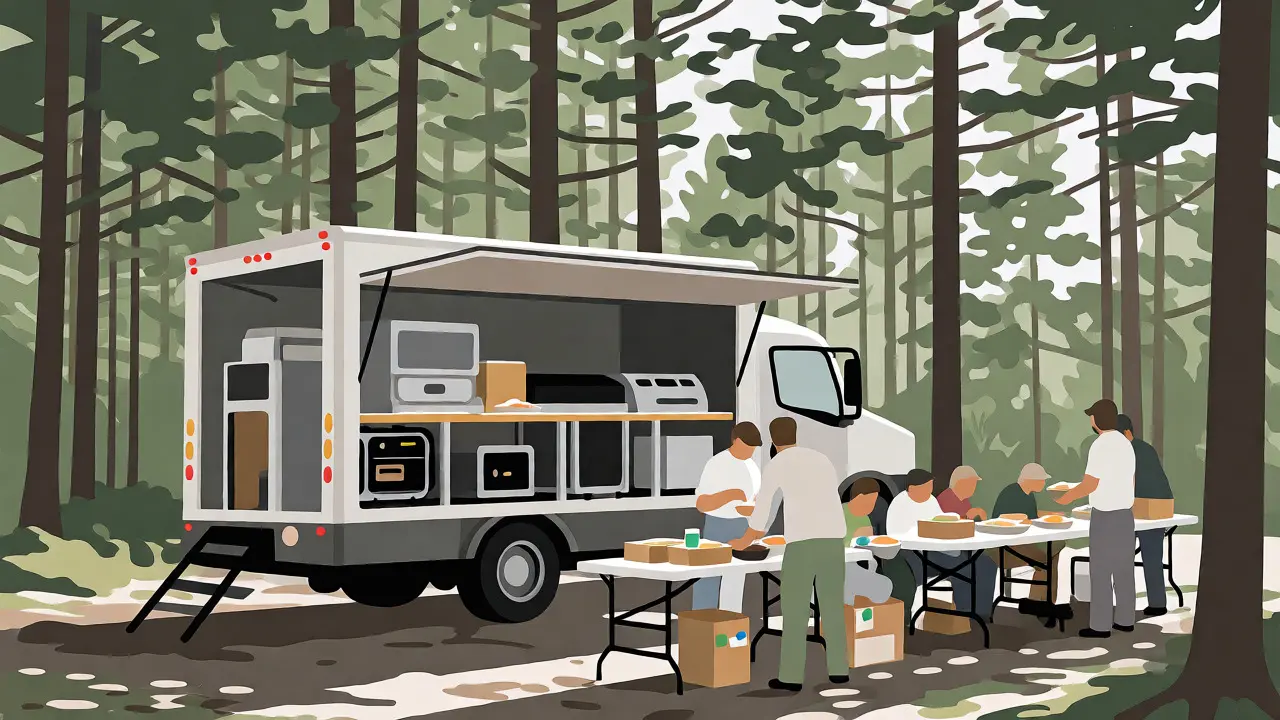
But what about location shoots? Imagine filming in a dense forest or a narrow city alley. Where do you plug in the coffee maker? How do you keep ice from melting? This is where mobile catering units shine. These are trucks equipped with generators, refrigeration, and warming ovens. They bring the infrastructure to you.
For ultra-low-budget projects, you might rely on local restaurants delivering trays. Just make sure someone is designated to pick them up and distribute them. Nothing kills momentum like waiting for a pizza guy to find parking.
Morale Boosters: The Secret Weapon
Food isn’t just fuel; it’s currency. A well-stocked craft table can boost morale better than any pep talk. Ever notice how everyone perks up when there’s fresh donuts or artisanal coffee? That’s because production life is hard. Long hours, early call times, and physical labor drain energy.
Small touches go a long way. Fresh fruit instead of canned peaches. Real milk instead of powdered creamer. A variety of options instead of just turkey sandwiches. These details signal that the production values its crew. And happy crews work harder, faster, and with fewer complaints.
Troubleshooting Common Food Issues
Even the best plans fail. Here’s how to handle common disasters:
- Lunch is Late: Have emergency snacks ready at craft services. Granola bars and apples can hold the line until the main meal arrives.
- Ran Out of Coffee: Keep backup instant coffee and hot water kettles. Never let the caffeine run dry.
- Allergy Scare: Post clear ingredient lists. If someone reacts, have antihistamines available (but check company policy first).
- Trash Piles Up: Assign specific trash and recycling bins. Empty them regularly. A dirty set feels chaotic and stressful.
Final Thoughts: Respect the Food
Next time you step onto a set, take a second to appreciate the craft services table. It’s not just free food-it’s a carefully orchestrated system designed to keep hundreds of professionals functioning under pressure. Whether you’re holding a boom pole or directing the action, remember that good food keeps the machine running. And bad food? Well, that’s a story you’ll tell for years.
Do actors eat with the crew?
Usually, no. Actors typically have their own private catering provided by their agents or publicists, often higher-end and served in their trailers. Crew eats together at the communal craft/catering tables, though this varies by production size and culture.
Can I bring my own food to set?
Yes, absolutely. Many crew members bring personal snacks or supplements. However, avoid strong-smelling foods (like fish) near the set area, and always clean up after yourself. Respect the shared space.
What happens if we miss the lunch break?
If the schedule runs long, the production may owe "meal penalties." This means paying extra overtime rates to the crew. To avoid this, producers will often rush to get lunch out on time, even if the scene isn't perfectly wrapped. Craft services might also provide "grab-and-go" options if the formal lunch is delayed significantly.
Is alcohol allowed on set?
Generally, no. Most productions have a strict no-alcohol policy during working hours. Some allow beer at wrap parties or specific events, but drinking while working is rare and often frowned upon unless it's part of the scene itself.
How far in advance should catering be booked?
For small shoots, a week in advance is fine. For large productions with complex dietary needs or remote locations, book 2-4 weeks ahead. This ensures availability and allows time for menu tastings if necessary.