17
Trailer Music Anatomy: Understanding Braaams, Builds, and Button Endings
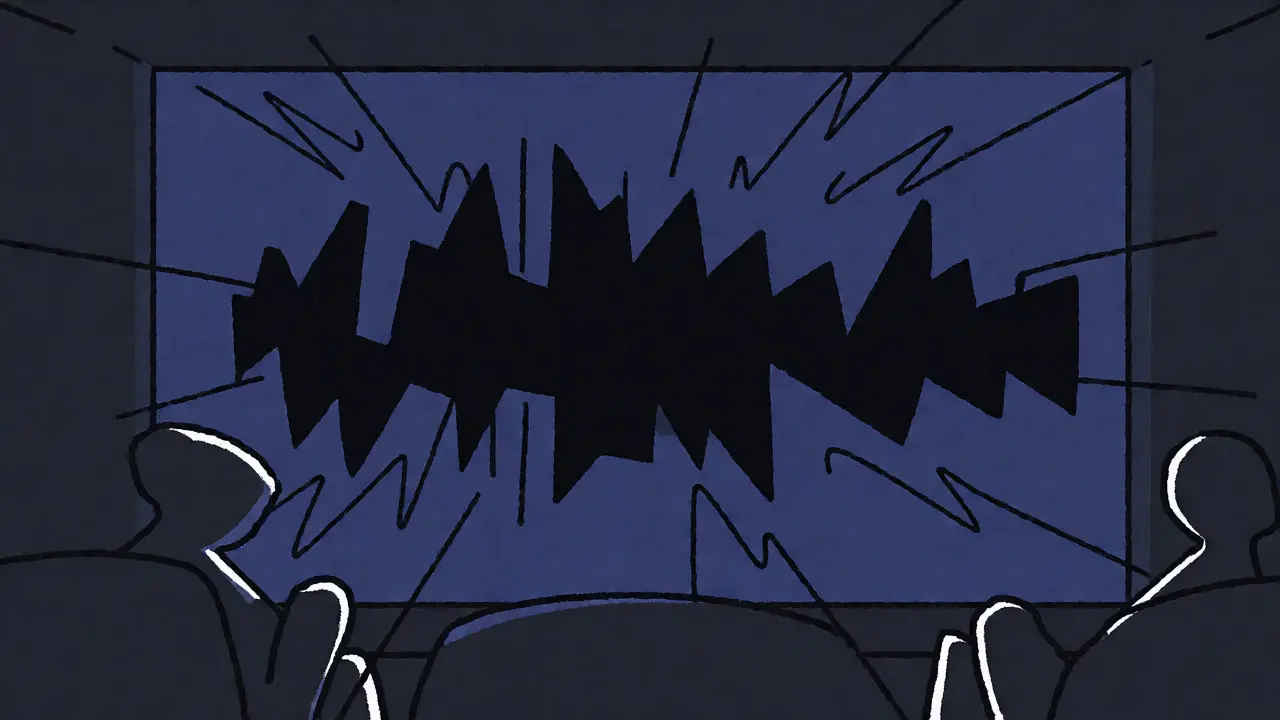
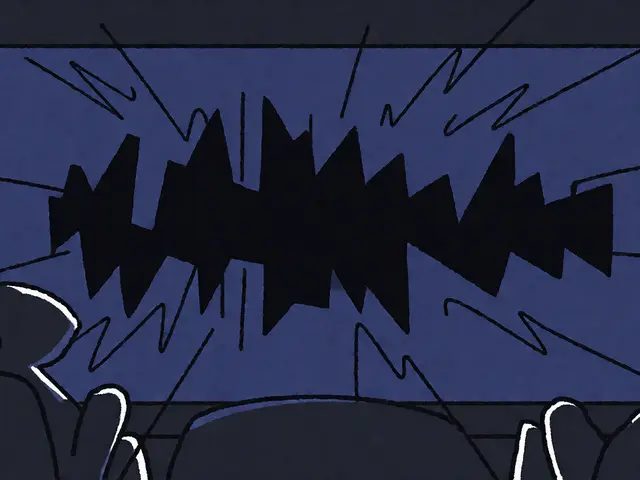
You know that sound. It’s the low-frequency roar that shakes your chest in a darkened cinema, the "BWAAAAAM" that signals something massive is about to happen. But trailer music isn’t just noise; it’s a precise engineering of emotion designed to sell you a movie in two minutes flat. If you’ve ever wondered why some trailers feel epic while others feel like chaos, you’re looking at the trailer music anatomy.
This genre sits somewhere between orchestral composition and electronic sound design. It doesn’t follow the rules of traditional film scores, which often aim to be invisible. Instead, trailer music screams for attention. It uses specific structural elements-the build, the drop, and the resolution-to manipulate your heartbeat. Let’s break down the machinery behind those three seconds of audio that make you click "Pre-order Tickets."
The Braam: The Signature Sound of Modern Blockbusters
If there is one sound that defines modern action trailers, it’s the Braam. This is a heavily distorted, sub-bass heavy brass swell that serves as a sonic punctuation mark. You likely associate it with Hans Zimmer’s work on Inception, but its roots go deeper into industrial techno and dubstep. Before Inception popularized it globally, composers were already experimenting with layering synthesizers over recorded brass to create a wall of sound that felt physically imposing rather than musically melodic.
Why does it work? Human ears are less sensitive to very low frequencies, so we don't just hear a braam; we feel it. Composers achieve this by stacking multiple layers:
- The Foundation: A sine wave or sawtooth synth tuned an octave below the lowest note of a tuba or contrabass trombone.
- The Texture: Distorted electric guitars or processed cello sections providing mid-range grit.
- The Impact: Percussive hits (like taiko drums) triggered simultaneously to add transient punch.
The result is a sound that occupies the entire frequency spectrum from 20Hz to 5kHz. When used correctly, a braam acts as a transition device. It wipes the slate clean, allowing the editor to cut from a quiet dialogue scene to an explosion without the audio feeling disjointed. However, overuse leads to "braam fatigue," where the impact loses its power because the audience stops reacting to the constant threat.
The Build: Engineering Anticipation
A trailer without a build is like a joke without a setup. The build is the process of increasing tension through volume, pitch, and rhythmic density. In Cinematic Builds, composers utilize risers, ascending scales, and accelerating percussion to create psychological pressure. The goal is simple: make the viewer hold their breath.
Think of the structure of a typical 30-second trailer segment. It rarely starts at full volume. It begins with a motif-a piano note, a hummed melody, or a ticking clock. As the visual cuts speed up, the music mirrors this acceleration. Here is how professional trailer houses construct these ramps:
- Risers: White noise sweeps that gradually increase in pitch and volume. These are often pitched up by 12 semitones over four bars.
- Tremolo Strings: Fast bowing on string instruments creates a shimmering texture that adds urgency without adding distinct melodic content.
- Polyrhythms: Layering different time signatures (e.g., 4/4 against 3/4) creates a subconscious sense of instability.
The key to a successful build is restraint. Amateur editors tend to bring every instrument in too early, resulting in a muddy mix where nothing stands out. Pros keep the frequency space clear until the final moment. They might remove the bass during the peak of the build, creating a hollow, tense sound, only to slam the bass back in when the drop hits. This contrast amplifies the perceived loudness of the climax.

The Drop: Where Action Meets Audio
The drop is the release of the tension built up in the previous section. In trailer music, the drop is almost always synchronized with a major visual event-an explosion, a monster reveal, or a character landing a punch. Unlike EDM drops, which focus on danceable rhythm, trailer drops focus on weight and scale.
Composers use a technique called "side-chain compression" even in non-electronic contexts. This means that when the big hit occurs, other elements duck in volume momentarily, making the hit sound louder by comparison. Common components of a trailer drop include:
| Element | Function | Typical Instrumentation |
|---|---|---|
| Sub-Bass Hit | Physical impact | Synthesizer, 808 Kick |
| Percussion Stabs | Rhythmic drive | Taiko Drums, Anvil Hits |
| Brass Blasts | Epic scale | Horns, Trombones |
| Vocal Chants | Human element | Choir, Solo Soprano |
Notice how the instrumentation shifts from organic to hybrid. Pure orchestra can feel dated if not augmented with electronic processing. The most effective drops blend acoustic recordings with digital manipulation, ensuring the sound feels both human and larger-than-life.

The Button Ending: Leaving a Lasting Impression
After the chaos of the montage, the trailer needs to close. This is where the Button Ending comes in. A short, decisive musical phrase that resolves the tension and provides a final auditory cue before the logo appears. The term "button" comes from theater, referring to a sharp, definitive end to a performance.
A good button ending does three things: it resets the listener's ear, reinforces the brand identity of the studio, and leaves a lingering emotional hook. It is rarely a long melody. Often, it’s a single sustained chord, a reversed cymbal swell, or a sudden silence followed by a whisper. Consider the difference between a horror trailer and a superhero trailer. Horror buttons often rely on dissonance or abrupt cutoffs to leave the viewer unsettled. Superhero buttons use major keys and resolving harmonies to leave the viewer feeling triumphant.
Editors often sync the button ending with the appearance of the title card. If the music continues playing after the title fades, it dilutes the impact. The music should stop exactly when the black screen hits, or fade out precisely as the credits roll. Timing is everything here. A button ending that drags on for two extra seconds can turn a crisp finish into a sloppy exit.
Structuring Your Own Trailer Mix
If you are editing video content-whether for YouTube, advertising, or short films-you can apply these principles without hiring a composer. Start by mapping your visuals to the emotional arc. Identify your "Braam moments" (big reveals), your "Builds" (montages), and your "Buttons" (titles).
Here is a quick checklist for selecting and placing trailer music:
- Check the Key: Ensure the music key matches the mood. Minor keys create tension; major keys offer hope. Switching keys abruptly can cause cognitive dissonance unless intentional.
- Watch the Transients: Avoid tracks where the transients (the initial spike of a sound) clash with your dialogue. Use side-chain compression or EQ to carve out space for speech.
- Respect the Silence: Don’t fill every gap. Silence is a tool. Cutting the music entirely for a line of dialogue makes the return of the score more powerful.
- Layer Wisely: If you need more intensity, add a second track underneath. For example, layer a subtle ambient drone under a percussive track to add depth without clutter.
Remember, trailer music is functional art. It exists to serve the narrative pacing. If the music distracts from the story, it has failed, no matter how cool the braam sounds.
What is the origin of the 'braam' sound?
While popularized by Hans Zimmer and his team for Christopher Nolan's Inception (2010), the braam evolved from earlier experiments in industrial music and dubstep. Composers began layering distorted synthesizers with low brass instruments to create a sound that was heavier than any single instrument could produce alone. It became a staple of the "epic trailer" genre in the early 2010s.
Why do trailer builds feel so intense?
Trailer builds utilize psychoacoustic principles. By gradually increasing volume, pitch, and rhythmic complexity, they trigger the body's fight-or-flight response. The brain anticipates a resolution that is delayed, creating anxiety and excitement. The sudden release of tension (the drop) then provides a dopamine hit, reinforcing the emotional engagement with the trailer.
Can I use trailer music for my YouTube videos?
Yes, but be careful with copyright. Most commercial trailer music libraries (like Two Steps From Hell or Immediate Music) require licensing fees for public use. Many YouTubers use royalty-free alternatives found on platforms like Epidemic Sound or Artlist, specifically searching for tags like "cinematic," "hybrid," or "action" to find similar textures.
What is a 'button ending' in audio editing?
A button ending is a short, conclusive musical phrase that ends a piece of media definitively. In trailers, it usually coincides with the title card or logo. It prevents the music from fading out ambiguously, providing a sharp, memorable closure that helps the viewer remember the film's name.
How do composers avoid 'braam fatigue'?
To avoid overusing the braam, skilled composers vary the texture and frequency range. They might use a high-pitched string stab instead of a low brass blast, or employ silence as a counterpoint. Mixing genres-such as combining choral elements with electronic pulses-also keeps the sound fresh and prevents the audience from becoming desensitized to the impact.