13
Kick vs. Twitch and YouTube: A 2026 Streaming Platform Comparison
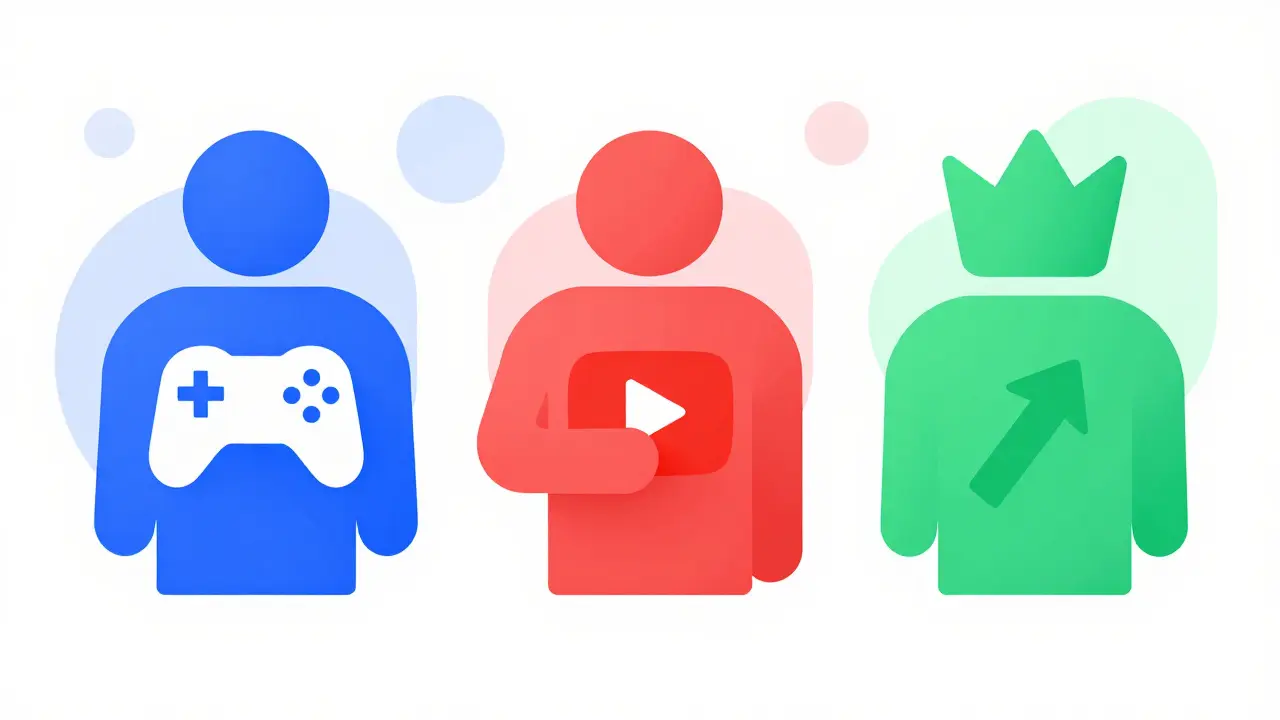
Imagine you’re ready to stream your latest gaming session or creative project. You’ve got the camera set up, the lighting is perfect, and your audience is waiting. But there’s one big question left: where do you broadcast? For years, Twitch was the undisputed king of live video game broadcasting. Then YouTube Live joined the fight with its massive built-in audience and powerful discovery algorithms. Now, a new contender has entered the ring, shaking up the industry with bold promises and controversial moves. That platform is Kick, a live streaming service launched in 2023 that aims to challenge established giants by offering creators higher revenue shares and fewer restrictions.
If you are thinking about switching platforms, starting fresh, or just curious about why everyone is talking about Kick lately, you need to look beyond the hype. This isn’t just about which logo looks better on your overlay. It’s about money, reach, community culture, and technical reliability. Let’s break down how Kick stacks up against the two heavyweights it’s trying to dethrone.
The Money Talk: Revenue Splits Explained
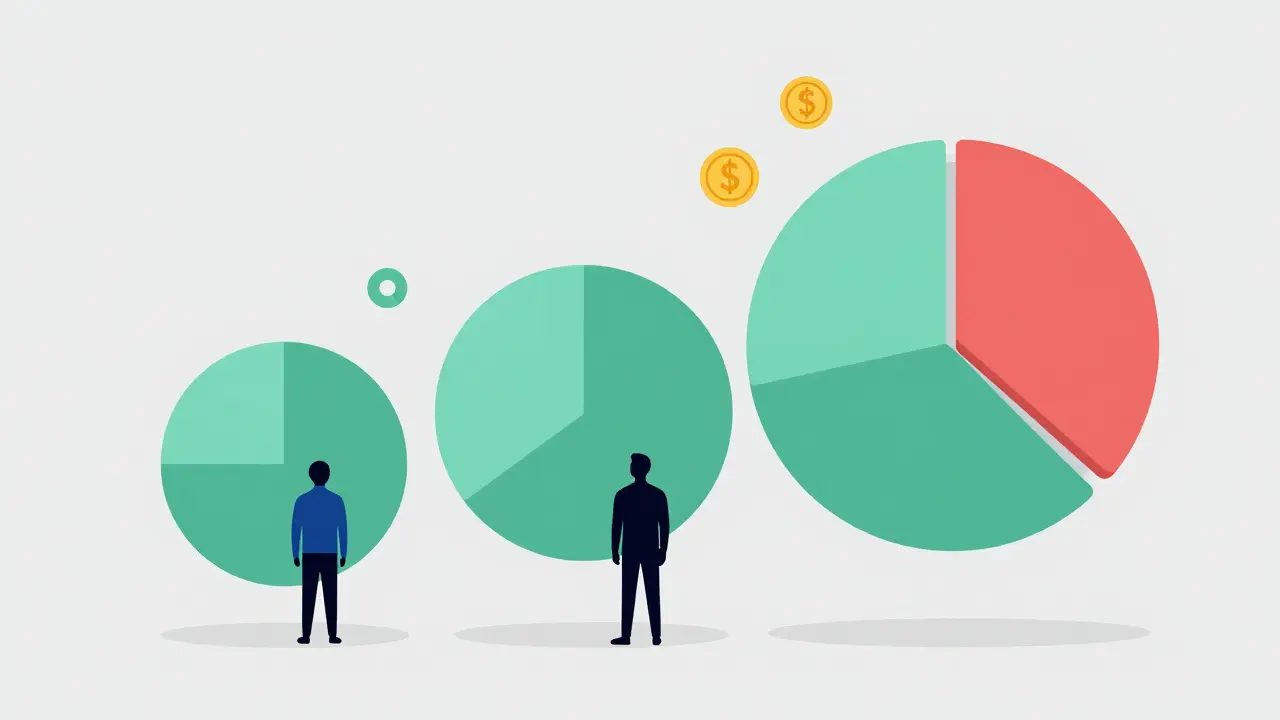
Let’s be honest. If you are streaming for fun, the platform matters less. But if you plan to make a living from this, the payout structure is the first thing you should check. The traditional model for most streaming platforms has been harsh on creators. Historically, Twitch took a massive 50% cut of subscription revenue. While they introduced a tiered system in recent years, many mid-sized streamers still feel squeezed.
Kick came out swinging with a headline-grabbing offer: a 95/5 revenue split. That means you keep 95% of every subscription dollar, and Kick takes only 5%. It sounds too good to be true, right? Well, it is partially true. This aggressive pricing strategy is designed to lure top talent away from competitors quickly. In 2024 and early 2025, Kick signed several major influencers who cited this split as their primary reason for leaving Twitch.
However, you have to look at the whole picture. YouTube operates differently. They don’t rely solely on direct subscriptions for creator income. Instead, they use an ad-revenue sharing model, typically giving creators around 70% of ad earnings. Because YouTube has billions of users, the potential ad volume can sometimes outweigh the direct sub revenue on smaller streams. So, while Kick offers the best raw percentage for subs, YouTube might offer more stability through ads if you have consistent viewership.
| Platform | Subscription Split | Ad Revenue Share | Billing Fees |
|---|---|---|---|
| Kick | 95% Creator / 5% Platform | Variable (often lower) | Creator pays processing fees |
| Twitch | 50-70% Creator / 30-50% Platform | Variable based on partner status | Platform absorbs some costs |
| YouTube | Not applicable (Memberships vary) | ~70% Creator / 30% Platform | Handled via Partner Program |
Keep in mind that payment processing fees exist on all platforms. On Kick, these fees often come out of your pocket directly, whereas Twitch sometimes absorbs them depending on your region and contract type. Always calculate the net profit after taxes and transaction costs before making a final decision.
Audience Reach and Discovery Algorithms
Money is great, but what good is it if no one watches? This is where the battle shifts from wallets to eyeballs. YouTube is a search engine first and a social network second. When people search for "how to play Minecraft" or "best cooking recipes," YouTube results dominate. This gives new streamers a massive advantage. You don’t need an existing fanbase to get discovered; you just need good content and keywords. YouTube’s algorithm is incredibly smart at recommending live streams to users who watch related videos.
Twitch, on the other hand, is a destination. People go there specifically to watch live interaction. The discovery tools on Twitch have improved significantly over the last few years, with better browse pages and category rankings. However, breaking into the top spots is notoriously difficult without external promotion from social media like Twitter or TikTok. Twitch relies heavily on community loyalty. Once you build a following, they tend to stick around because they know exactly where to find you.
Kick currently sits in an awkward middle ground. It has a clean interface and decent browsing features, but it lacks the sheer user base of its competitors. As of 2026, Kick’s organic discovery is improving, but it still lags behind YouTube’s recommendation engine. Most Kick viewers today are fans of specific streamers who moved from other platforms. If you are starting from zero, Kick might be a harder climb than YouTube unless you already have a strong personal brand elsewhere.
Content Moderation and Community Guidelines
This is the elephant in the room. Kick made headlines not just for its payouts, but for its relaxed approach to content moderation. From day one, Kick positioned itself as a haven for streamers who felt overly restricted by Twitch’s strict guidelines. They allow more mature content, including certain types of gambling streams and edgier humor that might get banned elsewhere.
For some creators, this freedom is liberating. They can express themselves without fear of sudden bans for minor infractions. However, this comes with risks. Brands are cautious. Many major sponsors avoid platforms with loose moderation policies because they don’t want their logos associated with unpredictable content. If you rely on brand deals, Kick’s lenient environment could actually hurt your earning potential outside of direct viewer support.
Twitch and YouTube maintain stricter standards. YouTube, in particular, is very sensitive to advertiser-friendly content. One misstep can lead to demonetization. Twitch strikes a balance, allowing mature content but requiring clear warnings and age gates. If you value safety and broad corporate sponsorship opportunities, the established platforms remain safer bets. If you prioritize creative freedom above all else, Kick’s open door might appeal to you.
Technical Performance and Features
When you are streaming, lag is the enemy. A choppy video or delayed audio kills the connection between you and your chat. Technically, all three platforms use robust infrastructure. Twitch uses a global content delivery network (CDN) that ensures low latency for most viewers. Their technology is mature and reliable, though occasional outages do happen during peak events.
YouTube offers excellent video quality. Their encoding technology handles high-bitrate streams beautifully, often providing sharper visuals than Twitch at similar bitrates. YouTube also supports multiple camera angles and interactive elements within the player, which is great for complex productions. However, YouTube’s latency can sometimes be slightly higher than Twitch’s, meaning there might be a 10-20 second delay between what you say and when chat reacts.
Kick uses similar underlying technology to Twitch since they share some backend infrastructure providers. In terms of raw performance, Kick is competitive. Streams load quickly, and chat functions smoothly. Where Kick falls short is in feature depth. Twitch has years of development behind it, offering advanced integrations, third-party bots, and sophisticated analytics dashboards. YouTube offers professional studio tools for post-stream editing. Kick is functional but still building out its ecosystem of developer tools and integrations. If you rely on complex overlays or automated moderation bots, you might find Kick’s current toolkit limited.
Growth Potential and Long-Term Stability
Choosing a platform is also a bet on its future. Will it still be here in five years? Twitch is owned by Amazon, a tech giant with deep pockets. Despite rumors of sales, Twitch remains deeply integrated into Amazon’s ecosystem, suggesting long-term stability. YouTube is backed by Google, arguably the most dominant company in digital advertising. Both platforms are unlikely to disappear anytime soon.
Kick is funded by Winkreative, a company with significant capital but less public scrutiny. Their growth has been explosive, driven by aggressive marketing and high-profile signings. However, the sustainability of their 95/5 model is debated. Analysts suggest that such high payouts may not be profitable long-term unless user numbers scale massively. There is always a risk that Kick could tighten its rules or adjust its revenue splits as it matures. Investing your entire career in a newer platform carries inherent volatility.
A smart strategy for many creators in 2026 is multi-streaming. Tools like Restream allow you to broadcast to Kick, Twitch, and YouTube simultaneously. This maximizes your reach and hedges your bets. You can grow your audience on YouTube, engage your hardcore fans on Twitch, and test the waters on Kick. Just be aware that each platform has its own unique culture. What works on one might not resonate on another.
Which Platform Fits Your Style?
There is no single "best" platform. The right choice depends entirely on your goals, content type, and risk tolerance. If you are a gamer looking for immediate community engagement and don’t mind fighting for visibility, Twitch remains the cultural hub. If you create educational content, tutorials, or variety shows aimed at a broad audience, YouTube’s discoverability is unmatched. If you are an established creator with an existing fanbase, seeking maximum revenue per subscriber and greater creative freedom, Kick offers a compelling alternative.
Remember, the platform is just the stage. Your personality, consistency, and ability to connect with viewers are what truly drive success. Start by defining your niche. Test different platforms if possible. Pay attention to where your audience feels most comfortable. The landscape changes fast, but the core principles of great streaming never do.
Is Kick safe for advertisers?
Kick’s relaxed moderation policies make it less predictable for advertisers compared to YouTube or Twitch. While some brands experiment with Kick, many prefer the safer, more controlled environments of established platforms to protect their image.
Can I stream on both Kick and Twitch at the same time?
Yes, you can use third-party software like Restream or OBS plugins to multi-stream. However, be mindful of each platform’s terms of service regarding exclusive content and copyright claims on music or games.
Does Kick pay out immediately?
Kick generally processes payments faster than some competitors, often within a few days of reaching the minimum threshold. However, exact timing can depend on your payment method and regional banking regulations.
Which platform has better mobile apps?
YouTube’s mobile app is widely considered the most polished and feature-rich, offering seamless viewing and background play. Twitch’s app is solid for watching but lacks some customization options. Kick’s mobile experience is improving but still trails behind YouTube in terms of stability and features.
Will Kick change its 95/5 revenue split?
While Kick has committed to this split to attract talent, business models evolve. As the platform grows and faces financial pressures, adjustments to revenue shares or introduction of new fee structures are possible in the future.