21
Marxist Film Criticism: How Class and Labor Shape What We See on Screen

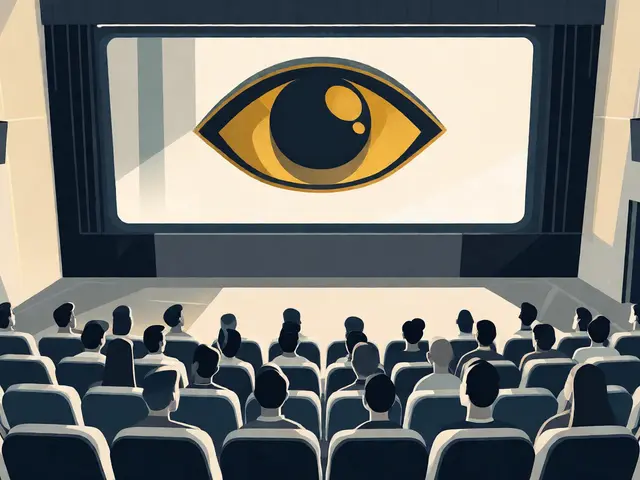
When you watch a movie about a factory worker, a billionaire CEO, or a single parent juggling three jobs, you’re not just watching a story-you’re watching a system. Marxist film criticism asks: Who made this film? Who does it serve? And whose lives get erased to make the story sell? It’s not about whether the acting is good or the camera work is flashy. It’s about power. Money. Control. And the quiet ways movies reinforce the rules of a world that benefits the few at the expense of the many.
What Marxist Film Criticism Actually Means
Marxist film criticism doesn’t mean every character has to wear a red scarf or shout about revolution. It’s a way of reading films through the lens of Karl Marx’s ideas about class struggle, economic systems, and ideology. At its core, it asks: How does this film reflect or challenge the way capitalism organizes society?
Marx argued that the ruling class controls not just factories and banks, but also culture-books, music, TV, and especially movies. Films don’t just entertain. They teach us what’s normal, what’s desirable, and what’s worth fighting for. A movie where a lone hero rises from poverty through grit and determination? That’s not just inspiring. It’s propaganda. It tells you the system works-if you just try hard enough. It hides the fact that most people born into poverty never escape it, not because they lack effort, but because the system is stacked against them.
Marxist critics look at who gets to tell the story. Who owns the studios? Who funds the projects? Who gets cast as the hero? Who gets left out? In 2024, the top 100 films worldwide were still overwhelmingly financed by five corporations. Their stories? Mostly about white, male, middle-class protagonists overcoming personal obstacles-not systemic ones.
Class on Screen: The Invisible Hierarchy
Look at any Hollywood blockbuster. The main characters live in nice apartments, drive nice cars, and never talk about rent, childcare, or medical bills. Meanwhile, the people who clean their offices, deliver their food, or fix their cars? They’re background noise. They don’t speak. They don’t have names. They’re props.
In The Wolf of Wall Street, the excess is glamorous. The janitors who scrub the vomit off the floor? We never see them. In Parasite, Bong Joon-ho flipped that script. The Kim family doesn’t just live in the shadow of the wealthy-they’re trapped by it. The film doesn’t just show class difference. It shows how capitalism turns people against each other. The poor fight over scraps. The rich don’t even notice they’re holding the knife.
Real working-class characters, when they appear, are often caricatures: the drunk mechanic, the sassy maid, the wise-cracking delivery guy. These aren’t people. They’re stereotypes designed to make the audience feel superior. Marxist film criticism calls this commodification of labor. Real people, with real struggles, turned into punchlines or plot devices.

Labor: The Unseen Engine
Every movie you watch is built on invisible labor. The set designers. The costume assistants. The grips. The caterers. The script readers. The interns working 80-hour weeks for no pay. Yet, the credits roll past them in a blur. The only people celebrated are the director and the lead actor.
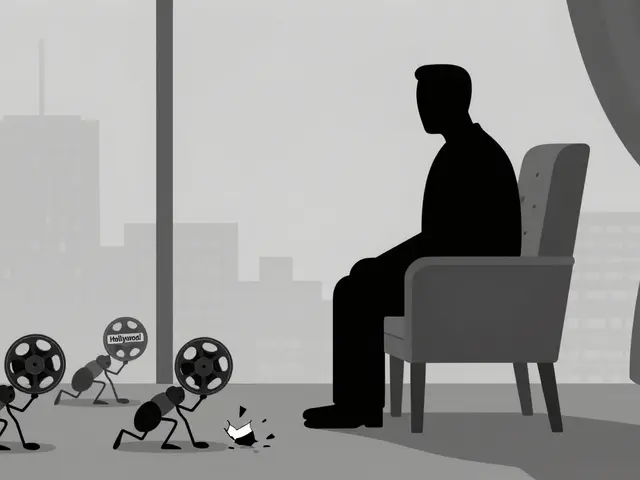
Marxist critics point out that films are products, just like cars or smartphones. They’re made by workers who don’t own the means of production. The studio owns the cameras, the editing suites, the distribution channels. The workers get paid a wage-and then the studio sells the film for millions. The profit doesn’t go back to the people who made it.
There’s a reason why most indie films are made by people with rich parents or side jobs. The industry doesn’t pay enough for most to survive without financial safety nets. That’s not an accident. It’s a feature. It keeps the gatekeepers white, wealthy, and connected.
Some films do try to show this. Sorry to Bother You uses surrealism to expose how workers are treated as replaceable parts. Norma Rae shows union organizing as the only real path to dignity. But these are rare. Most films treat labor as a background texture, not a central conflict.
Ideology: The Hidden Script
Marx called ideology the “spiritual production” of society-the ideas that make people accept their place in the system. In film, ideology isn’t shouted. It’s whispered. Through lighting. Through music. Through who gets to speak last.
Think about the hero’s journey. The lone individual triumphs. That’s not a universal truth. It’s a capitalist myth. It tells you: your problems are personal. If you’re poor, it’s because you didn’t hustle enough. If you’re stuck, you didn’t dream big enough. It hides the fact that 70% of Americans live paycheck to paycheck. That wages haven’t kept up with inflation since the 1970s. That 40% of workers have no paid sick leave.
Even “socially conscious” films often fall into this trap. Spotlight exposes corruption. But it doesn’t ask: why does the system allow this? Why is the church so powerful? Why do people still trust institutions that betray them? The answer isn’t in the film. It’s in the silence.
Marxist critics look for the gaps-the moments the film avoids. A movie about a woman escaping an abusive relationship? Great. But does it show her struggling to find affordable housing? Does it show her being turned down for a job because she’s a single mom? If not, it’s not a story about survival. It’s a story about individual resilience. And that’s exactly what the system wants you to believe.

Who Gets to Make the Movies?
Marxist film criticism isn’t just about what’s on screen. It’s about who controls the camera.
In 2023, 86% of U.S. film directors were white. 72% were male. The top 100 films were directed by just 12 men. That’s not coincidence. That’s structure. The people who control the money also control the narrative. They decide what stories are “marketable.” What’s “relatable.” What’s “universal.”
When a Black director makes a film about police violence, it’s called “political.” When a white director makes a film about a white cop’s trauma, it’s called “human.” The same story, different labels. That’s ideology at work.
There are exceptions. Chantal Akerman’s Jeanne Dielman shows a housewife’s daily grind in real time-3 hours of washing dishes, cooking, and silence. No climax. No hero. Just labor. It was ignored by mainstream critics for decades. Now it’s considered one of the greatest films ever made. Why? Because it refused to entertain. It forced viewers to sit with the boredom of survival.
What Can You Do?
You don’t need a film degree to see through the lies. Start by asking simple questions when you watch something:
- Who made this? Who owns the company behind it?
- Who’s missing from this story? Who’s portrayed as a stereotype?
- Does the film blame individuals for systemic problems?
- Where does the money go? Who profits?
- Is the solution personal (try harder) or collective (change the system)?
Support films made by people outside the system. Watch independent films. Back co-ops. Follow filmmakers who pay their crew fairly. Watch documentaries like The Social Dilemma or American Factory-they don’t hide the machinery. They show it.
And when you talk about movies, don’t just say, “It was great.” Say: “It showed me how the system works-and how it breaks people.” That’s the first step to changing it.
Is Marxist film criticism just about politics?
No. It’s not about pushing a political agenda. It’s about asking how economic structures shape what stories get told and how they’re told. A film can be entertaining and still reinforce harmful ideas. Marxist criticism helps you see the difference.
Do I need to be a Marxist to use this approach?
No. You don’t have to believe in communism to notice when a film ignores the working class or glorifies billionaires. This is a tool for observation, not belief. Think of it like a magnifying glass for power.
Are there any modern films that do Marxist criticism well?
Yes. Parasite (2019) shows class as a physical barrier. Sorry to Bother You (2018) turns labor exploitation into surreal horror. The Florida Project (2017) depicts poverty without pity. These films don’t preach-they show. And that’s more powerful than any manifesto.
Why does Hollywood keep making the same kinds of stories?
Because those stories sell. They make people feel good about the system-even when it’s failing them. A hero overcoming odds feels hopeful. A system that needs fixing feels scary. Studios bet on hope, not truth. And they’re right-most audiences prefer comfort over clarity.
Can a film be both entertaining and Marxist?
Absolutely. Mad Max: Fury Road is a high-octane action movie. But it’s also about workers rebelling against a tyrant who hoards water and fuel. The film doesn’t mention Marx-but it lives his ideas. Entertainment doesn’t have to mean distraction.