13
Payment Methods for Foreign Region Streaming: Gift Cards and Wallets
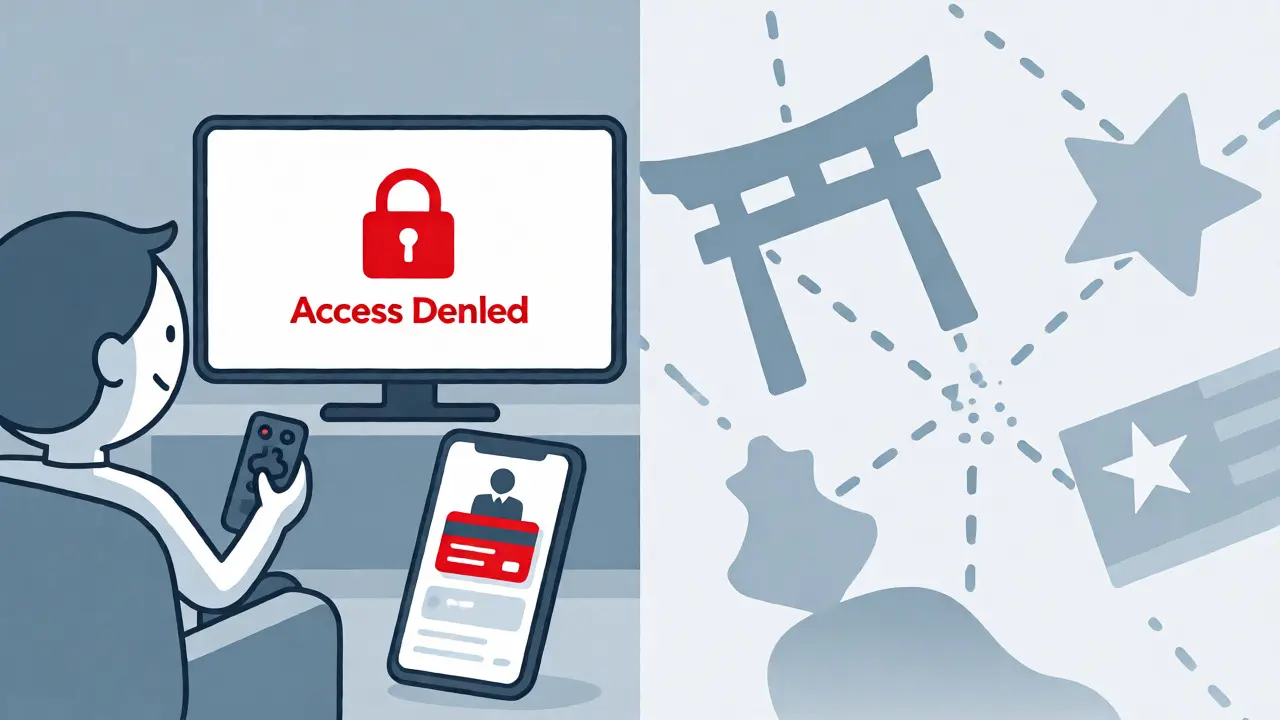
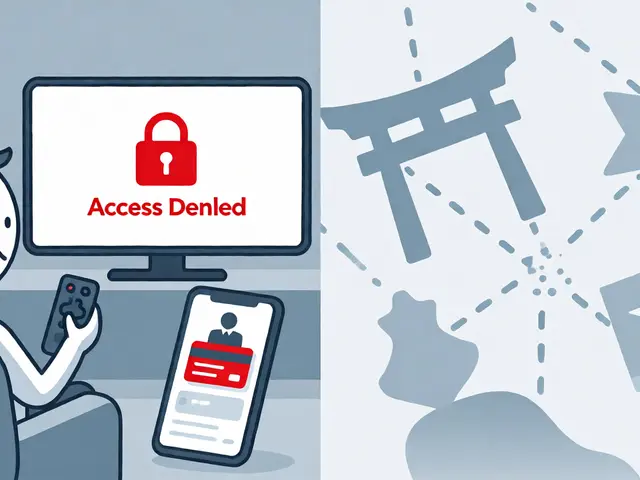
You finally found that obscure documentary series on a regional streaming platform, or maybe you want to access the full Netflix library available only in Japan. But when you try to sign up, your credit card gets declined instantly. The system sees a mismatch between your IP address location and your billing address. This is one of the most common hurdles for anyone trying to bypass geo-restrictions legally. You don't need a local bank account, though. You just need the right payment tools.
Most people think they need a virtual credit card (VCC) from a specialized service like Privacy.com or Wise. While those work, they often come with fees, verification hassles, or limited acceptance. There are two simpler, more robust alternatives that fly under the radar: regional gift cards and specific digital wallet configurations. Let’s break down how these actually work so you can start watching without pulling your hair out.
Why Your Credit Card Gets Declined
Streaming giants use strict fraud detection algorithms. They check three things: the IP address origin, the country code of the credit card, and the billing zip code provided at checkout. If your IP says "Japan" but your Visa card was issued in the "United States," the transaction looks suspicious. It’s not necessarily because they hate foreigners; it’s because stolen credit cards often get used across borders rapidly. To protect themselves, they block cross-border transactions unless the user has explicitly enabled international usage-and even then, the geographic mismatch often triggers a soft decline.
This creates a paradox. You change your IP to match the target region to unlock content, but that same IP change breaks your ability to pay with your home bank card. You’re stuck in a loop. Changing the IP back to pay defeats the purpose if the platform checks location during subscription renewal too. So, how do you pay for a Japanese Netflix account while sitting in London?
The Power of Regional Gift Cards
Digital Gift Cards are prepaid vouchers denominated in the local currency of the target region. Unlike credit cards, they don’t have a billing address tied to them. When you redeem a gift card, the platform credits your account balance. Subscriptions are then deducted from this balance, completely bypassing the credit card check. This is the cleanest workaround for strict platforms like Hulu Japan or Niconico.
Here’s the catch: you can’t buy a US Amazon gift card and use it on the UK Amazon store. The regions must match exactly. If you want to subscribe to a Korean streaming service, you need a South Korean Won-denominated gift card. Where do you find these? Third-party marketplaces like Bitrefill, Eneba, or G2A specialize in selling these codes. You pay with your local currency or crypto, and they send you the code via email. You redeem it on the platform’s website, and boom-you have credit.
| Method | Acceptance Rate | Setup Difficulty | Cost/Fees | Best For |
|---|---|---|---|---|
| Credit Card (Home) | Low (if IP mismatched) | None | FX Fees | Platforms with lenient geo-checks |
| Virtual Credit Card (VCC) | High | Medium | $1-$5/month + FX | Recurring subscriptions |
| Regional Gift Cards | Very High | Low-Medium | Marketplace markup (5-10%) | Strict platforms (JP, KR, CN) |
| Digital Wallets (PayPal) | Variable | Low | Standard FX rates | Platforms accepting PayPal globally |
Digital Wallets: The Hidden Loophole
Not all digital wallets are created equal. Many people assume PayPal works everywhere. It doesn’t. PayPal accounts are also region-locked based on where you opened them. A US PayPal account cannot directly fund a Japanese subscription if the merchant requires a local payment method. However, some platforms accept PayPal as a global gateway regardless of the account’s home region. This depends entirely on the streaming service’s integration.
A better option for many users is Alipay or WeChat Pay for Asian platforms, or Rakuten Wallet for Japan. These services often allow tourists or foreigners to top up balances using international cards. Once the money is inside the local ecosystem’s wallet, it acts like local cash. The streaming platform sees a local payment source. No flags. No declines.
For Western markets, look into Revolut. Revolut offers disposable virtual cards that you can generate with a single tap. Crucially, you can set the card’s details to match the region of the merchant. If you’re subscribing to a UK-based Spotify plan, generate a UK-detailed virtual card. This satisfies the billing address check while keeping your main bank account secure. It’s a middle ground between the hassle of gift cards and the complexity of traditional VCC providers.
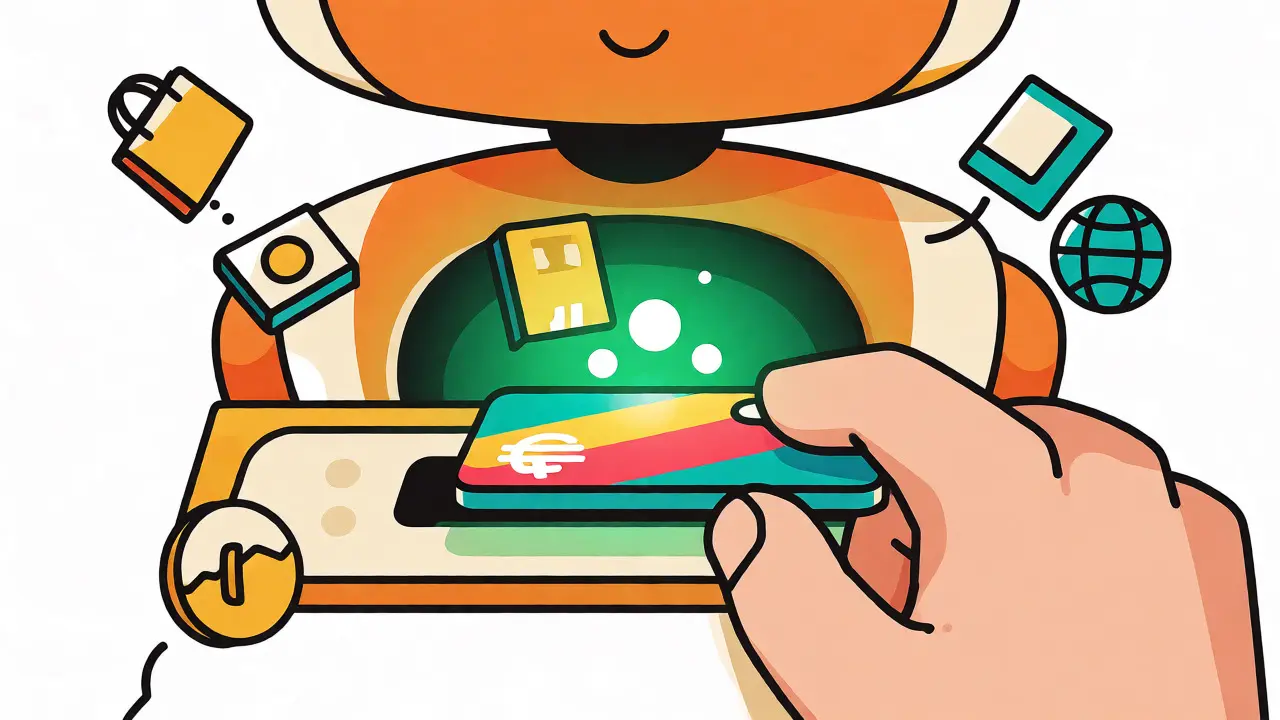
Step-by-Step: Using Gift Cards for Subscription
Let’s walk through a real-world scenario. Say you want to watch anime on Crunchyroll’s premium tier, but you’re traveling in a country where their pricing is lower, or perhaps you want to support a creator on a platform that only accepts local payments. Here is the workflow:
- Identify the Target Region: Confirm exactly which country’s store or service you are accessing. Is it Netflix US? Netflix Japan? Be precise.
- Find a Reputable Vendor: Go to a marketplace like Bitrefill or Eneba. Search for "Netflix Japan Gift Card." Check reviews. Avoid shady sites offering prices significantly below face value-scams are rampant.
- Purchase the Code: Buy the amount needed for at least one month of subscription. Note that gift cards usually don’t auto-renew. You’ll need to add funds manually each month.
- Set Up Your Environment: Turn on your VPN. Connect to a server in the target region. Clear your browser cookies to ensure the site thinks you’re new and local.
- Redeem the Code: Log in to the streaming platform. Navigate to "Add Funds" or "Redeem Code." Enter the alphanumeric code. Do this while the VPN is active to avoid any last-minute location checks.
- Subscribe: Select your plan. Choose "Account Balance" or "Gift Card" as the payment method. Complete the signup.
This process takes about ten minutes. The biggest pitfall? Forgetting to keep the VPN on during the initial redemption. Some platforms check the IP address at the moment of code entry. If you redeem a Japanese code while your IP shows France, the system might reject it as invalid for your current session context.
Pitfalls to Watch Out For
First, expiration dates. Gift cards aren’t always eternal. In the EU, consumer protection laws mandate long validity periods, but in other regions, codes might expire after 12 months. Always redeem them immediately upon purchase.
Second, partial refunds. If you overpay by buying a $50 gift card for a $10 subscription, getting that remaining $40 back to your bank account is nearly impossible. It stays in the platform’s ecosystem. Plan your purchases carefully to minimize leftover balance.
Third, tax implications. Sometimes the price listed on the marketplace includes VAT, sometimes it doesn’t. When you redeem the card, the platform might apply additional taxes depending on local laws, eating into your balance faster than expected. Read the fine print on the marketplace listing.

When to Use Virtual Cards Instead
If you hate the manual top-up process, virtual cards are worth the setup time. Services like Privacy.com (US-focused) or Wise (Global) allow you to create recurring payments. You link your bank account once, generate a virtual card number, and enter it into the streaming service. The service charges the virtual card automatically every month. You don’t need to remember to buy gift cards.
However, Wise charges small conversion fees and may require identity verification documents (passport, proof of address). For a casual viewer who just wants to binge-watch a few shows, the friction of KYC (Know Your Customer) processes isn’t worth it. Gift cards remain anonymous and instant. Virtual cards are for power users who manage multiple foreign subscriptions regularly.
Final Thoughts on Access
Geo-blocking is annoying, but it’s not an impenetrable wall. By understanding how payment verification works, you can choose the tool that fits your lifestyle. If you want simplicity and anonymity, buy a regional gift card. If you want automation and convenience, set up a virtual card with matching regional details. Both methods bypass the core issue: the mismatch between your physical location and your digital presence. Pick your weapon, fire up your VPN, and enjoy the content.
Can I use a US gift card on a UK streaming service?
No. Gift cards are strictly region-locked. A US-denominated gift card will not work on a UK platform, and vice versa. You must purchase a gift card specifically for the region of the streaming service you intend to use.
Do gift cards auto-renew my subscription?
Generally, no. Most platforms treat gift card balances as prepaid credit. Once the balance runs out, the subscription pauses until you add more funds. You typically have to manually redeem a new code each billing cycle.
Is it safe to buy gift cards from third-party sites?
It is generally safe if you use reputable vendors like Bitrefill, Eneba, or G2A. Look for seller ratings and buyer protection guarantees. Avoid unknown websites with prices that seem too good to be true, as they may sell invalid or already-used codes.
Why does my credit card fail even if I enable international payments?
Banks and merchants use geolocation data from your IP address. Even if international payments are enabled, a significant discrepancy between the IP location and the card's issuing country can trigger fraud prevention systems, resulting in a decline.
Can I use PayPal for any foreign streaming service?
Not always. While PayPal is global, some regional platforms only accept local payment methods or specific wallets. Additionally, your PayPal account's home region might restrict certain transactions if the merchant requires a local entity match.