13
André Bazin’s Realism: How Films Connect to Reality
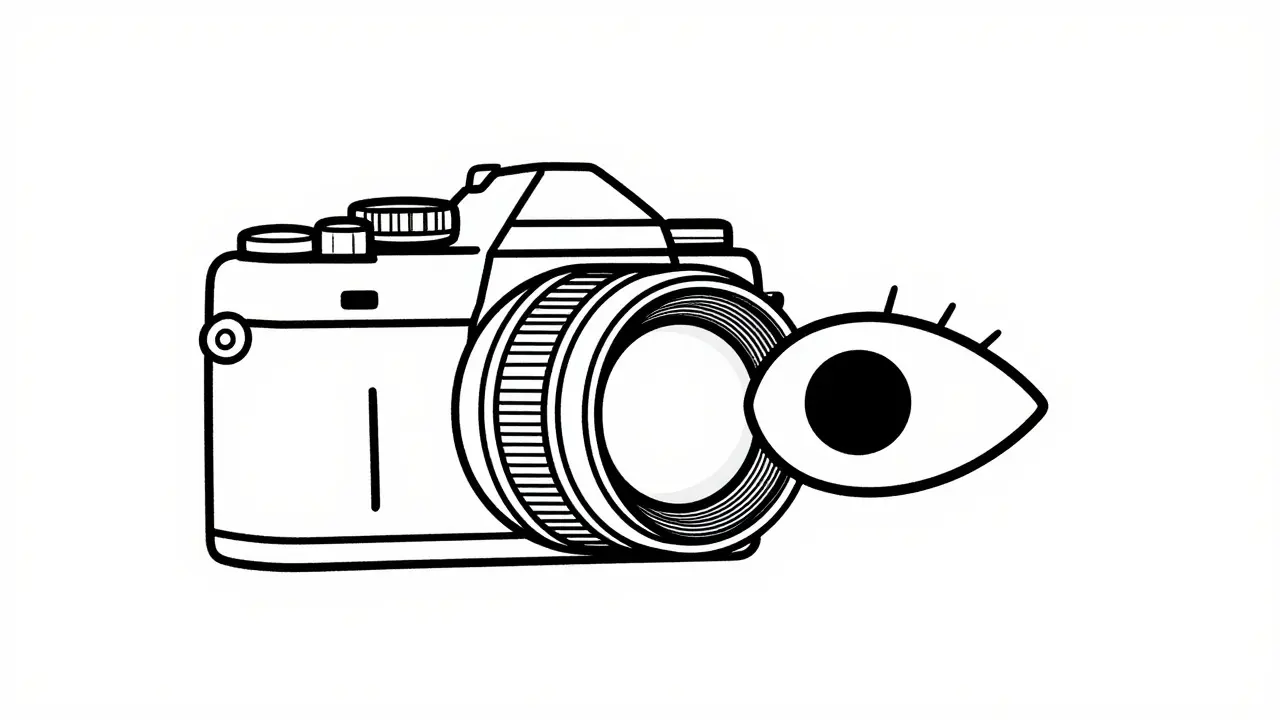
Why do we trust movies? It isn’t just because the actors are good or the script is tight. We trust them because they look like the world we live in. That feeling of "this could happen" comes from a specific philosophical stance that changed cinema forever. At the center of this shift stands André Bazin, a French film critic who argued that the camera doesn't interpret reality-it preserves it.
Bazin didn’t just watch movies; he dissected their soul. He believed that cinema’s primary job was to reveal the ambiguity of life, not to solve it for you. If you’ve ever felt a chill watching a slow, unedited shot of a character walking down a street, you’re experiencing Bazin’s theory in action. His ideas on cinematic realism form the backbone of modern filmmaking, influencing everyone from Stanley Kubrick to Christopher Nolan.
The Ontology of the Photographic Image
To understand Bazin, you have to start with his essay "The Ontology of the Photographic Image." Written in 1945, this text argues that photography-and by extension, film-is fundamentally different from other art forms like painting or sculpture. A painter interprets the world through their hand. The result is subjective. But a photograph is created mechanically. Light hits a surface, and an image is formed without human intervention.
Bazin called this process a "mummy complex." Humans have always wanted to preserve life against time. Mummies were early attempts. Photography perfected it. When you see a photo, you know that thing existed at that exact moment. This creates a bond of trust between the viewer and the image. In cinema, this trust extends to movement. Film captures duration itself. It records time passing. That’s why documentaries feel so powerful-they aren’t just showing us events; they are proving those events happened.
The Long Take vs. Montage
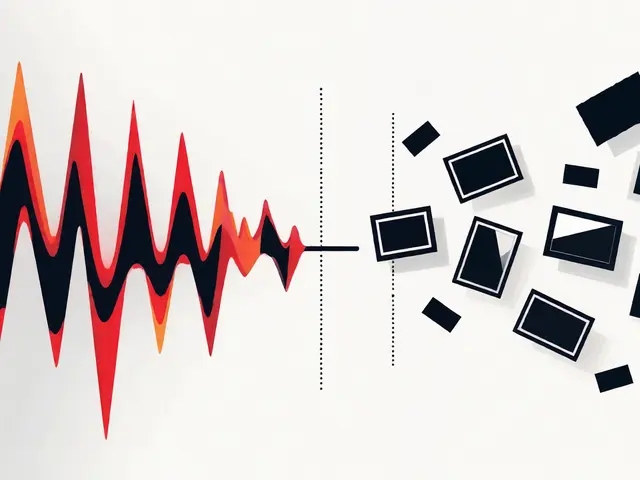
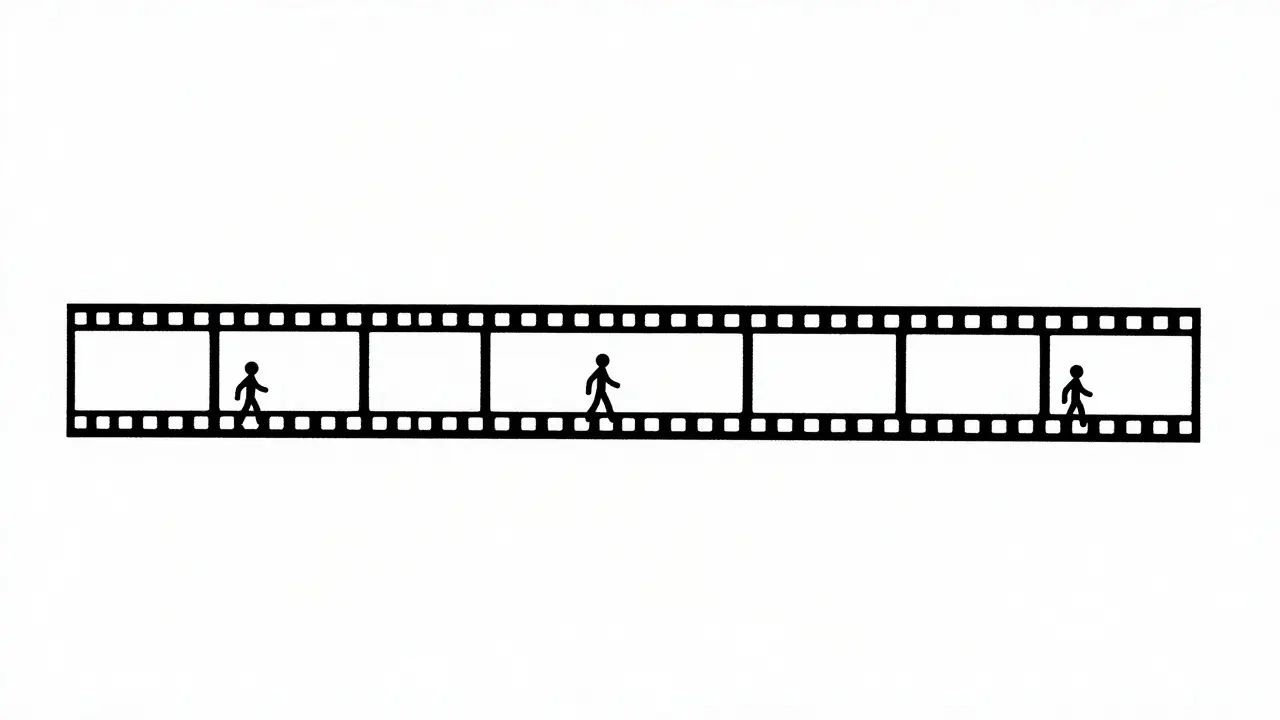
This belief in mechanical objectivity led Bazin to clash with the dominant film theory of his time: Soviet Montage. Directors like Sergei Eisenstein believed meaning came from editing. You show Shot A (a man smiling), then Shot B (a gun), and the audience feels fear. The emotion is manufactured by the cut.
Bazin hated this manipulation. He argued that cutting fragments reality. It tells the audience what to think and when to feel it. Instead, he championed the long take. A long take keeps the camera rolling for an extended period without cutting. It allows space and time to remain intact. The viewer gets to choose where to look. They decide what is important. This respects the intelligence of the audience.
- Montage: Meaning is created through the collision of shots. The director controls your emotions.
- Long Take: Meaning emerges from the scene itself. The viewer participates in creating the narrative.
Think about a tense standoff in a Western movie. If the editor cuts rapidly between faces, you feel anxiety because the rhythm forces it. If the camera stays wide, showing both men and the distance between them, you feel suspense because you are waiting for something to happen in real time. Bazin preferred the latter. He wanted cinema to reflect the ambiguity of life, where outcomes aren’t guaranteed until they happen.
Depth of Field and Spatial Unity
If the long take preserves time, depth of field preserves space. Bazin loved deep focus cinematography. This technique keeps objects in the foreground, middle ground, and background all sharp at once. Most films use shallow focus, blurring the background to tell you exactly what to look at. Deep focus refuses to do that.
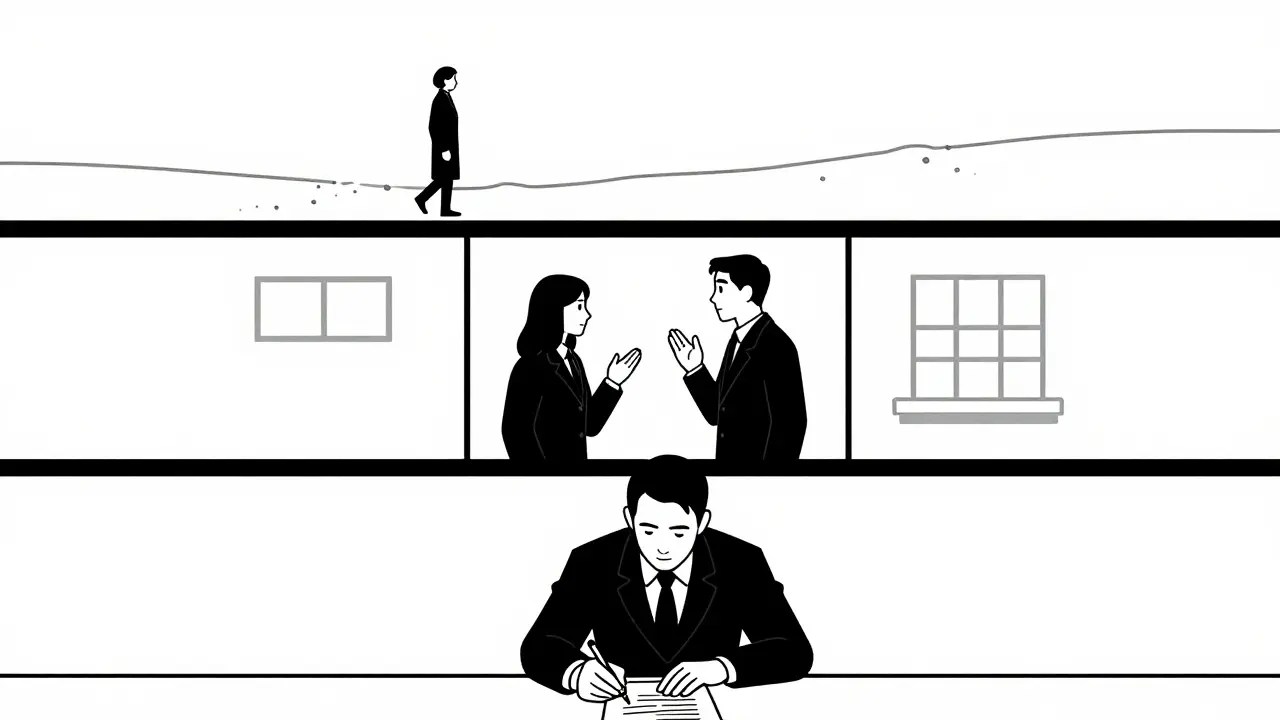
The most famous example is Orson Welles’ Citizen Kane (1941). In the opening scene, young Charles Kane plays in the snow while adults argue inside the house. All three planes are visible. You can watch the child, the father, or the lawyer. You decide which story matters. Bazin saw this as democratic. It gives the viewer freedom. It mimics how we see the real world-everything is there, but our attention shifts naturally.
This approach requires careful staging. Actors must move precisely within the frame. Lighting must be balanced across distances. It’s harder than shooting close-ups and cutting quickly. But the reward is a richer, more immersive experience. The image becomes a window into reality, not a constructed puzzle.
Italian Neorealism: The Perfect Example
Bazin found his ideal cinema in Italian Neorealism. After World War II, directors like Roberto Rossellini and Vittorio De Sica made films that looked nothing like Hollywood blockbusters. They used non-professional actors. They shot on location instead of soundstages. They avoided dramatic music and heavy editing.
Films like Rome, Open City (1945) and Bicycle Thieves (1948) felt raw and immediate. There was no gloss. No artifice. Just life as it was lived. Bazin praised these films because they respected the integrity of the subject. The camera observed rather than imposed. When a father searches for his stolen bike in Bicycle Thieves, the pain feels real because the environment around him is real. The dirt, the crowds, the noise-all contribute to the truth of the moment.
| Feature | Soviet Montage (Eisenstein) | Bazin’s Realism |
|---|---|---|
| Primary Tool | Editing/Cutting | Long Take/Deep Focus |
| Role of Director | Controller of Emotion | Observer/Facilitator |
| Viewer Experience | Passive Reception | Active Interpretation |
| View of Reality | Constructed/Ideological | Ambiguous/Organic |
Influence on Modern Filmmakers
You might think Bazin’s theories belong in a history book. But look at today’s biggest directors. Martin Scorsese uses long takes to build tension in Goodfellas. The Copacabana entrance sequence is one continuous shot that pulls you into the glamour and danger of the mob world. You don’t just hear about it; you walk through it.
Alfonso Cuarón’s Roman Holiday style sequences in Gravity or Roma rely entirely on Bazin’s principles. By avoiding cuts, Cuarón creates an unbroken flow of time. You experience the astronaut’s panic or the maid’s daily routine without interruption. The immersion is total.
Even horror films use Bazin’s ideas. John Carpenter’s Halloween features static, wide shots that let the killer lurk in the background. The terror comes from not knowing when he will strike. The camera waits. You wait. That shared anticipation is pure Bazin.
Critiques and Limitations
No theory is perfect. Critics argue that Bazin overestimated the objectivity of the camera. Every choice behind the lens-angle, lighting, framing-is subjective. A low angle makes a character look powerful. A high angle makes them look weak. These are manipulations, even if subtle. Bazin acknowledged this but believed the mechanical nature of photography still provided a unique link to truth.
Others say his preference for realism ignores the power of fantasy. Sci-fi, animation, and musicals thrive on artificiality. They create worlds that don’t exist. Bazin focused heavily on drama and documentary styles. While his ideas apply broadly, they fit best with genres that aim to reflect human behavior rather than escape it.
Applying Bazin Today
So, how does this help you as a viewer or creator? If you’re making content, ask yourself: Do I need to cut here? Am I forcing an emotion, or letting the scene breathe? Sometimes, holding the shot longer adds weight. Letting silence sit in a conversation reveals more than dialogue ever could.
If you’re watching, pay attention to the camera. Notice when it moves smoothly versus when it jumps. Feel the difference in engagement. Bazin teaches us to be active participants. Don’t just consume the image; question it. Look for details in the background. Ask why the director chose to keep the shot going. This deeper level of viewing turns passive entertainment into meaningful analysis.
His legacy isn’t just about old movies. It’s about respecting reality. In an age of AI-generated images and deepfakes, Bazin’s insistence on the physical trace of light feels more relevant than ever. We crave authenticity. We want to know that what we see actually happened. Cinema, at its best, offers that promise.
Who was André Bazin?
André Bazin (1918-1958) was a French film critic and co-founder of the influential magazine Cahiers du Cinéma. He is best known for developing the theory of cinematic realism, arguing that film should capture reality objectively rather than manipulating it through heavy editing.
What is the "ontology of the photographic image"?
This concept, introduced by Bazin in 1945, suggests that photography is unique because it is created mechanically by light reflecting off an object. Unlike painting, which involves human interpretation, a photograph serves as a direct imprint of reality, satisfying a human desire to preserve life against time.
Why did Bazin prefer the long take over montage?
Bazin believed montage (rapid editing) manipulated the viewer's emotions and fragmented reality. He preferred the long take because it preserved the continuity of time and space, allowing viewers to interpret the scene freely and engage with the ambiguity of life.
How does depth of field relate to Bazin’s theory?
Depth of field, particularly deep focus, keeps multiple planes of action in sharp focus simultaneously. Bazin valued this because it maintained spatial unity and gave viewers the freedom to choose where to look, mirroring how we perceive the real world.
Which filmmakers exemplify Bazin’s realism?
Key examples include Orson Welles (Citizen Kane), Roberto Rossellini (Rome, Open City), and Vittorio De Sica (Bicycle Thieves). Modern directors like Martin Scorsese, Alfonso Cuarón, and Wes Anderson also frequently employ long takes and deep focus inspired by Bazin.
Is Bazin’s theory still relevant today?
Yes, especially in an era of digital manipulation and AI. Bazin’s emphasis on authenticity and the objective record of reality resonates deeply with contemporary audiences seeking genuine emotional connection and truthful storytelling in visual media.