2
One-Time Virtual Numbers: Stop Hidden Streaming Subscription Charges
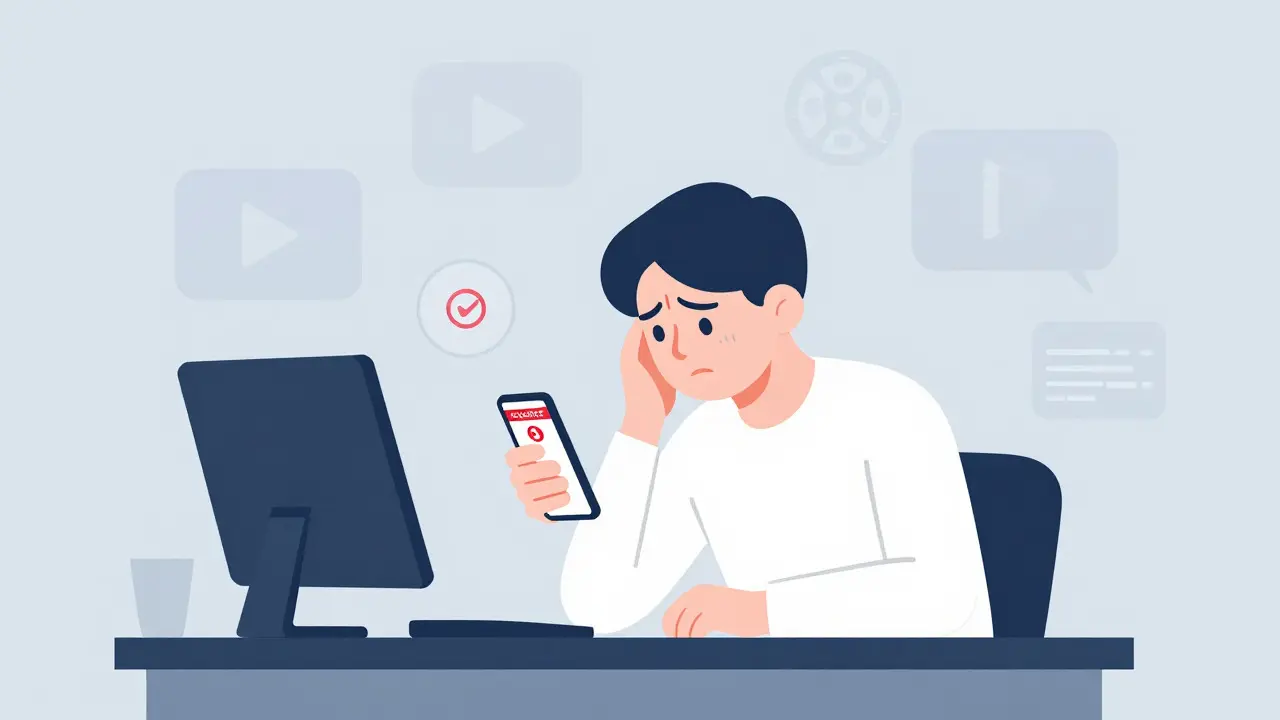
You signed up for a free trial. You promised yourself you’d cancel before the clock ran out. But life got busy, an email went to spam, and now your credit card statement shows a $14.99 charge from a service you haven’t opened in months. It’s frustrating, but it’s also incredibly common. The real issue isn’t just forgetfulness; it’s that you gave away your primary contact information to dozens of services that don’t care about your privacy.
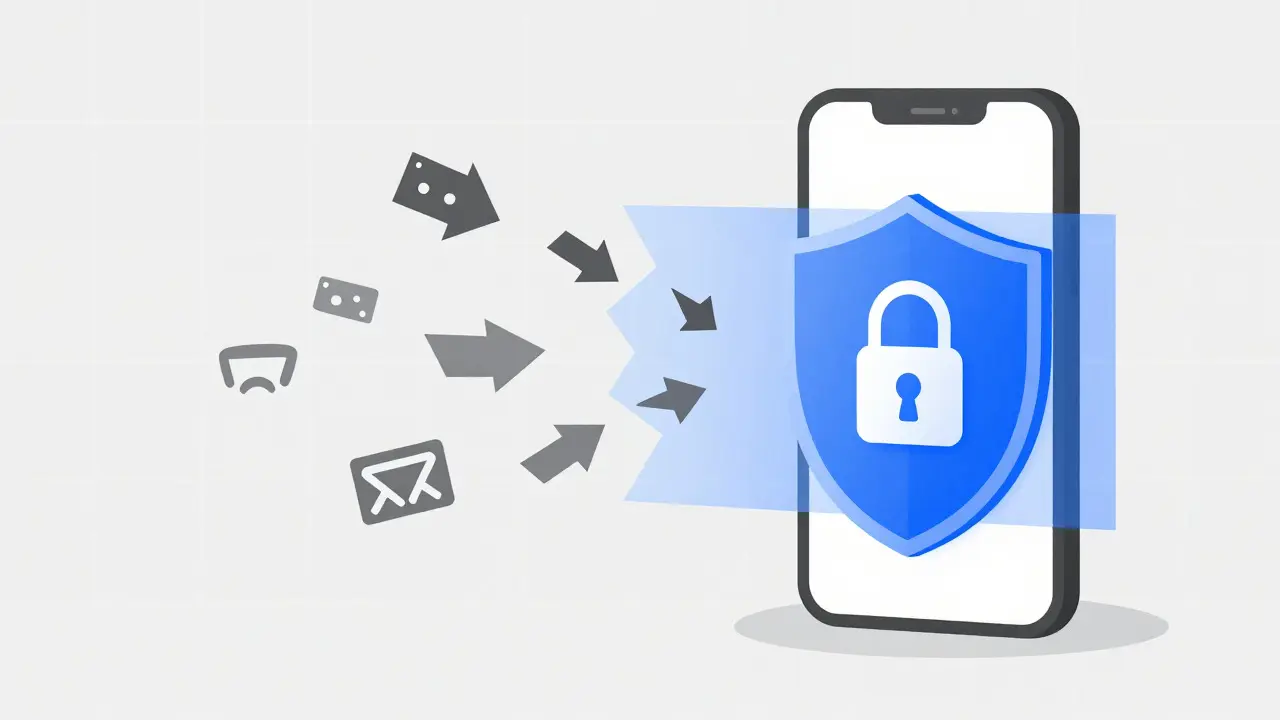
Enter one-time virtual numbers. These are temporary phone numbers you can use to verify accounts without exposing your real mobile line. They act as a shield between your personal identity and the endless web of subscriptions trying to hook you. By using these disposable numbers, you break the direct link between your main phone number and recurring billing cycles, giving you more control over what gets charged and how easily you can disconnect.
Why Your Real Number Is a Liability for Subscriptions
We’ve been trained to think of our phone numbers as static identifiers, like our names or social security numbers. But in the digital age, your mobile number is actually a high-value asset. Companies want it because SMS verification is one of the most effective ways to reduce fraud and keep users engaged. When you hand over your real number, you’re not just signing up for a service; you’re opening a direct channel for marketing messages, password reset prompts, and, crucially, billing notifications.
The problem arises when you try to leave. Many streaming platforms and app services make cancellation difficult on purpose. They hide the button deep in settings or require you to call customer support. If your account is tied to your primary number, they can still reach you via text or automated calls. Worse, if you lose your phone or switch carriers, you might lose access to two-factor authentication codes needed to manage those very subscriptions. A virtual number service decouples your identity from the transaction. It allows you to create an account, verify it, and then let that number expire or be discarded, leaving no trace back to your main line.
How One-Time Virtual Numbers Work in Practice
The mechanism is surprisingly simple. You visit a provider that offers burner phone numbers or temporary SMS receivers. You select a country code (usually matching the service you’re signing up for) and get a number instantly. You enter this number into the registration form of the streaming platform or app. When the service sends a six-digit verification code, it appears on the website or app of the virtual number provider. You copy-paste the code, and you’re in.
Once verified, the account exists independently. The virtual number has done its job. Depending on the provider, the number might remain active for a few hours, a day, or even a month, after which it returns to the pool for reuse. This lifecycle is key. If the streaming service tries to send a renewal reminder or a "we miss you" coupon via SMS, it goes to a dead end. You aren’t nagged. You aren’t reminded. And critically, you aren’t accidentally re-engaged by a convenient "Click here to restart your trial" link sent to your pocket.
This method doesn’t stop the charge itself-your payment method is still linked-but it removes the psychological triggers and easy-access reminders that often lead to accidental renewals. It forces you to actively log in to manage the subscription, rather than passively responding to notifications.
The Connection Between Verification and Billing Security
There’s a misconception that hiding your phone number hides your money. It doesn’t. However, it significantly reduces the attack surface for unauthorized changes. Many billing disputes start with account takeovers. If a hacker gains access to your email, they often look for other linked identities. Your phone number is a prime target for SIM swapping attacks or social engineering against customer support.
By using a disposable phone number for non-essential services, you limit the data available to attackers. If a streaming service suffers a breach, your primary number isn’t exposed in their database. More importantly, if you decide to cancel a subscription, you can do so without worrying that the company will use your number to harass you into staying. Some aggressive retention teams use automated dialers that persistently call until you speak to an agent. A virtual number absorbs this noise.
Furthermore, some virtual number providers offer features where you can forward texts to your real phone for a limited time. This gives you the best of both worlds: the initial verification works seamlessly, and you can receive critical alerts (like a failed payment) without permanently linking your identity. After the alert period, you can cut the connection entirely.
| Feature | Primary Mobile Number | One-Time Virtual Number | Email-Only Verification |
|---|---|---|---|
| Privacy Level | Low (Exposed to all services) | High (Isolated per service) | Medium (Email can be spammed) |
| Cancellation Difficulty | Hard (Direct contact channel open) | Easier (No SMS reminders) | Variable (Depends on platform) |
| Security Risk | High (SIM swap/Social engineering) | Low (Number expires/discarded) | Medium (Phishing risk) |
| Cost | Free (Included in plan) | $1 - $5 per number | Free |
| Long-Term Access | Persistent | Temporary/Limited | Persistent |
Choosing the Right Virtual Number Provider
Not all virtual number services are created equal. For subscription management, you need reliability and speed. Free SMS receiver websites often have thousands of users watching the same public inbox. While cheap, they are insecure. Anyone can see the verification code, meaning anyone could potentially hijack your new account. For financial-linked accounts, even low-tier ones, you should avoid public free lists.
Look for providers that offer private, dedicated numbers. These usually cost a small fee, often less than the price of a coffee. Key attributes to check include:
- Geolocation Options: Some streaming services restrict content based on region. Ensure the provider offers numbers from the specific country required by the service (e.g., US numbers for Netflix US trials).
- Duration of Service: Do you need the number for just five minutes to verify, or do you need it for 30 days to receive a welcome packet? Most subscription verifications only need the initial OTP (One-Time Password), so short-term rentals are sufficient.
- Reputation and Uptime: Check recent user reviews. A service that goes down during peak hours can leave you stuck mid-registration.
- No-Log Policies: Since you’re using this for privacy, ensure the provider doesn’t store your SMS history longer than necessary.
Avoid providers that require extensive personal information to rent the number. The goal is anonymity, not another layer of bureaucracy. Services like SMS-Activate, 5sim, or Burner (the app) are popular choices because they balance ease of use with reasonable privacy standards.
Beyond Streaming: Where Else to Use Disposable Numbers
While preventing unwanted streaming charges is a compelling use case, the utility of one-time virtual numbers extends far beyond entertainment. Any service that requires phone verification but offers little long-term value is a candidate for a burner number.
Consider online marketplaces. When buying or selling used goods, you don’t necessarily want the stranger picking up the item to have your permanent contact info. A virtual number allows for transaction-specific communication. Once the deal is done, the number dies with it.
Dating apps are another major source of spam and harassment. Using a secondary number protects your primary line from unwanted texts after a bad date. Similarly, job applications often ask for phone numbers. Recruiters may sell these lists to headhunters or telemarketers. A virtual number keeps your career search contained.
Even government forms or non-profit sign-ups can be risky. Data breaches happen everywhere. By segmenting your digital identity, you ensure that if one sector is compromised, your entire personal network remains intact.
Potential Pitfalls and How to Avoid Them
Using virtual numbers isn’t foolproof. There are scenarios where this strategy can backfire if not managed correctly. The biggest risk is losing access to the account entirely. If a streaming service requires SMS verification every time you log in from a new device, and your virtual number has expired, you’re locked out. You won’t be able to cancel the subscription, nor will you be able to watch your content.
To mitigate this, always check the service’s login requirements before committing. If two-factor authentication (2FA) is mandatory and tied to SMS, consider using an authenticator app (like Google Authenticator or Authy) instead of SMS for 2FA, and reserve the virtual number solely for the initial signup verification. Many modern services allow you to switch 2FA methods after registration.
Another pitfall is the "recycled number" problem. Since virtual numbers are returned to a pool, someone else might get your old number next week. If your account is still active and linked to that number, the new owner could potentially request a password reset. To prevent this, ensure you change your password to something unique and strong immediately after signup, and enable email-based recovery options if available.
Finally, be aware that some premium services detect and block known virtual number ranges. Telecom operators flag VoIP (Voice over IP) numbers differently from traditional cellular lines. If a service rejects your virtual number, it’s likely due to fraud prevention algorithms. In these cases, you may need to use a different provider or a higher-tier "mobile-like" virtual number that mimics cellular signals.
Building a Sustainable Subscription Management System
Virtual numbers are a tool, not a complete solution. To truly prevent unwanted charges, you need a system. Combine your disposable numbers with a dedicated payment method. Consider getting a prepaid debit card or a separate credit card used exclusively for subscriptions. Load it with a fixed amount each month.
When you combine a virtual number (for privacy and reduced nagging) with a capped payment method (for financial hard limits), you create a robust defense. If a subscription sneaks through, it hits the cap and stops. It doesn’t drain your main checking account. You can monitor this single card weekly, knowing exactly what’s being charged.
This approach shifts the burden from memory to mechanics. You don’t have to remember to cancel. The system cancels for you by design. As we move further into 2026, with AI-driven personalized ads and increasingly aggressive retention tactics, protecting your digital perimeter is no longer optional-it’s essential for financial hygiene.
Are one-time virtual numbers legal to use for subscriptions?
Yes, using virtual numbers is perfectly legal in most countries, including the US, UK, and Australia. They are standard telecom products provided by licensed carriers. However, using them to commit fraud (like stealing services) is illegal. For legitimate privacy and subscription management, they are safe and widely accepted.
Can I use a free virtual number for banking or important accounts?
It is generally not recommended. Free public virtual numbers are often shared among many users, making them insecure. Banks and critical services also frequently block VoIP numbers due to higher fraud risks. Reserve free virtual numbers for low-stakes sign-ups like forums or newsletters, and use paid, private numbers for anything involving personal data or payments.
What happens if my virtual number expires while I still have an active subscription?
If the service only uses the number for initial verification, nothing happens. You can continue using the service normally. However, if the service requires SMS for two-factor authentication or password resets, you may lose access to the account. To avoid this, update your recovery options to email or an authenticator app shortly after signing up.
Do streaming services know if I’m using a virtual number?
Many large streaming services can detect VoIP numbers. They may accept them for sign-up but block them for 2FA, or vice versa. Some services explicitly ban virtual numbers in their terms of service to prevent mass account creation. If you encounter issues, try a provider that offers "mobile-class