14
Cross-Cultural Romance in Cinema: How Language, Distance, and Identity Shape Love Stories

Have you ever watched a movie where the tension didn't come from explosions or villains, but from two people trying to understand each other across a gap? That gap might be an ocean, a time zone, or simply a language neither speaker fully masters. Cross-cultural romance is a genre of film that explores romantic relationships between individuals from different cultural backgrounds, often highlighting conflicts arising from tradition, language, and geography. These stories are not just about love; they are about the friction of meeting someone whose world operates on different rules.
In recent years, this genre has moved beyond simple stereotypes. It now tackles complex issues like digital intimacy, immigration status, and the loss of self when falling for someone who doesn't share your history. Whether you are a film student analyzing narrative structures or a viewer looking for your next emotional ride, understanding how these elements work together reveals why we keep watching them.
The Barrier of Words: Language as a Plot Device
Language is more than communication in these films; it is a character itself. When two protagonists speak different languages, the screenwriters have to find new ways to show connection. Often, the lack of shared vocabulary creates humor, frustration, or profound silence. Think about scenes where a misunderstanding leads to a comedic mishap, or where a single word said in a native tongue carries a weight that translation strips away.
Filmmakers use subtitles not just as a tool for the audience, but as a barrier for the characters. In many modern cross-cultural romances, one partner learns the other's language slowly. This process mirrors their growing intimacy. Every new word learned is a step closer to understanding not just what the other person says, but how they think. The struggle with grammar becomes a metaphor for the struggle to fit into another’s life.
Consider the impact of accent and dialect. A heavy accent can signal outsider status, creating social tension in public spaces. Conversely, speaking fluently in a partner’s language can be an act of devotion. Some films highlight the power imbalance when one partner speaks the dominant global language (like English) while the other does not. This dynamic adds layers of vulnerability and dependency that pure dialogue cannot capture.
- Silent Communication: Films often rely on body language, eye contact, and touch when words fail, forcing actors to convey emotion without speech.
- Misunderstandings: Comedic or dramatic errors in translation drive plot twists, revealing hidden motives or fears.
- Code-Switching: Characters may switch languages depending on who is present, showing the duality of their identities.
Bridging the Gap: Distance and Digital Intimacy
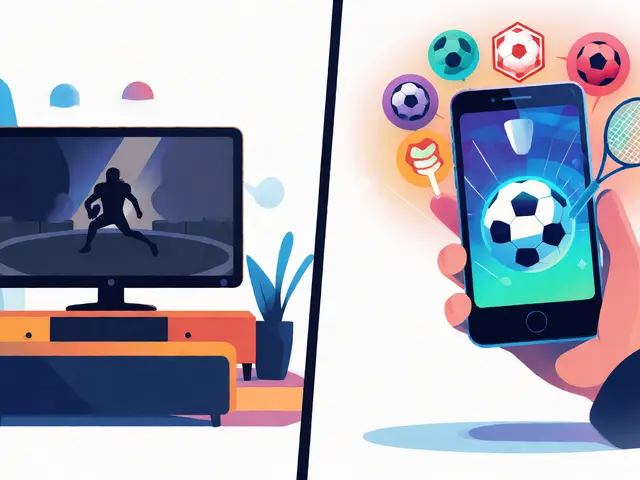
Distance used to mean letters and expensive phone calls. Today, distance means pixelated video chats, lagging connections, and the eerie feeling of touching a screen instead of skin. Cross-cultural romance films have evolved to reflect this reality. The "long-distance" trope is no longer just about geography; it is about the technological mediation of love.
The camera often frames characters through screens-laptops, smartphones, tablets. This visual choice emphasizes isolation. You see the loneliness of eating dinner alone while your partner eats miles away. You see the frustration of dropped calls during crucial conversations. These technical glitches become metaphors for the fragility of the relationship. They remind us that despite being "connected," we are still physically apart.
Time zones add another layer of complexity. One character’s morning is another’s night. This asynchronous living forces partners to sacrifice sleep, social lives, or career opportunities to maintain contact. Films explore the emotional toll of this imbalance. Who sacrifices more? Who feels left behind? These questions create realistic stakes that resonate with anyone who has ever loved someone far away.
| Era | Primary Medium | Narrative Focus | Emotional Tone |
|---|---|---|---|
| 1990s-2000s | Phone Calls / Letters | Anticipation and Patience | Romantic Idealism |
| 2010s | Email / Instant Messaging | Identity Exploration | Anxiety and Hope |
| 2020s-Present | Video Chat / Social Media | Digital Presence vs. Physical Absence | Realistic Struggle |

Who Am I Now? Identity and Cultural Conflict
Love changes you, but loving someone from a different culture can reshape your entire sense of self. This is the core conflict in many cross-cultural romances. It is not just about "us against the world"; it is about "me versus my past." Characters often face pressure from family, community, or internalized expectations to conform to traditional roles.
Food is a powerful symbol here. Sharing a meal is an act of acceptance. Rejecting a dish can be a rejection of the partner’s heritage. Scenes centered around cooking or dining often reveal deep-seated prejudices or moments of breakthrough. The kitchen becomes a battleground for cultural negotiation.
Religion and rituals also play significant roles. Weddings, funerals, and daily prayers are markers of identity. When partners navigate these events, they must decide how much to participate, how much to observe, and how much to adapt. These decisions define the boundaries of their relationship. Do they merge traditions? Do they keep them separate? Or do they create something entirely new?
Furthermore, the concept of "home" becomes ambiguous. If one partner moves to the other’s country, they lose their support network. They become immigrants in every sense. Films depict the loneliness of being surrounded by strangers who speak a language you barely understand. This displacement adds depth to the romance, making the love story a survival story as well.
Visual Storytelling: Color, Setting, and Symbolism
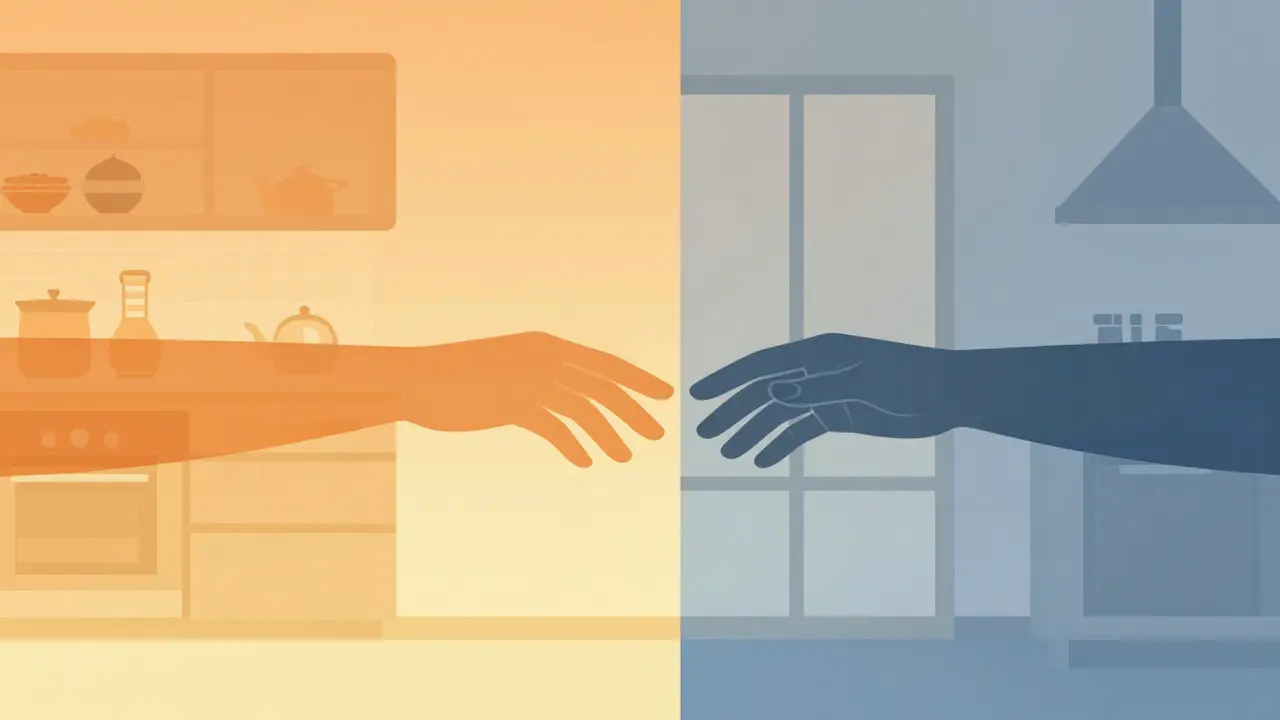
Cinematography in cross-cultural romances is rarely accidental. Directors use color palettes to distinguish between cultures. One character’s world might be warm, golden, and chaotic, while the other’s is cool, blue, and orderly. As the relationship progresses, these colors often blend, visually representing the merging of lives.
Settings act as characters too. Bustling markets contrast with quiet suburbs. Ancient temples stand next to modern skyscrapers. These juxtapositions highlight the differences the couple must bridge. The architecture reflects the societal structures they navigate-rigid hierarchies versus open freedoms, collectivism versus individualism.
Symbolism often revolves around objects that travel between worlds. A photograph, a piece of jewelry, or a book passed back and forth serves as a tangible link. These objects carry memory and meaning. They are reminders of the bond when the physical presence is missing. Visual motifs like water (rivers, oceans, rain) frequently symbolize both separation and cleansing.
Why We Watch: Empathy and Self-Reflection
Why do we invest so much emotionally in these stories? Because they allow us to experience empathy safely. We step into shoes we never wear. We feel the sting of prejudice, the joy of discovery, and the pain of separation without facing the real-world consequences. These films challenge our biases and expand our definition of "normal."
They also serve as mirrors. Many viewers see their own struggles reflected in the characters’ dilemmas. The fear of losing oneself, the difficulty of communication, the longing for connection-these are universal human experiences. By framing them within a cross-cultural context, filmmakers amplify the stakes and make the emotions more vivid.
Moreover, these narratives offer hope. They suggest that love can transcend borders, whether political, linguistic, or social. They celebrate diversity and resilience. In a world increasingly divided by ideology, cross-cultural romances remind us of our shared humanity. They teach us that understanding requires effort, but the reward is worth it.
Modern Trends and Future Directions
The genre is evolving rapidly. Gone are the days of exoticizing foreign cultures or relying on simplistic tropes. Modern audiences demand authenticity. Filmmakers are collaborating with writers from diverse backgrounds to ensure accurate representation. Accents are respected, not mocked. Traditions are portrayed with nuance, not caricature.
There is also a rise in non-Western perspectives. Films from Asia, Africa, and Latin America are gaining global traction. These stories center local cultures rather than viewing them through a Western lens. This shift broadens the scope of cross-cultural romance, introducing new dynamics and conflicts.
Technology continues to shape the narrative. Virtual reality, augmented reality, and AI companionship are emerging themes. How will love evolve when physical presence is optional? Will digital avatars replace long-distance calls? These futuristic explorations promise to keep the genre fresh and relevant for years to come.
What makes a cross-cultural romance film successful?
A successful cross-cultural romance balances authentic cultural details with universal emotional truths. It avoids stereotypes, respects both cultures equally, and focuses on the characters' internal growth as much as their external challenges. The chemistry between leads must feel genuine despite the barriers they face.
How do filmmakers handle language barriers without boring the audience?
Filmmakers use visual storytelling, music, and subtitles creatively. They focus on the emotional subtext rather than literal translation. Humor derived from misunderstandings keeps the tone light, while poignant silences emphasize connection. The key is to make the language barrier a source of drama, not exposition.
Are cross-cultural romances realistic representations of real-life relationships?
While dramatized for effect, they capture core truths about communication, compromise, and identity. Real-life cross-cultural couples face similar issues with family approval, cultural integration, and logistical hurdles. However, films often compress timelines and intensify conflicts for narrative impact.
What role does family play in these films?
Family often acts as the primary antagonist or obstacle. They represent tradition, duty, and societal expectations. Conflicts with parents or relatives force protagonists to choose between loyalty to their roots and commitment to their partner. Resolving these tensions is usually central to the climax.
How has technology changed the portrayal of long-distance love in cinema?
Technology has shifted the focus from anticipation to immediacy. Instead of waiting for letters, characters deal with instant connectivity and its pitfalls. Video calls reveal awkward silences and background distractions, making the distance feel more visceral and less romanticized than in earlier eras.