23
ESPN+ Streaming Quality in 2026: Bitrate, Resolution, and Device Support Guide
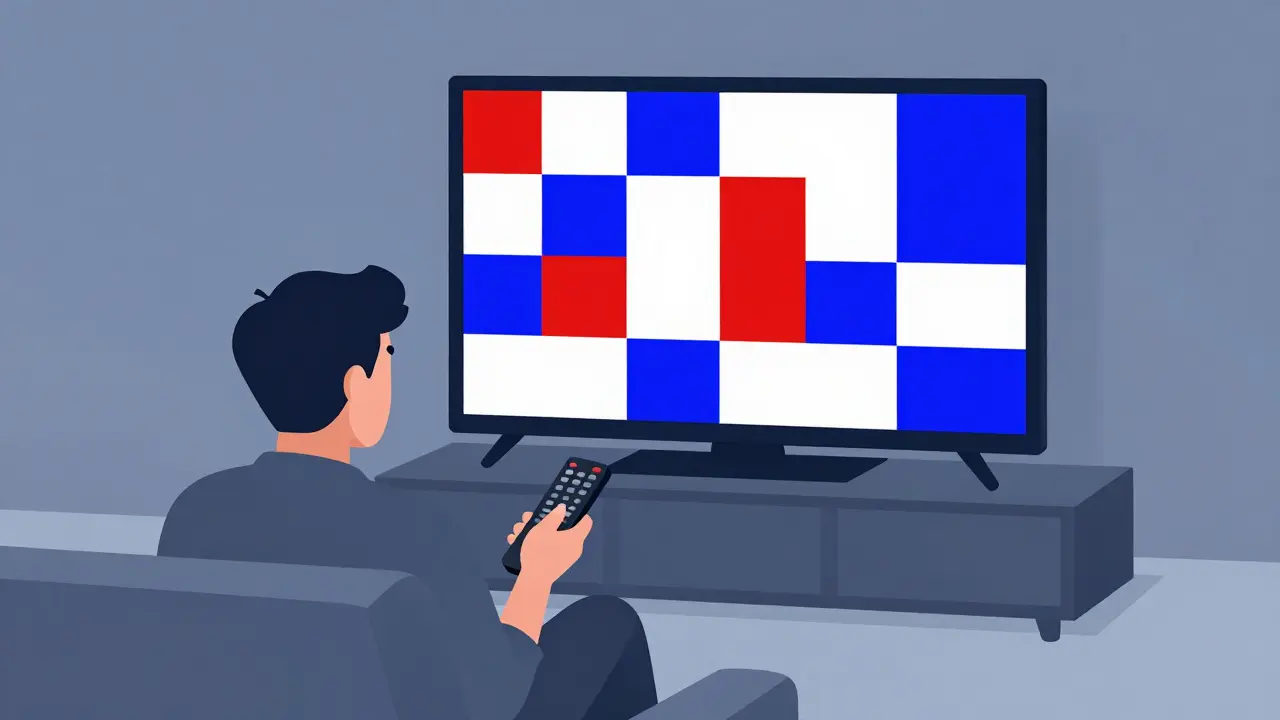
You hit play on a live NBA game or a crucial soccer match, only to watch the image freeze into a mosaic of pixels. It’s frustrating, especially when you’re paying for premium sports coverage. If you are wondering why your ESPN+ is a digital subscription service that provides exclusive access to live sports events, original documentaries, and on-demand content stream looks muddy compared to cable TV, you aren’t imagining things. The reality of modern streaming involves complex trade-offs between bandwidth, server load, and device capabilities.
In 2026, the landscape has shifted slightly. While platforms promise "4K" and "Ultra HD," the actual data delivered to your screen often tells a different story. This guide breaks down exactly what you get with ESPN+, how it compares to the rest of the Disney Bundle is a combined subscription package offering access to Disney+, Hulu, and ESPN+ at a discounted rate compared to purchasing each service individually, and which devices actually handle the signal best.
Understanding ESPN+ Video Resolution and Bitrate
Let’s get straight to the numbers. Most people assume that if a platform supports 4K, everything plays in 4K. That is simply not true for ESPN+. Currently, the maximum video resolution available on ESPN+ is 1080p is Full High Definition video resolution with dimensions of 1920x1080 pixels, considered the standard for high-quality television broadcasting. You will not find native 4K streams for live sports on this specific app, despite some promotional materials for the broader Disney ecosystem hinting at higher tiers elsewhere.
The real secret sauce isn't just resolution; it's bitrate. Bitrate determines how much data is processed per second. A higher bitrate means less compression, fewer artifacts (those blocky squares during fast motion), and better color accuracy. On ESPN+, the adaptive bitrate typically ranges from 3 Mbps is Megabits per second, a unit of data transfer rate used to measure internet speed and streaming quality for standard definition up to roughly 8 Mbps is A higher data transfer rate allowing for smoother video playback and better image fidelity during dynamic scenes for 1080p. Compare this to traditional cable or satellite feeds, which can push 20-40 Mbps, and you see where the quality gap lies.
Why does it fluctuate? Because ESPN+ uses an adaptive bitrate streaming protocol. Your internet connection might be stable, but the server load during a Super Bowl or a World Cup final spikes dramatically. The system automatically lowers the bitrate to prevent buffering, sacrificing visual clarity to keep the game moving. This is why a tennis match on a Tuesday afternoon looks crisp, while a UFC pay-per-view main event might look soft.
The Disney Bundle Factor: Does It Improve Quality?
Many users subscribe via the Disney Bundle is A bundled subscription model that combines Disney+, Hulu, and ESPN+ services to offer cost savings and integrated user experience. There is a common misconception that bundling these services upgrades the technical infrastructure for ESPN+. It doesn’t. The backend servers and encoding pipelines for ESPN+ remain distinct from those powering Disney+ movies or Hulu originals.
However, the bundle does affect your viewing habits. When you switch between apps, the authentication tokens and network requests happen faster because they share the same login ecosystem. But visually? No change. If you want the absolute highest fidelity for sports, you are still limited by ESPN+'s cap. Conversely, if you switch to Disney+ for a Marvel movie, you might get access to their newer Dolby Vision implementations, which do push higher bitrates. Don't expect that luxury on the ESPN+ dashboard.
Device Support: Where You Watch Matters
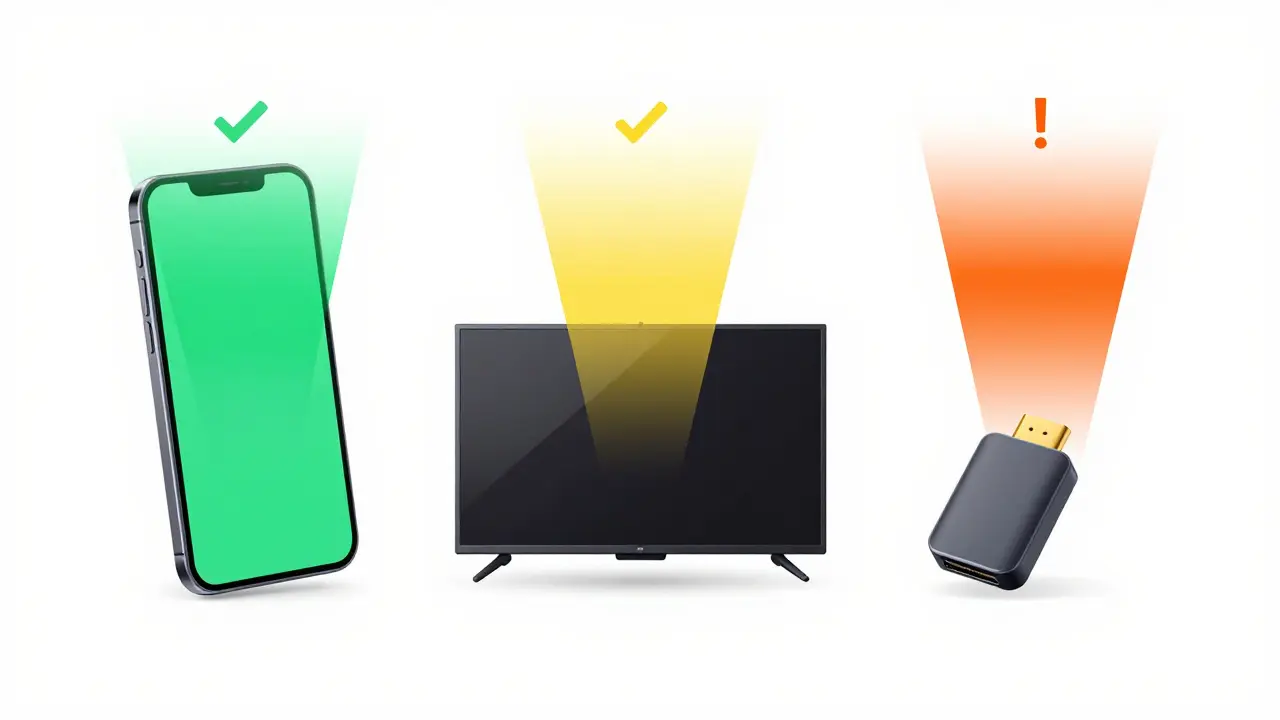
Your screen is the final bottleneck. An iPhone 15 Pro Max can decode video far more efficiently than a budget smart TV from five years ago. Here is how ESPN+ performs across the most common devices in 2026.
| Device Category | Max Resolution Supported | Typical Bitrate Stability | Common Issues |
|---|---|---|---|
| Smart TVs (Samsung/LG) are Internet-connected televisions running proprietary operating systems like Tizen or webOS that host streaming applications | 1080p | Moderate | App crashes during high traffic; occasional audio sync issues |
| Streaming Sticks (Fire TV/Roku) are Small HDMI dongles that connect to televisions to provide internet streaming capabilities and app access | 1080p | High | Dependent on Wi-Fi signal strength; older models struggle with decoding |
| Mobile Devices (iOS/Android) are Portable smartphones and tablets capable of downloading native streaming applications for on-the-go viewing | 1080p | Very High | Battery drain; cellular data limits may force lower quality |
| Web Browsers (Chrome/Firefox) are Software applications used to access and display web content including HTML5-based video players | 720p - 1080p | Variable | Browser tabs consume RAM; background processes cause stuttering |
If you are watching on a Smart TV, ensure your app is updated. The native apps on Samsung Tizen and LG WebOS have improved significantly in 2026, but they still rely heavily on the TV's internal processor. For the smoothest experience, many enthusiasts prefer using a dedicated streaming stick like an Amazon Fire TV Stick 4K or Roku Ultra. These devices have dedicated hardware decoders that take the strain off your TV's main CPU, resulting in fewer frame drops during fast-paced action sequences.
Mobile users have it easiest regarding stability. Modern chips in iPhones and Android flagships handle H.265 (HEVC) compression effortlessly. However, if you are on a cellular network, the app will aggressively downgrade quality to save data unless you toggle off "Cellular Data Limitations" in the settings.
Connection Requirements: More Than Just Speed
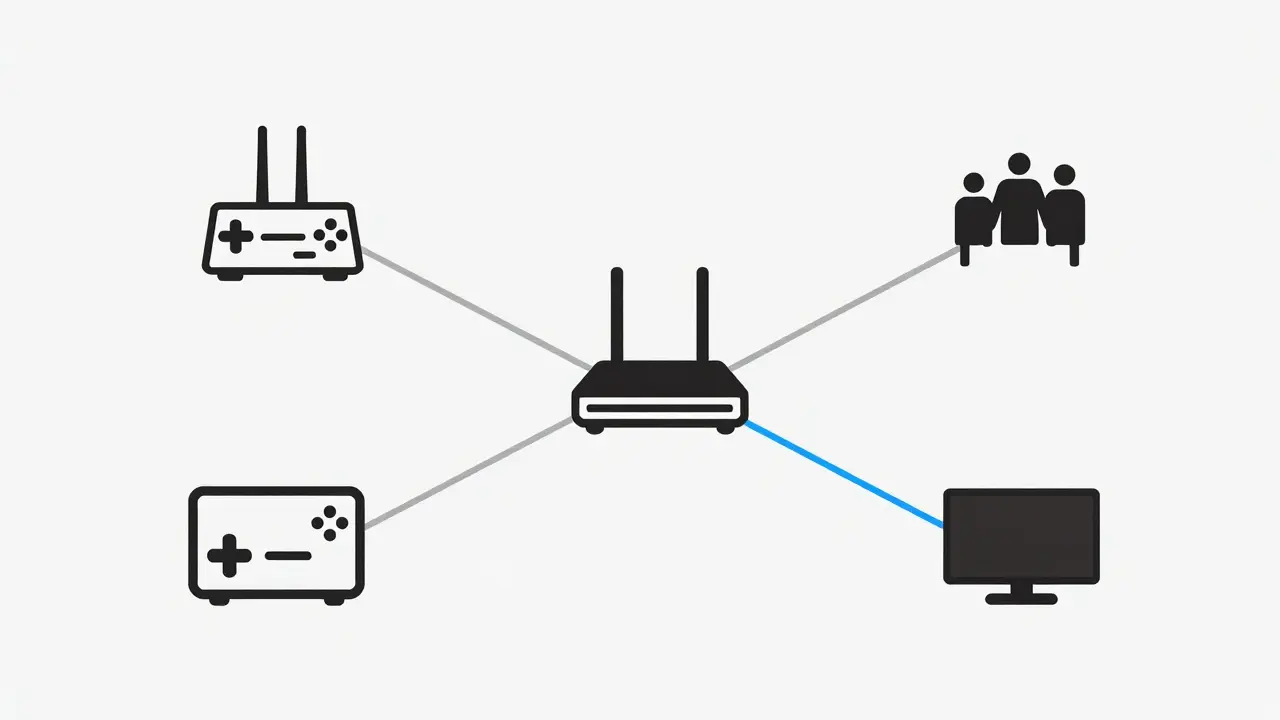
ESPN+ officially recommends a minimum download speed of 5 Mbps is The baseline internet speed required for stable standard definition streaming without frequent buffering interruptions for SD and 15 Mbps is The recommended internet speed for consistent high definition streaming performance for HD. But here is the catch: that is for a single stream. If your partner is gaming on PC and someone else is watching Netflix in 4K, your 100 Mbps plan might feel like 10 Mbps.
Latency is another hidden killer. Even if your bandwidth is high, high ping times to the CDN (Content Delivery Network) nodes can cause initial buffering delays. Living in Brisbane, I’ve noticed that local CDNs handle Australian traffic well, but international users sometimes route through distant servers, adding lag. To test your true readiness, run a speed test specifically looking for jitter. Low jitter means a steady stream; high jitter means intermittent stutters even if your average speed looks good.
Troubleshooting Poor Stream Quality
If your ESPN+ feed looks terrible, don't immediately blame the service. Follow this checklist:
- Check your DNS settings. Sometimes default ISP DNS servers are slow. Switching to Google DNS (8.8.8.8) or Cloudflare (1.1.1.1) can reduce lookup times and improve stream initialization.
- Use Ethernet over Wi-Fi. If you are watching on a TV or laptop, plug it in. Wi-Fi interference from neighbors' networks is the number one cause of pixelation in apartment buildings.
- Clear the app cache. On mobile and Android TV, old temporary files can corrupt the video player. Force stop the app and clear its data before restarting.
- Lower the resolution manually. Counterintuitively, forcing the app to play in 720p instead of Auto can sometimes yield a cleaner picture because the encoder prioritizes stability over sharpness at that tier.
Comparing ESPN+ to Competitors
How does ESPN+ stack up against other major sports streamers? Let’s look at the technical specs side-by-side.
| Service | Max Resolution | HDR Support | Avg. Bitrate (HD) |
|---|---|---|---|
| ESPN+ | 1080p | No | 5-8 Mbps |
| Peacock Premium is NBCUniversal's streaming service offering live sports including Premier League and WWE events | 4K (Select Events) | Yes (Dolby Vision) | 10-15 Mbps |
| Paramount+ is ViacomCBS's streaming platform featuring UEFA Champions League and select NFL games | 4K (Select Events) | Yes | 12-18 Mbps |
| YouTube TV is A live television streaming service that includes major broadcast networks and cable channels like ESPN | 1080p | No | 8-10 Mbps |
As you can see, ESPN+ lags behind Peacock and Paramount+ in terms of raw technical capability. Those competitors are investing heavily in HDR (High Dynamic Range) and 4K for flagship events. ESPN+ remains a volume-play service, focusing on breadth of content rather than bleeding-edge video engineering. If visual fidelity is your top priority, YouTube TV (which carries the linear ESPN channel) might offer a slightly more robust feed, though it comes at a higher monthly price point.
Future Outlook: What’s Coming in Late 2026?
Rumors suggest that Disney is testing a new codec called AV1 for its streaming portfolio. AV1 offers up to 30% better compression efficiency than the current HEVC standard. If ESPN+ adopts this, we could see 1080p streams that look as good as today’s, but use half the bandwidth. This would be a massive win for users with slower internet connections or capped data plans. Keep an eye on app updates in the coming months-this transition is likely already in beta testing.
Does ESPN+ support 4K streaming?
No, ESPN+ currently caps video resolution at 1080p. Unlike some competitors such as Peacock or Paramount+, ESPN+ does not offer 4K Ultra HD streams for any of its live sports or on-demand content as of 2026.
Why does my ESPN+ stream buffer constantly?
Buffering is usually caused by insufficient bandwidth or high network latency. Ensure you have at least 15 Mbps dedicated to the stream. Using a wired Ethernet connection instead of Wi-Fi, clearing your app cache, and switching your DNS settings to 1.1.1.1 can often resolve persistent buffering issues.
Is the video quality better on the Disney Bundle?
No, subscribing through the Disney Bundle does not technically upgrade the video bitrate or resolution of ESPN+. The streaming infrastructure for ESPN+ operates independently from Disney+ and Hulu, so the visual quality remains the same regardless of how you purchase the subscription.
What is the best device for watching ESPN+?
For the most stable and highest quality experience, dedicated streaming sticks like the Amazon Fire TV Stick 4K or Roku Ultra are recommended. They have powerful processors dedicated to video decoding. Smart TVs are also good, but can suffer from app instability due to shared system resources.
Does ESPN+ support HDR?
Currently, ESPN+ does not support High Dynamic Range (HDR) formats like Dolby Vision or HDR10. All streams are delivered in standard dynamic range (SDR), which limits contrast and color depth compared to premium cable broadcasts or other streaming services that have adopted HDR.