5
James Bond Films Ranked: From Sean Connery to Daniel Craig
There is no other character in cinema history who has survived as many reinventions as James Bond, the fictional British secret agent created by Ian Fleming. Since Dr. No hit theaters in 1962, the franchise has become a cultural touchstone, evolving from campy Cold War thrillers to gritty, grounded action spectacles. But with seven actors having played the role over six decades, not every film hits the mark. Some are masterpieces of tension and style; others feel like missed opportunities or dated relics.
Ranking these films isn't just about nostalgia. It’s about understanding how the definition of a "spy movie" has shifted alongside global politics, audience tastes, and filmmaking technology. Whether you’re a lifelong fan who remembers the first time Sean Connery uttered "Bond, James Bond" or a newcomer drawn in by the visceral intensity of Daniel Craig, this ranking cuts through the noise to identify which entries truly define the legend.
The Modern Era: Gritty Realism and Emotional Depth
The last two decades have been defined by a desire to ground Bond in reality. This shift began tentatively but found its true voice with Daniel Craig. These films prioritize character development and physical stakes over gadgetry and quips.
| Rank | Film | Year | Why It Works |
|---|---|---|---|
| 1 | Casino Royale | 2006 | Reinvented the character as vulnerable and brutal; set the standard for modern espionage. |
| 3 | Skyfall | 2012 | A stylish, emotional homage that questioned Bond's relevance in the digital age. |
| 5 | No Time to Die | 2021 | Provided a definitive, emotionally resonant conclusion to Craig's arc. |
Casino Royale (2006) takes the top spot because it fundamentally changed the trajectory of the franchise. Directed by Martin Campbell, who previously directed GoldenEye, this film stripped away the armor. We see Bond earn his license to kill. The poker scene is a masterclass in tension, relying on psychology rather than explosions. It proved that Bond could be serious without being boring.
Skyfall (2012), directed by Sam Mendes, ranks third because it balanced spectacle with introspection. It wasn’t just about saving the world; it was about saving M (Judi Dench) and validating her life’s work. The cinematography by Roger Deakins remains some of the best in the series, particularly the chase sequence through Istanbul and the final showdown at Skyfall Lodge.
No Time to Die (2021) earns its place at number five by offering closure. After years of speculation, Daniel Craig finally got an ending that felt earned. While the runtime dragged slightly in the middle, the emotional weight of Bond’s sacrifice gives it a significance that pure action films lack.
The Golden Age: Style, Satire, and Spectacle
Before the grit took over, Bond was synonymous with glamour, wit, and larger-than-life villains. This era, dominated by Sean Connery and Roger Moore, established the tropes we still recognize today.
| Rank | Film | Year | Key Strength |
|---|---|---|---|
| 2 | Goldfinger | 1964 | Perfect balance of plot, villain, and iconic imagery; the quintessential Bond film. |
| 4 | From Russia with Love | 1963 | Grounded, tense, and focused on tradecraft rather than gadgets. |
| 7 | On Her Majesty's Secret Service | 1969 | Georg Lazenby’s only outing; surprisingly emotional and dramatic. |
| 8 | Live and Let Die | 1973 | Roger Moore’s debut; energetic, stylish, and culturally relevant. |
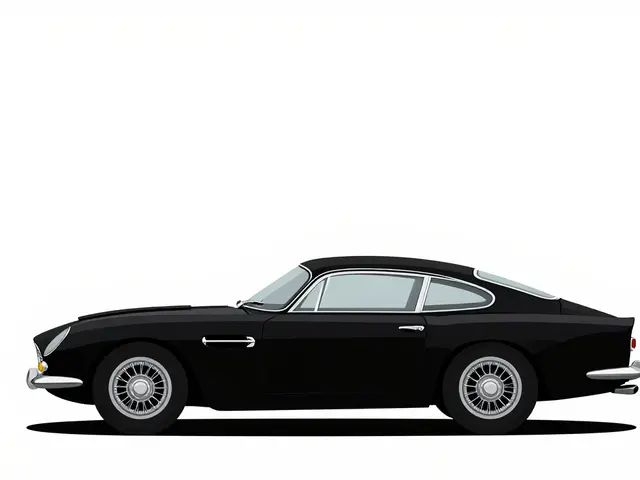
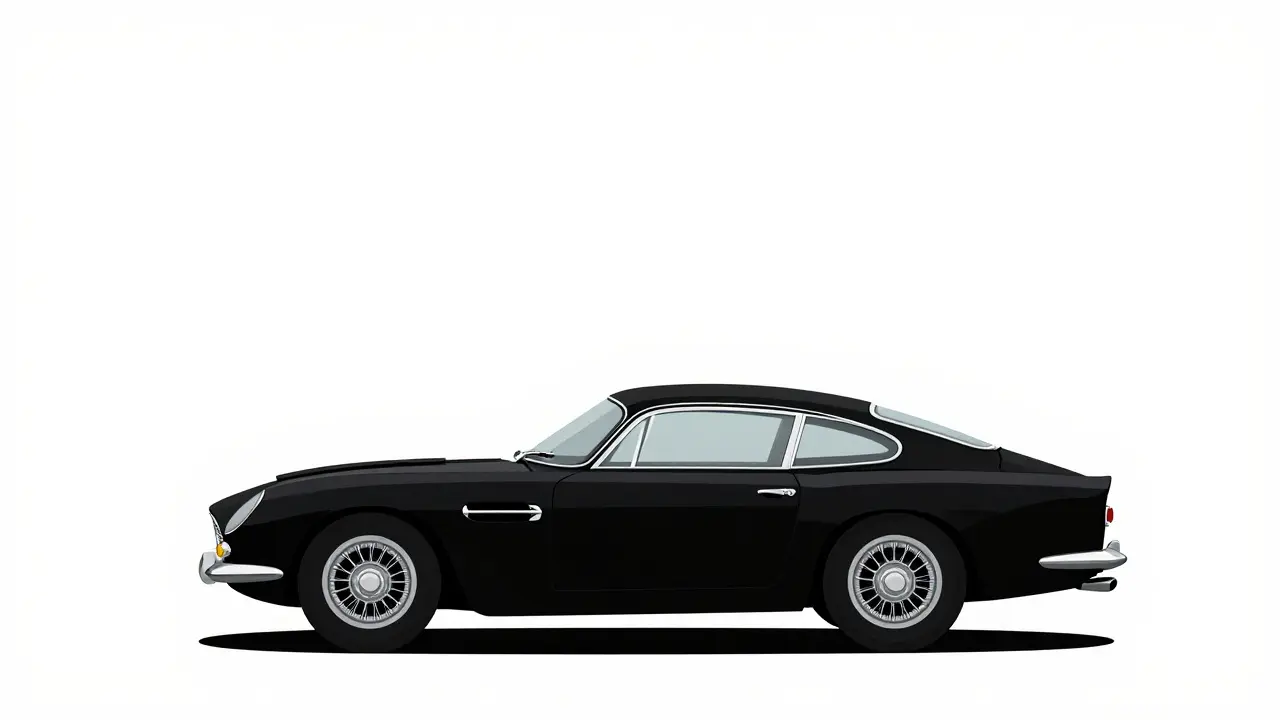
Goldfinger (1964) sits at number two because it perfected the formula. Hans Möller’s direction gave us one of cinema’s greatest villains in Auric Goldfinger (played by Gert Fröbe). The film introduced the Aston Martin DB5, the laser escape scene, and the concept of the "Bond Girl" as a complex character (Pussy Galore). It’s witty, stylish, and endlessly rewatchable.
From Russia with Love (1963) is often cited by fans as the most "authentic" Bond film. Without the bloated budget of later entries, it relied on suspense. The train sequence and the ambush in Istanbul are textbook examples of practical stunts and atmospheric storytelling. It feels like a real spy mission gone wrong.
On Her Majesty's Secret Service (1969) is frequently overlooked but deserves its high ranking. Georg Lazenby brought a raw vulnerability to the role. Watching Bond marry Tracy Di Vicenzo (played by Diana Rigg) and then lose her in the climax added a layer of tragedy that previous films lacked. It proved Bond could be human.
Live and Let Die (1973) marked the transition to Roger Moore. While Moore’s tenure eventually became too campy, his debut was sharp and fast-paced. The opening chase in New Orleans and the soundtrack by Paul McCartney and Wings make it a standout entry from the early 70s.
The Middle Ground: Ambitious but Flawed
Not every Bond film is a masterpiece, nor is every one a disaster. Many fall into a category where strong performances or memorable scenes are undermined by pacing issues, weak plots, or tonal inconsistencies.
- Spectre (2015): Visually stunning with great music by Thomas Newman, but the plot is convoluted and Bond feels more like a tourist than an agent. It ranks 10th due to its production value alone.
- Moonraker (1979): A space opera that leans heavily into sci-fi. While fun, it strays too far from the spy thriller roots. The zero-gravity sex scene is iconic, but the villain’s plan is laughably absurd. Rank: 12.
- Quantum of Solace (2008): Attempted to continue the gritty realism of Casino Royale but suffered from a rushed narrative and lack of emotional connection. The action is good, but the story is forgettable. Rank: 14.
- The Man with the Golden Gun (1974): Features a fantastic villain in Francis Scorsese’s Scaramanga, but the plot is thin. It’s entertaining but lacks depth. Rank: 15.
The Lower Tier: Camp, Confusion, and Missed Opportunities
As the franchise aged, some entries struggled to keep up with changing times or leaned too hard into parody. These films are often remembered for their unintentional humor or outdated sensibilities.
| Rank | Film | Year | Main Criticism |
|---|---|---|---|
| 18 | A View to a Kill | 1985 | Over-the-top villainy and dated special effects; widely considered the weakest Moore film. |
| 19 | The World Is Not Enough | 1999 | Inconsistent tone between thriller elements and cartoonish villain antics. |
| 20 | Diamonds Are Forever | 1971 | Connery’s return was underwhelming; the plot is nonsensical and relies on cheap thrills. |
| 21 | Die Another Day | 2002 | Too reliant on CGI and fantasy elements; lost the grounded feel of Pierce Brosnan’s earlier films. |
A View to a Kill (1985) takes the bottom spot. Christopher Walken’s Max Zorin is committed to his role, but the script treats him like a cartoon character. The destruction of San Francisco is impressive for its time, but the dialogue is cringe-worthy, and the romance feels forced. It represents the peak of the franchise’s decline in the 80s.
The World Is Not Enough (1999) suffers from identity crisis. It tries to be a serious geopolitical thriller with Pierce Brosnan as a brooding hero, but then introduces Robert Brown’s Blofeld-like villain Renard, who electrocutes people for fun. The tonal whiplash makes it hard to take seriously. Rank: 19.
Diamonds Are Forever (1971) is a disappointment after On Her Majesty's Secret Service. Connery returns for the money, and it shows. The plot involves smuggling diamonds through space via satellites, which sounds exciting but plays out as silly. The chemistry between Bond and Tiffany Case is decent, but it can’t save the weak writing. Rank: 20.
Die Another Day (2002) ends the Brosnan era on a high note visually but a low note narratively. The ice palace fight is creative, but the cloning subplot and excessive use of green screen make it feel disconnected from reality. It paved the way for the reboot that followed. Rank: 21.

Where Do the Other Bonds Fit?
What about Timothy Dalton? His two films, The Living Daylights (1987) and Licence to Kill (1989), are often polarizing. Dalton aimed for a darker, more literary interpretation. The Living Daylights is actually quite strong-ranked 11th here-for its tight plotting and lack of gimmicks. Licence to Kill, while violent and personal, feels too much like an action revenge movie, losing the spy element. It ranks 16th.
George Lazenby’s single outing is already discussed. What about David Niven’s Casino Royale (1967)? That film is a standalone comedy spoof and is excluded from this canonical ranking of Eon Productions films.
Final Thoughts on the Legacy
Ranking James Bond films is subjective, but certain patterns emerge. The best films balance style with substance. They give Bond a reason to care beyond duty. Whether it’s the intellectual challenge of Goldfinger, the emotional vulnerability of Casino Royale, or the tragic love of OHMSS, the strongest entries connect with us on a human level.
The franchise survives because it adapts. From the Cold War paranoia of the 60s to the post-9/11 anxiety of the 2000s, each Bond reflects its era. As we look forward to the next actor taking the mantle, these rankings serve as a guide to what works: strong villains, clear stakes, and a Bond who feels both invincible and fragile.
Who played James Bond the most times?
Roger Moore holds the record, appearing in seven official Eon Productions films between 1973 and 1985. Sean Connery and Daniel Craig each appeared in six films.
Is Casino Royale really the best James Bond movie?
Many critics and fans consider Casino Royale (2006) the best because it successfully rebooted the character for a modern audience. It stripped away the campiness and focused on Bond’s origins, making him feel vulnerable and real for the first time.
Why is On Her Majesty's Secret Service so highly rated?
On Her Majesty's Secret Service is praised for its emotional depth. It features Georg Lazenby as Bond and includes a rare marriage storyline. The tragic ending adds a layer of seriousness that few other Bond films attempt.
Which James Bond film has the best villain?
Opinions vary, but Auric Goldfinger from Goldfinger and Silva from Skyfall are often cited as the best. Both villains have personal connections to Bond, raising the stakes beyond simple world domination.
Are there any non-Eon James Bond films included in this ranking?
No, this ranking focuses exclusively on the official Eon Productions canon starring Sean Connery, George Lazenby, Roger Moore, Timothy Dalton, Pierce Brosnan, and Daniel Craig. Standalone films like the 1967 Casino Royale or Never Say Never Again are excluded.