Movie Criticism: Understand Film Reviews, Theories, and What Makes a Movie Stick
When you hear movie criticism, the thoughtful analysis of films beyond just whether they’re good or bad. Also known as film analysis, it’s the quiet conversation that happens after the lights come up—why that scene made you shiver, why the ending felt wrong, or why a character stuck with you for weeks. It’s not about rating movies on a scale of one to ten. It’s about digging into how stories are built, who gets to tell them, and what they reveal about the people watching.
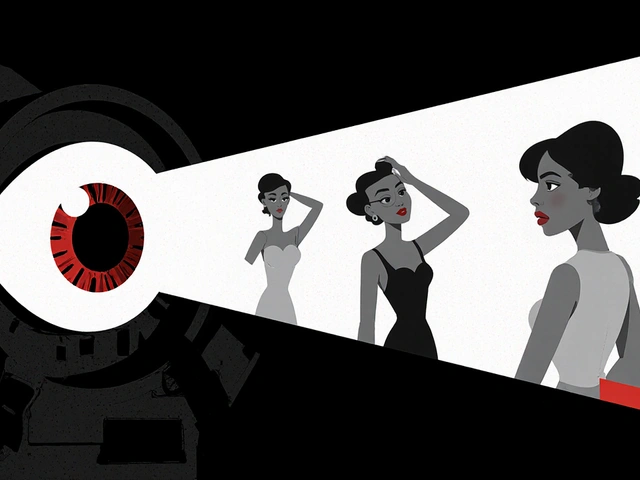
Film theory, the framework that helps us decode how movies work on a deeper level is at the heart of real movie criticism. Think of Laura Mulvey’s male gaze, the idea that films often show women through the eyes of a heterosexual male viewer—it changed how we see everything from action movies to rom-coms. Or unreliable narrators, characters who twist the truth, forcing us to question what’s real, like in Rashomon or Shutter Island. These aren’t just academic ideas. They’re tools you use every time you wonder why a movie felt different than the trailer promised.
Movie criticism also connects to how films are made and who gets to make them. A director like Darren Aronofsky doesn’t just tell stories—he builds worlds out of obsession and anxiety, and critics notice that. A film like The Graduate didn’t just entertain—it captured a generation’s loneliness, and that’s why it still matters. Even the way a movie is released—on a streaming platform, in theaters, during awards season—shapes how we judge it. Critics don’t just review plots. They review context.
You’ll find posts here that don’t call themselves "criticism" but act like it. A review of Raiders of the Lost Ark doesn’t just say it’s fun—it explains why its pacing and practical effects became the blueprint for adventure films. A piece on Groundhog Day doesn’t just call it funny—it shows how a time loop became a quiet lesson in becoming a better person. Even a breakdown of horror ratings dives into how fear works without blood, and why PG-13 scares can linger longer than R-rated gore.
This isn’t a list of reviews. It’s a collection of moments when someone looked past the surface and asked: Why does this matter? What does it say about us? How was it made to make us feel this way? You’ll walk away not just knowing which movies to watch—but how to think about them when you do.

25
How to Write Film Reviews Without Spoilers: Pro Techniques Used by Critics
Learn how professional film critics write reviews without spoiling key plot twists. Discover practical techniques to protect the viewing experience while still delivering powerful insights.
Latest Posts

Popular Posts
-
 Comparing Ratings Systems: Which One Predicts Your Enjoyment Best?
-
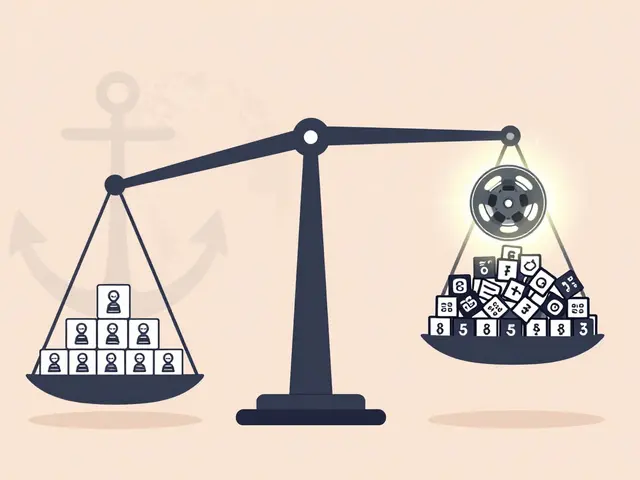 IMDb’s Weighted Rating Formula: The Math Behind Movie Scores
-
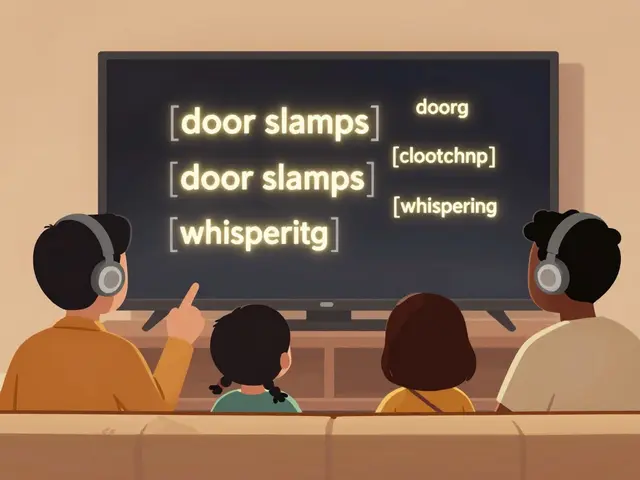 Paramount+ Accessibility: Captions, Dubbing, and Audio Description
-
 Visual Examples in Text: How to Describe Shots and Edits Clearly
-
 What Makes Great Acting: The Invisible Art on Screen