7
Crash Review: The Controversial Best Picture Winner Explained
The 2005 Academy Award for Best Picture went to Crash-a film that still divides audiences nearly two decades later. It beat out heavyweights like King Kong, Memories of a Geisha, and Walk the Line. But why? And why does it still spark arguments today? This isn’t just about film technique. It’s about race, coincidence, and whether a movie can force you to feel something you’d rather ignore.
What Crash Actually Is
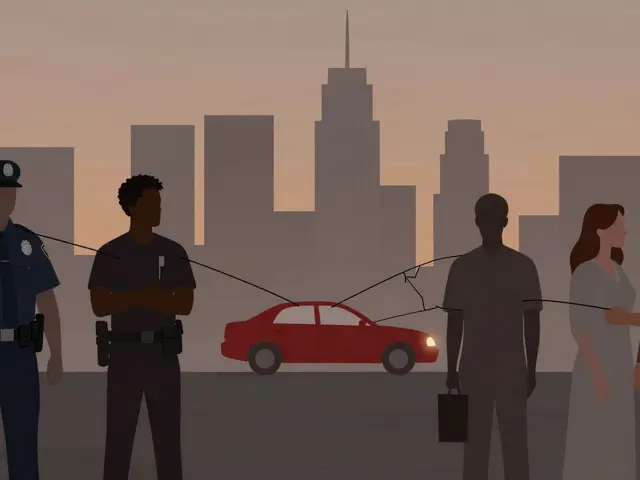
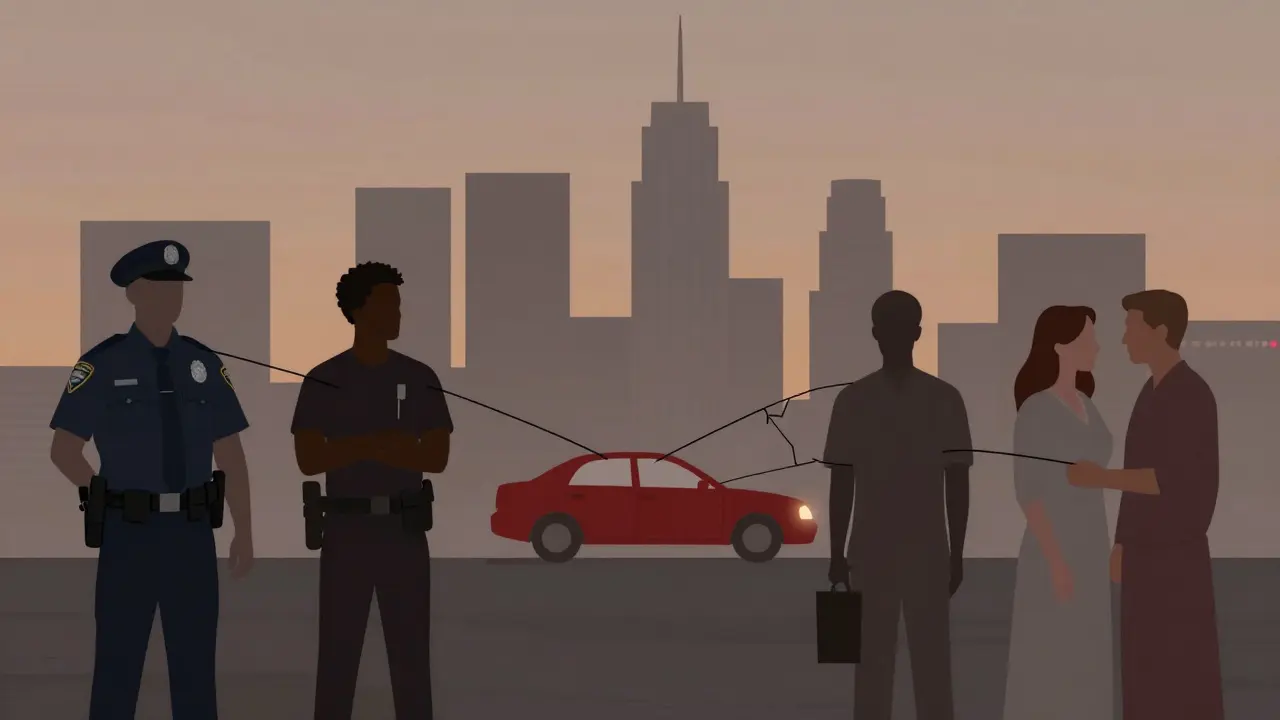
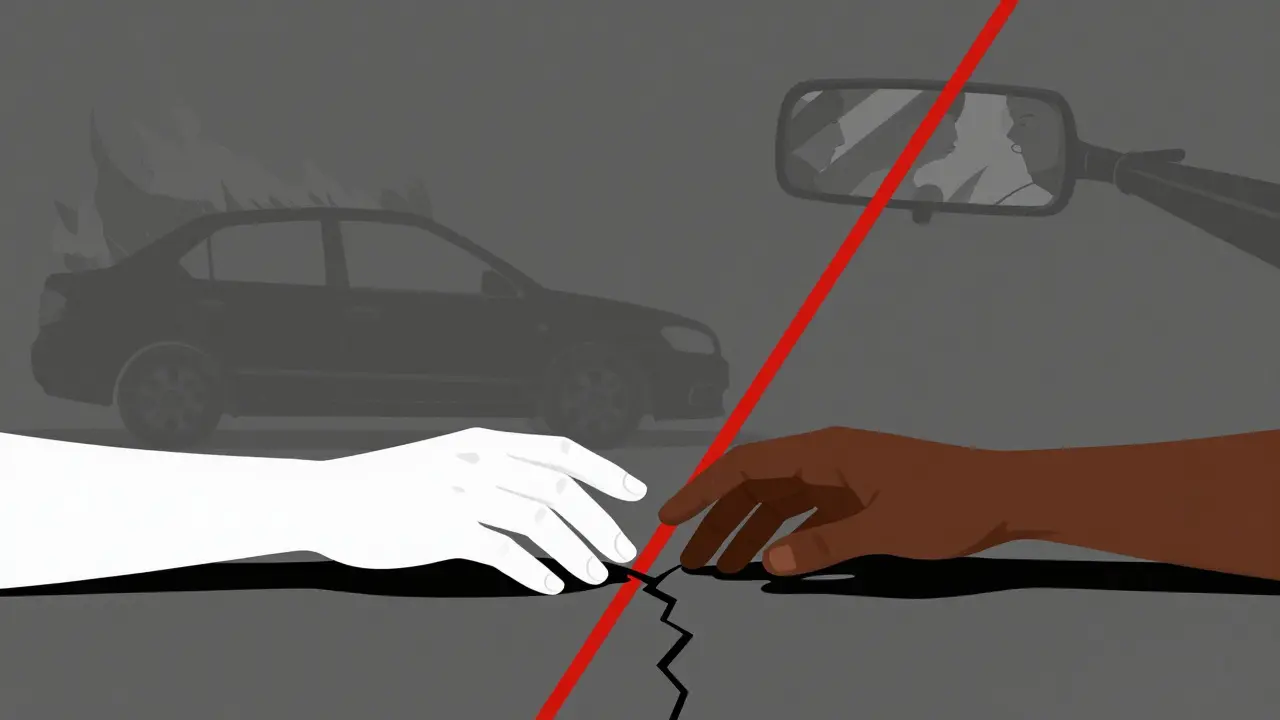
Crash is a 2004 American drama directed by Paul Haggis, who also wrote the script. It weaves together multiple storylines set in Los Angeles over a 36-hour period. Each character-police officers, a black film director, a Persian shop owner, a white district attorney, and his wife-collides with others in ways that expose hidden biases, fear, and moments of unexpected humanity. The film doesn’t offer clean heroes or villains. Instead, it shows how prejudice lives in small gestures: a hand on a car door, a delayed 911 call, a glance in a rearview mirror.
The structure is deliberate. Scenes loop back on themselves. A character you hate in Act One might save your life in Act Three. One of the most talked-about moments involves a white police officer, John Ryan, who searches a Black woman’s car during a traffic stop. He humiliates her, touches her inappropriately, and calls her a racial slur. Later, he’s the one who risks his life to pull her from a burning car after a crash. No redemption arc. No apology. Just raw, messy humanity.
Why It Won Best Picture
At the 78th Academy Awards, Crash won over Good Night, and Good Luck, a film many critics called more artistically daring. Why? Because voters responded to its emotional punch. It didn’t ask you to think-it asked you to feel. The Academy has a history of rewarding films that make audiences cry, squirm, or confront uncomfortable truths. Crash did all three.
It also came at a time when American cinema was still processing 9/11 and rising racial tensions. Post-9/11, audiences craved stories that showed how fragile social bonds had become. Crash tapped into that. It wasn’t subtle. It was loud, messy, and often manipulative. But it felt urgent.
The win was also a victory for the film’s marketing machine. Lionsgate spent heavily on Oscar campaigns, targeting voters with screenings, talking points, and emotional testimonials. They didn’t just show the film-they made sure voters left feeling guilty, moved, or changed.
The Criticism That Never Faded
Even before it won, Crash was criticized for oversimplifying racism. Critics called it a “white savior” narrative dressed in multicultural clothing. The film’s most powerful moments often involve white characters having epiphanies while Black and Latino characters remain silent, suffering, or serving as props in their growth.
Take the character of Cameron, the Black TV director played by Terrence Howard. He’s wealthy, educated, and married to a beautiful woman. But his entire arc revolves around protecting his wife from a white officer’s abuse. His own trauma is never explored. He’s a vessel for the white characters’ moral reckoning.
Then there’s the Persian shop owner, Farhad. He’s portrayed as angry, paranoid, and violent. His daughter is the only one who seems to understand the system. But the film never asks why he’s so distrustful. It just shows him yelling, buying a gun, and nearly shooting someone. The narrative doesn’t examine systemic discrimination-it just shows him as a stereotype with a temper.
Even the film’s title is misleading. It’s not about car crashes. It’s about people crashing into each other’s lives. But the metaphor is heavy-handed. Every collision feels forced. The script doesn’t trust the audience to connect the dots. It slaps you with a line like, “We need to feel each other’s pain,” and expects you to nod along.
What It Got Right
Despite all the flaws, Crash didn’t lie. It showed something real: how racism doesn’t always come in shouted slurs or police brutality. Sometimes it’s a white woman locking her car door when a Black man walks by. Sometimes it’s a Black officer refusing to help a white woman because he’s tired of being treated like a threat. These moments stick because they’re too familiar.
The performances are raw. Matt Dillon, as Officer Ryan, gave one of the most uncomfortable portrayals of internalized racism ever captured on film. He doesn’t play a monster. He plays a man who believes he’s doing his job-and doesn’t realize how much he’s broken.
Theresa Randle’s character, Christine, delivers one of the most haunting lines: “I’m not a racist. I’m just scared.” That line isn’t a punchline. It’s a confession. And it’s why the film still resonates with people who’ve had similar moments-when they realized they did something small, but cruel, and didn’t know how to fix it.
Why It Still Matters Today
In 2026, we live in a world where conversations about race are louder than ever. Social media amplifies every injustice. Protests erupt over police killings. Yet, we still see the same patterns: people of color being profiled, ignored, or dismissed. Crash didn’t predict the future. It just held up a mirror to the past-and we’re still looking into it.
The film’s biggest crime wasn’t its clumsy storytelling. It was that it made people feel like they’d done enough. After watching Crash, many walked out thinking, “At least I’m not like that.” But the real question isn’t whether you’re racist. It’s whether you’re willing to change the systems that let racism thrive-even when you’re not the one pulling the trigger.
What to Watch Instead
If you liked Crash for its raw take on race and identity, try these instead:
- 13th (2016) - A documentary that connects slavery to mass incarceration in America.
- Get Out (2017) - A horror film that uses satire to expose liberal racism.
- Just Mercy (2019) - A true story about a lawyer fighting wrongful convictions.
- The Hate U Give (2018) - A teen’s journey after witnessing police violence.
- When They See Us (2019) - A miniseries about the Central Park Five.
These films don’t offer easy answers. They don’t make you feel good. But they make you think-and that’s more valuable than a tearful Oscar moment.
Did Crash win Best Picture fairly?
There’s no objective answer. Crash won because it moved voters emotionally, not because it was the most artistically groundbreaking film of the year. Many critics believed Good Night, and Good Luck deserved the award more. But the Academy has long favored films that spark conversation-even if they’re flawed. The win was controversial then, and it still is.
Is Crash a racist movie?
It’s not racist in intent, but it’s deeply problematic in execution. The film uses Black and Latino characters as emotional tools for white characters’ growth. It reduces complex social issues to dramatic moments. That’s not storytelling-it’s exploitation dressed as empathy. The movie doesn’t challenge systems; it just asks you to feel bad.
Why do people still defend Crash?
Because it made them feel something real. Even if the story was clumsy, the emotions weren’t fake. Many viewers saw themselves in the characters-especially the white ones-and realized they’d done similar things. That discomfort is powerful. But power doesn’t make it right.
Was Crash based on true events?
No. The film is fictional. But every storyline draws from real patterns: racial profiling, police misconduct, distrust between communities, and the way fear spreads through silence. Paul Haggis said he was inspired by stories he heard while working as a producer in Los Angeles. The film isn’t documentary, but it’s rooted in truth.
Can you still watch Crash today?
Yes-but watch it critically. Don’t let it be your only lesson on race. Use it as a starting point. Ask why it made you feel guilty. Ask who it centered. Ask who it silenced. Then watch something like 13th or Get Out to deepen your understanding. Crash isn’t the end of the conversation. It’s just one loud voice in it.
Final Thought
Crash didn’t change how we talk about race. It just made us pause for a moment. And sometimes, that’s enough.