13
Apocalypse Now Redux: Analyzing the Hearts of Darkness Documentary
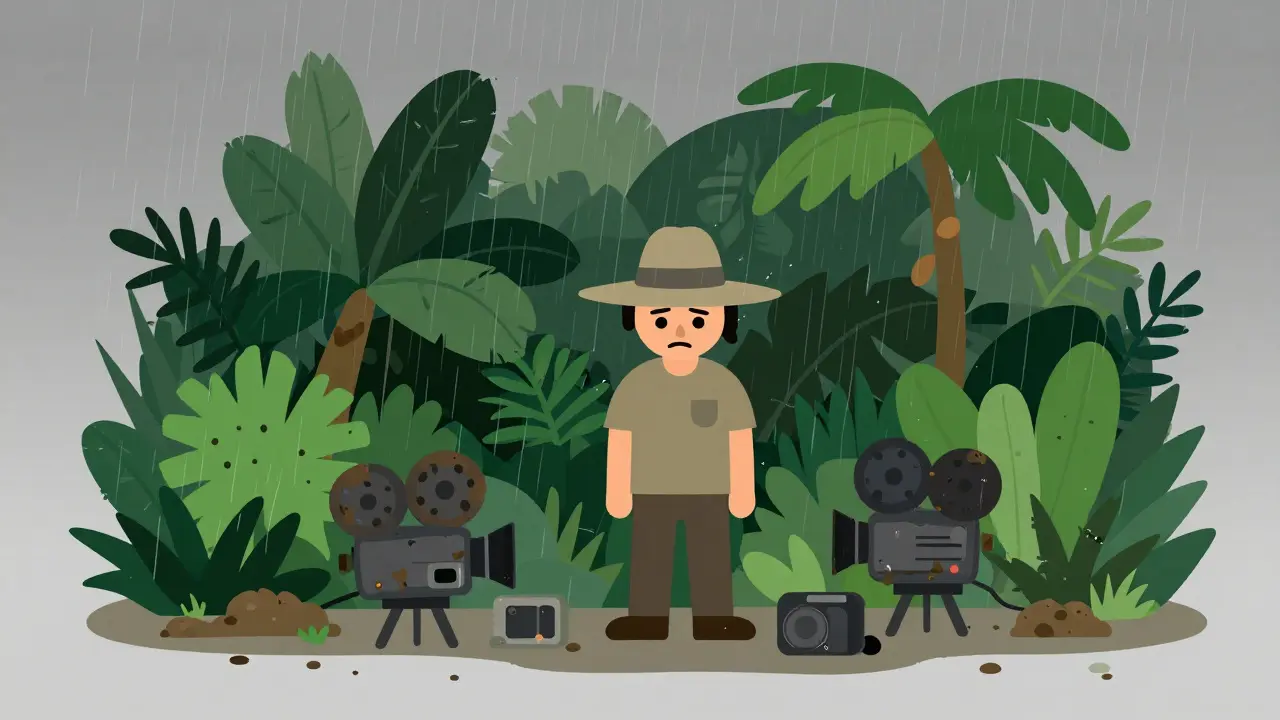
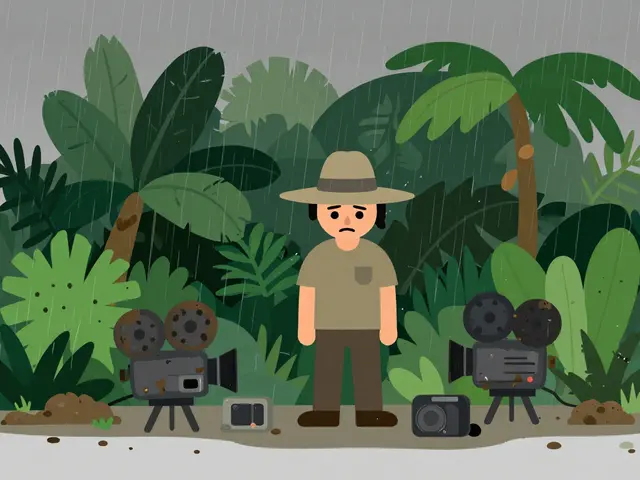
Imagine spending three years in the Philippine jungle, fighting a monsoon, dealing with a lead actor who refuses to follow the script, and watching your budget spiral out of control while your director has a nervous breakdown. This isn't a plot for a war movie; it's the actual reality of making Apocalypse Now is a 1979 epic war film directed by Francis Ford Coppola that serves as a loose adaptation of Joseph Conrad's novel Heart of Darkness. For decades, the chaos behind the scenes was legendary, but it wasn't until the release of Hearts of Darkness: A Filmmaker's Apocalypse that the world saw the full, unfiltered disaster of its production.
The Core Struggle of the Documentary
Most documentaries about movies are just "making-of" featurettes designed to sell tickets. Hearts of Darkness: A Filmmaker's Apocalypse is different. It is a meta-documentary. It doesn't just document the making of a film; it documents the struggle to make a documentary about a film that almost destroyed its creator. Francis Ford Coppola spent years filming the behind-the-scenes footage, but he couldn't figure out how to edit it because the experience itself was too traumatic and fragmented.
The film focuses on the psychological toll of perfectionism. Coppola didn't just want to film a story about the Vietnam War; he wanted to experience the madness of the war during the production. This approach led to a state of perpetual crisis. By the time the documentary was released in 1991, it served as a mirror to the actual movie, showing that the descent into madness wasn't just a script requirement for the character Colonel Kurtz, but a lived reality for the crew.
Production Chaos and the 'Method' of Madness
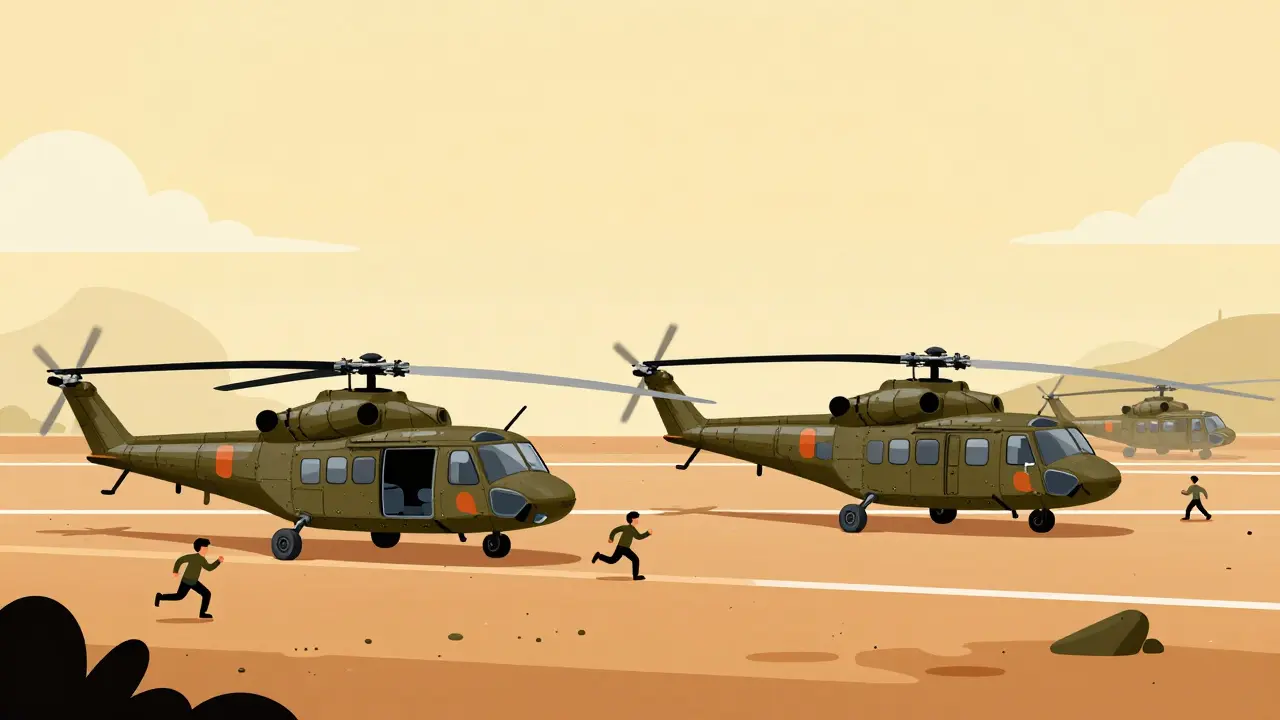
To understand why this documentary is a masterpiece of cinema history, you have to look at the specific disasters captured on film. The production moved to the Philippines, where the crew faced extreme weather and political instability. One of the most striking segments involves the helicopters. The production had to lease aircraft from the Philippine government, only to find out the pilots were often inexperienced or the machines were falling apart.
Then there was Martin Sheen. During filming, Sheen suffered a near-fatal heart attack. The documentary captures the raw, terrifying moments of his recovery and the sheer willpower it took for him to return to the set. You see the friction between the actor's physical limits and the director's uncompromising vision. It's a visceral look at the cost of art. Coppola wasn't just directing a movie; he was waging a war against the elements and his own psyche.
| Element | In the Movie (Apocalypse Now) | In the Documentary (Hearts of Darkness) |
|---|---|---|
| The Jungle | A symbol of primal chaos and war. | A logistical nightmare of mud and rain. |
| The Director | The unseen hand guiding the narrative. | A man on the verge of a mental collapse. |
| The Budget | Hidden from the audience. | A source of constant anxiety and debt. |
| The Goal | To find Colonel Kurtz. | To find a way to finish the edit. |
Editing as a Narrative Tool
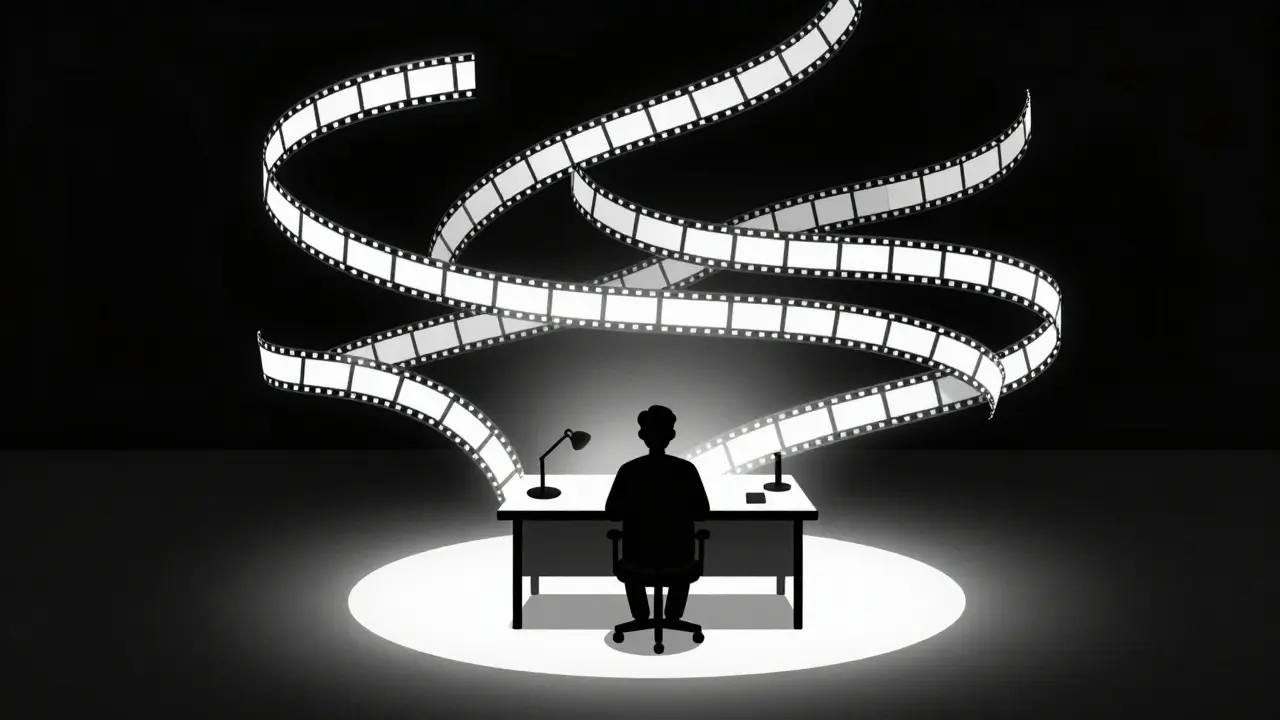
The way Hearts of Darkness is constructed is a lesson in Non-linear Editing. Coppola uses the footage not to provide a chronological timeline, but to build an emotional arc. He blends interviews with raw, handheld footage, creating a sense of disorientation. This mirrors the experience of the soldiers in the film and the crew on set.
The documentary proves that the process of editing is where the real story is found. Coppola struggled with the footage for years because he was trying to find a "truth" in the chaos. He eventually realized that the truth was the chaos itself. By embracing the fragmented nature of the memories and the footage, he turned a promotional tool into a psychological study. For any filmmaker, this is the ultimate example of how the medium of the documentary can be used to interrogate the process of creation.
The Influence of Joseph Conrad
You can't talk about this documentary without mentioning the source material. The original novel, Heart of Darkness by Joseph Conrad, is about a journey into the interior of Africa to find a man who has lost his mind. The documentary reveals that Coppola's journey into the Philippine jungle was an unintentional reenactment of Conrad's story.
The parallels are haunting. Just as the protagonist of the novel discovers that the "civilized" world is a facade, Coppola discovers that the "organized" movie production is a facade. The documentary captures the moment the structure breaks down. It shows the transition from a managed set to a state of nature where only the strongest wills survive. This alignment between the source material, the feature film, and the documentary makes the entire project a recursive loop of madness.
Lessons for Modern Documentarians
What can today's creators learn from this specific case study? First, the power of the "long game." Coppola didn't rush the documentary. He let it simmer for over a decade, allowing the perspective of time to shape the narrative. In an era of instant content and rapid turnaround, there is a massive value in letting a project evolve alongside the creator's own understanding of the event.
Second, the importance of vulnerability. The documentary works because Coppola is willing to look foolish, stressed, and failed. He doesn't edit himself to look like a genius; he shows himself as a man drowning in his own ambition. This authenticity creates a deep connection with the audience. It transforms the film from a technical manual on how to shoot a war movie into a human story about the agony of creation.
The Legacy of the Apocalypse
The intersection of Apocalypse Now and Hearts of Darkness represents one of the most significant moments in cinema. It showed that the struggle to create art can be just as compelling as the art itself. The documentary didn't just save the legacy of the movie; it gave it a soul by showing the blood, sweat, and tears that went into every frame.
When you watch the documentary today, you aren't just seeing how they built the sets or how they blew up the helicopters. You are seeing the exact moment where a director's vision clashed with reality, and how that clash produced something unique. It serves as a warning and an inspiration: greatness often requires a descent into the dark, but the key is finding a way to climb back out with the footage intact.
Why is the documentary called Hearts of Darkness instead of just Apocalypse Now: The Making Of?
The title refers directly to Joseph Conrad's novel, which was the primary inspiration for the movie. By using this title, Coppola signals that the documentary is not just a technical guide, but a thematic exploration of the "darkness" and madness that occurred during the production process.
Did the documentary change the way people viewed Apocalypse Now?
Yes. While the movie was already a classic, the documentary added a layer of human struggle. It shifted the focus from the film's technical brilliance to the sheer endurance of the cast and crew, making the final product feel even more miraculous given the circumstances.
What is the 'meta' aspect of Hearts of Darkness?
The 'meta' aspect is that the documentary is about the struggle to make the documentary. It includes footage of Coppola trying to figure out how to edit the footage of the movie's production, effectively creating a film about the process of making a film about the process of making a film.
How long did it take to complete the documentary?
The footage was captured during the filming of Apocalypse Now in the mid-to-late 1970s, but the documentary itself wasn't released until 1991. This gap of over a decade allowed Coppola to reflect on the experience with necessary distance.
Is this documentary useful for film students today?
Absolutely. It is a primary case study in project management failure, the dangers of excessive perfectionism, and the creative potential of non-linear editing. It teaches that the 'mistakes' and 'disasters' of a shoot can often become the most interesting part of the story.