6
Greta Gerwig’s Voice: Character, Humor, and Cultural Conversation
There is a specific frequency to Greta Gerwig's voice on screen. It isn’t just about the dialogue she writes or the way she directs actors. It is about how her films function as cultural conversations that refuse to settle for easy answers. When you watch Little Women or Barbie, you aren't just watching a story; you are witnessing a deliberate unpacking of gender roles, history, and desire through a lens that feels both intimate and radically expansive. Her work challenges the traditional "female gaze" by making it messy, funny, and deeply human rather than purely aspirational or victimized.
Gerwig’s approach to character development rejects the binary of strong versus weak women. Instead, she presents characters who are often contradictory, ambitious yet insecure, romantic yet pragmatic. This nuance allows audiences to see themselves in these roles without feeling judged. The humor in her films acts as a pressure valve, releasing tension while simultaneously critiquing societal expectations. By weaving comedy into serious dramatic beats, she creates a viewing experience that feels authentic to real life, where laughter and tears often coexist in the same moment.
The Architecture of Ambition in Female Characters
At the heart of Gerwig’s storytelling is a fascination with ambition. In Little Women, Jo March is not just a writer; she is a woman negotiating her place in a world that values her marriage over her mind. Gerwig flips the script by allowing Jo to fail, to compromise, and then to find a middle ground that is neither total sacrifice nor total selfishness. This reflects a broader cultural conversation about what success looks like for women today.
We see this again in Lady Bird, where the titular character’s desire to leave Sacramento for New York is less about geography and more about identity formation. Lady Bird wants to be someone else because she doesn’t feel seen in her current reality. Gerwig captures the pain of adolescence not just as hormonal chaos, but as a philosophical crisis. The mother-daughter relationship in Lady Bird is particularly striking because it avoids melodrama. Instead, it shows love expressed through friction, misunderstanding, and eventual recognition.
This architectural approach to ambition means that Gerwig’s characters are never static. They evolve not because they achieve their goals, but because they understand the cost of those goals. For example, in Little Women, Jo’s decision to publish under a male pseudonym is a critique of patriarchal structures, but her later rejection of that compromise is a statement about integrity. These choices resonate because they mirror the internal debates many people have about authenticity versus opportunity.
Humor as a Tool for Social Critique
Humor in Gerwig’s films is never just for laughs. It serves as a mechanism for social critique. In Barbie, the comedic elements dismantle the very idea of perfection. The film uses satire to expose the contradictions inherent in patriarchal systems, even when those systems claim to empower women. The scene where Ken discovers feminism and immediately tries to dominate it is hilarious, but it also highlights how quickly power structures can co-opt liberation movements.
This use of humor extends back to Lady Bird, where the protagonist’s self-sabotage is played for laughs but carries emotional weight. When Lady Bird lies about her family’s financial situation to impress a boy, the audience laughs at her awkwardness, but we also feel the shame and desperation behind the lie. Gerwig understands that vulnerability is often masked by wit. By allowing her characters to be funny in their failures, she makes them relatable and forgivable.
In Little Women, the humor comes from the sisters’ interactions. Amy’s blunt honesty about art and money provides comic relief, but it also underscores the economic realities facing women in the 19th century. Without Amy’s pragmatism, Jo’s idealism would remain untested. The balance between humor and seriousness ensures that the film does not become didactic. Instead, it invites viewers to think critically about the characters’ choices without being lectured.
Redefining the Female Gaze
The term "female gaze" is often misunderstood as simply looking at men differently. For Gerwig, it is about centering female subjectivity in all its complexity. In Barbie, the camera lingers on Barbie’s existential dread, not her physique. We see her struggle with mortality, imperfection, and purpose. This shift in perspective forces the audience to engage with Barbie as a person, not an object. It is a radical departure from decades of media that reduced female icons to symbols of beauty or sexual availability.
Gerwig’s female gaze also includes male characters. In Lady Bird, Kevin is not a trophy boyfriend or a villain. He is a complicated young man trying to navigate his own identity. Similarly, in Little Women, Laurie is not just Jo’s romantic interest; he is a character with his own artistic struggles and limitations. By giving depth to male characters, Gerwig avoids creating a simple gender war narrative. Instead, she explores how gender roles affect everyone, regardless of sex.
This redefinition requires trust in the audience. Gerwig assumes that viewers can handle ambiguity and emotional complexity. She does not spell out every moral lesson. Instead, she presents situations and lets the audience draw their own conclusions. This respect for viewer intelligence is part of what makes her films so impactful. They challenge us to think, feel, and question our own assumptions about gender, love, and success.
Cultural Conversations Beyond the Screen
Gerwig’s films spark conversations that extend far beyond the theater. Barbie became a global phenomenon not just because of its marketing, but because it tapped into a widespread cultural anxiety about identity and purpose. People projected their own experiences onto the film, using it as a starting point for discussions about feminism, capitalism, and mental health. The movie’s success demonstrated that blockbuster entertainment can carry profound thematic weight without sacrificing accessibility.
Social media played a huge role in amplifying these conversations. Memes, essays, and video essays dissected every frame of Barbie, analyzing everything from costume design to lighting choices. This level of engagement shows that audiences are hungry for content that rewards close reading. Gerwig’s detailed visual language invites interpretation, turning passive viewing into active participation.
The impact of Little Women was similarly significant. Released during a period of heightened awareness about women’s rights and labor, the film resonated with contemporary issues despite its historical setting. Critics praised its modern sensibility, noting how Gerwig updated Louisa May Alcott’s novel to reflect current debates about authorship, ownership, and creative freedom. The film’s ending, which diverges from the original text, sparked intense discussion about whether Jo should marry Beth’s husband or remain independent. This debate highlighted the ongoing tension between tradition and progress in women’s lives.
Directorial Style and Visual Language
Gerwig’s directorial style is characterized by naturalistic performances and vibrant color palettes. She works closely with cinematographers like Yorick Le Saux to create images that feel alive and dynamic. In Lady Bird, the warm tones of Sacramento contrast with the cool blues of New York, visually representing Lady Bird’s emotional journey. The colors are not arbitrary; they serve the narrative by reinforcing themes of home, displacement, and growth.
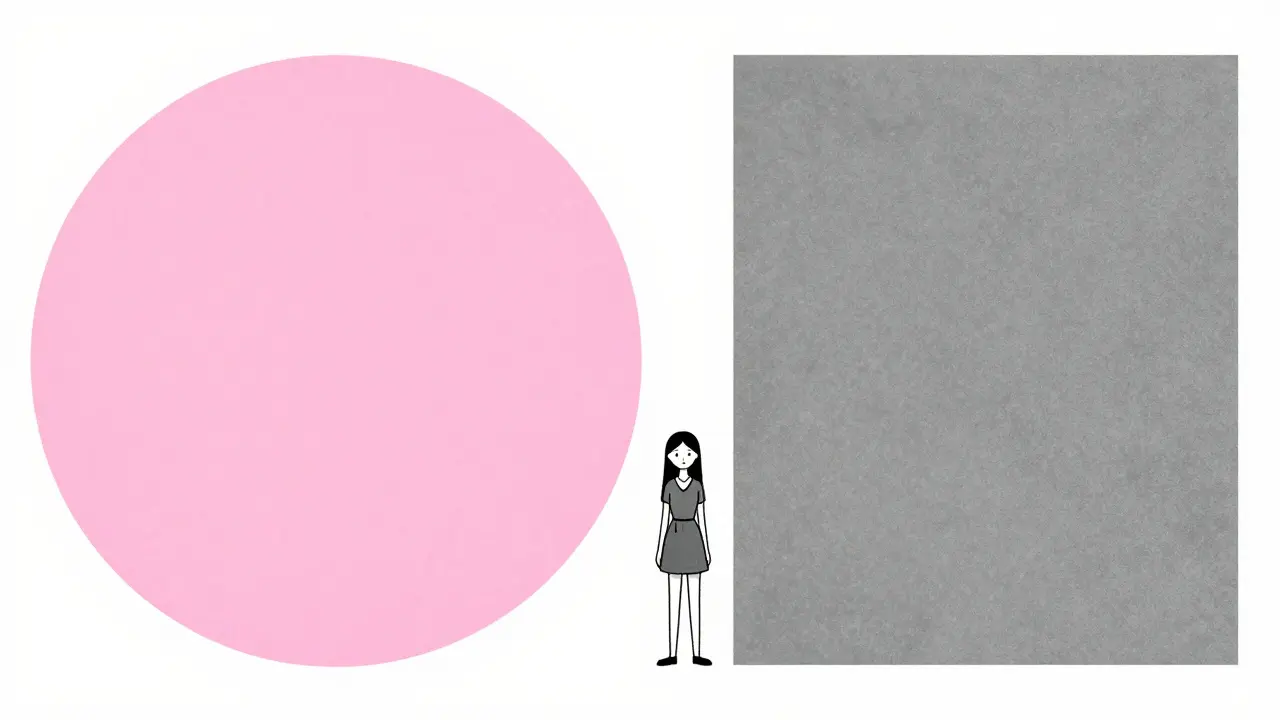
In Barbie, the visual language shifts dramatically between the pink plastic world of Barbieland and the gray concrete reality of Los Angeles. This contrast emphasizes the artificiality of perfection versus the messiness of real life. Gerwig uses production design to tell stories, ensuring that every prop and set piece contributes to the overall theme. The attention to detail creates immersive worlds that feel both fantastical and grounded.
Her collaboration with composers like Mark Ronson and Andrew Wyatt adds another layer to her visual storytelling. Music in Gerwig’s films is diegetic and non-diegetic, blurring the line between soundtrack and score. In Barbie, songs like "What Was I Made For?" become integral to the plot, expressing emotions that words cannot capture. This integration of music and image enhances the emotional impact of key scenes, leaving lasting impressions on viewers.
| Film | Central Theme | Use of Humor | Visual Style |
|---|---|---|---|
| Lady Bird | Identity Formation | Awkward, Self-Deprecating | Naturalistic, Warm Tones |
| Little Women | Ambition vs. Tradition | Sisterly Banter, Satire | Period Realism, Soft Lighting |
| Barbie | Existential Crisis, Patriarchy | Satirical, Meta-Commentary | Hyper-Saturated, Surreal |
The Future of Feminist Cinema
Gerwig’s work signals a shift in how feminist cinema is made and received. No longer confined to niche markets or academic circles, her films reach mainstream audiences while maintaining intellectual rigor. This democratization of feminist ideas helps normalize discussions about gender equality, making them accessible to people who might not otherwise engage with such topics.
As more women enter positions of power in Hollywood, Gerwig’s success paves the way for diverse voices to tell their stories. Her ability to blend commercial viability with artistic integrity proves that there is a market for nuanced, character-driven narratives. This encourages studios to take risks on projects that prioritize substance over spectacle.
The future of feminist cinema likely involves continued exploration of intersectionality, addressing how race, class, and sexuality intersect with gender. Gerwig has hinted at this in interviews, expressing interest in telling stories that reflect a wider range of experiences. As she continues to evolve as a filmmaker, her influence will undoubtedly shape the industry for years to come.
What makes Greta Gerwig's writing style unique?
Greta Gerwig's writing style is characterized by its focus on complex, flawed female characters who navigate ambiguous situations. She blends humor with drama to create authentic emotional experiences, avoiding simplistic moral lessons. Her dialogue feels natural and conversational, reflecting real-life speech patterns rather than polished scripts.
How does Greta Gerwig use humor in her films?
Gerwig uses humor as a tool for social critique and emotional release. In films like Barbie and Lady Bird, comedy arises from character flaws and societal absurdities. This approach allows her to address serious topics without becoming preachy, engaging audiences through laughter before challenging their perspectives.
Why is Little Women considered a feminist classic?
Little Women is considered a feminist classic because it reimagines Louisa May Alcott's novel through a modern lens, emphasizing themes of female ambition, economic independence, and creative agency. Gerwig's adaptation highlights the constraints placed on women in the 19th century while celebrating their resilience and ingenuity.
What is the significance of the female gaze in Gerwig's work?
The female gaze in Gerwig's work centers female subjectivity, portraying women as fully realized individuals with desires, fears, and complexities. Unlike traditional media that objectifies women, Gerwig's films invite empathy and understanding, challenging viewers to see beyond surface-level appearances.
How did Barbie impact popular culture?
Barbie impacted popular culture by sparking global conversations about gender roles, identity, and existential purpose. Its massive box office success proved that feminist themes could appeal to broad audiences, influencing fashion, merchandise, and public discourse around feminism and patriarchy.