16
Amazon Prime Video vs Netflix 2026: Content, Price, and Value Breakdown
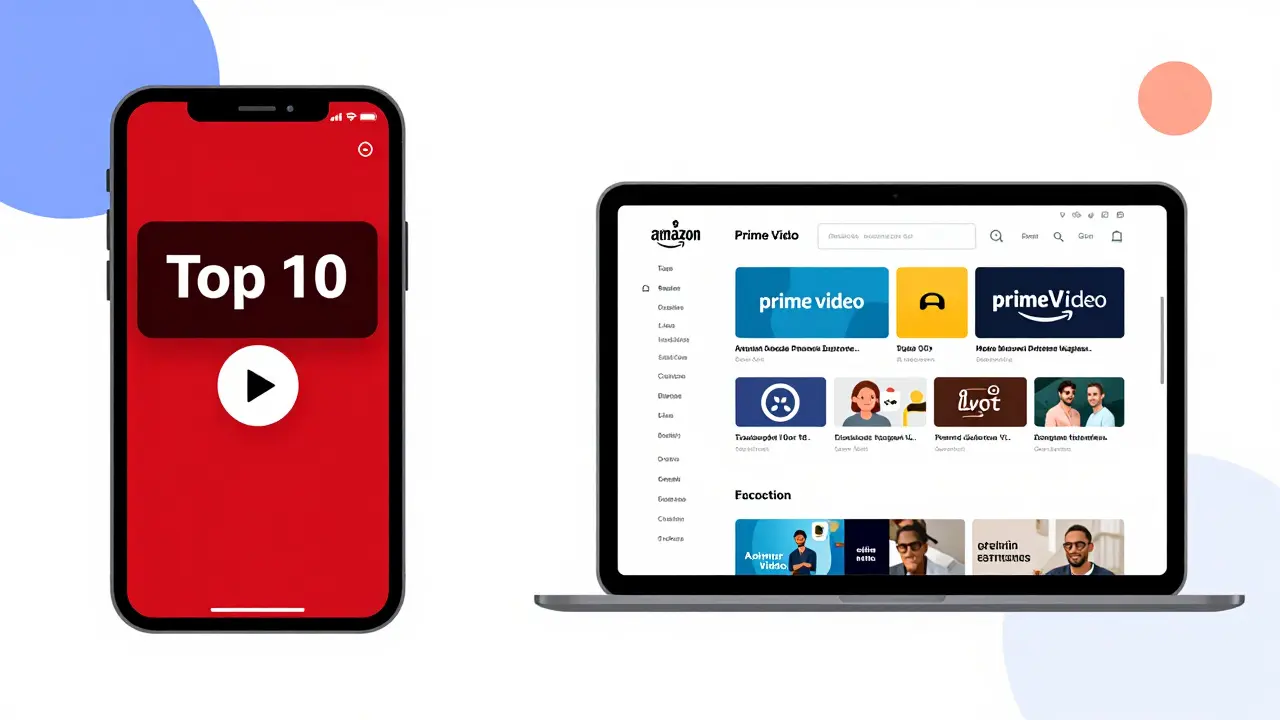
You pay for streaming every month. The question isn't just which shows are good-it's whether you're getting your money's worth. In 2026, the battle between Amazon Prime Video is a subscription video-on-demand service that offers a mix of licensed content, original series, and live sports and Netflix is the dominant global streaming platform known for its vast library of originals and international hits has shifted dramatically. It’s no longer just about who has the biggest budget. It’s about value, exclusivity, and what else comes with the package.
If you’re deciding where to put your monthly dollars, you need a clear picture of what each platform actually delivers today. Let’s break down the content, the cost, and the hidden benefits to see if Prime Video truly beats Netflix-or if Netflix remains the king of convenience.
The Price Tag: What You Actually Pay in 2026
Money talks. When comparing these two giants, price is often the first filter. But looking at the raw numbers can be misleading if you don’t understand what you’re buying.
Netflix operates on a pure-play model. You pay for video, nothing more. As of mid-2026, their standard plan with ads sits around $7-$8 USD, while the ad-free tier hovers near $15-$17 USD depending on your region and any recent inflation adjustments. They’ve tightened up on password sharing, meaning every household needs its own subscription. That simplicity is nice, but it means you’re paying a premium solely for entertainment.
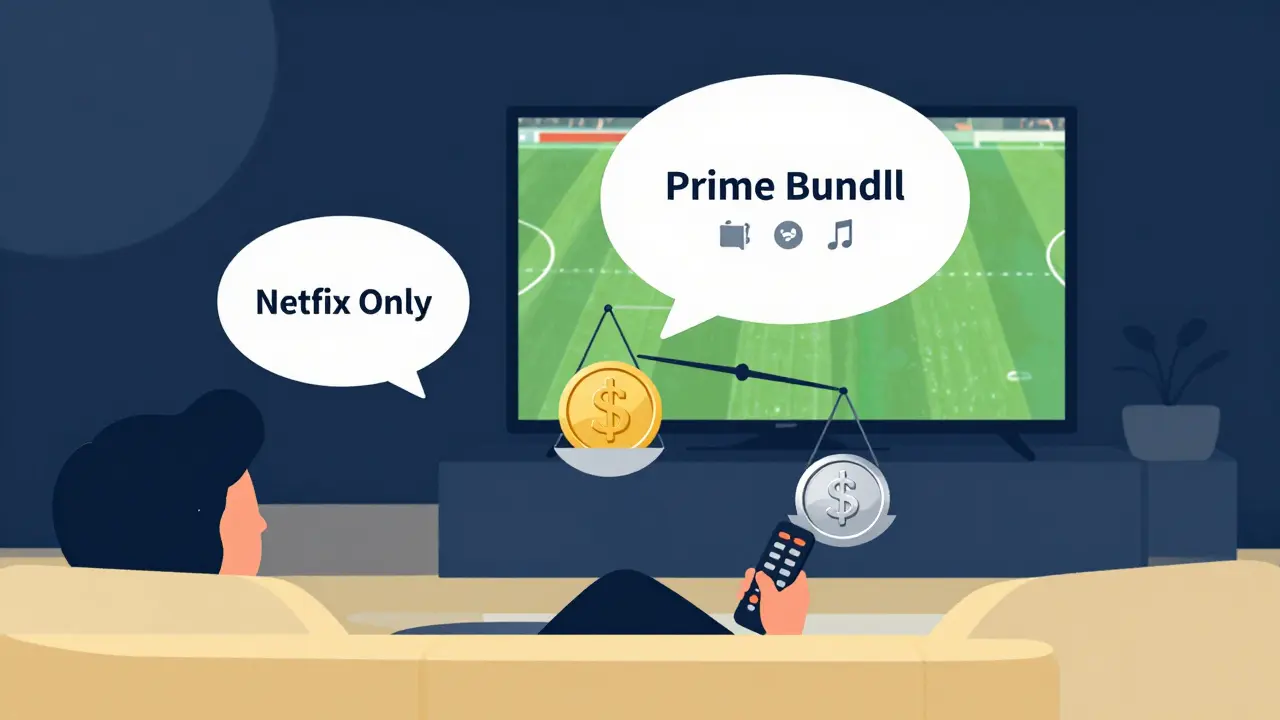
Amazon Prime Video works differently. For most people, it’s not a standalone purchase. It’s part of Amazon Prime is a membership program that includes free shipping, music streaming, and exclusive deals. If you already use Amazon for shopping, the cost of Prime Video is effectively zero extra. The annual fee for Prime is roughly $139 USD (or $14.99/month). Even if you buy Prime Video as a standalone service, it typically costs around $8.99-$9.99 USD per month, often with an ad-supported option cheaper than Netflix’s equivalent.
| Feature | Netflix (Standard No Ads) | Amazon Prime Video (Standalone) | Amazon Prime (Bundled) |
|---|---|---|---|
| Monthly Cost | $15.49 - $17.99 | $8.99 - $9.99 | Included (~$14.99/mo total) |
| Ad-Supported Option | Yes ($7.99) | Yes (Included or lower tier) | Yes |
| Extra Perks | None | None | Shipping, Music, Gaming |
| Password Sharing Policy | Strict (Household only) | Lenient (Profile-based) | Lenient |
Here’s the reality check: If you buy anything from Amazon twice a year, Prime Video pays for itself. Netflix requires you to justify its cost purely through screen time. If you watch less than five hours a week, Netflix feels expensive. Prime Video feels like a bonus.
Content Library: Quantity vs. Quality
This is where opinions split. Do you want a massive library of everything, or do you want curated hits that everyone is talking about?
Netflix Originals dominate the cultural conversation. Shows like Squid Game, Bridgerton, and The Crown aren’t just watched; they’re events. Netflix invests billions in high-profile talent and global productions. Their algorithm is also superior-if you finish one show, the next recommendation is usually spot-on. However, Netflix has been aggressively pruning its library. Licensed shows leave frequently. You might lose access to your favorite sitcom overnight because the rights expired.
Amazon Prime Video has a different strategy. They focus on prestige dramas and franchise films. Titles like The Boys, Reacher, and Fleabag have critical acclaim and loyal fanbases. More importantly, Amazon retains many licensed titles longer than Netflix does. Their library is deeper in classic movies and older TV series. Plus, Amazon offers a "rental" section within the app, so if you miss a new blockbuster, you can rent it without leaving the interface. This hybrid model-subscription plus transactional video-on-demand (TVOD)-makes Prime Video a more complete movie hub.
But here’s the kicker for 2026: Sports. Thursday Night Football is an NFL broadcast deal exclusively held by Amazon Prime Video is now a major draw. For American football fans, Prime Video isn’t just a streaming service; it’s a cable replacement. Netflix has no live sports. If you care about live events, Prime Video wins this round decisively.

User Experience and Interface Design
How easy is it to find what you want? This matters more than you think. Friction kills engagement.
Netflix has the cleanest interface in the business. It loads fast, plays smoothly, and the "Top 10" banner immediately tells you what’s popular. The UI is designed for binge-watching. Auto-play previews keep you scrolling. It’s addictive by design. However, the lack of clear categorization between owned content and licensed content can be confusing. You might click on a show, only to find it’s unavailable in your region due to licensing restrictions-a frustrating experience.
Amazon Prime Video’s interface is functional but cluttered. Because it mixes subscription content with rental options, third-party channels (like Max, Paramount+, and Starz), and X-Ray features, it can feel overwhelming. You have to learn which icons mean "free with Prime" and which mean "pay extra." That said, the X-Ray feature is unique. It lets you identify actors and songs in real-time, which is great for trivia lovers. Also, Prime Video supports higher bitrate streaming on compatible devices, meaning better picture quality for HDR content compared to Netflix’s compressed streams.
Device Compatibility and Streaming Quality
Where can you watch? And how does it look?
Both platforms support virtually every device: smart TVs, phones, tablets, gaming consoles, and web browsers. But there are nuances.
Netflix leads in mobile optimization. The app is lighter, faster, and uses less battery. Their offline download feature is also more reliable. If you commute or travel, Netflix is easier to use on the go. They also support Dolby Atmos and HDR10+ on most modern devices, providing excellent audio-visual performance.
Amazon Prime Video excels on larger screens. Their integration with Fire TV sticks and Echo Show devices is seamless. If you’re in the Amazon ecosystem, Prime Video feels native. Picture quality is comparable to Netflix, often exceeding it in bitrates for 4K content. One advantage Prime Video has is broader support for multiple simultaneous streams under certain plans, whereas Netflix strictly limits this based on your tier.
The Verdict: Who Wins in 2026?
So, is Amazon Prime Video worth more than Netflix? The answer depends on your lifestyle.
Choose Netflix if:
- You prioritize trending content and global hits.
- You want a simple, frictionless user experience.
- You stream primarily on mobile devices.
- You don’t shop on Amazon regularly.
Choose Amazon Prime Video if:
- You already pay for Amazon Prime for shipping or other perks.
- You follow live sports, especially NFL games.
- You prefer a mix of subscription and rental options.
- You value classic movies and deeper libraries over fresh releases.
In 2026, the streaming landscape is fragmented. Most households end up keeping both, rotating subscriptions based on current releases. But if you must pick one, Amazon Prime Video offers better *value* because of its bundled benefits. Netflix offers better *entertainment* if you judge purely by content quality and ease of use.
Don’t let the marketing wars fool you. Look at your habits. Do you binge weekly? Or do you watch occasionally? Your wallet will thank you for choosing wisely.
Is Amazon Prime Video better than Netflix for movies?
It depends on what you mean by "better." Netflix has more recent blockbusters and original films that trend globally. However, Amazon Prime Video offers a wider selection of classic movies and allows you to rent new releases directly within the app. If you want variety and the ability to pay-per-view for missed titles, Prime Video is more versatile. If you want the latest hits included in your subscription, Netflix is stronger.
Can I watch Amazon Prime Video without an Amazon Prime membership?
Yes. You can subscribe to Prime Video as a standalone service for approximately $8.99-$9.99 per month. This gives you access to all Prime-exclusive content without the shipping benefits or other perks of the full Amazon Prime membership. It’s a good option if you only care about video content.
Does Netflix have live sports in 2026?
As of 2026, Netflix does not offer live sports broadcasts. They have experimented with live events like comedy specials and award shows, but traditional sports leagues remain outside their portfolio. Amazon Prime Video, however, holds exclusive rights to Thursday Night Football and other regional sports networks in some areas, making it the clear winner for live sports fans.
Which service has better 4K streaming quality?
Both services offer 4K Ultra HD with HDR. However, Amazon Prime Video often uses higher bitrates, resulting in sharper images and less compression artifacts, especially on large screens. Netflix optimizes for speed and compatibility, which can sometimes lead to slightly softer visuals during complex scenes. For the best experience, ensure your internet speed exceeds 25 Mbps and your device supports Dolby Vision or HDR10+.
Are there ads on Amazon Prime Video and Netflix?
Both platforms offer ad-supported tiers. Netflix introduced an ad-tier in 2023, which is cheaper but includes commercial breaks. Amazon Prime Video also has an ad-supported option, often integrated into its lower-cost plans. However, both services allow you to pay extra for an ad-free experience. Generally, Amazon’s ad interruptions are less frequent than Netflix’s ad-tier, but this can vary by content type.