11
Documentary Filmmaking Techniques: From Interview to Narration
When you start making a documentary, the real work doesn’t begin with the camera. It begins with the story. Whether you’re capturing a personal journey, a social issue, or a hidden world, the way you gather and shape material makes all the difference. Too many filmmakers focus on gear-4K cameras, fancy mics, drones-but the magic happens in how you listen, how you frame a moment, and how you turn raw footage into something that moves people.
Building Trust Before the Camera Rolls
Before you even turn on the camera, you need to earn trust. People don’t open up to strangers. If you show up with a big rig and a checklist, you’ll get polite answers and stiff body language. But if you spend time with your subject-have coffee, walk their neighborhood, ask about their dog-you’ll get the real stuff.
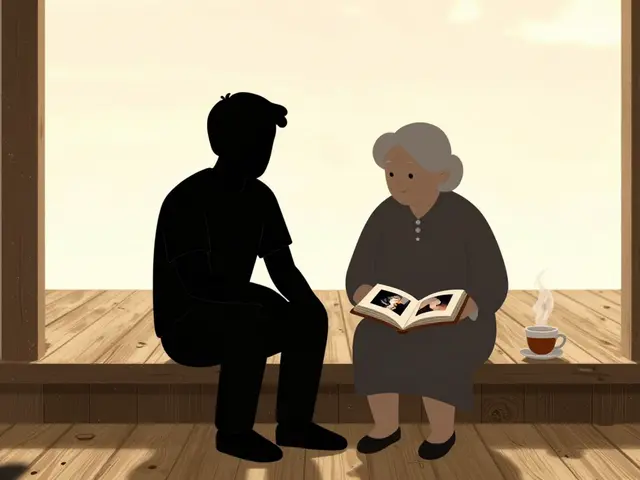
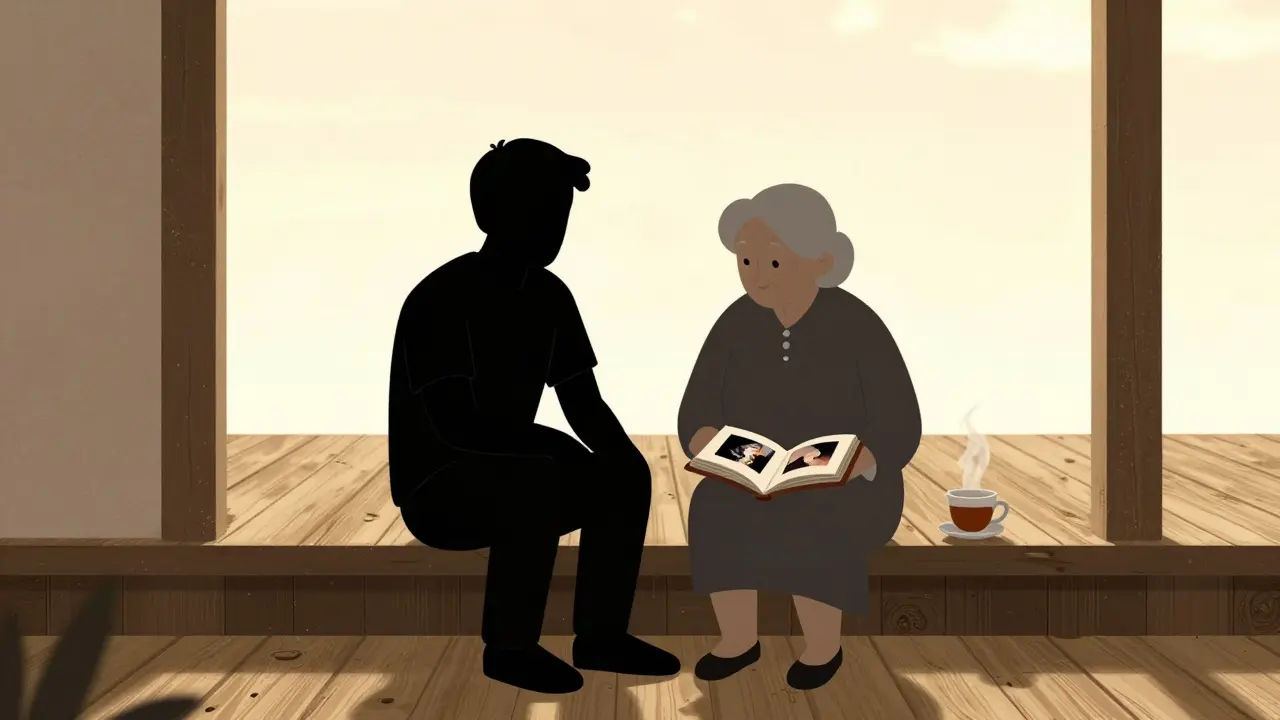
Take the 2023 documentary Still Here, about elderly residents in Brisbane’s inner suburbs. The director spent six weeks just talking with each person before filming. No script. No questions written down. Just conversation. The result? A scene where an 89-year-old woman, while sorting through old photos, suddenly says, "I never thought I’d outlive my children." It wasn’t planned. It happened because she felt safe.
Trust isn’t a tactic. It’s the foundation. And once it’s there, people will tell you things they’ve never told anyone else.
Interview Techniques That Actually Work
Most interviews in documentaries feel like Q&As. They’re stiff. Predictable. You’ve seen them: the subject stares at the camera, answers in full sentences, and you can tell they’re rehearsing.
Here’s what works better:
- Ask open-ended questions-not "Did you like it?" but "What did that moment feel like?"
- Use silence-after they answer, wait. Don’t rush to the next question. Often, the best lines come after a pause.
- Follow the emotion-if someone gets quiet, or their voice cracks, don’t jump in. Let them go there. You can always edit later.
- Shoot in their space-a kitchen, a porch, a workshop. Not a studio. Context adds layers.
One filmmaker I know always turns off the light behind the subject. It forces the person to look at you, not at the camera. Eye contact creates connection. And connection creates truth.
Capturing B-Roll That Tells the Story
B-roll isn’t filler. It’s the emotional backbone of your film. Too many people treat it like decoration-shots of trees, cars driving, people walking. But powerful B-roll does more than look pretty. It echoes what’s being said.
Think of it this way: if someone says, "I lost everything in the flood," don’t just show water. Show their hands trembling as they pick up a soaked photo. Show an empty shelf where a family dinner table used to be. Show a child’s drawing stuck to a wall, half torn.
The best B-roll is specific. It’s not generic. It’s personal. It’s the cracked coffee mug they still use every morning. The way they tap their foot when they’re nervous. The light hitting the window at 4 p.m. every day, the same time their loved one used to come home.
Shoot more than you think you need. Record 20 minutes of someone making tea. You’ll find the moment you didn’t know you were looking for.

Writing Narration That Doesn’t Sound Like a Textbook
Narration is where a lot of documentaries go off the rails. It becomes voiceover that explains everything. "In 1998, the policy changed. This led to a 37% increase in..." Ugh. That’s not storytelling. That’s a lecture.
Good narration sounds like someone talking to a friend. It’s personal. It’s quiet. It leaves space.
Try this: write your narration like a letter. Not to the audience. To one person. Someone you care about. Imagine you’re sitting across from them. What would you say? What would you leave out?
In The Last Train, the narrator doesn’t say, "The railway shutdown affected 12,000 commuters." Instead, they say: "Every morning, my mother would leave her keys on the counter. She didn’t need to say where she was going. We all knew." Then, silence. Then, the sound of a train pulling away.
Let the images breathe. Let the sound carry the weight. Narration should guide, not carry.
Editing for Emotion, Not Just Chronology
Most first-time editors cut in a straight line: event A, then event B, then event C. But real life doesn’t work that way. Memories jump. Emotions don’t follow timelines.
Try this editing trick: lay out your footage by feeling, not by date. Group shots that have the same tone-anger, hope, regret. Then build scenes around those emotions. A moment of laughter might come after a quiet loss. A flashback might appear before the event it describes.
One documentary I worked on had a 17-minute scene of a man talking about his brother’s death. The raw footage was flat. But when we cut it with shots of his hands holding a guitar he never played again, and the sound of rain outside his window, it became heartbreaking. The timeline didn’t matter. The feeling did.
Don’t be afraid to break the rules. Jump around. Repeat a line. Let silence stretch. Your audience doesn’t need to understand everything immediately. They need to feel something.
Sound Design: The Secret Weapon
Most documentaries treat sound as an afterthought. They fix the mic, boost the volume, and call it done. But sound is where you can make your film unforgettable.
Here’s what to focus on:
- Room tone-record 30 seconds of silence in every location. It’s the glue that holds scenes together.
- Environmental layers-add subtle wind, distant traffic, a fridge humming. These make scenes feel real.
- Sound bridges-let the sound of a car door slam carry over into the next scene. It creates flow.
- Music sparingly-if you use music, let it be quiet. A single piano note. A cello held too long. Don’t drown the story.
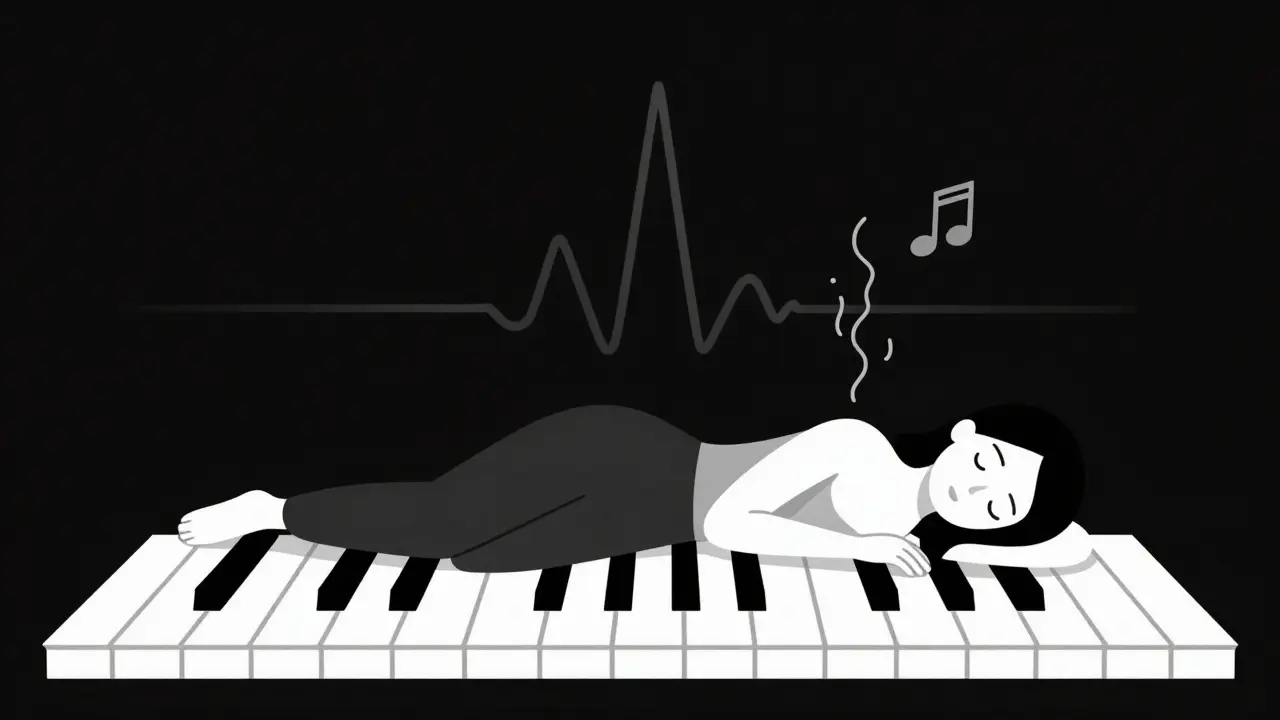
In Waiting for the Sun, the entire soundtrack was built from one recording: a woman breathing while she slept. No instruments. No melody. Just breath. It became the heartbeat of the film.
Final Thoughts: It’s Not About the Camera
None of this matters if you don’t care about the person in front of you. No amount of lighting, editing tricks, or fancy narration will save a documentary that’s just trying to tick boxes.
The best documentaries aren’t made with gear. They’re made with patience. With presence. With the courage to sit quietly while someone tells you their deepest truth.
You don’t need the latest camera. You need the willingness to show up-again and again-until they forget you’re there. That’s when the real story begins.
What’s the most common mistake in documentary interviews?
The biggest mistake is asking leading questions or trying to confirm a pre-written story. If you go in with a script, you’ll miss the real moments. The best interviews happen when you’re curious, not convincing. Let the subject surprise you.
How much B-roll should I shoot compared to interview footage?
Shoot at least three times as much B-roll as interview footage. In practice, that means if you have 45 minutes of interviews, aim for 2.5 hours of B-roll. You’ll need it to cover cuts, create rhythm, and add emotional depth. Never assume you’ll get the perfect shot on the second try.
Can I use narration if my subject speaks in their own voice?
Yes-but only if it adds something the subject can’t. Narration should expand, not repeat. If someone says, "I was scared," and your narration says, "She felt fear," you’re wasting time. But if your narration says, "That fear stayed with her for 12 years," and you show her touching a faded hospital bracelet, now you’re deepening the story.
Do I need professional audio equipment?
You need good audio, but not necessarily expensive gear. A lavalier mic and a portable recorder like the Zoom H4n can sound better than a studio setup with bad placement. What matters most is placement: get the mic close, avoid wind, and record room tone. A $200 mic in the right hands beats a $2,000 mic on a tripod three feet away.
How long should a documentary be to be effective?
There’s no magic length, but most powerful docs under 90 minutes are the ones that stick with you. If you can tell your story in 40 minutes, do it. Audiences don’t tune out because a film is short-they tune out because it drags. Focus on rhythm, not runtime. A 20-minute film with perfect pacing will outlast a two-hour one filled with filler.