21
Villains in Action Cinema: Why Antagonists Define the Thrill
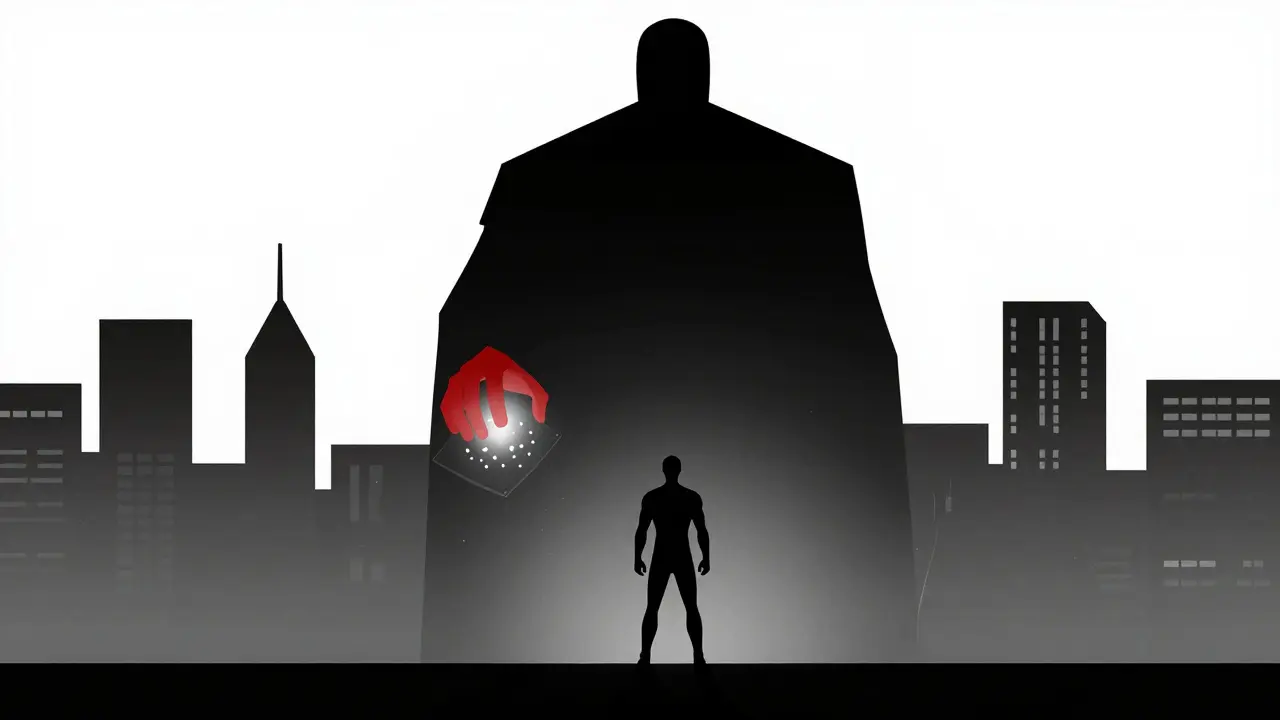
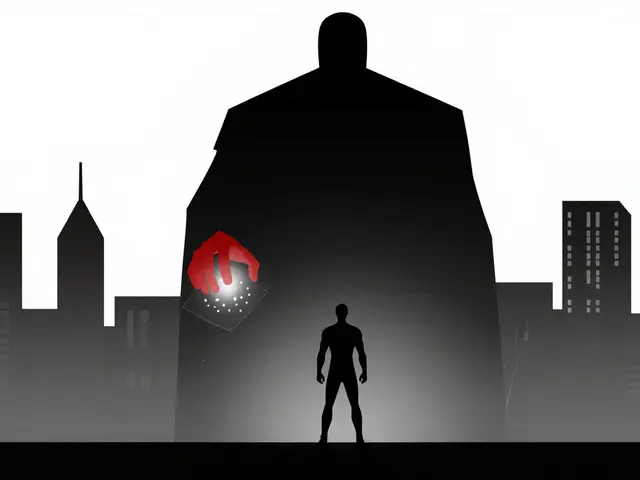
Think about the last action movie that left you breathless. Was it the explosions? The car chases? The high-flying stunts? Maybe. But what really stuck with you? Chances are, it was the villain. Not the hero. Not the hero’s last line. Not even the final punch. It was the person standing across from them, calm, calculating, and utterly terrifying. Villains in action cinema don’t just oppose the hero-they define the entire thrill.
Why the Villain Is the Engine of the Story
Action movies live on tension. But tension doesn’t come from bullets flying. It comes from knowing someone out there is smarter, colder, or more dangerous than the hero. A hero without a worthy opponent is just a guy in a tank top hitting things. A villain? That’s the reason the hero has to rise.
Take Heath Ledger’s Joker a chaotic, anarchic force in The Dark Knight who doesn’t want power-he wants to prove everyone is as corrupt as he is. He doesn’t need a plan to rule Gotham. He just needs to break it. And because of that, Batman’s entire moral code gets tested. The villain doesn’t just create chaos-he forces the hero to confront what they stand for.
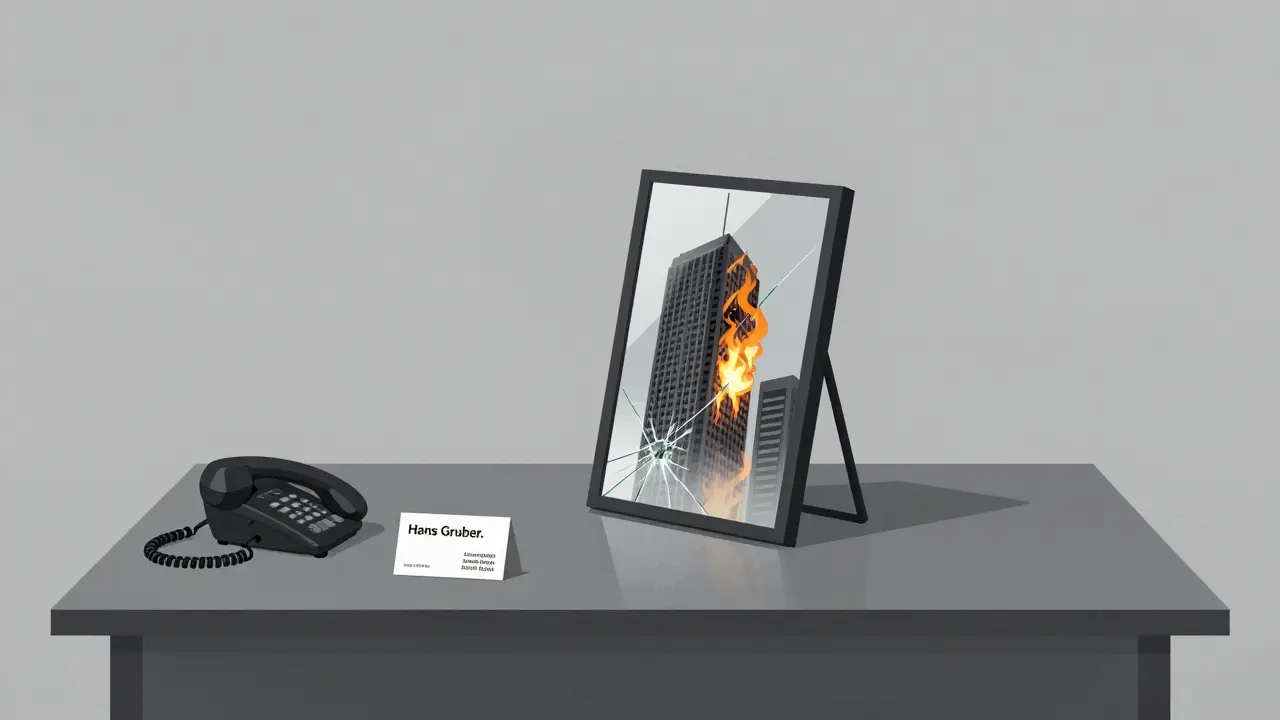
Same with Hans Gruber in Die Hard, a sophisticated thief who turns a Christmas party into a warzone. He’s not a mindless thug. He’s elegant, patient, and brutally efficient. His intelligence makes John McClane’s survival feel like a miracle. If Gruber had been just some loud guy with a gun, the movie wouldn’t have lasted five minutes.
The Psychology Behind a Great Villain
Great villains aren’t evil for the sake of being evil. They have logic. They have goals. They believe they’re right. That’s what makes them terrifying.
Colonel Kurtz in Apocalypse Now doesn’t see himself as a monster-he sees himself as the only man who understands the true nature of war. He’s not trying to win. He’s trying to expose the lie. That’s why he haunts you long after the credits roll.
Even in more straightforward action films, the best villains have clear motivations. Stallone’s Rambo faces off against corrupt officials who abuse power, not just random thugs. The villain isn’t just a obstacle-he’s a mirror. He shows what happens when the system breaks.
Think of Thanos in Avengers: Infinity War. He’s not a villain because he wants to kill people-he believes he’s saving the universe. He’s convinced. He’s calm. He’s willing to sacrifice everything. That’s why audiences didn’t just boo him-they debated him. That’s the power of a villain who makes sense.
How Villains Shape the Hero
The hero’s journey only matters if the villain forces them to change. A hero who wins without struggle is boring. A hero who grows because they had to face someone worse than themselves? That’s unforgettable.
Look at James Bond and his recurring foes like Blofeld or Le Chiffre. Bond doesn’t evolve because he gets a new gadget-he evolves because his enemies force him to question loyalty, trust, and his own coldness. Blofeld isn’t just a criminal mastermind-he’s the dark reflection of Bond’s own isolation.
In Mad Max: Fury Road , Immortan Joe isn’t just a warlord-he’s a cult leader who controls water, fertility, and fear. Furiosa’s entire rebellion isn’t about escaping. It’s about reclaiming humanity. Joe’s presence makes her journey mean something.
Without a villain who challenges the hero’s values, the hero becomes a statue. With a villain who forces them to bleed emotionally? That’s when the action becomes art.
The Rise of the Complex Villain
Twenty years ago, action villains were often one-note: evil laugh, mustache twirl, monologue about world domination. Today? They’re layered. They’re tragic. They’re real.
Anton Chigurh in No Country for Old Men doesn’t have a backstory. He doesn’t need one. He’s a force of nature-a philosophical killer who believes fate decides who lives and dies. He’s not a villain you root against. He’s a villain you fear because he’s logical. And that’s scarier than any army.
Patrick Bateman in American Psycho isn’t just a killer-he’s the product of a culture that values image over substance. He’s not a monster. He’s a symptom. And that’s why he lingers.
Even in blockbusters, villains are no longer just plot devices. They’re psychological anchors. Think of John Wick and his enemies in the High Table. They’re not evil because they’re evil-they’re evil because they’ve built a system that rewards cruelty as a business model. The real horror isn’t the guns. It’s the fact that their world makes sense.
What Makes a Villain Forgettable?
Not all villains stick. And you know why? They’re generic.
A villain with no motive? Just a guy with a gun? A laugh? A monologue about world domination? That’s not a villain. That’s a cartoon. And cartoons don’t make you feel anything.
Look at early James Bond movies with villains like Oddjob or Goldfinger. They worked because they had style, presence, and a clear obsession. But in many 2000s action films, villains were just faceless henchmen with bad accents. No depth. No logic. No reason to care.
That’s why audiences tuned out. They didn’t stop watching because the hero was weak. They stopped watching because the villain didn’t matter.
The Villain as a Cultural Mirror
The best villains don’t just exist in the movie-they reflect the world outside.
Lord Voldemort in Harry Potter isn’t just a dark wizard-he’s a symbol of pure, fanatical hatred. His rise mirrors real-world extremism. That’s why his story terrifies adults as much as kids.
John McClane fights Hans Gruber in a world where corporate greed and terrorism are merging. Gruber’s plan isn’t just theft-it’s a statement about how easily systems collapse. That’s why Die Hard still feels relevant decades later.
Today’s villains? They’re tech billionaires, corrupt politicians, AI systems, or climate deniers dressed as CEOs. The action genre doesn’t just chase explosions-it chases the real fears we can’t name.
When you watch a villain who feels real, you’re not just watching a movie. You’re staring into a dark mirror. And that’s why the villain isn’t just part of the story.
They are the story.
Why are villains more memorable than heroes in action movies?
Villains are more memorable because they often have clearer, more extreme motivations. While heroes fight for justice or redemption, villains usually act out of obsession, ideology, or a twisted sense of order. This makes them more psychologically complex and emotionally charged. Audiences remember the Joker not because he’s evil, but because he makes you question whether chaos is the only truth.
Can a villain be the main character of an action movie?
Yes, and it’s becoming more common. Films like John Wick, Deadpool, and The Equalizer blur the line between hero and villain by making the protagonist morally gray. Even Bad Boys: Ride or Die gives its antagonist depth, making the audience question who the real villain is. When a villain drives the plot and carries emotional weight, they become the central figure-even if they’re technically the antagonist.
What makes a villain feel real in an action film?
A villain feels real when they have a clear motive rooted in human behavior-not just greed or power. Look at Hans Gruber: he’s not trying to destroy the world. He wants money, but he also wants to prove he’s smarter than everyone. That intellectual arrogance makes him terrifying. Real villains have logic, not just malice. They believe they’re right, and that’s what makes them dangerous.
Why do some villains get their own spin-offs or sequels?
Because audiences connect with them more than the hero. Villains like the Joker, Thanos, or Magneto have rich backstories and philosophical depth that invite exploration. Studios know that a compelling villain can carry a franchise. Their complexity makes them marketable-not just as enemies, but as characters with their own stories, fears, and desires.
Do villains need to be physically powerful to be threatening?
No. Some of the most terrifying villains are quiet, intelligent, or emotionally manipulative. Think of Anton Chigurh from No Country for Old Men-he doesn’t have an army, but his calmness and belief in fate make him unstoppable. A villain’s power comes from their mindset, not their muscles. A smart villain who outthinks the hero is far more dangerous than one who just hits harder.