18
Grief and Healing in Romance Cinema: Love After Loss
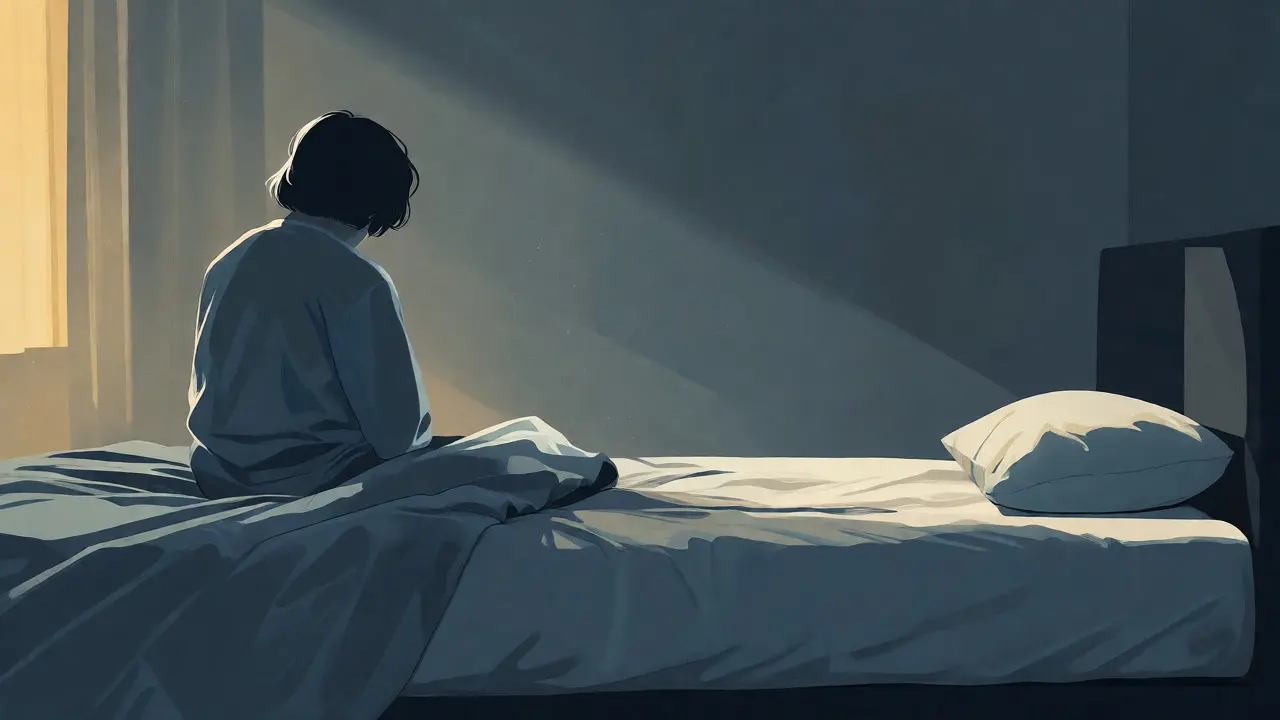
Have you ever cried during a movie not because the characters broke up, but because one of them died? That’s a specific kind of ache. It’s the heartbreak of grief and healing in romance cinema. We’re used to rom-coms where the obstacle is a misunderstanding or a nosy parent. But when death enters the chat, the stakes change completely. Suddenly, it’s not about "will they get together?" It’s about "can they survive without each other?" And if they do, what does that new life look like?
This subgenre-often called "grief romance" or "post-loss romance"-is having a massive moment right now. Think about films like The Notebook, a classic romantic drama exploring memory and enduring love, or more recent hits like All My Life and A Man Called Otto. These aren’t just tearjerkers. They’re blueprints for how humans process the unthinkable. If you’re looking for stories that validate your pain while showing you a path forward, this is your guide. We’ll break down why these movies hit so hard, the common patterns they use, and which ones are actually worth your time (and tissues).
Why Grief Changes the Romance Script
Standard romance follows a predictable arc: meet-cute, conflict, climax, resolution. Grief romance throws a wrench in that machinery. The central conflict isn’t external; it’s internal. It’s the battle between holding on and letting go. When a partner dies, the surviving character isn’t just sad-they’re often lost. Their identity was tied to being someone’s spouse, lover, or partner. Who are they now?
Movies tackle this by shifting the focus from "finding love" to "redefining self." In P.S. I Love You, a film about a widow finding closure through letters from her late husband, Holly doesn’t just miss Gerry; she loses her confidence, her career drive, and her social circle. The romance here is twofold: the lingering love for the deceased and the tentative hope for a future connection. This dual-track narrative is what makes these films so emotionally complex. You’re rooting for two things at once, and sometimes those goals feel contradictory.
Also, let’s be real: grief is messy. Good romance cinema knows this. It doesn’t give you a clean three-act structure of sadness. One day the protagonist is laughing with friends; the next, they’re crying in a grocery store aisle over cereal. Films like Crazy Heart or Manchester by the Sea (though the latter leans heavily into drama) show that healing isn’t linear. It’s a spiral. You circle back to old wounds, but hopefully, each loop brings a little more perspective.
The Three Archetypes of Post-Loss Romance
If you watch enough of these films, you’ll notice they tend to fall into three distinct categories. Understanding these archetypes helps you pick a movie that matches your current emotional headspace.
| Archetype | Core Conflict | Typical Resolution | Example Film |
|---|---|---|---|
| The Rebound Healer | Fear of betraying the past love | New love honors the old; integration | It’s Complicated (mild), Silver Linings Playbook |
| The Ghost Keeper | Inability to move on; living in the past | Acceptance of death; symbolic farewell | The Lake House, Ghost |
| The Shared Burden | Two broken people finding solace | Mutual healing; love as support system | Up (opening sequence impact), A Walk to Remember |
The Rebound Healer story is tricky. The protagonist meets someone new, feels guilty, pushes them away, then realizes that loving again isn’t an insult to the dead. Silver Linings Playbook fits here loosely, as both characters carry heavy baggage, though not strictly spousal loss. It’s about finding stability amidst chaos.
The Ghost Keeper is more supernatural or metaphorical. Think Ghost or The Lake House. Here, the dead aren’t fully gone. They linger, literally or figuratively. The romance often involves bridging the gap between worlds. The healing comes from finally saying goodbye, even if the audience wants them to stay forever.
Finally, the Shared Burden narrative pairs two people who understand pain because they’ve lived it. There’s no judgment, only recognition. This is powerful because it removes the pressure to "perform" happiness. You can just exist together in the quiet moments. Films like A Walk to Remember use this to highlight how love can give meaning to a shortened timeline.
Healing Isn’t About Forgetting
One of the biggest misconceptions about grief movies is that the happy ending means forgetting the person who died. That’s rarely the case. In healthy storytelling, healing means integrating the loss into your life. You don’t leave the person behind; you carry them differently.
Take Ricki and the Flash, a comedy-drama featuring Meryl Streep dealing with family dynamics and personal history or even animated features like Inside Out (which deals with emotional processing rather than direct romance, but the logic holds). The goal is acceptance. In romance, this looks like a scene where the protagonist talks to their new partner about their late spouse without breaking down. Or maybe they keep a memento, but it’s no longer a shrine-it’s just part of their room.
This nuance matters. Bad grief romance treats the new lover as a replacement. Good grief romance treats the new lover as a companion on the journey. The difference is subtle but huge. A replacement erases the past. A companion acknowledges it. When you’re watching these films, ask yourself: Does the new relationship feel earned? Or does it feel like a band-aid?
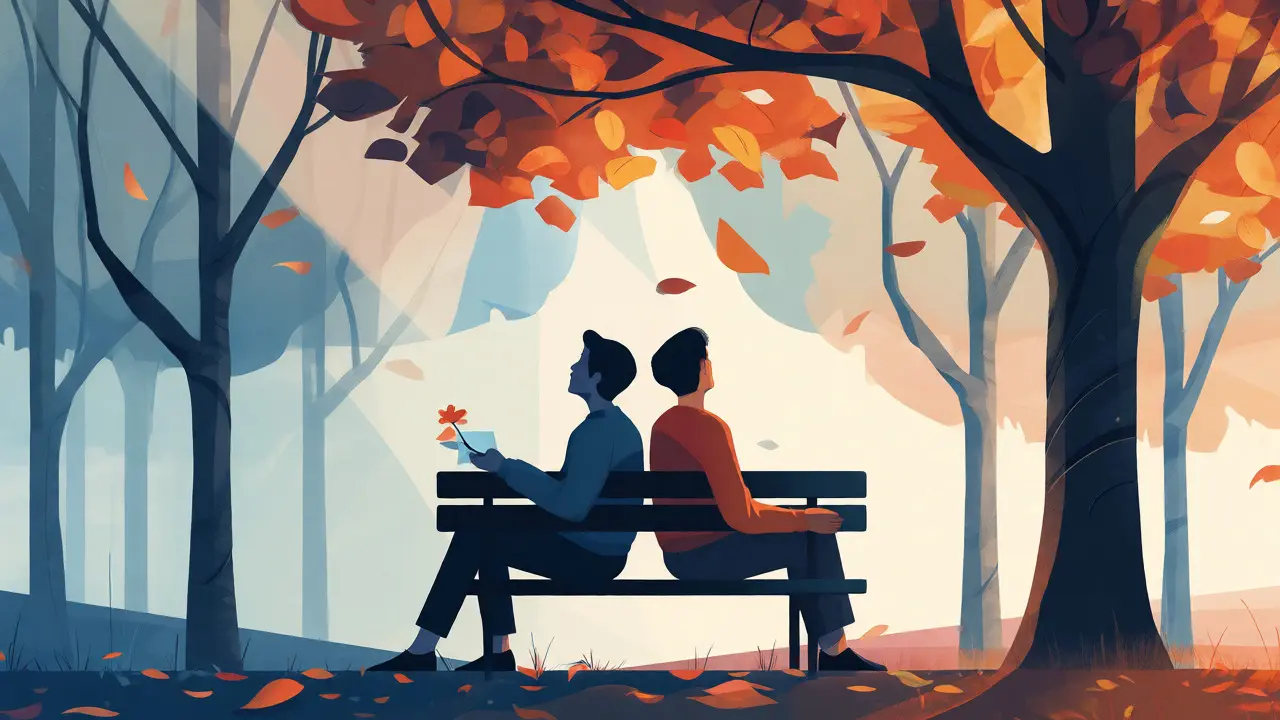
Visual and Narrative Techniques That Hit Hard
Directors have a toolkit for making you feel the weight of absence. It’s not just about sad music. It’s about visual storytelling.
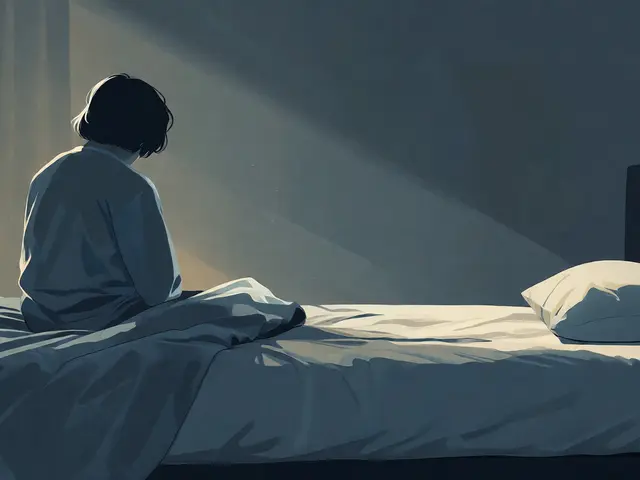
- Empty Spaces: Camera angles that emphasize the empty side of the bed, the single coffee mug, or the chair left vacant at dinner. These shots force the viewer to confront the void.
- Color Grading: Early scenes might be desaturated or cool-toned to reflect depression. As healing begins, colors warm up. Look at La La Land’s final montage-nostalgia tinged with regret and beauty.
- Time Jumps: Many films skip months or years abruptly. This mirrors how grief distorts time. Some days drag; others vanish. A jump cut from a funeral to a birthday party six months later shows the jarring reality of moving forward.
- Object Symbolism: A specific item-a sweater, a book, a song-that triggers memory. When the protagonist finally gives it away or puts it in a box, it signals a shift in their emotional state.
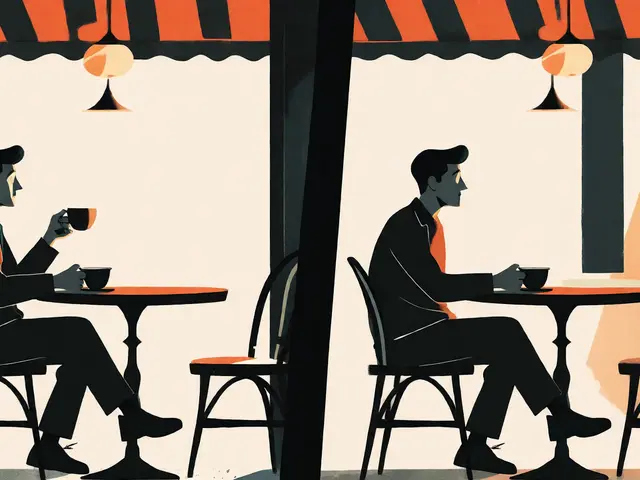
These techniques work because they bypass logic and hit emotion directly. You don’t need dialogue to know the character is lonely if you see them eating alone in a crowded restaurant. Cinema is a medium of showing, not telling, and grief is best shown through the silence.
Choosing Your Movie: What Are You Looking For?
Not all grief romances are created equal. Some are uplifting; others are devastating. Here’s how to choose based on your needs.
If you want catharsis, pick films that lean into the tragedy. Me Before You or The Fault in Our Stars will wring you dry. You’ll cry, but you’ll feel purged. These are good if you need to release pent-up emotions.
If you want hope, go for stories where the second chance is realistic. Begin Again or Julie & Julia offer lighter takes on starting over. They acknowledge pain but focus on joy. These are better if you’re already in a healing phase and want inspiration.
If you want realism, avoid the polished Hollywood endings. Try indie films or foreign cinema. Amour by Michael Haneke is brutal but honest. It doesn’t sugarcoat the physical and emotional toll of caring for a dying partner. It’s not "fun," but it’s true. Sometimes truth is the most comforting thing.
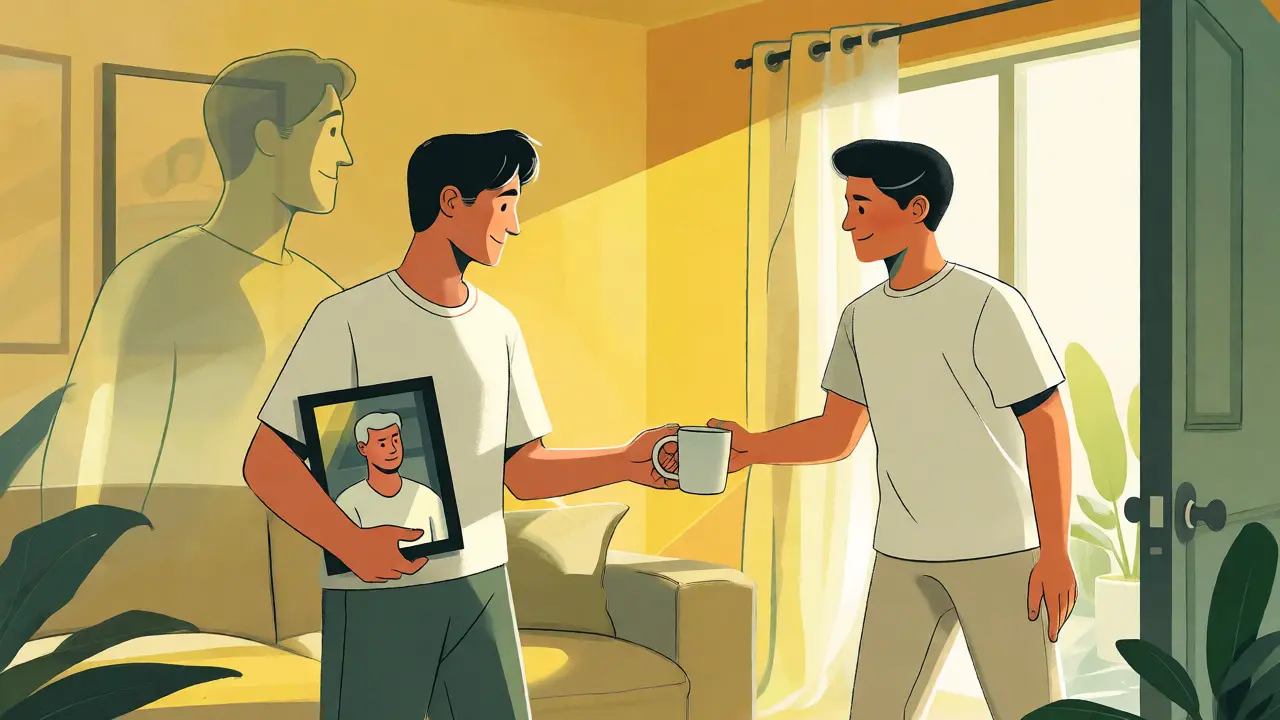
The Cultural Shift in Grief Narratives
Twenty years ago, movies expected widows to remarry quickly or remain devoted saints. Today, we see more complexity. We see men grieving openly. We see LGBTQ+ couples facing unique layers of loss, such as lack of legal recognition or familial support. Films like Call Me by Your Name touch on this, showing how first loves shape us, even if they end in separation or loss.
There’s also a growing trend of "ambiguous endings." The protagonist doesn’t necessarily find a new partner. They find themselves. The romance might be with life itself. This reflects a broader societal understanding that healing isn’t always about finding another person. It’s about becoming whole again. Movies like Eat Pray Love (though not strictly post-death grief) capture this solo journey well.
As we move further into 2026, audiences are craving authenticity over perfection. We want to see the ugly crying, the anger, the numbness. We want to see that love after loss isn’t a straight line. It’s a tangled knot. And that’s okay. Because the knot is still strong. It’s just shaped differently now.
Practical Tips for Watching Grief Romances
Before you press play, consider your own state. Are you currently grieving? If so, some movies might trigger too much pain. Others might feel validating. Here’s a quick checklist:
- Check the tone: Read reviews to see if it’s a tearjerker or a bittersweet celebration.
- Prepare space: Have water, tissues, and a comfortable spot. Don’t try to multitask. Let the film wash over you.
- Talk afterward: Process the emotions. Write in a journal or talk to a friend. Externalizing feelings helps integrate them.
- Limit binge-watching: Grief films are emotionally taxing. Space them out. Don’t watch three in one night unless you’re prepared for exhaustion.
Remember, these films are mirrors. They reflect our fears and hopes about mortality and connection. Use them wisely. They can be therapeutic tools, not just entertainment.
What is the best movie for someone newly bereaved?
For someone newly bereaved, A Man Called Otto (or its original Swedish version A Man Called Ove) is often recommended. It portrays a grumpy widower whose life changes due to neighbors, showing how community and small connections help heal deep isolation. It balances humor and sadness without being overly melodramatic, offering a gentle reminder that life continues.
Do grief romance movies always have happy endings?
No, not always. While many aim for hopeful conclusions, some end ambiguously or tragically. However, even in tragic endings, there is often emotional resolution or growth. The "happy" part is usually internal peace rather than a traditional romantic union. Films like Blue Valentine (dealing with marital breakdown) or Requiem for a Dream (loss of potential) offer different types of closure.
Why do I cry during sad movies but not in real life?
Movies provide a safe container for emotions. In real life, grief can be overwhelming and isolating. In a movie, you witness the process from a distance, allowing you to access emotions without the immediate burden of survival mode. It’s a form of vicarious processing. Plus, cinematic cues like music and close-ups amplify empathy, triggering a physiological response that releases tension.
Is falling in love again considered betrayal?
In modern psychology and most contemporary films, no. Falling in love again is seen as evidence of vitality, not disloyalty. The capacity to love is not a finite resource. Most grief experts agree that new relationships can coexist with memories of the deceased. The key is honoring the past while embracing the present, a theme central to films like It’s Kind of a Funny Story.
How long does healing take according to these movies?
Movies compress time for narrative efficiency, often showing healing over months or a few years. Real-life grief has no set timeline. However, films illustrate that healing happens in stages. You might feel fine for weeks, then hit a wave. The movies teach patience and self-compassion, showing that setbacks are part of the process, not failures.