6
Crunchyroll vs Netflix vs Hulu: Which Anime Streaming Service Wins in 2026?
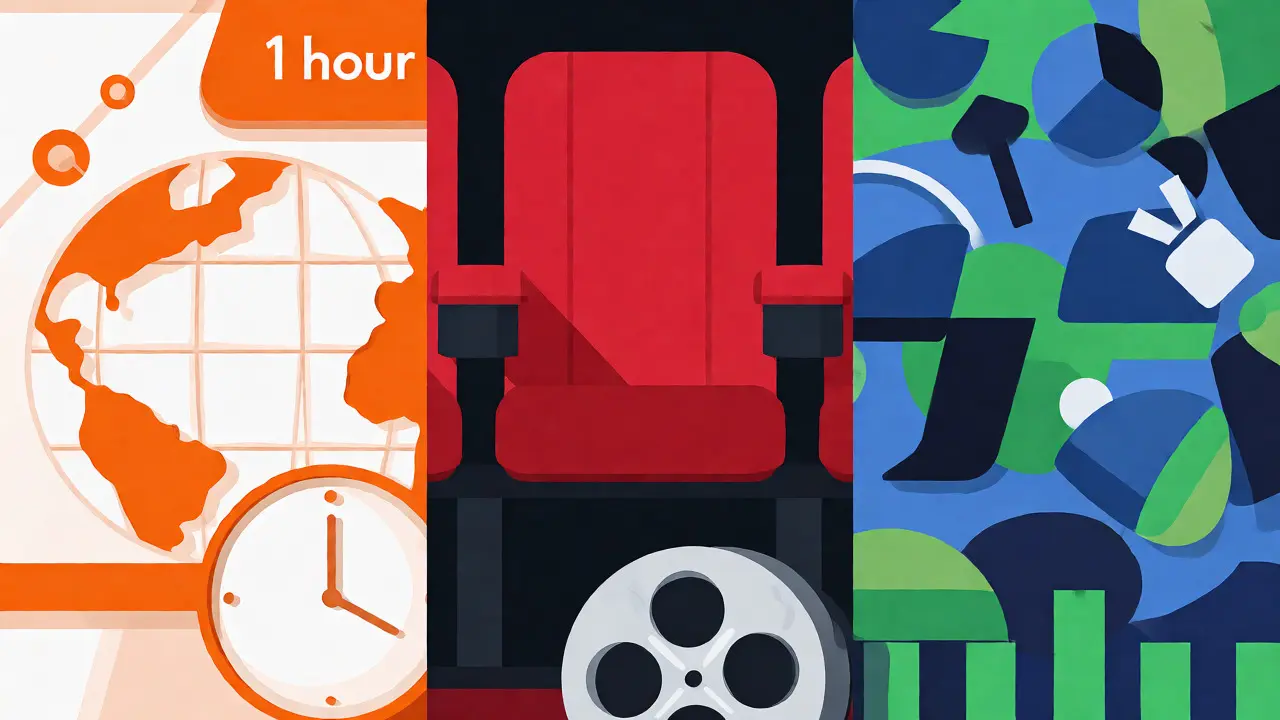
Remember the early days of anime fandom? You’d download a file from a sketchy site, hope it wasn’t malware, and squint at subtitles that looked like they were translated by a broken robot. Fast forward to November 2026, and we’re spoiled for choice. But here’s the catch: having three major options-Crunchyroll, the world's largest dedicated anime streaming platform, Netflix, and Hulu-doesn’t make choosing easier. It makes it harder. Do you want the biggest library? The highest production quality? Or maybe you just want to watch Jujutsu Kaisen without ads?
I’ve spent the last few months rotating through all three services, tracking release times, checking subtitle accuracy, and testing user interfaces on my TV, phone, and laptop. If you’re trying to decide where to spend your hard-earned cash this year, you need more than just a list of titles. You need to know how these platforms actually feel to use when you’re deep in a binge session.
The Library Size Reality Check
Let’s start with the elephant in the room: content volume. If you count every single title available, Crunchyroll is still the king of sheer numbers. They hold over 1,000 series and thousands of movies. But raw numbers are misleading. A lot of those older titles are niche, poorly remastered, or simply not worth your time unless you’re a completionist.
Netflix has aggressively expanded its anime catalog since acquiring Studio Ghibli rights (though those left in some regions) and investing heavily in original productions. Their library is smaller, maybe 400-500 active high-profile series, but the curation is different. Netflix focuses on mainstream hits and high-budget originals like Cyberpunk: Edgerunners or Violet Evergarden. They don’t care about obscure 90s OVAs; they care about what’s trending on Twitter today.
Hulu sits in an awkward middle ground. Since the Disney acquisition fully integrated Hulu into the broader ecosystem, its anime selection has fluctuated. It’s decent, but rarely first-to-market. If a show isn’t a massive hit, Hulu often skips it or adds it months later. For the average fan who only watches the top 10 shows of the season, Hulu is fine. For anyone who wants variety, it feels thin compared to the other two.
| Feature | Crunchyroll | Netflix | Hulu |
|---|---|---|---|
| Total Titles | 1,000+ Series | ~450 Series | ~300 Series |
| Simulcast Speed | 1 Hour after Japan | Weekly / Delayed | Delayed / Weekly |
| Dub Availability | Rapid (2-4 weeks) | Bulk Releases | Limited / Slow |
| Original Content | Low Volume | High Budget / High Volume | Moderate |
Simulcasts: The Need for Speed
This is the dealbreaker for most hardcore fans. When a new episode of One Piece or My Hero Academia drops in Tokyo, do you want to watch it immediately, or can you wait a week? Crunchyroll built its empire on simulcasts. In 2026, their infrastructure is rock solid. Episodes drop within one hour of Japanese broadcast. This means you can discuss plot twists on social media in real-time without fear of spoilers.
Netflix has tried to compete here, but they usually stick to a weekly release schedule, often dropping episodes on Fridays. This creates a lag. By the time you see the latest twist, half of Reddit has already dissected it. There are exceptions-major global hits might get faster releases-but generally, Netflix prioritizes binge-watching convenience over immediate access. Hulu is even slower. Because of licensing complexities with other networks, Hulu often waits until a season is complete before adding it to the platform. If you hate waiting, Hulu is likely out of the question for current-season anime.Subtitles vs. Dubs: Quality Matters
Language preference splits the anime community down the middle. Here’s how the platforms stack up on translation and voice acting.
Crunchyroll’s subtitles are generally accurate, though fans occasionally complain about localization choices that smooth over cultural nuances. However, their dubbing speed is unmatched. Many popular series now receive English dubs within two to four weeks of the Japanese broadcast. This rapid turnaround keeps hype alive. If you prefer watching dubbed anime while doing chores, Crunchyroll lets you stay current.
Netflix takes a different approach. Their subtitles are often criticized by purists for being too liberal with localization. Sometimes they change names or dialogue to fit Western sensibilities better, which can annoy long-time fans. On the flip side, Netflix invests heavily in high-quality dubs. They hire top-tier voice actors and produce full seasons before releasing them. This means no mid-season dub breaks, but also no simultaneous viewing experience. You get the whole package at once, polished and ready. Hulu’s dubbing strategy is inconsistent. Some shows have great dubs, others have none. Subtitles are standard, but you won’t find the same level of care or consistency as the dedicated competitors.
User Experience and Tech Performance
Having a great library doesn’t matter if the app crashes every ten minutes. Let’s talk tech.
The Crunchyroll app has improved dramatically in recent years. After Sony acquired Funimation and merged the libraries, they cleaned up the interface. It’s functional, searchable, and supports multi-language audio switching seamlessly. One standout feature is "Manga Plus" integration, allowing you to read official manga chapters directly in the app. However, video buffering can still be an issue during peak hours, especially if you’re on a shared connection. Netflix’s UI remains the gold standard for streaming. It’s slick, personalized, and works flawlessly across devices. The recommendation algorithm is scary good-if you watch one sci-fi anime, Netflix will serve you five more you didn’t know you wanted. Video playback is smooth, with minimal buffering. If you value ease of use and reliability above all else, Netflix wins. Hulu’s interface is cluttered. Anime is buried under live TV, sports, and general entertainment. Finding specific anime requires digging through menus. Playback quality is good, but the discovery process is frustrating. You’re less likely to stumble upon a hidden gem because the recommendations are skewed toward Hollywood blockbusters.Pricing and Value for Money
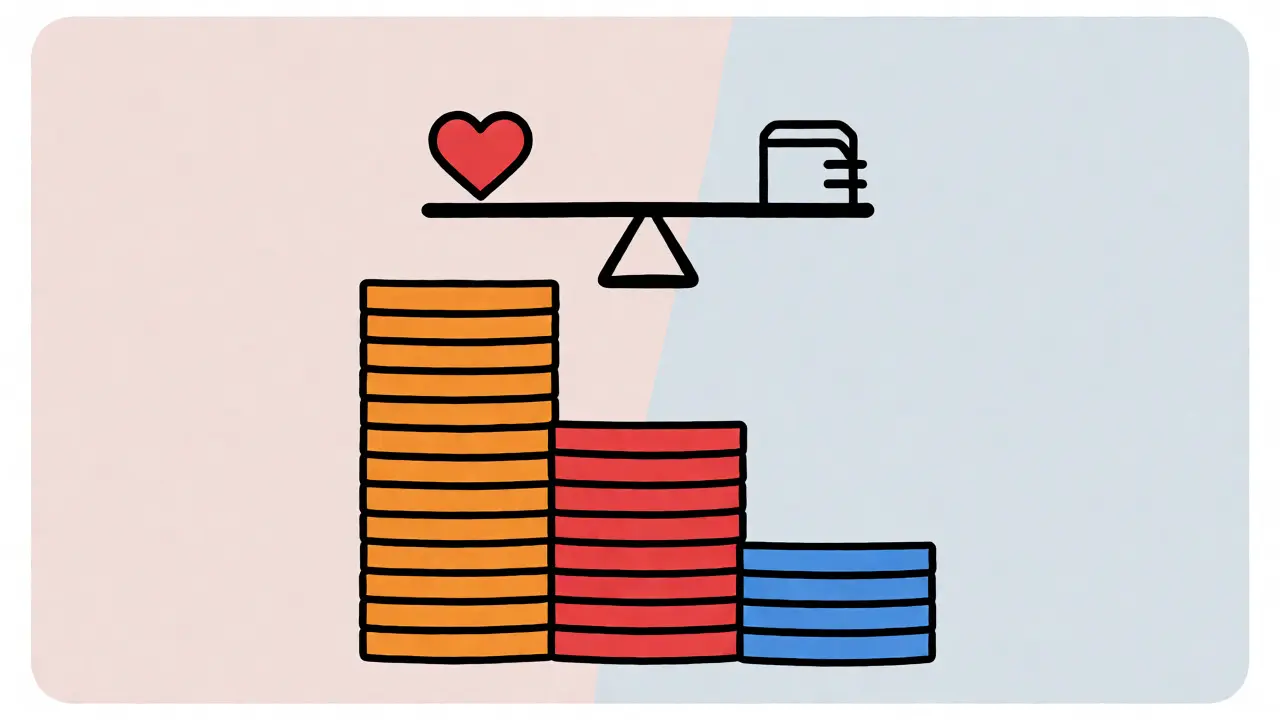
In 2026, prices have crept up everywhere. Here’s the breakdown:
- Crunchyroll: Standard plans range from $7.99 to $11.99 per month depending on ad-free status and offline downloads. Fan plan includes perks like swag discounts.
- Netflix: Standard HD starts around $15.49/month. Premium 4K is higher. No annual discount option.
- Hulu: With Ads is $7.99/month; No Ads is $14.99/month. Often bundled with Disney+ and ESPN+, which can save money if you want everything.
Who Should Choose Which?
Let’s cut through the noise with clear profiles.
Choose Crunchyroll if:
You are a dedicated anime fan. You want simulcasts. You watch a mix of shonen, shojo, and niche genres. You prefer reading subtitles but appreciate fast dubs. You want the largest possible library without paying premium prices.
Choose Netflix if:
You watch anime casually alongside other TV shows and movies. You prefer binge-watching entire seasons at once. You care about high-production originals and don’t mind missing out on obscure titles. You want a seamless, reliable app experience.
Choose Hulu if:
You already subscribe to Hulu for US network TV. You only watch the biggest mainstream hits like Attack on Titan or Death Note. You don’t care about release dates. You’re okay with a smaller selection.
The Verdict
There is no single "best" service, but there is a best service for *you*. For the vast majority of anime enthusiasts in 2026, Crunchyroll remains the essential subscription. It’s the closest thing to a one-stop shop for the medium. Netflix is a strong second, particularly for those who treat anime as just another genre in their diverse viewing diet. Hulu is largely redundant for anime fans unless you’re locked into a bundle.
My advice? Start with Crunchyroll. If you find yourself craving more mainstream hits and better UI, add Netflix. Drop Hulu unless you need it for other reasons. Your wallet-and your watchlist-will thank you.
Does Crunchyroll still have ads?
Yes, the lower-tier plans include ads. To remove them, you need the Mega Fan or Ultimate Fan tier, which also allows offline downloads and multiple streams.
Are Netflix anime subtitles accurate?
They are readable and grammatically correct, but often localized for Western audiences. Hardcore fans sometimes prefer Crunchyroll’s subs for closer adherence to the original Japanese script.
Can I watch anime offline on all three services?
Netflix allows offline downloads on most plans. Crunchyroll offers offline downloads on paid tiers above the basic ad-supported plan. Hulu allows downloads only on the No Ads plan.
Which service has the best dubbing?
It depends. Netflix produces high-quality, full-season dubs but releases them slowly. Crunchyroll releases dubs much faster, keeping pace with the hype cycle. Most fans prefer Crunchyroll's speed, while critics praise Netflix's production values.
Is Hulu good for old anime?
Not really. Hulu tends to focus on modern, mainstream titles. For classic anime from the 80s and 90s, Crunchyroll has a significantly deeper catalog.