1
Bong Joon-ho: The Architect of Modern Korean Cinema
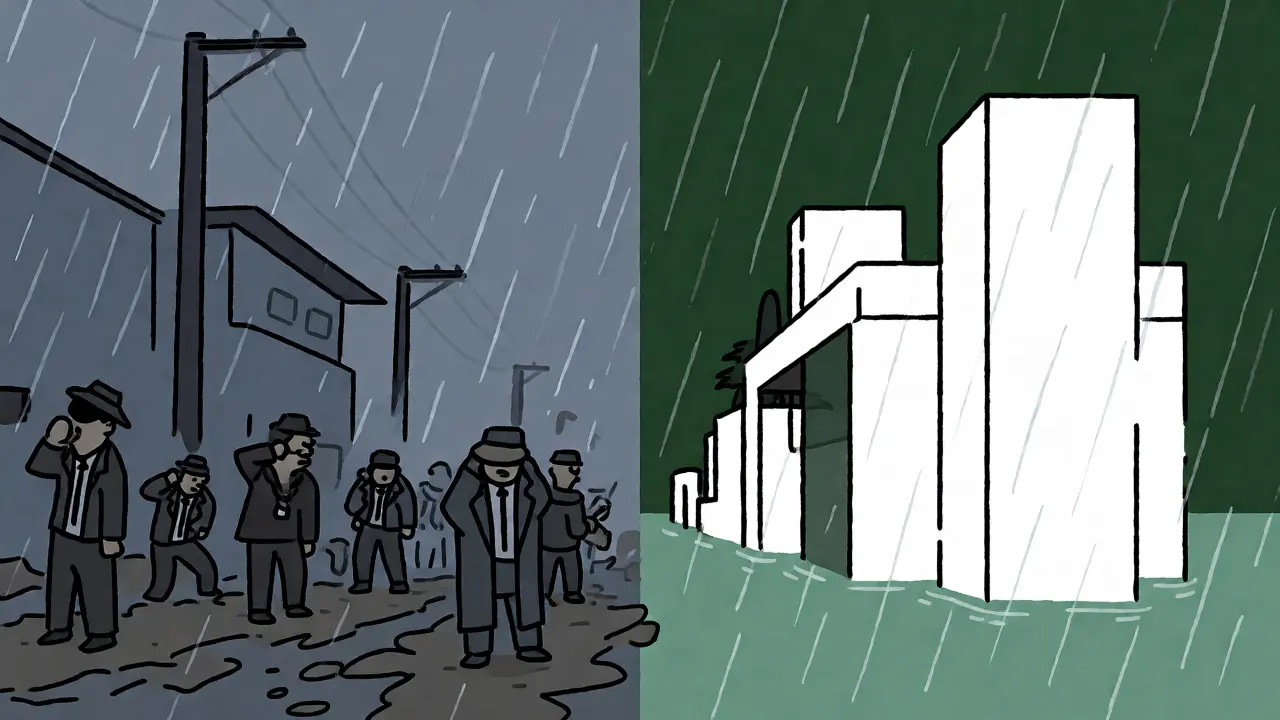
You probably know the moment. The rain pours down on Seoul, but for one family, it’s a disaster; for another, it’s just weather. That contrast isn’t accidental-it’s the signature move of Bong Joon-ho, a South Korean filmmaker whose work blends genre thrills with sharp social commentary. Since winning the Palme d’Or and four Academy Awards for Parasite in 2019, he has become the face of a global shift in how we watch movies. But his rise wasn’t an overnight miracle. It was a decade-long climb built on meticulous craft, dark humor, and a refusal to let audiences look away from uncomfortable truths.
If you’re trying to understand why this specific director matters right now, or if you’re looking for your next great film to watch, you need to look past the headlines. You need to see how Bong turns class warfare into a thriller, horror into comedy, and local stories into universal hits. This guide breaks down his career, his techniques, and what makes his approach so distinct in today’s crowded streaming landscape.
The Rise of the Genre Bender
Bong didn’t start as an auteur. He started as a fan who loved Hollywood blockbusters but felt they lacked bite. Born in Daegu in 1969, he grew up watching films by Alfred Hitchcock and Martin Scorsese. But when he started making movies in the early 2000s, he did something different. He took the structure of American genre films-the monster movie, the crime thriller-and injected them with specifically Korean anxieties about wealth inequality and institutional failure.
Take his breakout hit, Memories of Murder (2003). On the surface, it’s a police procedural about the Hwaseong serial killings. But underneath, it’s a critique of the authoritarian regime that ruled South Korea at the time. The detectives aren’t just incompetent; they are products of a system that valued order over truth. This mix of entertainment and politics became his trademark. He doesn’t lecture you. He makes you laugh, then scares you, then leaves you thinking long after the credits roll.
His ability to blend tones is rare. Most directors pick a lane: comedy or drama, sci-fi or realism. Bong refuses to choose. In The Host (2006), a giant mutated creature attacks Seoul, but the real monster is the government’s mishandling of the crisis and the media’s sensationalism. It sounds chaotic, but it works because every character feels human. They argue, they panic, they make bad choices. That realism grounds the fantasy elements.
Anatomy of the Bong Style
What exactly makes a "Bong Joon-ho" film? If you strip away the plot specifics, a few structural habits emerge. These aren’t just stylistic quirks; they are tools he uses to manipulate audience empathy.
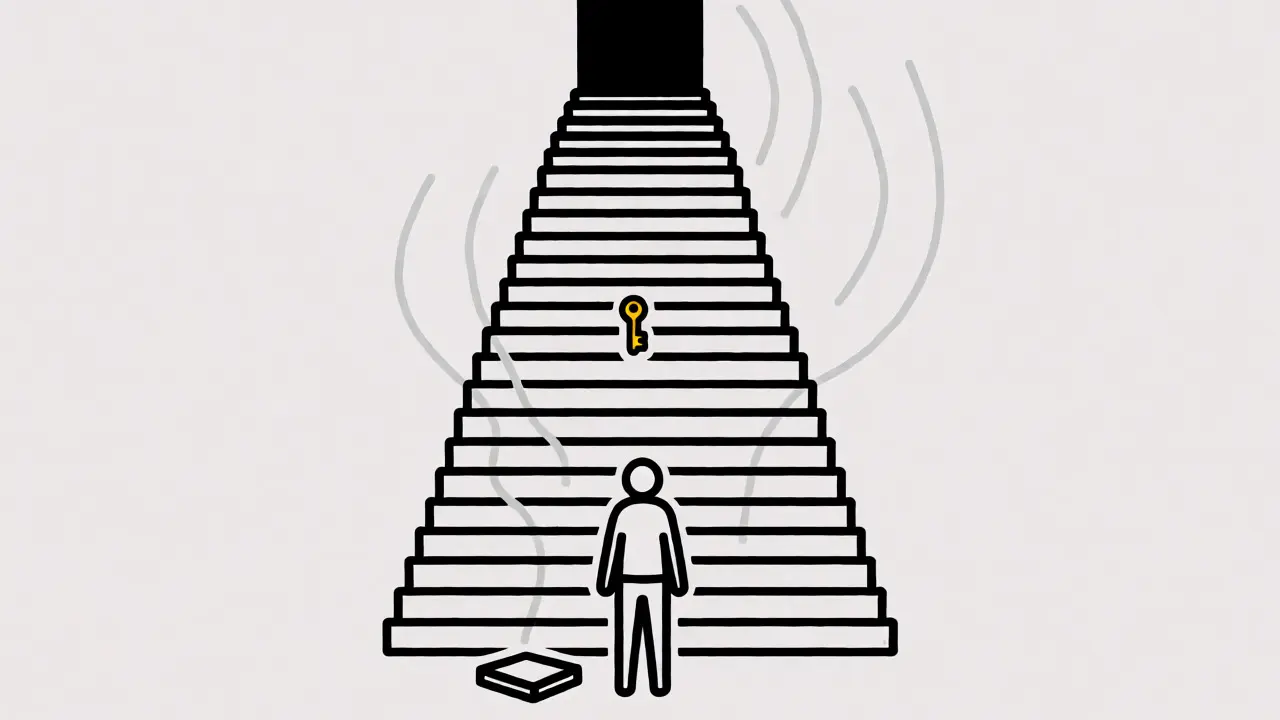
- Spatial Storytelling: Bong loves verticality. Think of the stairs in Parasite or the basement in Memories of Murder. Space represents status. Going up means safety and wealth; going down means danger and poverty. He uses architecture to show power dynamics without saying a word.
- The Uncanny Valley of Humor: His jokes often land awkwardly. A funeral scene might have a slapstick gag that feels slightly too loud, creating tension rather than release. This keeps viewers off-balance, mirroring the characters’ instability.
- Institutional Critique: Whether it’s the police, the military, or a wealthy family, institutions in Bong’s films are rarely helpful. They are either corrupt, indifferent, or actively harmful. The individual must navigate these broken systems alone.
- Genre Hybridization: He shifts genres mid-scene. A quiet dinner conversation can turn into a violent struggle in seconds. This unpredictability prevents the audience from settling into a comfortable viewing mode.
This approach requires precise editing and sound design. Bong works closely with his editor, Yang Jin-mo, to ensure the pacing matches the emotional arc. In Parasite, the editing accelerates during the storm sequence, syncing cuts with the rising water level. It’s technical mastery serving narrative purpose.
Key Films That Defined a Career
To truly grasp Bong’s impact, you need to watch his evolution chronologically. Each film builds on the last, refining his voice while tackling new subjects. Here’s a breakdown of the essential entries in his filmography.
| Film Title | Year | Primary Genre | Core Theme | Why Watch It? |
|---|---|---|---|---|
| Barking Dogs Never Bite | 2000 | Comedy/Drama | Academic pressure & isolation | Shows his early talent for absurdity within mundane settings. |
| Memories of Murder | 2003 | Crime/Thriller | State incompetence & trauma | Often cited as one of the greatest crime films ever made. |
| The Host | 2006 | Sci-Fi/Horror | Family vs. Government | A blockbuster that critiques US foreign policy in Asia. |
| Mother | 2009 | Mystery/Thriller | Maternal obsession & guilt | A darker, more intimate look at his style. |
| Okja | 2017 | Adventure/Satire | Corporate greed & animal rights | His first English-language feature, starring Tilda Swinton. |
| Parasite | 2019 | Dark Comedy/Thriller | Class disparity & capitalism | First non-English film to win Best Picture at the Oscars. |
Memories of Murder remains the entry point for many critics. It’s based on true events, which adds a layer of dread. You know the killer was never caught. Watching the detectives flail around in the muddy fields of Gyeonggi Province is painful yet fascinating. It established Bong as a director who could handle historical weight without becoming bogged down by it.
Okja marked a pivot. By partnering with Netflix, Bong challenged the traditional theatrical window. While some purists complained, the film proved that high-art cinema could thrive on streaming platforms. It also expanded his reach globally, introducing his sensibilities to Western audiences before Parasite exploded.
Why Parasite Changed Everything
Before 2019, foreign-language films were niche awards contenders. After Parasite, they became box office draws. But the film’s success wasn’t just luck. It tapped into a global frustration with economic stagnation. The Kim family’s hustle-folding pizza boxes, forging documents, manipulating employers-resonated everywhere from Los Angeles to London.
The genius of Parasite lies in its lack of villains. There is no evil rich person twirling a mustache. The Parks are polite, even kind. The Kims are clever, even likable. The conflict arises purely from their proximity. When the two families collide in the basement, it’s not a moral battle; it’s a resource war. This ambiguity forces the viewer to question who is really living in the "parasitic" state. Is it the poor family leeching off the rich, or the rich family incapable of functioning without domestic labor?
Bong’s direction here is surgical. Notice the smell motif. Mr. Park complains about the "crossed-line" scent of Mr. Kim. It’s a subtle insult that dehumanizes him. Later, when Mr. Kim snaps, it’s not just about money; it’s about dignity. Bong packs entire sociological essays into small gestures like that.
Collaborations and Creative Ecosystem
No director works in a vacuum. Bong’s visual language relies heavily on his collaborators. His cinematographer, Hong Kyung-pyo, shot Parasite using natural light whenever possible. This gives the film a documentary-like realism, making the surreal moments pop more sharply.
Then there’s the production company, CJ Entertainment. For years, CJ backed Bong’s risky projects. Without their support, The Host-a massive budget risk for a Korean studio at the time-might never have been greenlit. This ecosystem allowed Bong to fail fast and learn quickly. Unlike many Western directors who are forced to play safe after one flop, Bong had the capital to experiment.
He also mentors younger filmmakers. Through the Busan International Film Festival and various grants, he supports indie voices in Asia. This mentorship creates a feedback loop. New ideas flow into his own work, keeping it fresh. For instance, the digital aesthetic of Mickey 17 (his upcoming sci-fi project) reflects lessons learned from working with VFX teams on Okja.

The Future of Korean Cinema Beyond Bong
Bong Joon-ho is part of a larger wave known as the "Korean Wave" or Hallyu. While music and TV dramas get the hype, cinema is the engine driving cultural prestige. Directors like Lee Chang-dong (Burning) and Park Chan-wook (Oldboy) paved the way, but Bong opened the door wide enough for everyone to walk through.
What does this mean for you as a viewer? It means subtitles are no longer a barrier. Streaming algorithms now prioritize international content if engagement metrics hold up. You don’t need to hunt for obscure imports anymore. They appear on your homepage. But beware: not all Korean films are thrillers. Don’t expect every subtitle-driven movie to have a twist ending. Some are slow burns, focused on character study rather than plot mechanics.
As we move into the late 2020s, Bong continues to push boundaries. His move toward big-budget sci-fi suggests he’s interested in global themes-climate change, labor automation-that transcend national borders. Yet, he retains his core identity: the outsider looking in, questioning who holds the power.
Frequently Asked Questions
Do I need to watch Bong Joon-ho's films in chronological order?
No, his films are standalone stories. However, watching Memories of Murder first helps you appreciate his evolution in handling tone and pacing. Start with Parasite if you want a modern entry point, then backtrack to his earlier works to see how his style developed.
Is Bong Joon-ho's work suitable for casual viewers?
Yes, though it depends on the film. Parasite and The Host are very accessible due to their strong plots and humor. Mother and Barking Dogs Never Bite are slower and more ambiguous, requiring patience. Check reviews for specific warnings about violence or disturbing themes if you have sensitivities.
Why do his films often focus on class differences?
South Korea underwent rapid industrialization, leading to stark wealth gaps. Bong grew up witnessing this transition. His films reflect the societal anxiety of moving from a collective society to a hyper-competitive capitalist one. Class isn't just a backdrop; it's the antagonist in most of his narratives.
How does Bong use humor in serious films?
He uses humor to lower defenses. By making you laugh at a character's foolishness, he makes you care about them. When tragedy strikes later, the emotional impact is stronger because you're invested. It also highlights the absurdity of the situations his characters face, suggesting that life itself is often illogical.
Where can I legally stream Bong Joon-ho's older films?
Availability varies by region. In the US, many are available on MUBI, Criterion Channel, or Netflix. In Australia, Stan and Binge often carry Korean classics. Always check local licensing agreements, as streaming rights rotate frequently.