14
Latin American Streaming: Claro Video, Star+, and Local Services Explained
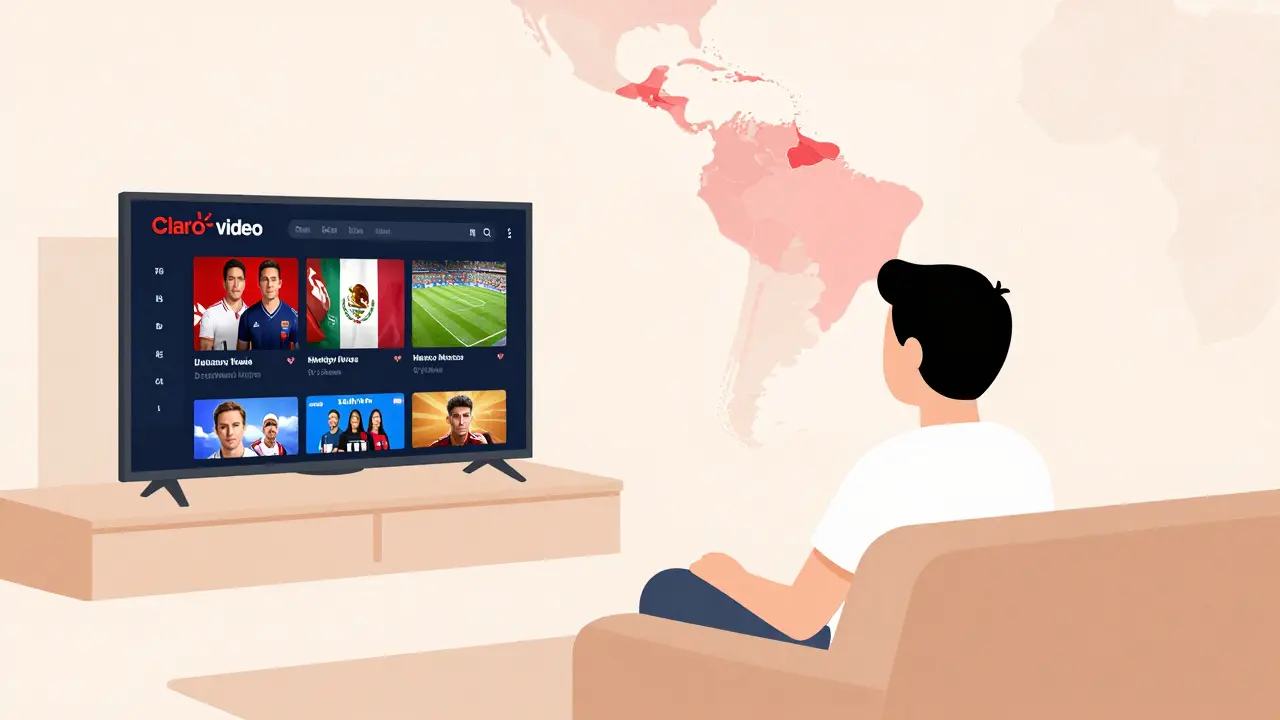
If you're living outside Latin America but want to watch local telenovelas, football matches, or original Spanish-language series, you're not alone. Millions of expats, travelers, and bilingual families rely on Latin American streaming services like Claro Video and Star+ - but getting them to work isn't as simple as signing up. These platforms aren't just Netflix clones. They're built for specific markets, with regional content, pricing in local currencies, and strict geo-restrictions. Understanding how they work - and why they block foreign access - can save you time, money, and frustration.
Why Latin American Streaming Services Lock Out Foreign Users
Most people assume streaming services are global. But content rights work differently in Latin America. A telenovela produced in Mexico might be licensed only for broadcast in Mexico, Colombia, and Peru. That same show can’t legally stream in Spain or the U.S. without a separate deal. That’s why platforms like Claro Video and Star+ use IP blocking. They’re not being difficult - they’re following contracts with studios, broadcasters, and producers.
Even if you have a credit card from Chile or Brazil, you’ll still be blocked if your IP address shows you’re in Canada or Australia. The system doesn’t care about your payment method. It only checks where you’re connecting from. This isn’t a bug. It’s the rule.
Claro Video: The Powerhouse of Latin America
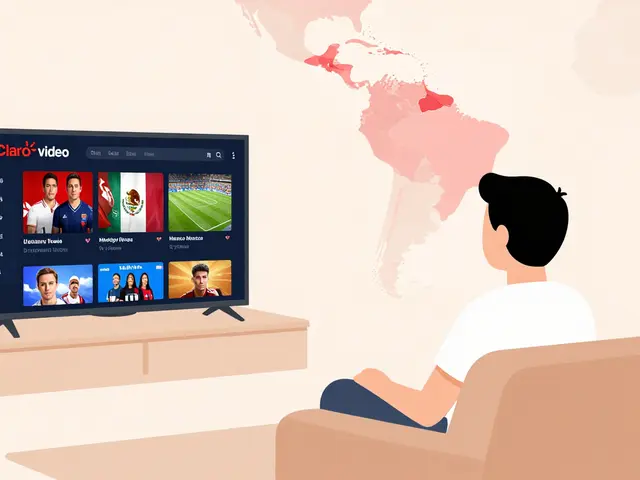
Claro Video, owned by América Móvil (the same company behind Claro mobile networks), dominates in countries like Mexico, Brazil, Argentina, and Peru. It’s not just a streaming service - it’s bundled with internet and phone plans. Many users never even pay for it separately. Their subscription comes free with a Claro broadband package.
What’s on Claro Video? A lot of local originals. Think La Casa de las Flores (Mexico), El Reino (Colombia), and exclusive rights to Liga MX football. It also carries HBO Latin America content, Disney+ originals, and local news channels. The interface is clean, supports Spanish and Portuguese, and works well on Android TVs and smart TVs in the region.
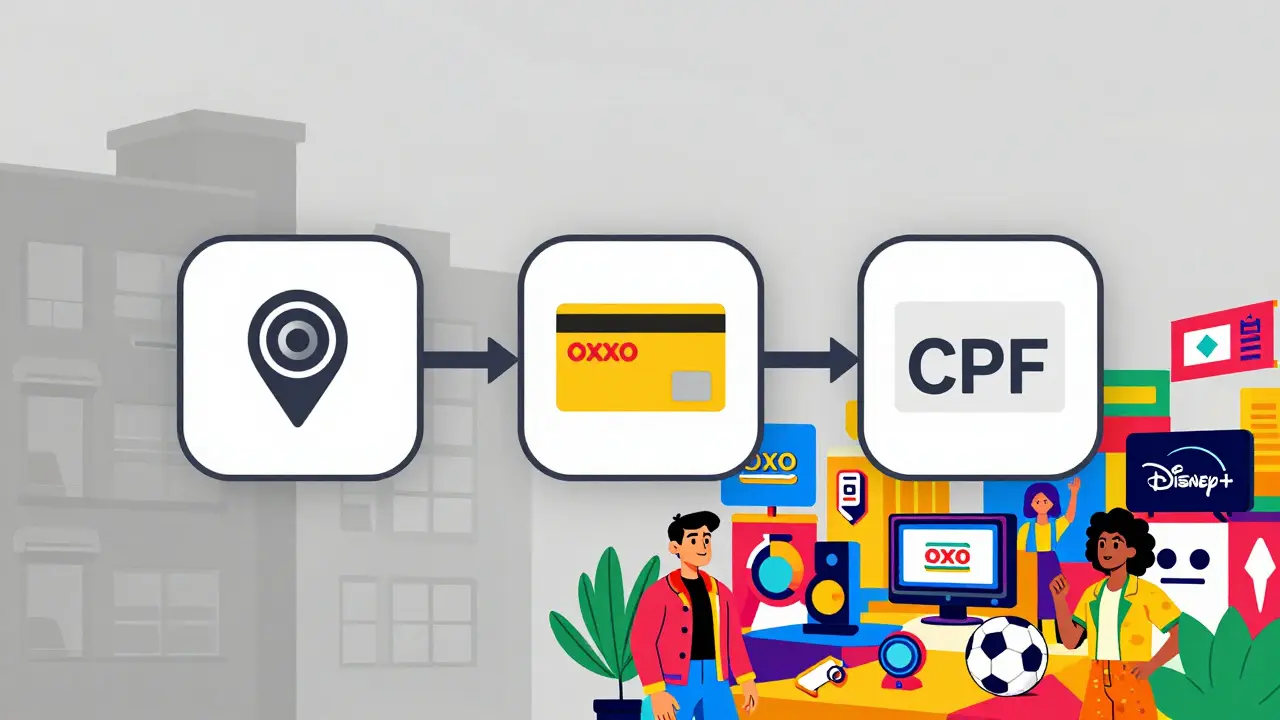
But here’s the catch: Claro Video requires a local phone number and ID to register. Even if you find a way around the IP block, the signup form will reject you without a Brazilian CPF or Mexican CURP. It’s designed for residents, not tourists.
Star+: The Disney-Latin America Hybrid
Star+ launched in August 2020 as Disney’s answer to regional competition. It’s not just a sports channel. It’s a full-service streaming platform with movies, series, and live events - all tailored for Latin America. You’ll find UFC fights, NBA games, and exclusive documentaries from National Geographic. It also hosts Latin originals like La Fortuna and El Juego de las Llaves.
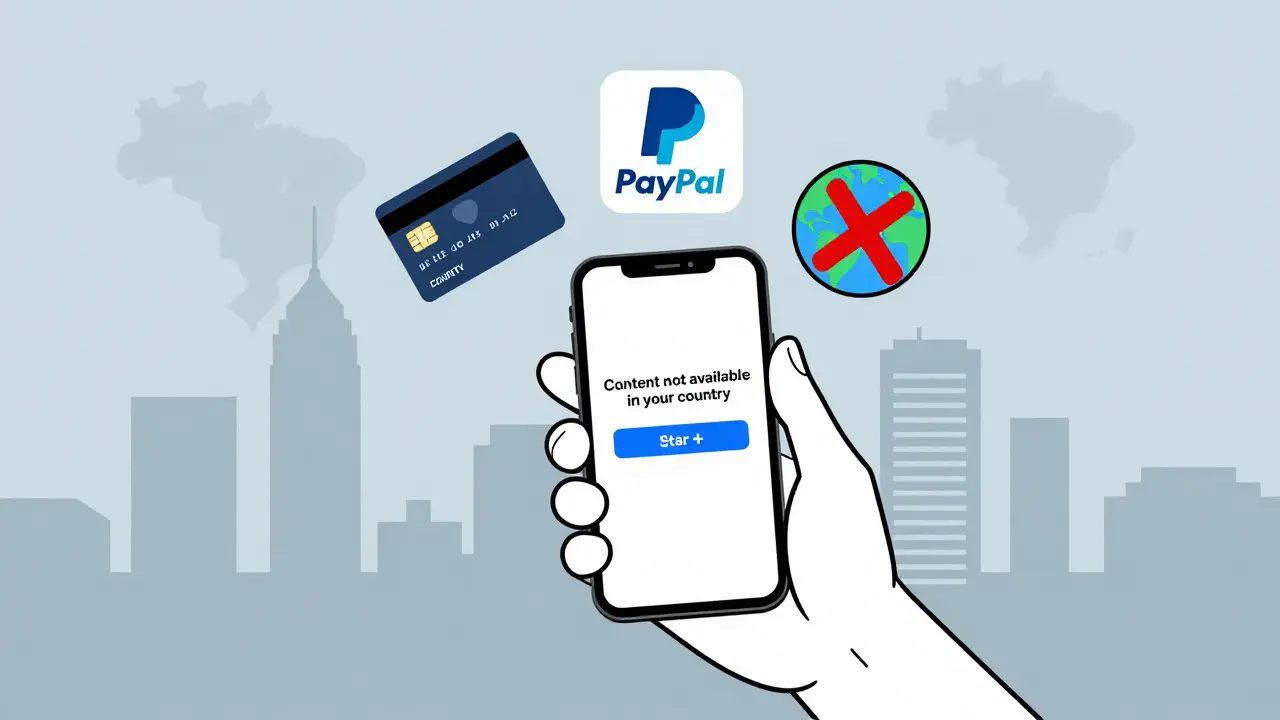
Unlike Claro Video, Star+ doesn’t bundle with mobile plans. You pay directly - around $10 USD per month in most countries. But again, you need a local payment method. Visa and Mastercard issued outside Latin America often get declined. Even PayPal accounts registered abroad get flagged.
Star+ has better device support than Claro Video. It works on iOS, Android, Roku, Apple TV, and PlayStation. But if you try to log in from outside the region, you’ll get an error that says “Content not available in your country.” No workaround. No hint. Just a wall.
Other Local Services You Should Know
Claro Video and Star+ aren’t the only players. Each country has its own local champions:
- Vix - Owned by TelevisaUnivision, this is the go-to for Mexican and U.S. Hispanic audiences. It’s free with ads, but has a premium tier. Content includes telenovelas from the 90s and new originals.
- Paramount+ Latam - Offers local versions of Yellowstone, Star Trek, and UFC, with Spanish dubbing. Available in Argentina, Chile, and Colombia.
- Max (formerly HBO Max) Latin America - Still available in some countries, but being phased out in favor of Star+. You’ll find Game of Thrones, Succession, and local films like El Camino.
- Amazon Prime Video Latin America - Not a local service, but it carries region-specific content. If you’re outside the region, you can still access it - but you’ll miss local originals and live sports.
These services don’t always overlap. A show on Vix might not be on Star+. A football match on Claro Video might be exclusive to a local ISP. There’s no single hub. You need to pick your platform based on what you want to watch.
How to Access These Services From Outside Latin America
Let’s be real: most people reading this are outside Latin America. Maybe you’re in Australia, Canada, or Europe. You miss your favorite show. You want to watch the Copa Libertadores live. Here’s what actually works - and what doesn’t.
Don’t use free VPNs. They’re slow, unreliable, and often blocked. Claro Video and Star+ actively detect and ban free proxy servers. If you try one, you’ll get locked out for days.
Use a paid, reputable VPN with Latin American servers. NordVPN, Surfshark, and ExpressVPN all have dedicated servers in Brazil, Mexico, and Argentina. Set your location to one of those countries. Then create a new account using a local payment method.
Here’s how to do it:
- Subscribe to a trusted VPN service with servers in Latin America.
- Connect to a server in Brazil or Mexico.
- Use a virtual credit card or gift card from a local retailer (like Mercado Pago or Boleto).
- Sign up for Claro Video or Star+ using a local email address (Gmail works, but avoid using your real name).
- Once logged in, keep the VPN active. Disconnecting will trigger a block.
Some users report success with temporary local SIM cards or friend/family accounts. But these are risky. Account sharing violates terms of service. You could lose access permanently.
What You Can’t Do - And Why
There are myths out there. Let’s clear them up.
- “I can use my U.S. Netflix account to watch Latin shows.” No. Netflix Latin America has a different catalog than U.S. Netflix. The shows you want aren’t there.
- “I’ll just download the app from the App Store.” The app won’t let you sign in unless your IP matches your account’s country.
- “I’ll use a proxy website.” Those are dead. Claro Video and Star+ shut them down in 2023.
- “I can watch with a Brazilian friend’s login.” Possible - but risky. Most platforms limit simultaneous streams to 2-4 devices. If they’re using it at home, you’ll get kicked out.
The only reliable way is to create your own account, using a local payment method and a stable, paid VPN. No shortcuts.
Costs and Subscription Options
Prices vary by country. Here’s what you’ll pay in 2026:
| Service | Country | Price (USD) | Includes |
|---|---|---|---|
| Claro Video | Brazil | $8.50 | Liga MX, HBO originals, local series |
| Claro Video | Mexico | $7.90 | Televisa content, live football, news |
| Star+ | Argentina | $10.50 | UFC, NBA, Disney originals, Latin series |
| Star+ | Chile | $10.00 | Same as Argentina |
| Vix | Latin America | $0 (ad-supported) | Free with ads; premium tier at $5.99 |
| Paramount+ Latam | Colombia | $9.99 | Yellowstone, UFC, local films |
Most services offer annual plans with 10-15% off. But you still need a local payment method. PayPal won’t cut it unless it’s registered in the region. Prepaid cards from local convenience stores (like Oxxo in Mexico or Casas Bahia in Brazil) are your best bet.
Device Compatibility and App Experience
Claro Video works best on Android TVs and Samsung Smart TVs. Its iOS app is clunky. Star+ is smoother across all devices - even on Apple TV 4K. Vix has the most consistent app experience across phones, tablets, and web browsers.
One thing all services share: poor English subtitles. Most shows are dubbed in Spanish or Portuguese. If you need English subtitles, you’re out of luck. Only a few international titles (like House of Cards or Stranger Things) offer them. Don’t expect subtitles for local telenovelas.
Streaming quality is usually HD, but not always. In rural areas of Peru or Bolivia, you might get 480p even on a 100 Mbps connection. It’s not the app’s fault - it’s the local internet infrastructure.
What’s Coming in 2026
Streaming in Latin America is growing fast. By 2026, over 140 million households will have a subscription. Claro Video is expanding into Peru and Ecuador. Star+ is adding more live sports - including women’s soccer leagues. Vix is launching a dedicated kids’ section.
Disney is also merging Star+ into Disney+ in 2026. That means fewer separate apps. But it also means more content locked behind paywalls. If you want the full library, you’ll need both services for now.
One thing’s clear: Latin American streaming isn’t going global. It’s going deeper - into local culture, language, and sports. If you want to experience it, you’ll need to play by its rules.
Can I use Claro Video or Star+ without a VPN?
No. Both services block access from outside Latin America. Even if you have a local payment method, your IP address will trigger a block. A reliable paid VPN is required to access these platforms from abroad.
Why won’t my U.S. credit card work on Star+?
Star+ only accepts payment methods issued in Latin American countries. U.S. cards, even if they’re from a bank with international branches, are automatically declined. You need a local card, prepaid voucher, or gift card from a regional retailer.
Is Vix free to use? What’s the catch?
Yes, Vix is free with ads, but the free version has heavy commercial breaks - sometimes 5-7 minutes per hour. The premium version removes ads and adds exclusive content. It’s a solid option if you don’t mind ads or want to watch classic telenovelas.
Can I share my Claro Video account with family overseas?
Technically, yes - but it violates the terms of service. Most services allow 2-4 simultaneous streams, but if they detect unusual login locations (like Australia and Mexico), they may suspend the account. It’s risky and not recommended.
Will Star+ and Claro Video merge in 2026?
No. Star+ is owned by Disney and Claro Video by América Móvil. They’re competitors. While Star+ is being integrated into Disney+, Claro Video remains independent. They will continue to operate separately.
Do these services offer English subtitles?
Rarely. Most local originals are only available in Spanish or Portuguese with no subtitles. International shows (like those from Disney or HBO) may have English options, but they’re the exception, not the rule.