Film Music: How Soundtrack Scores Shape Emotion and Story in Movies
When you think of film music, the composed audio that defines a movie’s emotional tone and rhythm. Also known as movie soundtrack, it’s not just what you hear—it’s what you feel. A single theme can turn a quiet walk into a moment of destiny, or make a villain’s entrance feel inevitable. Film music doesn’t just accompany the picture—it drives it. Think of the two-note shark theme in Jaws. No visuals needed. Just sound, and your heart starts racing. That’s the power of a well-crafted score.
Behind every great scene is a film scoring, the art of writing and arranging music specifically to match the pacing, mood, and narrative beats of a film. It’s not about playing pretty tunes—it’s about timing, texture, and tension. Composers like John Williams, Hans Zimmer, and Bernard Herrmann didn’t just write music; they built emotional architecture. Williams’ Star Wars themes aren’t just catchy—they’re character arcs in melody. Zimmer’s use of heartbeat rhythms in Inception turns time into a physical force. And Herrmann’s screeching violins in Psycho didn’t just scare you—they rewired how audiences experience fear on screen.
It’s not just about orchestras and synthesizers. Modern cinematic music, the evolving blend of traditional orchestration, electronic elements, and genre-blending sounds used in today’s films. often mixes live instruments with digital layers to create something raw and unexpected. Look at the score for Demon Slayer: Infinity Castle—it’s not just anime music. It’s a cultural event wrapped in strings and percussion that makes fans scream in theaters. Even The Graduate’s Simon & Garfunkel songs proved that pop music can carry the weight of alienation better than any symphony. Film music doesn’t care what genre it comes from—it just needs to feel true to the story.
And it’s not just the big moments. The silence between notes, the fade-out before a twist, the way a melody returns just when you least expect it—that’s where the magic lives. You don’t need to know how to read sheet music to feel it. You just need to watch a scene, hear the music swell, and realize you’re holding your breath. That’s the job of film music: to make you feel before you understand why.
Below, you’ll find posts that dig into how these scores are made, how they affect box office success, and why some themes become timeless while others vanish. Whether it’s how a single note can turn a horror film into a classic, or how streaming platforms now use music to shape viewer behavior—this is where sound meets story. And you’re about to hear it differently.
27
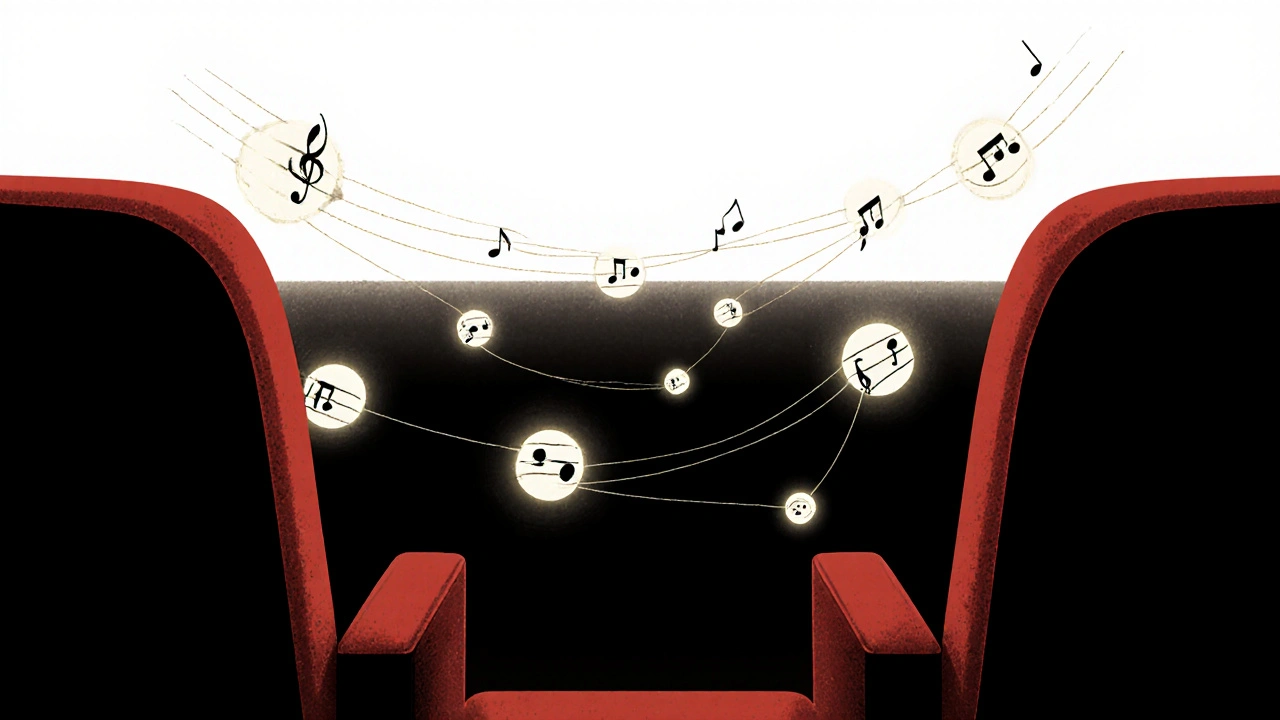
Score Mixing in Dolby Atmos: Spatial Music for Modern Cinemas
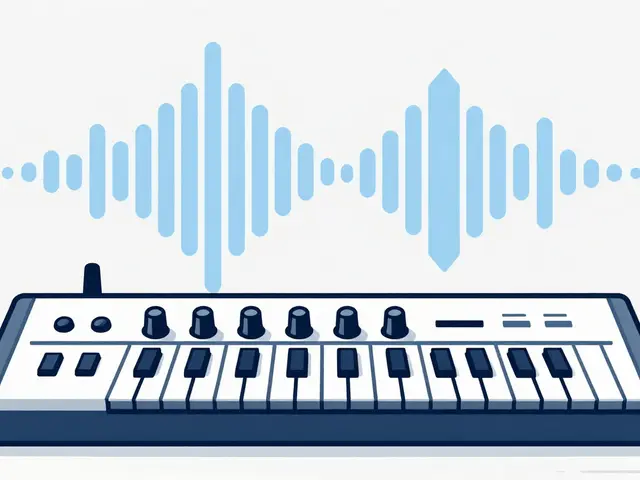
Score mixing in Dolby Atmos transforms film music by placing sounds in 3D space, creating emotional depth and movement that traditional surround can't match. Learn how modern composers use spatial audio to immerse audiences.
Latest Posts


Popular Posts
-
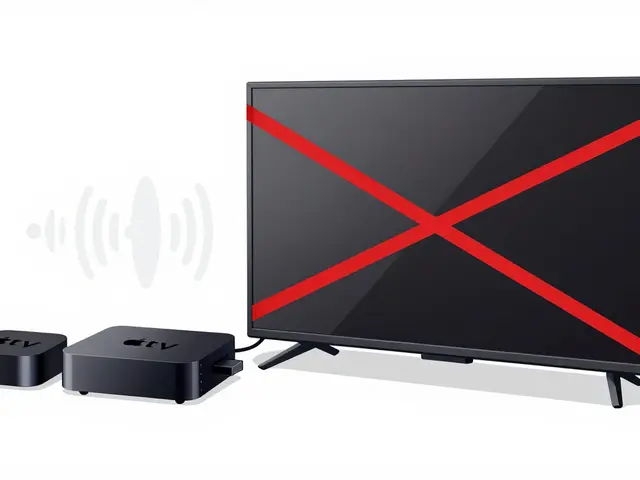 AVR Passthrough for Atmos: How to Set Up Device Audio for Dolby Atmos Streaming
-
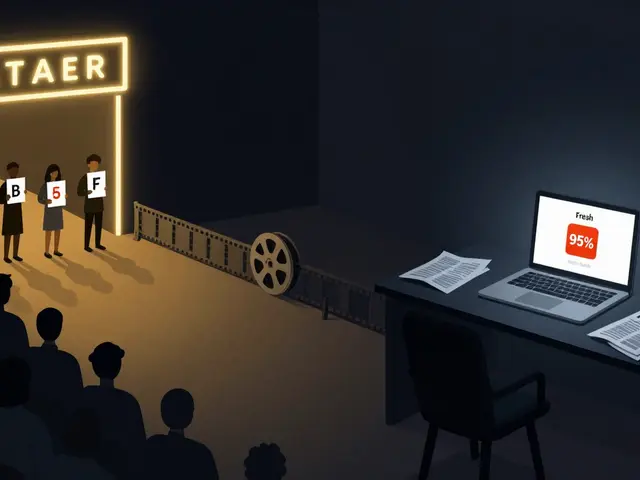 CinemaScore vs. Rotten Tomatoes: How Exit Polls and Critical Consensus Shape Movie Ratings
-
 Paramount+ Data Usage: How to Reduce Bandwidth on Mobile and TV
-
 Depeche Mode: M Review - Music as Documentary Experience
-
 Visual Examples in Text: How to Describe Shots and Edits Clearly