10
Auteur Theory Explained: How Directors Shape Film as Personal Art
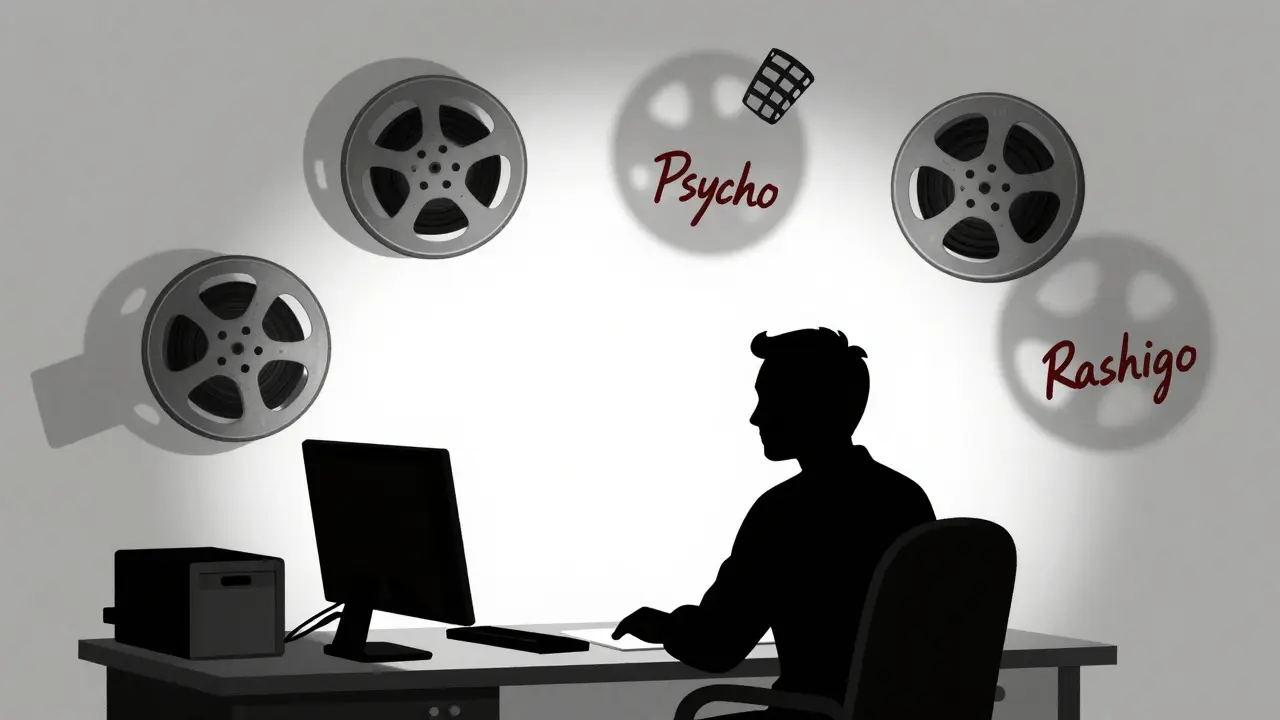
Auteur theory isn’t just a fancy term film students throw around. It’s the idea that a director is the true author of a movie - more than the writer, the producer, or even the studio. Think of a film like a novel. You don’t credit the printer or the editor. You credit the writer. Auteur theory says the same thing about directors. When you watch a Coen brothers film, you don’t just see a crime story. You see their dark humor, their symmetrical framing, their obsession with flawed characters. That’s not luck. That’s a signature.
Where Did Auteur Theory Come From?
The term didn’t start in Hollywood. It came from France in the late 1940s, from a group of film critics who wrote for Cahiers du Cinéma. Names like François Truffaut and Jean-Luc Godard were young, restless, and tired of seeing movies treated like factory products. They noticed something: directors like Alfred Hitchcock, Howard Hawks, and John Ford kept making films that felt like they came from the same person - even when the stories changed.
Truffaut’s 1955 essay, A Certain Tendency of the French Cinema, was the spark. He argued that a director’s personal vision could shine through even in studio system movies, where scripts were rewritten and actors swapped out. Hitchcock, for example, made thrillers for Universal and Paramount. But every one of them had his fingerprints: the wrong man accused, the icy blonde, the sudden violence, the obsession with control. That wasn’t coincidence. That was art.
What Makes a Director an Auteur?
Not every director is an auteur. There are three big signs:
- Consistent themes - Do they keep coming back to the same ideas? Spielberg’s films often deal with lost children, absent fathers, and the awe of the unknown. David Lynch? Dreams, guilt, and hidden violence.
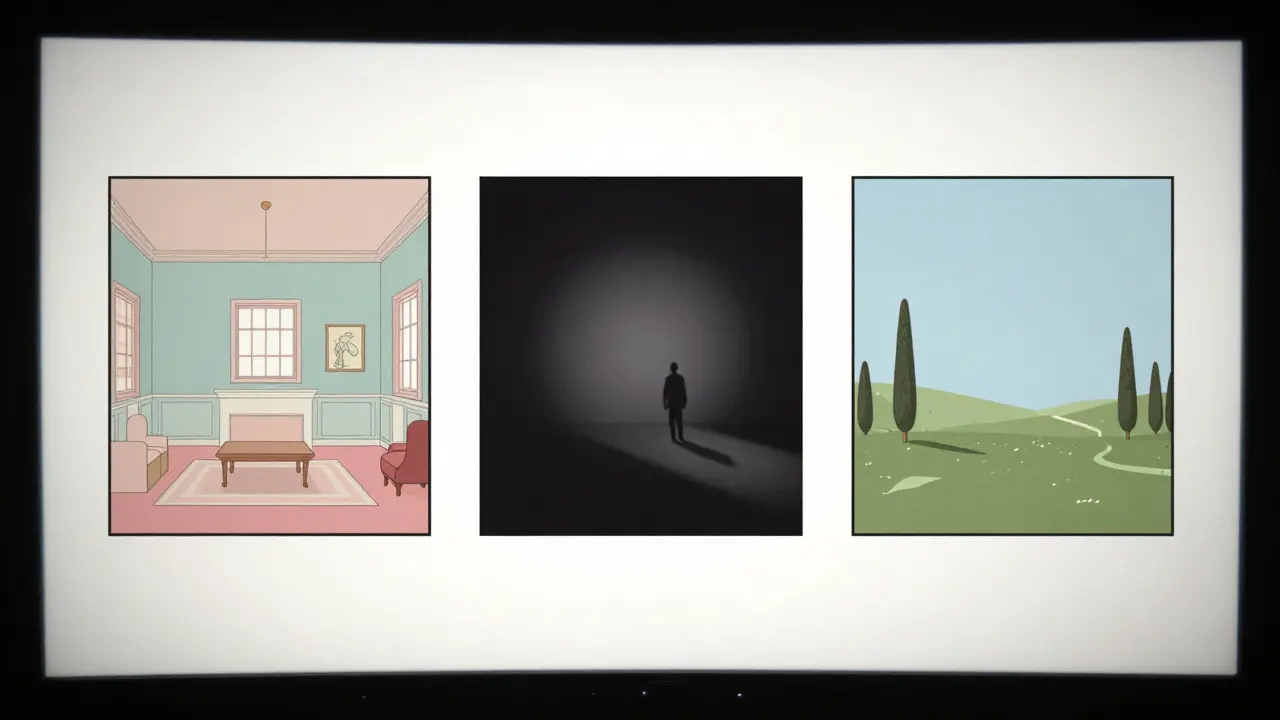
- Distinctive style - How do they shoot? How do they cut? Wes Anderson uses symmetrical frames and pastel colors. Denis Villeneuve favors slow zooms and silence before chaos. These aren’t accidents. They’re choices.
- Personal control - Do they write, produce, or edit their own films? Scorsese often edits his movies. Christopher Nolan writes his scripts and controls the release. That kind of control lets their vision survive studio interference.
It’s not about being the best director. It’s about being unmistakable. If you can recognize a film by its look or feel - even without the title - you’re seeing an auteur at work.
Who Are the Classic Auteurs?
Some names are now locked into film history:
- Alfred Hitchcock - The master of suspense. His films, from Psycho to Vertigo, all feel like psychological traps. He even made cameos in almost every one - a tiny signature.
- John Ford - His Westerns weren’t just cowboy stories. They were about loneliness, myth, and the cost of civilization. The Searchers isn’t about rescuing a girl. It’s about obsession.
- Ingmar Bergman - His black-and-white films stared into the soul. Persona, Wild Strawberries - they’re not stories. They’re confessions.
- Akira Kurosawa - He remade Shakespeare into samurai epics. Rashomon didn’t just show different perspectives - it made you question truth itself.
These directors didn’t just make movies. They built worlds you could recognize in five seconds.
Modern Auteurs: Who’s Carrying the Torch?
The studio system is different now. Streaming, budgets, algorithms - it’s harder to have total control. But auteurs still exist.
- Paul Thomas Anderson - His films feel like long, messy family dramas with explosive emotional payoffs. There Will Be Blood isn’t about oil. It’s about greed, loneliness, and the cost of ambition.
- Greta Gerwig - Her Little Women and Barbie aren’t just adaptations. They’re personal reimaginings. She doesn’t just direct - she rewrites the rules of how women’s stories are told.
- Jordan Peele - Horror with a message. His films use scares to expose racism, identity, and fear. Get Out didn’t just scare you. It made you think about who gets to be seen.
- Denis Villeneuve - His sci-fi epics (Arrival, Dune) move like slow poems. He uses silence like a weapon. You feel the weight of space before you hear a word.
These directors don’t chase trends. They chase their own obsessions. And audiences notice.
Why Auteur Theory Still Matters
Some critics say auteur theory is outdated. They point to big franchises - Marvel, Star Wars - where directors are hired hands. That’s true. But even there, the best directors leave marks. Taika Waititi’s Thor: Ragnarok still had his weird humor. Jon Watts’ Spider-Man films still felt like teenage coming-of-age stories.
Auteur theory isn’t about who has the final cut. It’s about recognizing art when it shows up. It’s about asking: Who made this? Not just who directed it?
When you watch a film, you’re not just consuming entertainment. You’re reading a voice. And that voice - whether it’s Spielberg, Kurosawa, or Gerwig - is the reason we keep coming back to the movies.
What Auteur Theory Gets Wrong
It’s not perfect. Critics point out flaws: it ignores writers, cinematographers, editors, and actors. A film isn’t made by one person. Auteur theory can sound like a myth - the lone genius in the director’s chair.
And yes, it’s been used to excuse bad behavior. Some directors were terrible people. Does their art still matter? That’s a question the theory doesn’t answer.
But here’s the thing: even if it’s flawed, it’s useful. It gives us a lens. Without auteur theory, we’d just see movies as products. With it, we start seeing them as personal statements. That’s why we still talk about Hitchcock’s shadows, Bergman’s silence, or Anderson’s tracking shots. They’re not just techniques. They’re confessions.
How to Spot an Auteur - Even If You’re Not a Film Student
You don’t need a film degree to see it. Here’s how:
- Watch two films by the same director. Do they feel like siblings? Same tone? Same rhythm?
- Notice the small things. How do people move? How does the camera breathe? Is there music where you expect silence?
- Look at the endings. Do they leave you with a question? A feeling? A punch? Auteurs don’t tie everything up neatly.
- Read interviews. Do they talk about their own fears, memories, or obsessions - not just plot points?
Try it. Watch Amélie and then Le Fabuleux Destin d’Amélie Poulain - same film, different language. Then watch Edmond by the same director. You’ll see the same whimsy, the same loneliness. That’s the signature.