30
Streaming Subtitles and Dubbing: Language Options on Services
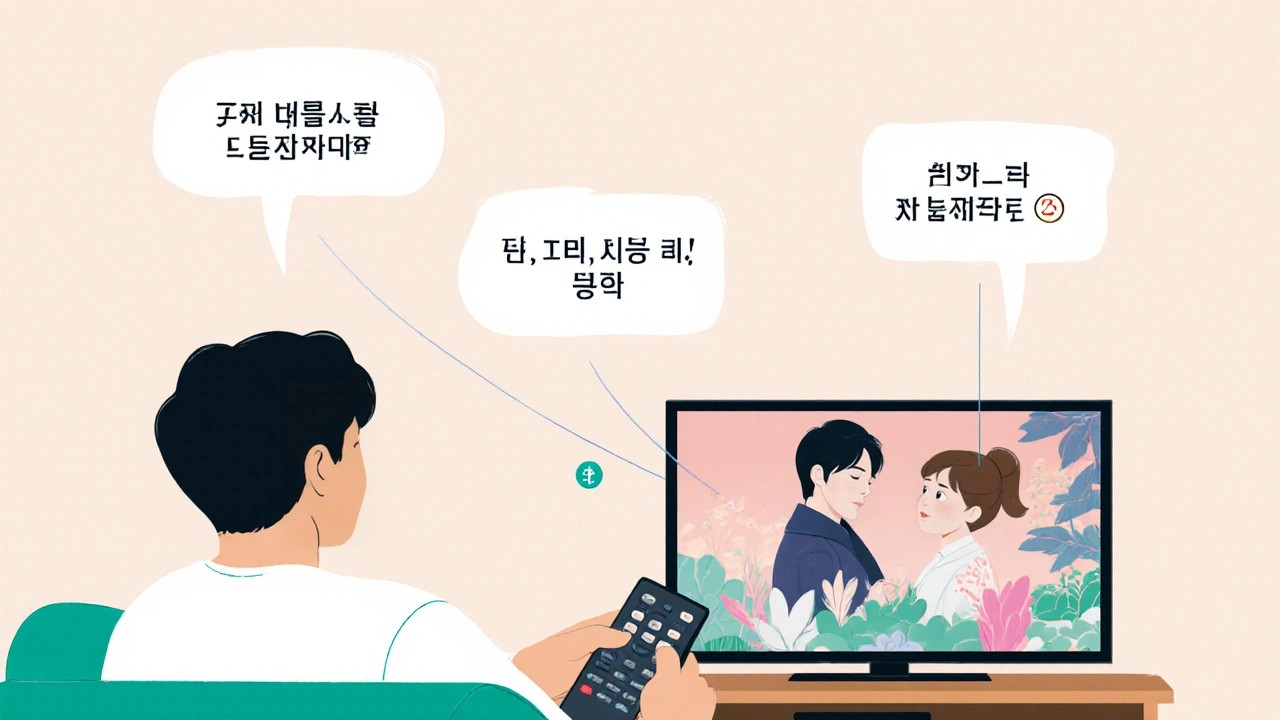
Ever watched a Korean drama on Netflix and switched from subtitles to dubbing mid-scene-only to realize the voice doesn’t match the actor’s lip movements? Or tried to help your kid understand a Japanese anime by turning on Spanish dubbing, only to get confused when the dialogue changes completely? You’re not alone. Streaming services now offer dozens of language options, but not all of them are created equal. Some subs are translated by AI in seconds. Some dubs are done by voice actors who’ve never even seen the show. And a lot of times, the language you want just isn’t there.
Why Subtitles and Dubbing Matter More Than Ever
Back in the 2000s, if you wanted to watch something in another language, you either bought a DVD with special language tracks or waited for a local broadcaster to air it. Today, over 70% of Netflix’s most-watched non-English shows come from outside the U.S. or U.K., according to internal data shared with industry analysts. That’s not just a trend-it’s the new normal. People don’t just watch content from other countries; they expect to understand it on their terms.
Subtitles let you hear the original voice, preserve tone, and catch subtle expressions. Dubbing makes it easier for kids, older viewers, or those who struggle with reading speed. But neither is perfect. A poorly timed subtitle can ruin a punchline. A badly dubbed line can make a tragic moment feel silly. The difference between a good and bad language option isn’t just about translation-it’s about cultural adaptation.
How Streaming Services Handle Subtitles
Most major platforms-Netflix, Disney+, Amazon Prime Video, Apple TV+, and Hulu-offer subtitles in 15 to 30 languages per title. But here’s the catch: not every language is available for every show. A popular Thai series might have English, Spanish, and French subs, but no Arabic or Hindi. Why? Because translation isn’t cheap. Professional human translators cost money. AI tools are faster, but they miss sarcasm, idioms, and cultural references.
Netflix, for example, uses a mix of human and AI translation. For high-profile originals like Money Heist or Squid Game, they hire teams of linguists who work directly with the production team. They don’t just translate words-they adjust jokes, rewrite songs, and even tweak timing so the subtitles don’t block important visuals. For smaller titles, they might rely on machine translation with light human review. That’s why you’ll sometimes see weird phrasing like “I am the one who knocks” instead of “I’m the one who knocks” in some dubs.
Subtitles also vary by region. In Germany, for instance, Netflix often uses a more formal tone. In Brazil, they adapt slang to match local dialects. In Japan, subtitles are usually more concise because readers process text faster there. So even if you pick “English subtitles,” what you’re seeing might be slightly different depending on where you live.
Dubbing: The Hidden Art of Voice Matching
Dubbing is where things get really tricky. You might think it’s just replacing the original audio with another language. It’s not. It’s about matching lip movements, emotional tone, pacing, and even gender and age of the character.
Disney+ spends millions dubbing Pixar films into 40+ languages. For Encanto, they hired native Spanish speakers from Colombia to voice the Madrigal family-because the movie is set there. They didn’t just cast the best voice actors; they cast people who could replicate the rhythm of Colombian Spanish. That’s why the dub feels authentic, even if you’ve never been to Medellín.
But not every service does that. On some platforms, especially older or budget titles, you’ll hear dubs where the voice actor sounds nothing like the actor on screen. Sometimes the dub is recorded months after filming, and the actor’s mouth movements don’t line up at all. That’s why you might see a character yelling “NO!” while the dub says “I can’t believe this!”-because the original line was shorter.
Some services, like Crunchyroll, specialize in anime and have mastered the art of “lip-sync dubbing.” They use software that analyzes mouth shapes in the original footage and time the dubbed lines to match. It’s expensive, but it’s the only way to make anime feel natural in English or French.
Which Services Offer the Best Language Options?
Here’s how the big players stack up in late 2025:
| Service | Subtitles (Avg. per title) | Dubbing (Avg. per title) | Special Features |
|---|---|---|---|
| Netflix | 25-30 | 15-20 | AI-powered adaptive subtitles, regional dialect adaptations |
| Disney+ | 20-25 | 18-22 | High-quality dubs for family content, consistent voice casting |
| Amazon Prime Video | 15-20 | 10-15 | Varies by region; some titles have no dubs at all |
| Apple TV+ | 10-15 | 8-12 | Focused on originals; fewer languages, higher quality |
| Crunchyroll | 12-18 | 10-15 | Best anime lip-sync dubs, fan-favorite language options |
| Hulu | 10-14 | 8-10 | Mostly U.S. content; limited international language support |
Netflix leads in volume. Disney+ wins on quality and consistency. Crunchyroll is the go-to for anime fans who want dubs that don’t feel like a bad karaoke version. Apple TV+ might have fewer languages, but when they do dub something, it’s polished-like a movie theater release.
What You Can’t Get (And Why)
There are still big gaps. For example, you won’t find a proper Somali dub for Stranger Things. Or a Māori subtitle for Succession. Why? Because there’s no market. Translation companies won’t invest in languages with fewer than 50,000 potential viewers per title. That’s the brutal math behind it.
Some languages are left out because of licensing. A show filmed in India might have Hindi and Tamil dubs, but not Kannada or Telugu-because the rights to those versions weren’t secured. Or, in rare cases, a studio might refuse to allow a language dub for cultural reasons. One Chinese drama was pulled from international platforms because the producers didn’t want Mandarin dubbed into Korean, fearing it would dilute the original tone.
Even when a language is listed, it might be outdated. A 2022 show might still have 2020-era subtitles with typos or mistranslations. Platforms rarely update old subs unless someone complains.

How to Find the Best Language Settings
If you’re trying to get the best experience, here’s how to do it:
- Check the show’s page before you hit play. Look under “Audio & Subtitles” to see what’s available.
- For dubs, look for “Original Voice” as an option. If it’s missing, the dub might be the only version available.
- Try switching between subtitle styles. Some services offer “Forced Subtitles” (only for foreign dialogue) or “SDH” (Subtitles for the Deaf and Hard of Hearing), which include sound cues like [door slams].
- Use a browser extension like Language Reactor (for Chrome) to see dual subtitles-original and translated side-by-side. Great for language learners.
- Report bad translations. Most platforms have a “Report Issue” button under the subtitle menu. Your feedback helps them improve.
What’s Changing in 2025
AI is making big waves. Netflix started testing real-time AI dubbing for some shows in early 2025. It’s not perfect-voices still sound robotic-but it’s fast and cheap. For niche languages like Swahili or Ukrainian, AI dubbing might be the only way those versions ever get made.
Some platforms are also letting fans help. Crunchyroll lets users vote on which anime should get new dubs. Disney+ has a community translation portal where fans can submit subtitle corrections for older titles. It’s not official, but it’s getting noticed.
And then there’s the rise of “personalized audio.” Apple TV+ is testing a feature that lets you adjust the volume of background music versus dialogue in dubs-so you can hear every word clearly, even in noisy rooms. That’s the future: not just more languages, but better control over how you experience them.
Final Thought: It’s Not Just About Translation
Language options on streaming services aren’t just a feature-they’re a statement. They say: your culture matters. Your way of speaking matters. Even if you’re not fluent in English, you still deserve to enjoy stories from around the world.
But they’re also a reminder that technology isn’t magic. Behind every subtitle and dub is a team of translators, voice actors, editors, and engineers working under tight deadlines and tight budgets. The best options come from care. The worst come from shortcuts.
So next time you switch to Spanish dubbing on a French thriller, or turn on Korean subs for a Thai horror movie, take a second to appreciate the work that made it possible. And if something feels off? Tell them. That’s how things get better.
Why do some streaming services have more languages than others?
It comes down to cost, demand, and licensing. Big platforms like Netflix and Disney+ invest in dozens of languages because they have global audiences and big budgets. Smaller services may only offer English and one or two other languages because they focus on specific regions. Some titles also come with language rights already locked in by the original producer, so the streaming service can’t add more without paying extra.
Can I request a new language for a show I’m watching?
Yes, but it’s not guaranteed. Most platforms have a “feedback” or “report” option under the subtitle or audio menu. You can suggest a language, and if enough people ask for it, the service may consider it. For example, Netflix added Tagalog subtitles for Money Heist after a viral petition from Filipino fans. But if a language has fewer than 10,000 potential viewers in a region, it’s unlikely to happen.
Why does the dubbing sound so unnatural sometimes?
Poor dubbing usually happens when the voice actor isn’t matched to the character’s age, gender, or emotion-or when the script is translated too literally. Some studios record dubs months after filming, so lip movements don’t line up. Budget cuts also mean fewer takes and less time to tweak timing. High-quality dubs, like those from Disney+ or Crunchyroll, use voice casting that matches the original actor’s tone and record in sync with the visuals.
Are subtitles always accurate?
Not always. Subtitles are often shortened to fit on screen, which means idioms, jokes, or cultural references get simplified or changed. Sometimes, AI-generated subtitles miss context entirely. For example, a Spanish phrase like “estar en la luna” (to be daydreaming) might get translated as “to be on the moon,” which sounds odd in English. Professional translators fix this by adapting meaning, not just words.
Why can’t I find subtitles in my native language even though it’s widely spoken?
Sometimes it’s a licensing issue. The original studio might not have sold the rights for that language. Other times, the streaming service doesn’t have enough users in that region to justify the cost. For example, while Hindi is spoken by over 600 million people, some older shows on Prime Video still don’t have Hindi subtitles because the rights were only acquired for English and a few European languages.