9
What Makes Great Acting: The Invisible Art on Screen
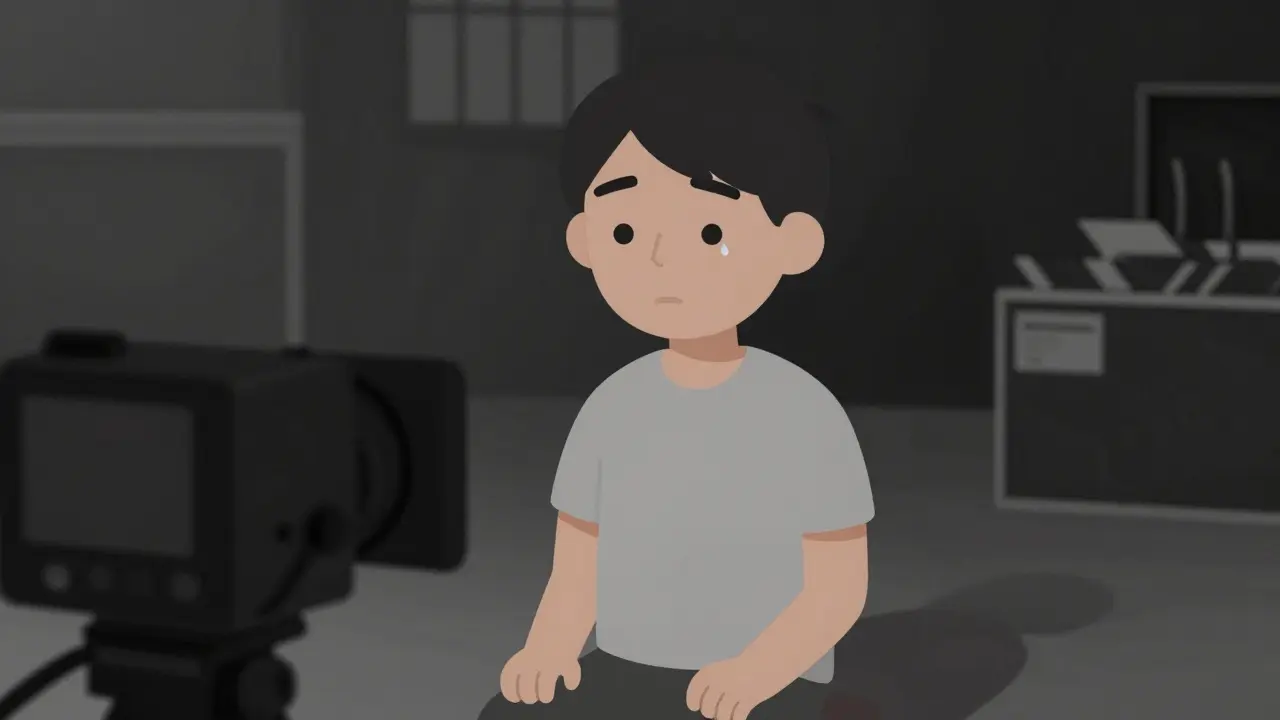
Great acting doesn’t shout. It doesn’t wave its arms or tear up the set. It doesn’t need a spotlight. In fact, the best performances are the ones you don’t even notice you’re watching. You just believe the person on screen is real. That’s the invisible art. And it’s harder to pull off than any stunt, any monologue, or any Oscar-bait scene.
It’s Not About the Lines
Most people think great acting means delivering lines with power. Big emotion. Loud voice. Tears. But watch a scene from Daniel Day-Lewis in There Will Be Blood or Frances McDormand in Three Billboards Outside Ebbing, Missouri. They don’t perform. They exist. Their words feel like thoughts that happened to come out of their mouths. The script didn’t make them real-their choices did.
Acting isn’t about saying the right thing. It’s about what’s left unsaid. The pause before a response. The way a hand trembles just slightly when holding a cup. The blink that comes a half-second too late. These are the moments that stick with you. Not because they’re dramatic, but because they’re true.
Subtext Is the Engine
Every line of dialogue has two layers: what’s spoken, and what’s meant. Great actors live in the second layer. They don’t just recite the script-they inhabit the silence between the words.
Think of a scene where a character says, “I’m fine,” while staring out a window. The actor doesn’t need to cry. They don’t need to shout. They just need to let the weight of everything they’re not saying settle into their shoulders, their eyes, the way their breath catches. That’s subtext. And it’s the difference between a performance and a life.
Studies from the Journal of Performance Studies show that audiences remember emotional truth more than dramatic intensity. When an actor reveals something real-fear, shame, longing-without saying it outright, viewers feel it deeper. It’s not about acting. It’s about revealing.
The Body Tells the Story
Acting isn’t just about the face. The whole body is the instrument. A slumped posture. A foot tapping. A shirt pulled tight across the chest. These are not random choices. They’re clues.
Look at Viola Davis in Fences. Her character, Rose, doesn’t have a big speech that changes the plot. But her stillness speaks louder than any monologue. The way she folds laundry while listening to her husband’s confession. The way her hands keep moving, even when her voice stops. That’s not acting. That’s being.
Great actors train their bodies like musicians train their hands. They know how tension in the jaw changes the tone of a laugh. How a shift in weight can make a simple walk feel like a confession. They don’t just play roles-they become physical archives of emotion.
Listening Is the Highest Skill
Most actors focus on their own lines. Great actors focus on the other person. Real listening changes everything. It’s not about waiting for your turn to speak. It’s about letting the other person’s truth reshape your reaction.
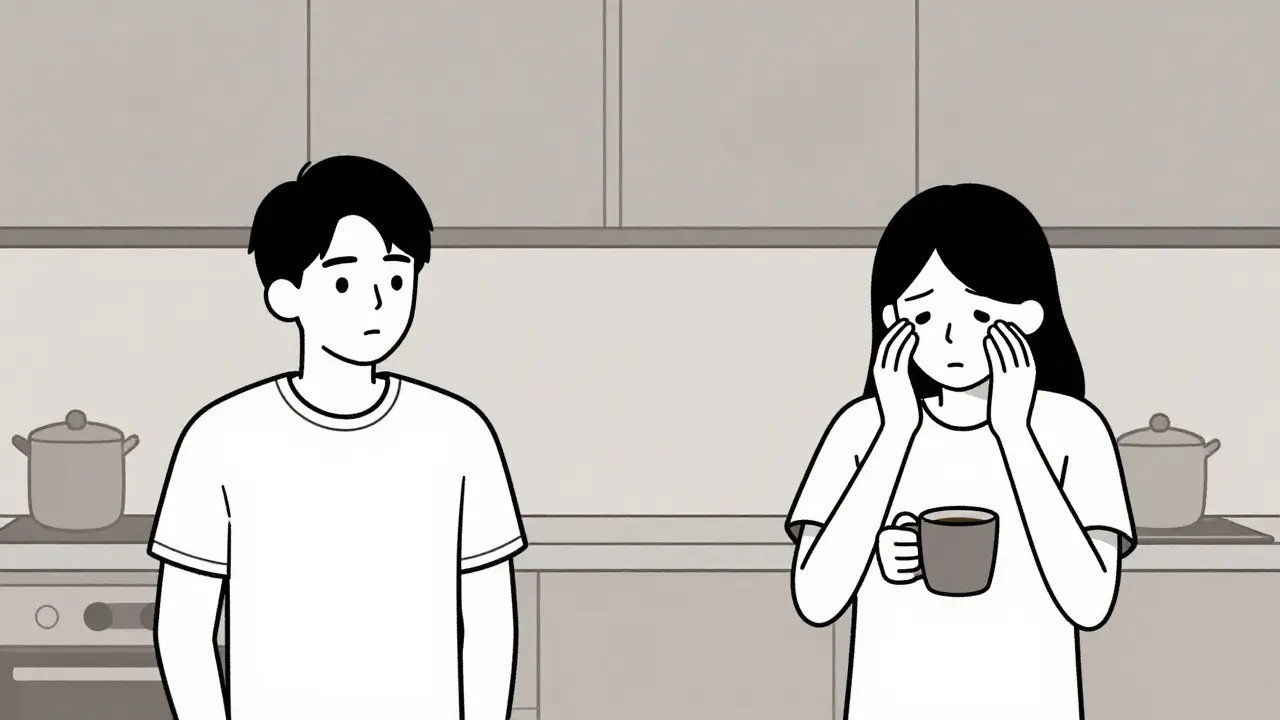
Watch Adam Driver and Scarlett Johansson in Marriage Story. In their kitchen argument, neither one is “performing.” They’re reacting. One breathes too fast. The other looks away and then back again-too late. The silence between them is thicker than any dialogue. That’s because they’re truly listening. Not to the script. To each other.
There’s a famous story about Meryl Streep in rehearsal for The Iron Lady. She asked the director, “What’s my character thinking right now?” The director said, “She’s thinking about her husband.” Streep replied, “Then why are you telling me to say it like I’m angry?” She didn’t need the lines to know the emotion. She needed the truth behind them.
Emotional Memory Isn’t About Trauma
You’ve heard of Method acting-pulling from personal pain to fuel a performance. But that’s not what great acting is built on. It’s not about reliving trauma. It’s about recognizing the universal.
Great actors don’t need to have lost a child to play grief. They need to have felt the quiet dread of waiting for a phone call. They don’t need to be homeless to play poverty. They need to have felt invisible in a crowded room.
The trick isn’t digging up your worst memories. It’s finding the smallest, most ordinary moment that carries the same weight. A missed birthday. A text left unanswered. A promise broken silently. That’s the emotional anchor. Not the big event. The quiet one.

The Camera Doesn’t Lie
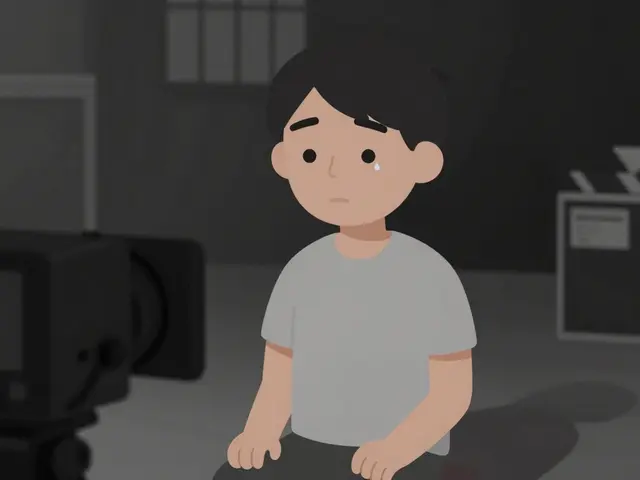
Stage acting can get away with bigger gestures. Film doesn’t. The camera sees everything. A twitch. A breath. A tear that never falls. It captures the truth you can’t fake.
That’s why so many great performances are quiet. Think of Timothée Chalamet in Call Me By Your Name. His final scene is mostly silence. He doesn’t cry. He doesn’t speak. He just sits. And you feel every second of loss because the camera holds on his face-not because he’s crying, but because his eyes are still alive.
There’s no trick to this. No technique that can replace presence. You can’t fake stillness. You can’t fake attention. You can’t fake the way someone holds a photo they know they’ll never look at again.
It’s Not About Being Good. It’s About Being Real.
Great acting isn’t about awards. It’s not about technique. It’s not even about talent, in the traditional sense. It’s about surrender. The actor stops trying to be impressive and starts trying to be honest.
When you watch a performance that haunts you, it’s because the actor let go. They didn’t protect themselves. They didn’t hide behind their training. They let the character’s fear, shame, joy, or loneliness live in them-even if it hurt.
The invisible art isn’t invisible because it’s subtle. It’s invisible because it’s real. And reality doesn’t need applause. It just needs to be seen.
What’s the difference between stage acting and screen acting?
Stage acting relies on projection-voice, gesture, physical presence-to reach the back row. Screen acting is the opposite. It’s about restraint. The camera is inches from your face, so a slight shift in the eyes or a breath held too long tells the whole story. What works on stage feels exaggerated on film. What feels quiet on film feels powerful because it’s true.
Can you learn great acting, or is it natural talent?
Technique can be taught: voice, movement, script analysis. But great acting comes from emotional honesty, which can’t be taught-it can only be uncovered. Training helps you remove blocks. It doesn’t create truth. The best actors spend years learning how to get out of their own way so the character can speak through them.
Why do some actors win awards for quiet performances?
Because those performances are harder. A loud, emotional scene draws attention. A quiet one slips under the radar. But when it lands, it changes how you see the whole film. Judges notice when an actor makes you feel something without saying a word. That’s why performances like Manchester by the Sea or The Father win Oscars-they don’t perform emotion. They become it.
Do great actors always use Method techniques?
No. Some use Method, some use Meisner, some use intuition. What they all share is a commitment to truth over technique. You don’t need to live in character for months to give a great performance. You just need to know what the character feels-and be brave enough to let that feeling show, even if it’s messy.
What’s the most common mistake new actors make on camera?
Trying to look like they’re acting. They over-enunciate. They make eye contact with the camera. They think bigger is better. But the camera doesn’t want drama. It wants truth. The best performances are the ones where you forget it’s acting at all.