Professional Film Writing: Craft Stories That Stick
When we talk about professional film writing, the art of crafting stories for the screen that move audiences and drive production. Also known as screenwriting, it's not about fancy words—it's about clarity, rhythm, and emotional truth. A great script doesn’t need big explosions or complex metaphors. It needs characters who feel real, stakes that matter, and dialogue that sounds like something a person would actually say—then cuts deeper.
What separates professional film writing from amateur drafts? It’s the structure beneath the words. Think of it like building a house: the dialogue is the paint, but the plot, pacing, and character arcs are the frame. Writers like Aaron Sorkin and Quentin Tarantino didn’t win praise because they used big vocabulary—they won because every line revealed something new about who the character was, or what they were hiding. And that’s the core of screenwriting, the craft of translating human experience into visual storytelling. It’s not enough to write what happens—you have to write why it matters.
Then there’s the film narrative, how a story unfolds over time to create meaning, tension, and surprise. Look at Rashomon. Four versions of the same event. None of them fully true. That’s not a trick—it’s a lesson. Professional film writing understands that truth isn’t fixed. It’s shaped by memory, fear, and desire. That’s why the best scripts don’t just tell stories—they make you question what you thought you knew.
And let’s not forget character development, the process of building layered, changing people who drive the story forward. You don’t need a hero with a tragic past. You need someone who changes because of what happens to them. Look at Bill Murray in Groundhog Day. He didn’t become a better person because he got a pep talk. He changed because he ran out of excuses. That’s the kind of arc that sticks.
Professional film writing doesn’t care if you have a big budget. It cares if you know how to make someone feel something. The posts below cover everything from how dialogue shapes a scene to how structure turns a good idea into a classic. You’ll find breakdowns of iconic scripts, tips for tightening your scenes, and real examples from films that changed how stories are told. No fluff. Just what works.

25
How to Write Film Reviews Without Spoilers: Pro Techniques Used by Critics
Learn how professional film critics write reviews without spoiling key plot twists. Discover practical techniques to protect the viewing experience while still delivering powerful insights.
Latest Posts


Popular Posts
-
 Apple TV+ on iPhone and iPad: How to Stream and Maximize Your Experience
-
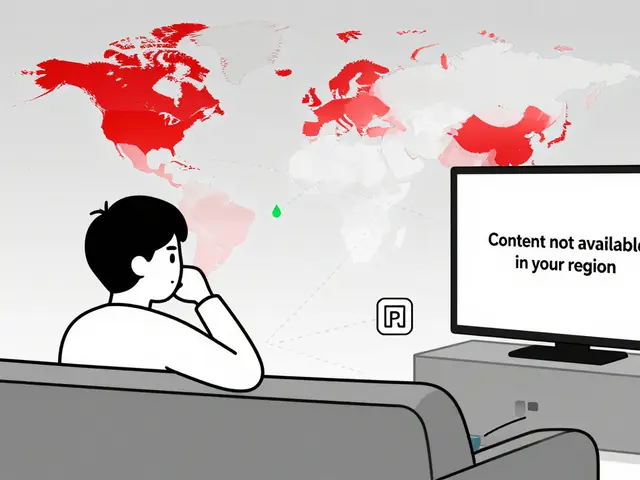 VPN or Proxy Errors on Streaming: How to Resolve Access Blocks
-
 Depeche Mode: M Review - Music as Documentary Experience
-
 Effective Screen Time Management for Streaming: Setting Limits for Kids
-
 Mesh Networks for Whole-Home Streaming: Complete Setup Guide