11
The Ethics of Spectatorship: Violence, Voyeurism, and Consent
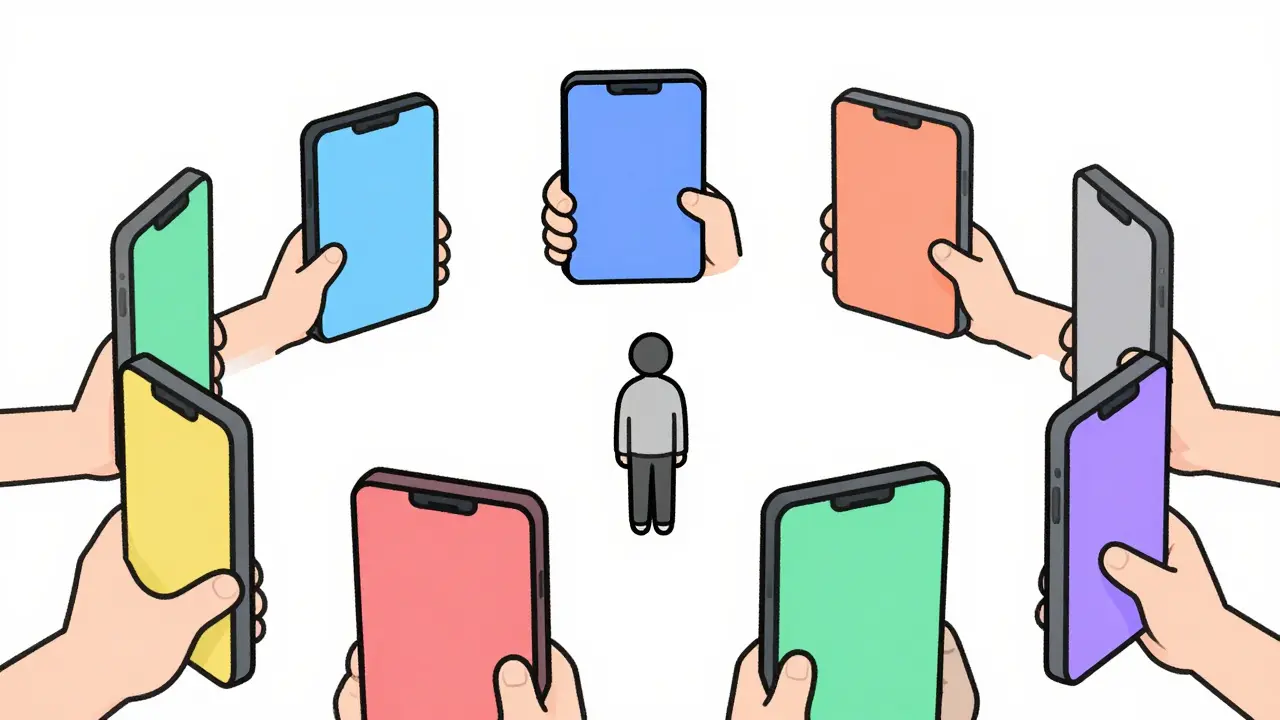
Ever found yourself unable to look away from a car crash or a heated street fight captured on a smartphone? You aren't alone. There is a visceral, almost magnetic pull to witnessing pain or chaos from a safe distance. But that pull comes with a heavy moral price tag. When we watch someone suffer, are we just observers, or are we complicit in the act? The line between curiosity and cruelty is thinner than we like to admit, especially in an era where every tragedy is recorded in 4K and uploaded for a global audience within seconds.
The Core of the Spectator's Dilemma
At its heart, the ethics of spectatorship is about the power dynamic between the person watching and the person being watched. When we view a scene of violence, we are in a position of safety. The subject, however, is in a state of vulnerability. This imbalance is where the moral friction starts. If you are standing on a sidewalk watching a fight, you have the agency to walk away, to help, or to film. The victim has no such choice.
Voyeurism is the practice of gaining sexual or psychological gratification from observing others when they are unaware or in private moments. While often discussed in a sexual context, social voyeurism is what drives the "viral" nature of the modern internet. We peek into the worst moments of others' lives to feel a sense of relief that it isn't happening to us, or to satisfy a primitive curiosity about human breaking points.
The Digital Panopticon and the Death of Privacy
We used to have "private" tragedies. If something happened in a quiet alley in the 1980s, only the witnesses saw it. Today, the witness is often a lens. This has turned our society into a digital version of the Panopticon, a conceptual model of a prison where all inmates can be observed by a single guard without knowing it. In our case, the "guard" is everyone with a TikTok or X account. The act of filming doesn't just record an event; it changes the event. When a victim realizes they are being filmed rather than helped, the trauma doubles. The violence is no longer just physical; it becomes a performance for an invisible crowd.
Consider the " bystander effect" in the digital age. In the past, people froze because they didn't know if they should act. Now, people freeze because they are too busy framing the perfect shot. The screen becomes a barrier that dehumanizes the subject, turning a living, breathing human into a piece of content to be consumed and critiqued in a comment section.
Consent in the Age of Viral Footage
Consent is usually discussed in bedrooms or medical offices, but it is the missing piece in media ethics. Most of the violent or embarrassing clips we see were never "consented" to by the person in the video. When a video of a public meltdown or an assault goes viral, the victim's most shameful or painful moment becomes permanent public record.
Informed Consent is the process of getting permission from a participant after fully explaining the risks and benefits of an action. In the wild world of citizen journalism, this is non-existent. The "public square" argument-the idea that if you're in public, you've waived your right to privacy-is a legal shield, not a moral one. Just because it is legal to film someone in a park doesn't mean it is ethical to broadcast their mental health crisis to five million strangers.
| Spectator Type | Motivation | Ethical Risk | Impact on Subject |
|---|---|---|---|
| The Helper | Altruism | Physical danger to self | Immediate support/relief |
| The Chronicler | Documentation | Prioritizing data over life | Feeling exposed/objectified |
| The Voyeur | Curiosity/Thrill | Dehumanization | Secondary trauma/Shame |
| The Judge | Moral Outrage | Misinterpretation of context | Public condemnation/Harassment |
The Psychology of the "Gaze"
To understand why we watch, we have to look at the Male Gaze (and its broader variations), a feminist theory describing how visual arts and literature depict the world and women from a masculine, heterosexual point of view. While originally about gender and power in cinema, the "gaze" applies to any situation where the viewer holds power over the viewed. The gaze objectifies. It strips the subject of their complexity and turns them into a symbol-the "victim," the "villain," the "fool."
When we watch a video of a street fight, we aren't seeing a full human story. We are seeing a slice of a life, stripped of context. This fragmentation allows the viewer to distance themselves from the reality of the pain. We aren't watching a person suffer; we are watching a "clip." This cognitive dissonance is what allows people to enjoy the spectacle of violence without feeling like "bad people."
Moving From Passive Consumption to Active Empathy
How do we break this cycle? It starts with a conscious shift in how we interact with distressing content. Instead of asking "Is this interesting?", we should ask "Would I want this recorded if it were me?" This is the basic rule of reciprocity. If the answer is no, the ethical choice is to stop watching and stop sharing.
We also need to challenge the platforms that reward voyeurism. Algorithms are designed to push high-arousal content-and nothing spikes arousal quite like violence or outrage. By clicking, liking, and sharing, we are essentially paying the creators of this content in the only currency they value: attention. We are funding the erosion of human dignity.
Active empathy requires us to see the person behind the pixels. This means resisting the urge to simplify the narrative. When we see a video of someone acting out, instead of judging them, we can wonder what led them to that point. It transforms the act of watching from an exercise in power to an exercise in understanding.
The Legal vs. The Moral
In many jurisdictions, the law is lagging behind the technology. Most countries have laws regarding Privacy Rights, the legal right to keep personal information and private lives away from public scrutiny, but these are often toothless when it comes to viral videos. The "Right to be Forgotten" in the European Union is a step toward giving people control over their digital ghosts, but it doesn't stop the initial trauma of a video going viral.
The gap between what is legal and what is ethical is where our personal character is tested. We cannot rely on terms of service or government regulations to tell us how to be human. The decision to put the phone down and extend a hand is a moral one, not a legal one.
Is it ever ethical to film a violent event?
Yes, in specific contexts. If filming provides irreplaceable evidence for a legal trial or exposes a systemic human rights abuse where the victims want the world to know, it can be an act of justice. However, the ethics change if the goal is entertainment or social clout rather than accountability.
What is the difference between voyeurism and witnessing?
Witnessing is an act of acknowledgment; it is about seeing the other person's pain and feeling a responsibility toward them. Voyeurism is an act of consumption; it is about observing the pain for one's own curiosity or pleasure, without any intention of helping or acknowledging the subject's humanity.
Does sharing a viral video of violence make me complicit?
While you didn't commit the violence, sharing the footage contributes to the "economy of attention" that rewards such acts. If the video violates the subject's consent and serves no public interest, sharing it further objectifies the victim and distributes their trauma.
How can I practice ethical spectatorship?
Start by questioning your impulse to watch. Ask yourself why you are interested in the content and whether the person in the video would consent to your gaze. If you feel a sense of "shock value," that's usually a sign that the content is voyeuristic. The most ethical act is often to stop the loop of consumption.
What role do social media algorithms play in this?
Algorithms prioritize engagement. Violence and conflict generate high engagement (comments, shares, long watch times), so the system pushes this content to more people. This creates a feedback loop where voyeurism is incentivized by the platform's architecture.