17
The Killer Review: David Fincher’s Precision Thriller for the Streaming Era
David Fincher doesn’t make movies. He builds machines. Every frame of The Killer is calibrated like a Swiss watch-no wasted motion, no emotional hand-holding, just cold, surgical precision. Released on Netflix in late 2023, this film isn’t just another thriller. It’s the perfect product of the streaming age: stripped down, ruthlessly efficient, and designed to haunt you long after the credits roll.
What Makes The Killer Different?
Most thrillers rely on twists, big reveals, or explosive action. Fincher’s The Killer does the opposite. There’s no chase scene. No car crash. No last-minute rescue. The protagonist, played by Michael Fassbender, is a nameless assassin who follows a strict code: target, eliminate, disappear. He doesn’t talk much. He doesn’t cry. He doesn’t even flinch when things go wrong.
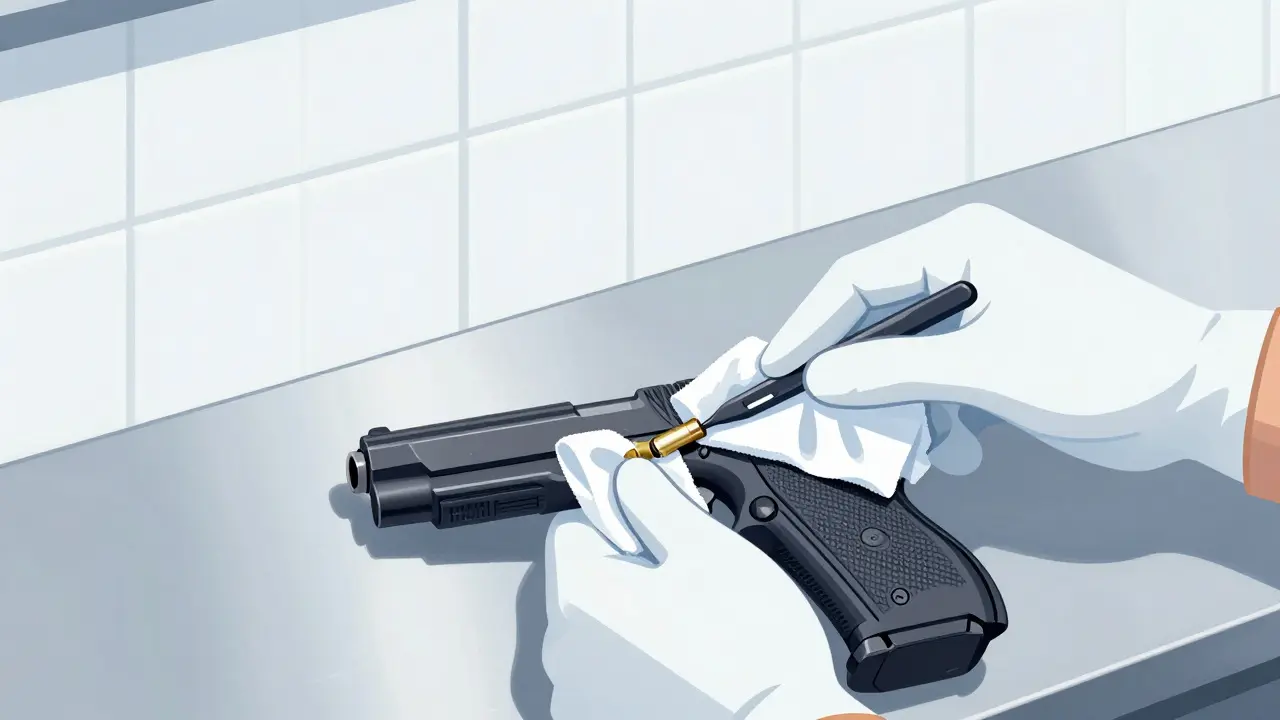
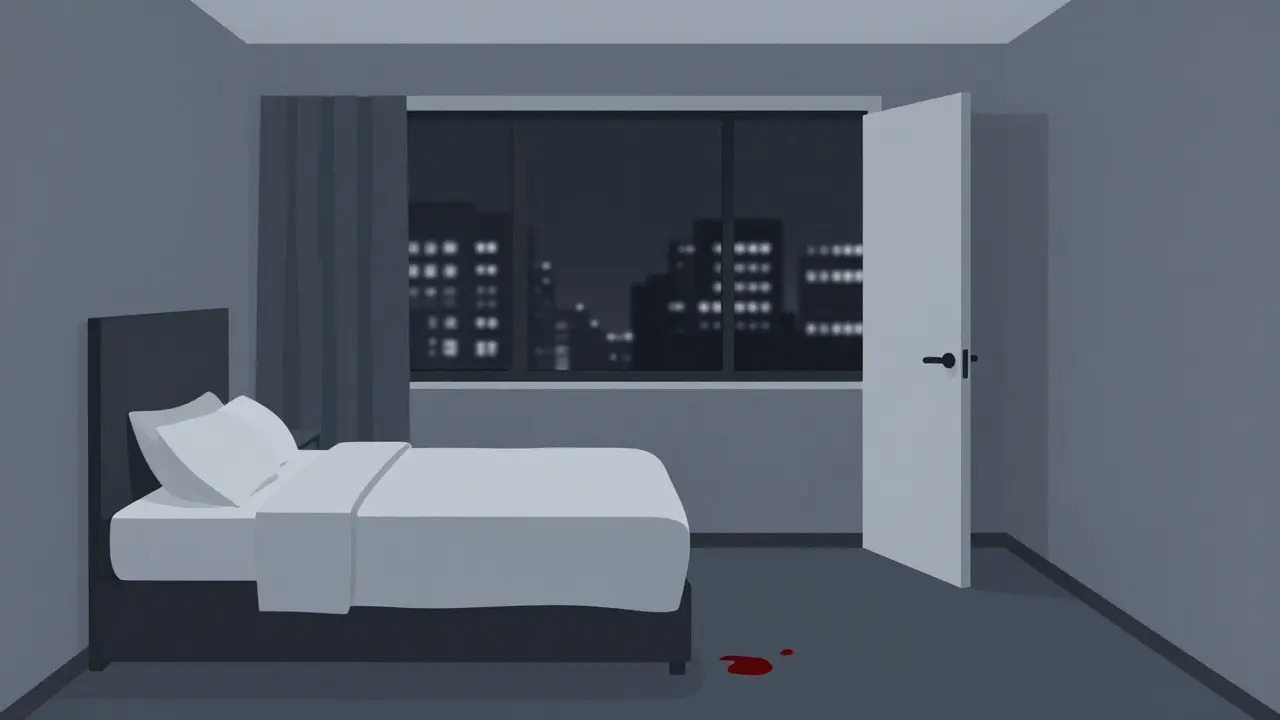
That’s the point. The film’s power comes from its silence. You don’t need to know his name because you’re not meant to care about him. You’re meant to watch how he works. Every step-from choosing a hotel room to cleaning a gun-is shown in agonizing detail. A single drop of blood on a tile floor gets three seconds of screen time. A coffee cup is placed on a counter, then removed. These aren’t filler moments. They’re the heartbeat of the film.
The Streaming Advantage
Netflix didn’t just release The Killer. It gave Fincher total control. No studio interference. No 90-minute runtime limit. No pressure to add a romantic subplot or a villain with a monologue. The film runs 117 minutes, and every second serves the mood. That’s rare in theaters. It’s almost unheard of in Hollywood.
Streaming platforms changed how we experience films. We watch them alone, late at night, on couches, in silence. The Killer was made for that. It doesn’t need a crowd. It doesn’t need loud sound. It needs stillness. The ambient score by Trent Reznor and Atticus Ross doesn’t push emotion-it lingers. Like a cold draft under a door.
Performance: Less is More
Michael Fassbender doesn’t act. He inhabits. His character has no backstory, no trauma, no redemption arc. He’s a professional. When he kills, it’s routine. When he gets hurt, he doesn’t scream-he calculates. He patches himself up with medical tape and moves on. It’s chilling because it’s believable. Real hitmen don’t monologue. They don’t have flashbacks. They have procedures.
Fincher filmed Fassbender’s scenes with multiple takes, each one more robotic than the last. The final edit chose the version where Fassbender’s eyes barely moved. That’s not a mistake. That’s the design. The character isn’t broken-he’s perfected.
Visual Language: The Art of Control
Fincher’s camera doesn’t move unless it has to. When it does, it’s a slow glide, like a surgeon’s hand. The color palette is gray, blue, and black. No red until the blood appears. Then it’s shocking-not because it’s bright, but because it’s the only color in the frame.
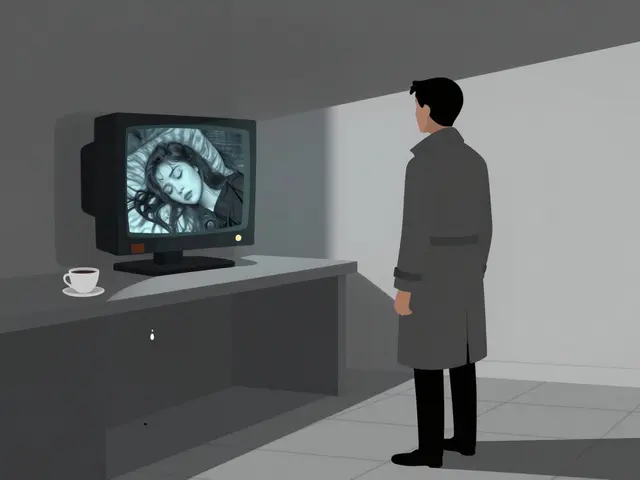
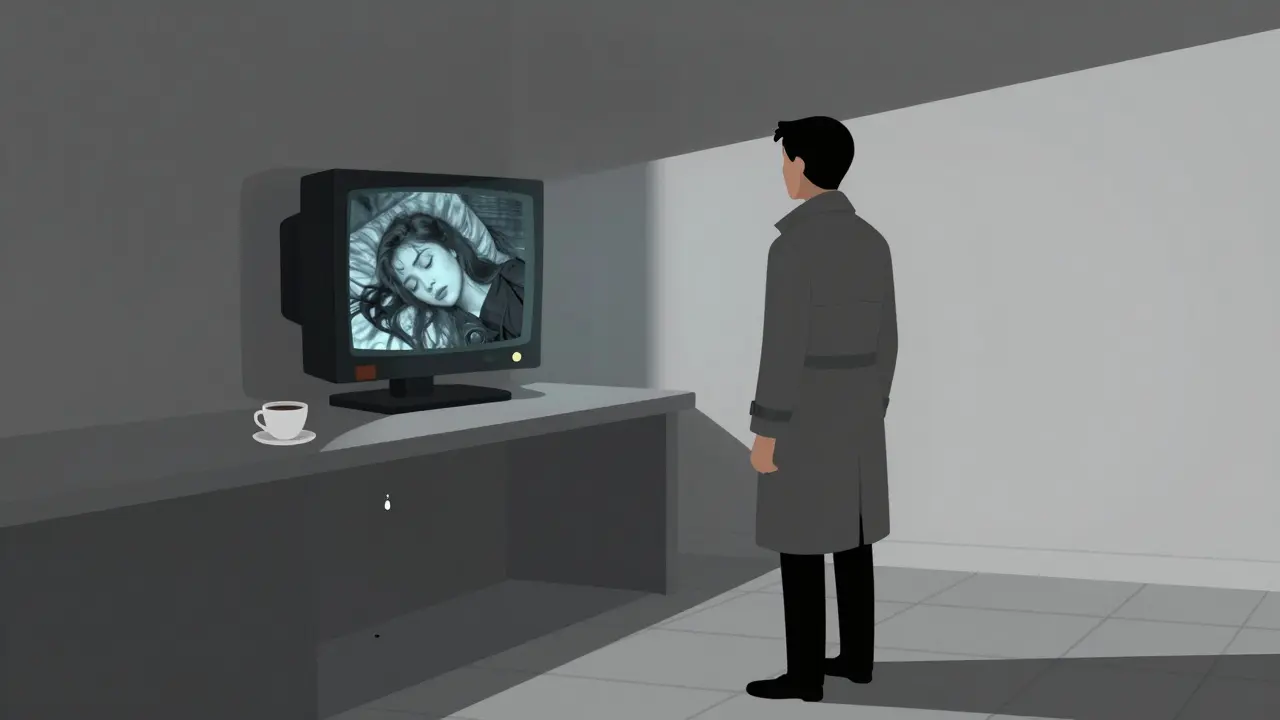
One scene stands out: the assassin waits in a Paris apartment, watching a woman sleep through a night-vision camera feed. The screen is grainy. The only sound is the hum of a fridge. We watch for nearly five minutes. No music. No dialogue. Just breathing. You start to feel guilty for watching. That’s the film’s genius. It turns you into a voyeur. And then it reminds you-you’re the one who clicked play.
Why It Works in 2026
Today, we’re surrounded by noise. Algorithms feed us endless content. We scroll past violence, tragedy, and chaos without blinking. The Killer doesn’t scream for attention. It whispers. And in a world of overload, that’s terrifying.
It mirrors real life: assassins aren’t cartoon villains. They’re people who show up, do the job, and vanish. No headlines. No trial. Just silence. Fincher captured that. He didn’t romanticize the killer. He didn’t punish him. He just showed him working. And in doing so, he made us wonder: how many of them are already out there?
Who Is This Film For?
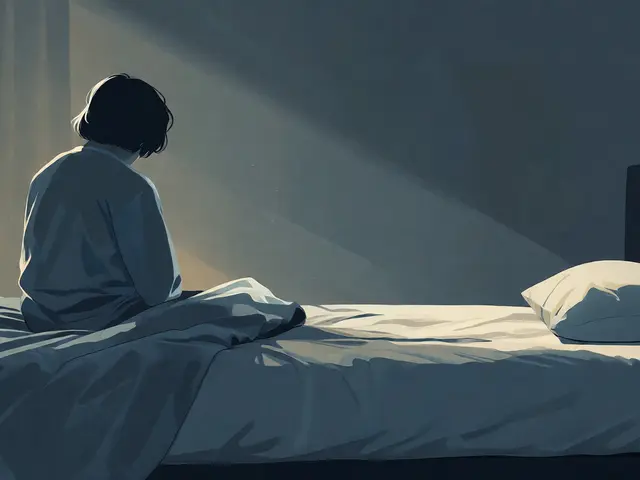
If you like fast-paced action, this isn’t for you. If you need characters to grow or change, you’ll walk away frustrated. But if you’ve ever sat alone at 2 a.m. and felt the weight of quiet, this film will stick with you.
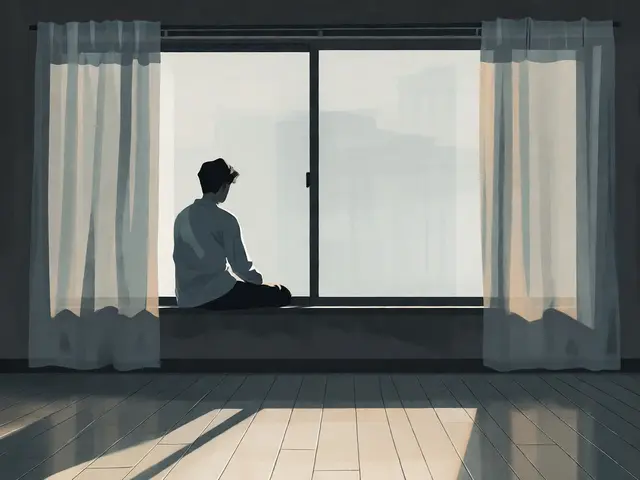
It’s for the people who notice the way light falls on a doorknob. For those who get lost in the rhythm of rain on a window. For anyone who’s ever wondered what silence really sounds like.
The Aftermath
Three weeks after watching The Killer, I found myself checking the locks on my apartment twice. Not because I was scared. Because I was thinking about how clean he was. How quiet. How impossible it would be to catch someone like that.
Fincher didn’t make a movie about a killer. He made a mirror. And in that mirror, we didn’t see a monster. We saw ourselves-hunting for meaning in a world that doesn’t care if we find it.
Is The Killer based on a true story?
No, The Killer is not based on a true story. It’s adapted from a French graphic novel series of the same name by Alexis Nolent and Luc Jacamon. The story is fictional, but its tone-cold, methodical, and detached-is rooted in real-world patterns of professional assassins. Fincher used the source material as a blueprint for a modern, almost clinical take on violence in the digital age.
Why did David Fincher choose to make this film now?
Fincher has spent years exploring themes of control, isolation, and technology’s effect on human behavior. In 2023, with audiences drowning in content and attention spans shrinking, he saw an opportunity to make a film that demanded patience. The Killer is a reaction to the noise of modern media. It’s a quiet rebellion-using the tools of streaming (on-demand access, no commercials, total creative freedom) to deliver something deliberately slow, deliberate, and unforgettable.
How does The Killer compare to Fincher’s other films like Se7en or Gone Girl?
Unlike Se7en, which thrives on moral outrage, or Gone Girl, which thrives on manipulation, The Killer removes emotion entirely. There’s no detective chasing answers. No twist to unravel. The protagonist doesn’t want justice-he wants to complete a task. Fincher strips away the psychological drama and leaves only the mechanics of violence. It’s his most minimalist work to date, and arguably his most disturbing.
Is The Killer worth watching if you’re not a thriller fan?
Yes-if you appreciate atmosphere, craftsmanship, and mood over plot. The Killer isn’t about what happens. It’s about how it happens. If you’ve ever been moved by a single shot in a film-the way light hits a puddle, or how silence feels after a gunshot-this movie is a masterclass. It’s less a thriller and more a meditation on precision, control, and the cost of detachment.
What’s the significance of the soundtrack?
Trent Reznor and Atticus Ross created a score that feels like a heartbeat slowed by medication. No drums. No melodies. Just low pulses, ambient drones, and subtle electronic textures. It doesn’t tell you how to feel. It just lowers your pulse. The music is designed to make you feel alone in the room. That’s why it works so well with the visuals. It’s not background noise-it’s the film’s nervous system.
Final Thought
David Fincher’s The Killer doesn’t ask you to like it. It doesn’t ask you to understand it. It just asks you to watch. And in a world that’s always shouting, that’s the most dangerous thing of all.