16
100 Must-Watch Indie Films: The Ultimate Independent Cinema Guide
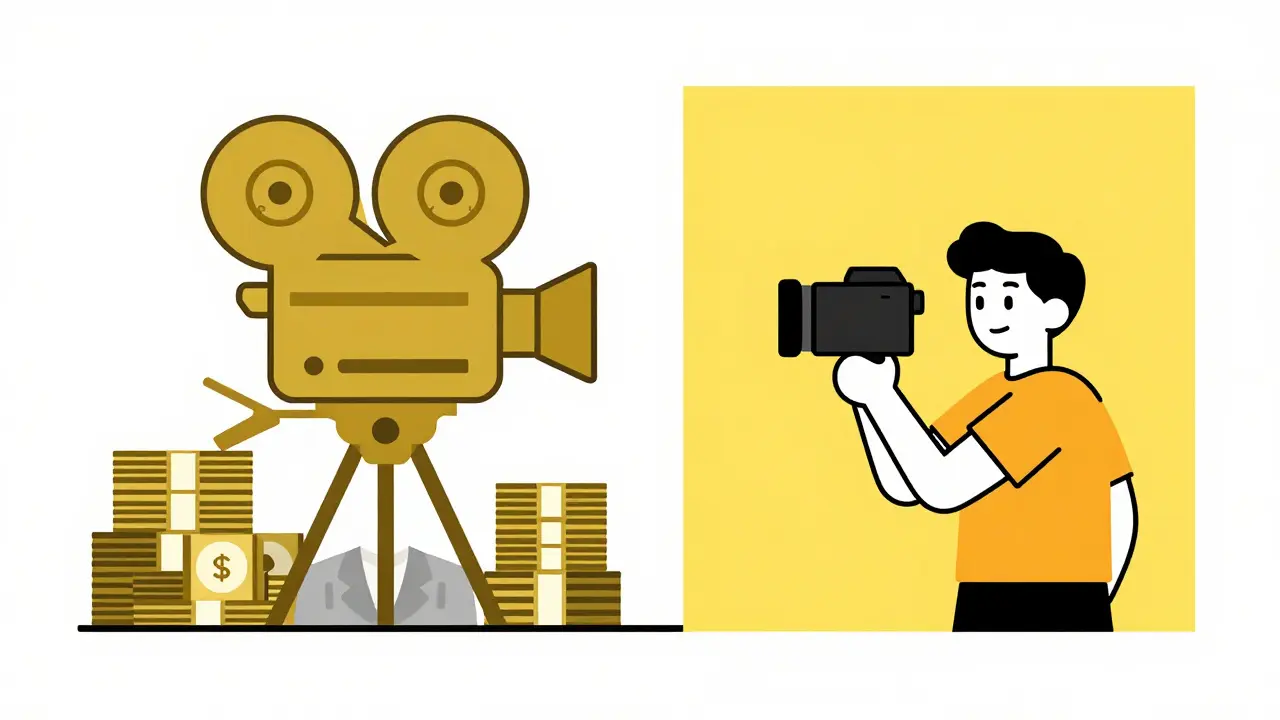
If you're tired of the same predictable plot twists in blockbusters, you're in the right place. We've put together a massive list of a hundred films that prove you don't need a massive budget to create a masterpiece. We aren't just talking about the ones that won Oscars; we're talking about the sleepers, the cult hits, and the daring debuts that changed how we see movies.
Quick Guide to the Best Indie Picks
- The Absolute Essentials: Movies like Pulp Fiction and Moonlight that bridged the gap between art house and mainstream.
- Hidden Gems: Lower-budget features that flew under the radar but offer incredible storytelling.
- Genre-Benders: Indie horror and sci-fi that use creativity to make up for lack of CGI.
- International Treasures: Non-English language films that redefined global cinema.
What Exactly Makes a Film "Indie"?
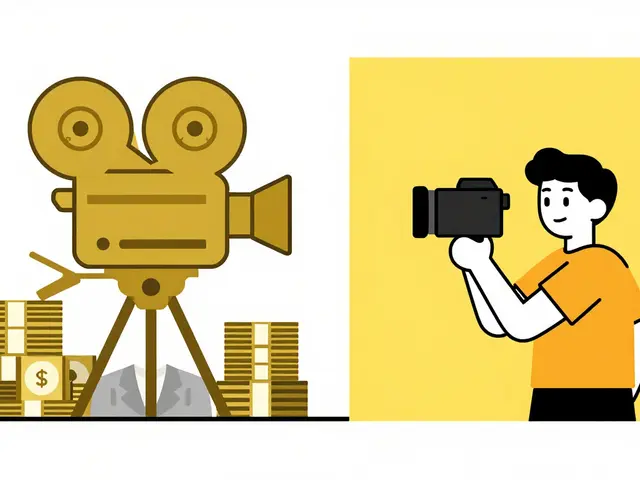
It's a bit of a sliding scale these days. Strictly speaking, Independent Cinema is film production that occurs outside the major studio system, typically characterized by smaller budgets and more creative freedom . In the early days, this meant the movie was literally funded by someone's life savings. Now, you have "indie labels" owned by giant corporations. But for the sake of this list, we're focusing on the spirit of the work: the vision, the risk, and the lack of corporate formula.
Think of it like music. A band might be signed to a big label, but if they're making weird, experimental noise-rock, they're still operating in an indie headspace. In film, this often means a focus on character over spectacle. Instead of a city being leveled by an alien invasion, an indie film might spend two hours exploring the tension between a father and son in a small kitchen. That's where the power lies.
The Heavy Hitters: Indies That Changed Everything
Some movies start small but end up shifting the entire cultural landscape. Take Pulp Fiction. When Quentin Tarantino released this in 1994, it didn't just make money; it changed the way scripts were written. The non-linear timeline and hyper-stylized dialogue became a blueprint for a decade of filmmakers. It proved that audiences were smart enough to piece together a story that wasn't told in a straight line.
Then you have Moonlight, which showed the world that a minimalist, poetic approach to storytelling could win the Best Picture Oscar. It didn't rely on explosive drama; it relied on silence, color, and the subtle shifts in a man's identity over three stages of his life. These films prove that when you strip away the fluff, you get to the heart of the human experience.
| Movement/Festival | Core Philosophy | Key Example | Main Impact |
|---|---|---|---|
| Sundance Film Festival | Discovering raw, American talent | Reservoir Dogs | Created a marketplace for indie distributors |
| French New Wave | Breaking traditional editing rules | Breathless | Introduced jump cuts and handheld filming |
| Mumblecore | Hyper-naturalistic, low-budget dialogue | Funny Ha Ha | Pushed the boundaries of "acting" vs. "being" |
| Dogme 95 | Strict "Vow of Chastity" (no special effects) | The Celebration | Forced a return to pure performance and story |
Mastering the Genre: Indie Horror and Sci-Fi
Horror is perhaps the best place to see indie creativity in action. When you can't afford a million-dollar animatronic monster, you have to make the audience's imagination do the work. This is exactly how The Blair Witch Project became a global phenomenon in 1999. By using a found-footage style, they turned a lack of budget into a stylistic choice that felt terrifyingly real. They didn't show the monster; they showed the panic of the people looking for it.
Similarly, indie sci-fi often focuses on "high concept, low budget." Think of movies like Primer, which was made for a tiny amount of money but features one of the most complex and scientifically grounded time-travel plots ever written. It doesn't need spaceships or laser beams because the tension comes from the intellectual puzzle and the decaying relationship between the two protagonists.
International Gems: Looking Beyond Hollywood
If you only watch English-language indies, you're missing half the party. World Cinema is where some of the most daring independent work happens. In South Korea, filmmakers like Bong Joon-ho (before he hit the mainstream with Parasite) were blending social commentary with dark comedy in ways that felt completely fresh.
Then there's the influence of the Iranian New Wave, where directors often used non-professional actors and real-life locations to create stories that feel more like documentaries than scripted movies. This approach strips away the artifice of cinema and leaves you with something that feels honest and urgent. Watching these films reminds us that while languages differ, the core emotions-loneliness, ambition, love-are universal.
The 100-Film Checklist: How to Tackle the List
Watching a hundred movies is a big commitment. You don't have to do it in a month. The best way to appreciate independent cinema is to mix up your viewing. Don't watch five depressing dramas in a row, or you'll burn out. Instead, try a "palette cleanser" approach: follow a heavy emotional piece with a quirky indie comedy or a fast-paced thriller.
Here is a suggested strategy for your marathon:
- The Gateway Phase: Start with the famous ones (Tarantino, Greta Gerwig, A24 hits). This gets you used to the pacing and style of indie films.
- The Deep Dive: Pick a specific movement, like the French New Wave or the Mumblecore era, and watch 3-4 films from that period to see how the style evolved.
- The Wild Card: Once a week, pick a movie from a country you've never seen a film from. Use a random generator or a curated list of international award winners.
- The Director's Path: Find a director you love and track their early, low-budget work before they became famous. It's fascinating to see how their voice developed.
Common Pitfalls When Watching Indie Films
Coming from a world of Marvel movies, the biggest shock for most people is the pacing. Indie films often embrace "slow cinema." There might be a five-minute shot of a character just staring out a window. In a blockbuster, that's a mistake; in an indie, that's where the character's internal struggle is communicated. If you're constantly checking your watch, you're probably missing the point of the scene.
Another common hurdle is the ambiguous ending. Studios hate ambiguity because they want the audience to leave the theater feeling satisfied. Indie directors, however, often leave the ending open-ended because life doesn't usually wrap up in a neat bow. Instead of asking "What happened?", ask "How does this ending make me feel about the characters?" That shift in perspective is where the real reward is.
Where to Find These Films Today
You don't have to scour dusty rental shops to find these movies. While the big streaming giants have their own indie sections, they often prioritize their own originals. For the real stuff, look into The Criterion Collection. They aren't just selling DVDs; they are curators of cinema history, providing essays and interviews that give you the context needed to truly understand a film's importance.
Additionally, platforms dedicated specifically to independent and art-house films offer a more curated experience. These services often highlight films from festivals like Cannes or Berlin long before they ever hit a mainstream screen. Supporting these platforms is the best way to ensure that new, daring filmmakers continue to get the resources they need to tell their stories.
What is the best way to start watching indie films if I'm a beginner?
Start with "crossover" hits-films that were produced independently but gained massive popularity. Movies from the studio A24 or early works by directors like Wes Anderson are great entry points because they have a distinct visual style but remain accessible in their storytelling. Once you're comfortable with those, try moving toward more experimental or international titles.
Why are indie films often slower than mainstream movies?
Mainstream movies are often designed for maximum stimulation and fast-paced entertainment to keep a wide audience engaged. Indie films often prioritize character development and atmosphere over plot progression. The "slow" parts are usually intentional, meant to evoke a specific mood or allow the viewer to reflect on the character's emotional state.
Do I need to know movie history to enjoy independent cinema?
Not at all. While knowing about things like the French New Wave can help you spot references, the best indie films are those that speak to you emotionally regardless of your technical knowledge. Just go in with an open mind and a willingness to experience something different from the standard Hollywood formula.
What is 'Mumblecore' and why is it important?
Mumblecore is a subgenre of indie film characterized by ultra-low budgets, naturalistic (often improvised) dialogue, and a focus on the mundane lives of young adults. It's important because it pushed the boundaries of realism in cinema, moving away from polished scripts and toward a more authentic, though sometimes awkward, depiction of human interaction.
How can I support independent filmmakers?
The best way is to watch their films on platforms that share revenue with creators, attend local film festivals, and talk about the movies on social media. Word-of-mouth is the most powerful marketing tool for an indie film; a recommendation from a friend is worth more than a million-dollar ad campaign.