5
Breakout Indies at the Box Office: How Word-of-Mouth Made These Films Blockbusters
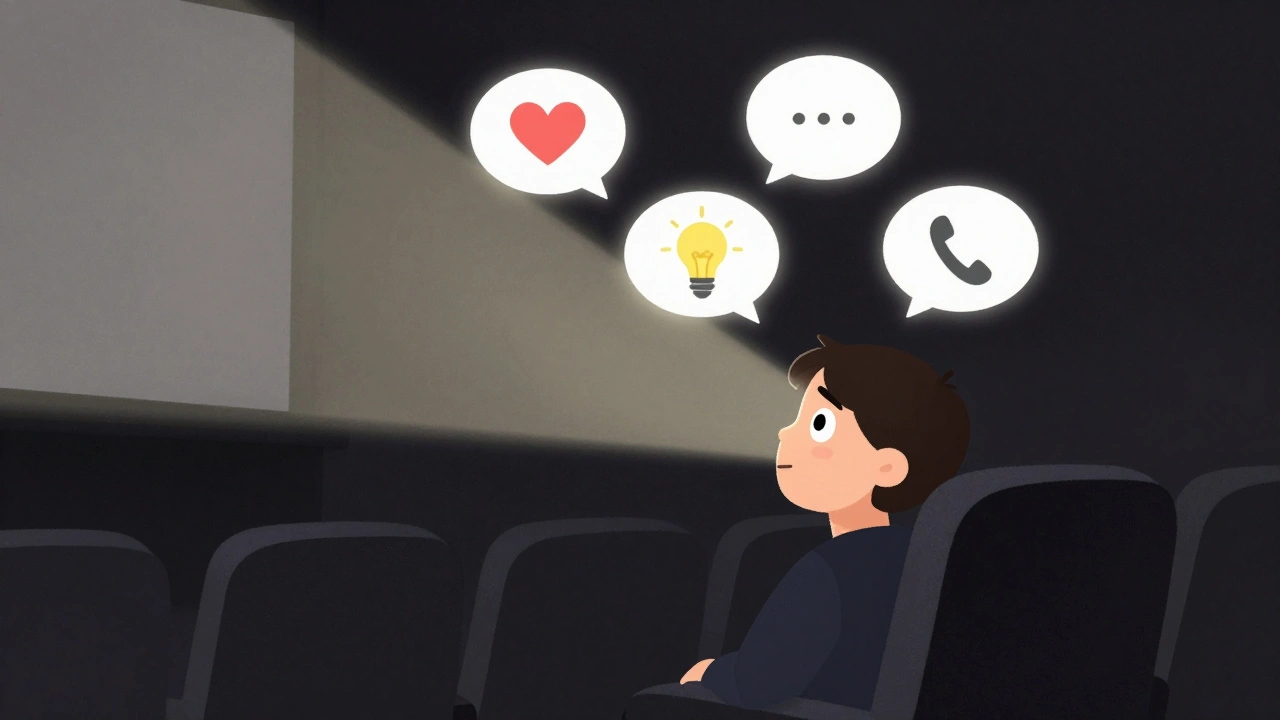
Most people think big studios with million-dollar ad campaigns are the only ones that dominate the box office. But over the last five years, a quiet revolution has been happening. Independent films-made with tiny budgets, no celebrity stars, and almost no TV ads-are pulling in hundreds of millions. And they’re doing it with one thing: real talk.
Word-of-mouth isn’t just a buzzword. It’s the engine behind some of the most surprising financial wins in modern cinema. When audiences love something enough to text their friends at 2 a.m., studios don’t need to spend a dime on billboards. The crowd becomes the marketer.
Get Out (2017): The Horror That Broke the Mold
Jordan Peele’s Get Out cost $4.5 million to make. It opened in 2,225 theaters. No superhero. No sequel. No franchise. Just a sharp social thriller with a killer twist.
Here’s what happened: People walked out of theaters stunned. Not scared-thinking. They didn’t just say, "That was creepy." They said, "You have to see this. It’s about something."
Within two weeks, the film was playing in over 3,000 theaters. By the end of its run, it made $255 million worldwide. That’s 56 times its budget. And the studio, Universal, didn’t run a single Super Bowl ad. The audience did the work.
Why did it work? Because it tapped into something real. People weren’t just watching a movie-they were having a conversation. And those conversations spread faster than any trailer.
Parasite (2019): The Foreign Film That Conquered Hollywood
Before Parasite, no non-English language film had ever won Best Picture at the Oscars. Before Parasite, most U.S. audiences wouldn’t have touched a Korean film with a ten-foot pole.
It opened in just 12 theaters. The studio, Neon, didn’t throw money at ads. Instead, they gave free tickets to film students, critics, and influencers. They let the film speak for itself.
Within days, Twitter and Reddit were full of breakdowns. YouTube videos analyzed its symbolism. Instagram reels showed the famous staircase scene. People didn’t just watch it-they dissected it.
By the time it hit wide release, it was already a cultural event. It grossed over $250 million globally. It won four Oscars. And it did it all without a single Hollywood star.
What made the difference? Authenticity. Audiences could tell this wasn’t made to please a focus group. It was made because someone had something to say. And that’s the kind of film people want to share.
The Quiet Girl (2022): The Tiny Film That Broke Records in Ireland
Here’s one you probably haven’t heard of-but it’s one of the most powerful examples of word-of-mouth ever.
The Quiet Girl (An Cailín Ciúin) is an Irish-language film about a withdrawn girl sent to live with distant relatives. No action. No special effects. Just quiet moments. It cost less than €500,000 to make.
It opened in just 12 cinemas in Ireland. No marketing campaign. No press tour. Just a few screenings for local film clubs.
Within three weeks, it became the highest-grossing Irish-language film of all time. By the end of its run, it made over €3 million in Ireland alone-a country with a population of 5 million. That’s $1 for every person in the country.
Why? Because people felt seen. Parents said, "That’s my child." Teachers said, "That’s my student." It didn’t need to be loud. It just needed to be true.
It went on to win the Grand Jury Prize at Sundance and was nominated for an Oscar. All without a single ad buy.
How Word-of-Mouth Actually Works
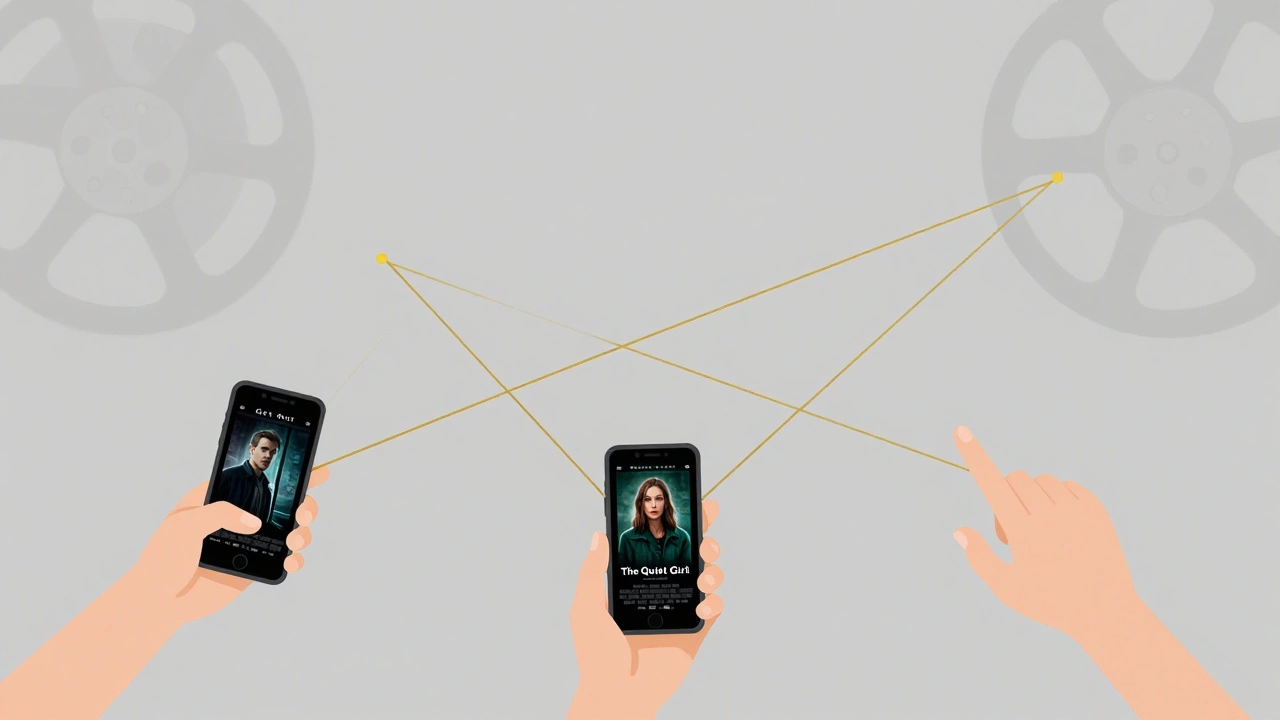
It’s not magic. It’s psychology. And it follows a simple pattern:
- People don’t trust ads-they trust people they know.
- They share what makes them feel something: surprise, joy, anger, recognition.
- They share what’s hard to explain in a trailer.
- They share what feels personal.
Indie films succeed when they give audiences a reason to talk. Not because it’s "good," but because it’s meaningful. A twist you didn’t see coming. A line that stuck with you. A character who felt like your neighbor.
Studio films spend millions trying to create viral moments. Indie films accidentally create them because they’re not trying to be viral at all. They’re just trying to be honest.
The Hidden Rules of Indie Success
If you’re a filmmaker with a small budget, here’s what actually works:
- Target the right first audience-not everyone. Find the niche that will feel this film deeply. Film students. Book clubs. Teachers. Parents of teens. The right 1,000 people will spread it further than 10 million random viewers.
- Let them react first-host free early screenings. Don’t ask for reviews. Ask for their honest reaction. Record it. Use it. Real emotion is contagious.
- Don’t over-explain-if your logline sounds like a TV commercial, you’ve already lost. Let the story speak. Let the poster be mysterious.
- Encourage sharing, don’t beg for it-put a simple hashtag on the poster. Don’t say "Share this!" Say "What did you feel?" That invites conversation, not obligation.
- Be patient-word-of-mouth doesn’t explode on opening weekend. It grows over weeks. Keep playing in theaters. Keep showing up in festivals. Let it build.
Look at Little Miss Sunshine (2006). It made $100 million on a $8 million budget. It didn’t break out until month two. The studio almost pulled it from theaters. But a few loyal fans kept talking. And then, the whole country did.
Why Studios Still Don’t Get It
Big studios are built to control outcomes. They need predictable returns. They bet on sequels, franchises, and stars because those are safe.
But safety kills creativity. And creativity is what makes people talk.
When studios finally try to copy indie tactics-like releasing a film with no ads-they usually mess it up. They’ll do a "surprise drop" but still hire influencers to post fake reactions. Audiences smell that. They know the difference between real passion and marketing theater.
The best indie films don’t feel like products. They feel like gifts. And people don’t share products. They share gifts.
The Future Is Quiet
Streaming changed how we watch movies. But it didn’t change why we talk about them.
People still gather around the water cooler to say, "Have you seen that movie?" They still text their friends at midnight. They still send screenshots with "You have to watch this."
The next breakout indie won’t come from a studio pitch meeting. It’ll come from someone in a garage, a basement, or a small town, making something they believe in. And if it’s real enough, the world will find it.
You don’t need a big budget to make a big impact. You just need to make something that matters to someone. And then, let them tell the rest.
Can an indie film really make money without a big marketing budget?
Yes. Films like Get Out, Parasite, and The Quiet Girl made hundreds of millions with budgets under $10 million. Their success came from audiences telling friends, not from TV ads. When a film creates strong emotional reactions, people become unpaid marketers.
What makes a movie worth talking about?
It’s not about special effects or big stars. It’s about something that feels real, surprising, or deeply personal. A twist no one saw coming. A line that sticks with you. A character who feels like someone you know. Movies that make people think or feel something they can’t explain in a trailer are the ones that spread.
Do indie films need to win awards to succeed?
No. While awards help, they’re not required. The Quiet Girl made millions in Ireland without any major award wins before its box office surge. What matters is audience buzz. A film can go viral purely through word-of-mouth-even without Oscar buzz.
How long does word-of-mouth take to build?
It usually takes weeks, not days. Most breakout indies don’t explode on opening weekend. They grow slowly as more people see it and tell others. Little Miss Sunshine didn’t hit its peak until two months after release. Patience and consistent theater availability are key.
Can a foreign-language film break out in the U.S.?
Absolutely. Parasite proved that language isn’t a barrier-it’s just a detail. When a story is universal, audiences don’t care what language it’s in. What matters is whether it moves them. Subtitles aren’t a turnoff-they’re an invitation to experience something new.
Real success in film doesn’t come from how much you spend. It comes from how deeply you connect. The next big hit might be made by someone you’ve never heard of. And it might be sitting on a hard drive right now, waiting for the right person to watch it-and then tell their best friend.