8
Headline Writing for Movie Reviews: Hooks That Promise Real Value
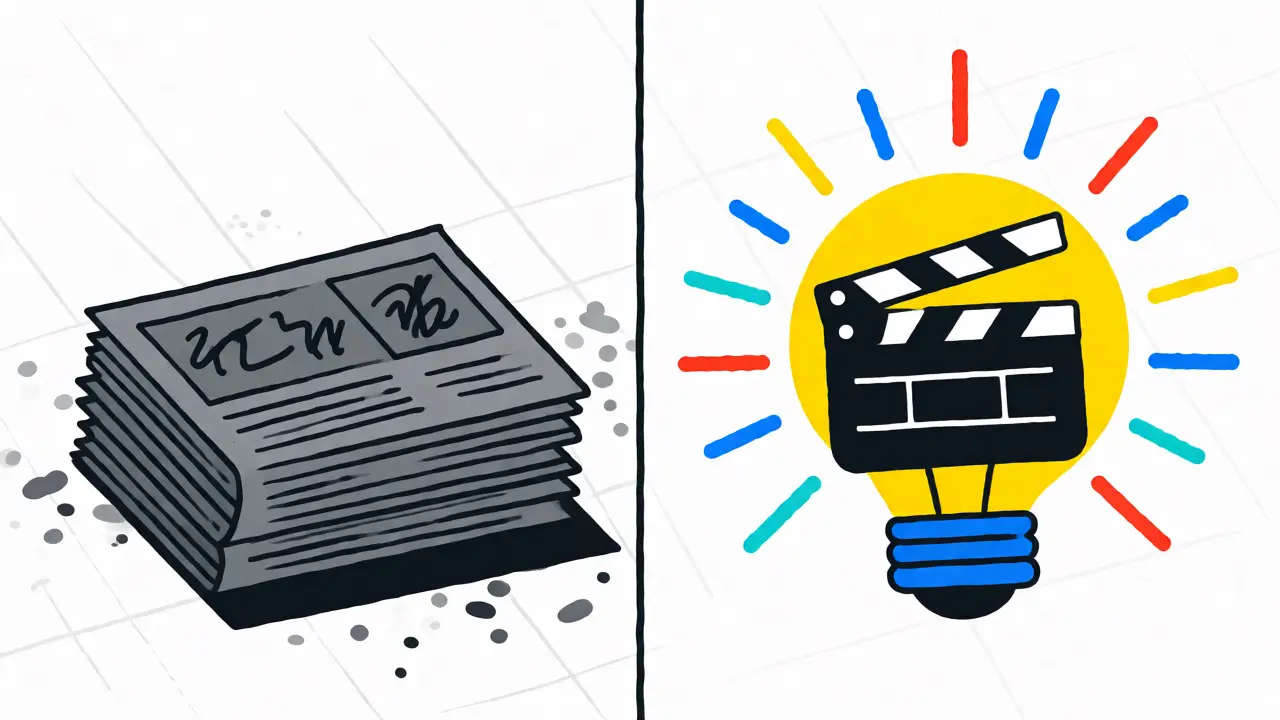
You spent three hours watching a two-and-a-half-hour epic. You analyzed the cinematography, debated the plot holes with your partner, and wrote a nuanced take on the director's latest vision. Then you hit publish. And nobody clicked. Why? Because your headline said "A Review of Dune: Part Two." It was accurate. It was safe. It was dead on arrival.
Here is the hard truth about movie review headlines in the modern digital landscape: they are not titles; they are promises. When a reader scans their feed, they are making a split-second decision based on what value you promise to deliver. If your headline doesn't hook them with curiosity, utility, or controversy, your brilliant analysis remains unread. This guide breaks down how to craft hooks that actually get clicks, without resorting to clickbait lies.
The Psychology of the Click
Before you type a single word, understand who is reading. Most people don't read reviews to decide if a movie exists; they read them to validate a feeling or to save time. Your headline needs to speak directly to one of these two desires. A headline like "Dune: Part Two Review" offers zero emotional payoff. Compare that to "Why Dune: Part Two Feels Like Watching History Happen." The second option promises an insight, not just a verdict.
This shift requires moving from descriptive labeling to active engagement. Think of your headline as a trailer for your article. Just as a movie trailer uses quick cuts and sound bites to evoke emotion, your headline must use specific words to trigger curiosity. Avoid generic adjectives like "good," "bad," or "interesting." These words are invisible to the brain. Instead, use concrete nouns and strong verbs. Don't say "The acting was good." Say "Timothée Chalamet Carries the Film Alone." See the difference? One is an opinion; the other is a claim worth investigating.
Three Types of High-Value Hooks
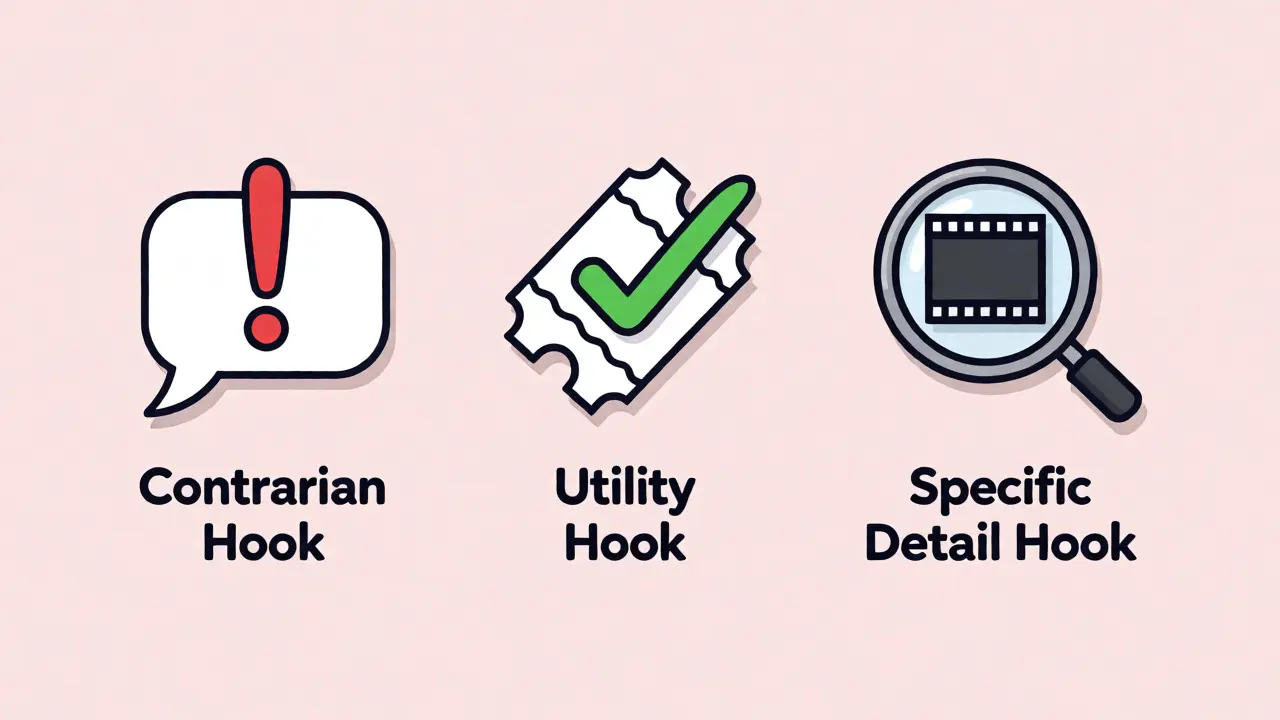
Not every movie needs the same approach. Depending on the film and your angle, you should choose a strategy that aligns with the content. Here are three proven frameworks used by top critics at outlets like Variety and The Hollywood Reporter.
- The Contrarian Hook: Challenge the consensus. If everyone says a movie is great, find the flaw. If everyone hates it, find the gem. Example: "Everyone Hates Joker 2, But They’re Missing the Point." This works because it creates an intellectual gap the reader wants to close.
- The Utility Hook: Solve a problem. Is the movie too long? Too confusing? Does it require knowledge of the first installment? Example: "Do You Need to Watch Spider-Man Before Seeing Venom?" This targets users searching for practical advice before spending $15 on tickets.
- The Specific Detail Hook: Zoom in on one moment. Sometimes the whole movie is forgettable, but one scene matters. Example: "The Final 10 Minutes of Oppenheimer Change Everything." This promises a specific payoff rather than a vague summary.
Notice how none of these examples rely on star ratings. Star ratings are lazy. They tell the reader nothing about why they should care. Your headline must answer the "so what?" question immediately.
Avoiding the Clickbait Trap
There is a fine line between a hook and a lie. Clickbait fails when it over-promises and under-delivers. If your headline says "You Won't Believe What Happens Next," but the twist is predictable, the reader feels cheated. Trust is currency in criticism. Once lost, it’s hard to regain.
To stay honest, ensure your headline reflects the actual tone of your review. If you gave a movie 2 stars, don’t write "A Masterpiece of Modern Cinema." You can still be catchy without being dishonest. Try "Why [Movie Name] Fails Despite Its Great Cast." This is negative, but it’s specific and truthful. It attracts readers who might have been swayed by the cast list and want to know why it didn’t work. Honesty builds authority. Authority builds return traffic.
Structuring Your Headline for SEO and Humans
You need to balance search engine algorithms with human psychology. Search engines love keywords. Humans love stories. You can do both. Place the movie title near the beginning of the headline for SEO visibility, but let the rest of the sentence do the heavy lifting for the human reader.
| Approach | Example | Why It Works (or Doesn't) |
|---|---|---|
| Generic Label | Barbie Movie Review | Boring. No reason to click unless you already know you want this specific review. |
| Vague Opinion | Barbie Was Really Good | Weak. "Good" is subjective and uninformative. |
| SEO Heavy | Barbie 2023 Review Rating Score Plot Summary | Robotic. Reads like a database entry, not an article. |
| Value-Driven | Barbie Isn't Just About Dolls: It's a Satire on Existentialism | Strong. Promises a deeper thematic analysis while keeping the keyword prominent. |
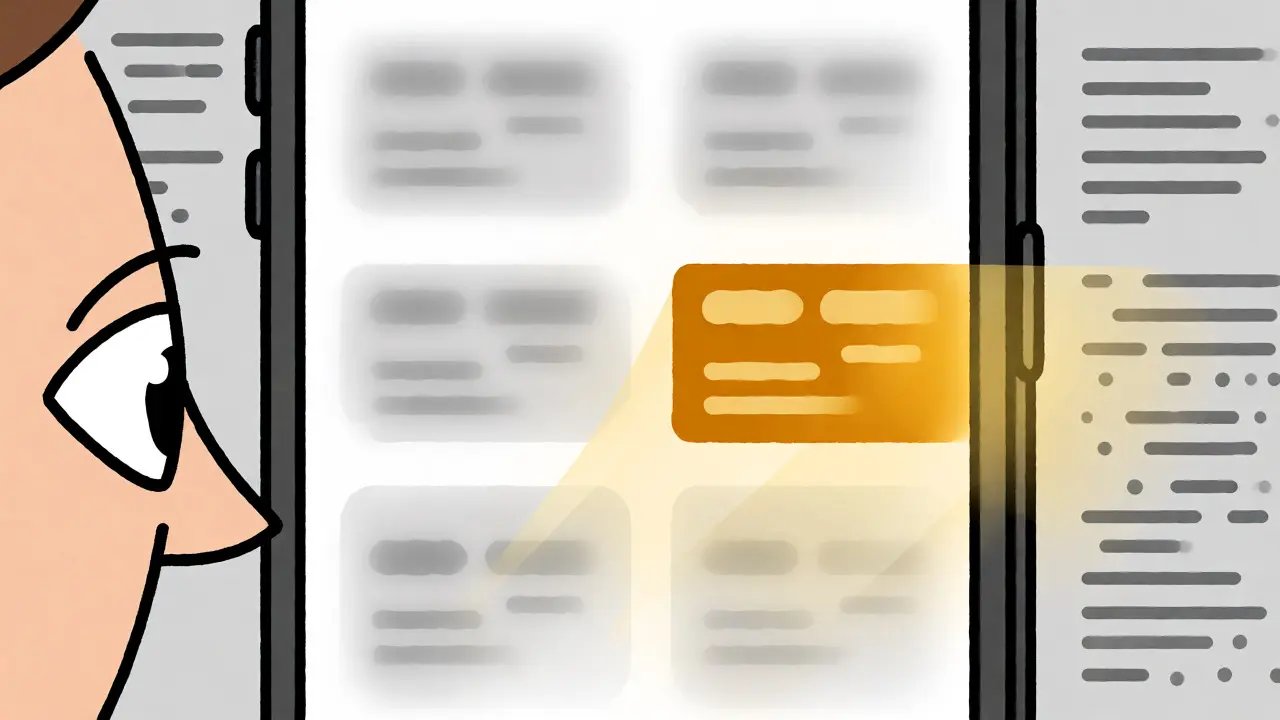
Keep your headlines under 60 characters if possible. On mobile devices, longer headlines get truncated. If the punchline gets cut off, you lose the hook. Test your headlines by looking at them in a mock-up of a social media feed. If you wouldn't stop scrolling, rewrite it.
Tools of the Trade: Power Words and Punctuation
Certain words act as accelerants for curiosity. Words like "Secret," "Hidden," "Truth," "Mistake," and "Lesson" trigger psychological itch-scratching responses. However, use them sparingly. Overusing power words dilutes their impact.
Punctuation also plays a role. Colons are excellent for separating the topic from the angle. For example: "The Batman: Why Pattinson’s Voice Acting Matters." Question marks invite dialogue. Exclamation points show enthusiasm but can feel spammy if overused. Ellipses (...) suggest mystery, which works well for horror or thriller reviews. Experiment with these tools to match the genre of the film you are reviewing.
Consider the platform. A headline for a blog post might differ from a YouTube video title. YouTube titles often benefit from higher emotional intensity and caps lock usage, whereas written articles allow for more nuance and wit. Adapt your voice accordingly, but keep the core promise consistent.
Case Study: Transforming Weak Headlines
Let’s look at real-world transformations. Imagine you reviewed a recent sci-fi flop called "Galaxy Drift."
Weak: Galaxy Drift Review
Better: Galaxy Drift Is Beautiful But Boring
Best: Why Galaxy Drift Wastes Its Stunning Visuals
The first version is useless. The second is okay-it gives a verdict. The third is compelling because it identifies a specific failure (wasting visuals) and invites the reader to agree or disagree. It creates a debate. Debate drives comments. Comments drive algorithmic reach.
Another example for a popular superhero movie:
Weak: Deadpool & Wolverine Review
Better: Deadpool & Wolverine Is Fun But Chaotic
Best: Deadpool & Wolverine: The Nostalgia Trip That Actually Works
In the best version, we acknowledge the common criticism (chaos/nostalgia fatigue) but offer a counter-narrative (it actually works). This reassures fans while intriguing skeptics.
Final Checklist Before Publishing
Before you hit send, run your headline through this quick audit:
- Is it clear? Can someone understand the topic without clicking?
- Is it specific? Does it mention a character, theme, or technical aspect?
- Does it promise value? Will the reader learn something or feel something?
- Is it honest? Does the article deliver on the headline's claim?
- Is it concise? Did you remove unnecessary filler words?
Writing great headlines takes practice. Start by writing five different versions for every review. Pick the one that makes you curious. If you aren't interested in clicking your own headline, neither is your audience.
Should I include the star rating in the headline?
Generally, no. Star ratings are static and often subjective. Including them in the headline wastes valuable space that could be used for a more engaging hook. Save the rating for the subheader or the opening paragraph where it provides context after the reader has already committed to clicking.
How long should a movie review headline be?
Aim for 50-60 characters. This ensures the full headline displays on most search engine results pages and social media feeds without being cut off. If you need more space, use a subheadline to expand on the main hook.
Is it okay to use spoilers in the headline?
It depends on the nature of the spoiler. Minor spoilers that define the experience (e.g., "The Twist Changes Everything") are usually acceptable if clearly marked. Major plot twists that ruin the viewing experience should generally be avoided in the headline unless you explicitly warn readers with a tag like [Spoiler Alert].
What is the biggest mistake writers make with review headlines?
Being too vague. Headlines like "A Mixed Bag" or "Hit or Miss" tell the reader nothing. Specificity sells. Tell us exactly what part of the movie was mixed, or what made it a miss. Concrete details create stronger mental images and higher click-through rates.
How do I optimize my headline for SEO?
Place the movie title near the beginning of the headline. Include secondary keywords like "review," "critique," or specific themes (e.g., "horror," "rom-com") naturally within the hook. Avoid keyword stuffing; readability always comes first for user retention.