23
Festival Reviewing 101: Deadlines, Embargoes, and Rapid Drafts

You just walked out of a premiere at the Toronto International Film Festival. Your brain is buzzing with images, dialogue snippets, and strong opinions. But your editor’s inbox is already pinging. They need copy in three hours. The next screening starts in forty-five minutes. This isn’t just about having an opinion; it’s about logistics, timing, and speed. If you’re new to covering festivals, you might think the hard part is watching the movies. It’s not. The hard part is writing a coherent, insightful piece while running on four hours of sleep and cold coffee.
Here’s the reality: festival coverage is a high-stakes game of chess played against a clock. You aren’t just reviewing films; you’re managing information flow. One wrong move-like publishing before an embargo lifts or missing a deadline-can get you blacklisted from future press pools. Let’s break down how to survive and thrive without losing your mind.
The Embargo Trap: Know When You Can Speak
First things first: check the rules. An embargo is a specific date and time when you are allowed to publish your review. Before that moment, you can watch the film, take notes, and even draft the article, but you cannot hit "publish." Violating this is the quickest way to burn bridges with publicists.
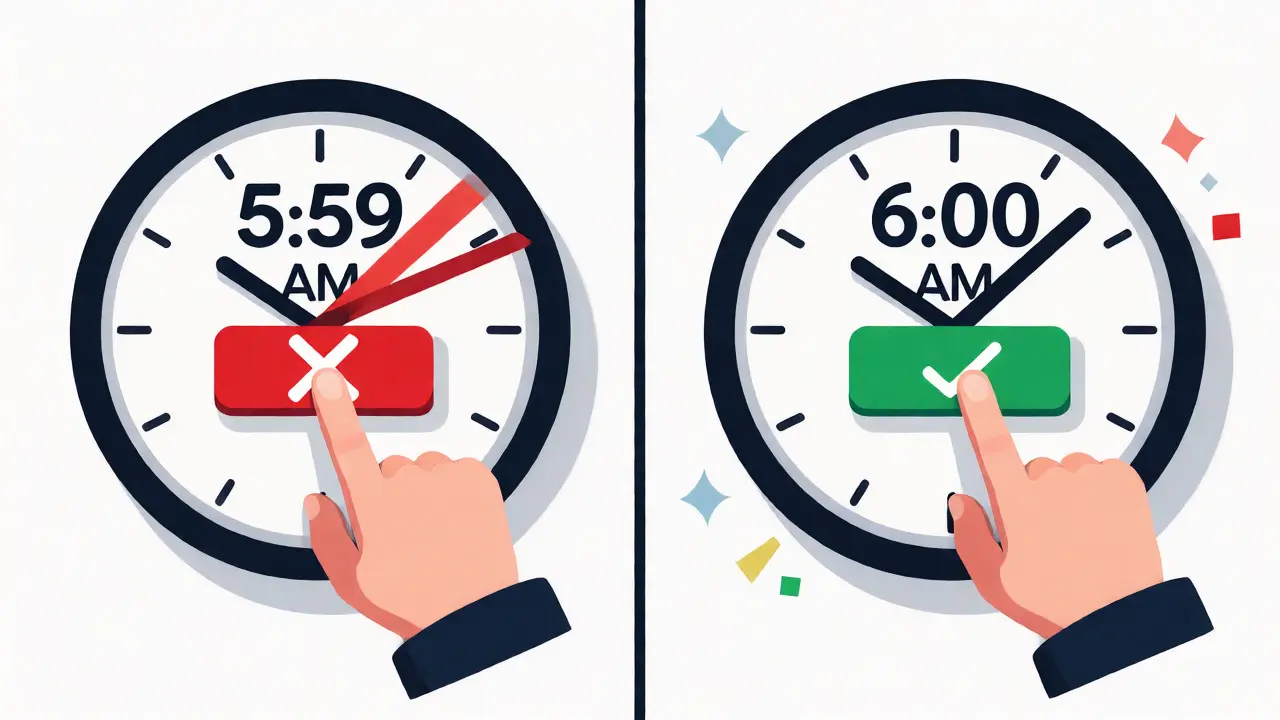
Why do studios use embargoes? Control. They want reviews to drop simultaneously with other major outlets to create a unified narrative around a release. For example, if a big blockbuster like Dune: Part Three (hypothetically) has an embargo lift at 6:00 AM PST, every outlet publishes then. If you post at 5:59 AM, you’ve broken the contract.
- Hard Embargo: Strictly no publication before the exact minute. Publicists monitor social media closely.
- Soft Embargo: Often used for smaller indies. They prefer you wait, but won’t kill you if you’re early by an hour. Still, don’t push it.
- No Embargo: Rare for premieres. Usually means the film is already out or it’s a niche documentary where immediate buzz helps.
Always confirm the embargo status in your press kit email. If it’s unclear, ask. It’s better to look cautious than reckless. Remember, your reputation as a reliable critic is worth more than being the first person on Twitter with a hot take.
Mastering the Rapid Draft: Structure Over Perfection
You don’t have time to agonize over adjectives. You need a system. A rapid draft isn’t a sloppy draft; it’s a structured one. Think of it as filling in blanks rather than painting a masterpiece from scratch.
Start with the headline. Make it punchy. Does the film succeed or fail? Is it a triumph or a disaster? Then, move to the lede. Don’t waste space on plot summary. Everyone knows the premise. Start with the emotional impact or the most striking visual. Did the sound design make you feel claustrophobic? Did the lead actor’s performance feel unearned? Lead with that.
Use a template for your body paragraphs. Here’s a proven structure for quick turnaround:
- The Hook: One sentence capturing the core feeling of the film.
- The Context: Brief mention of the director’s previous work or the genre expectations.
- The Performance: Who stood out? Why?
- The Technicals: Editing, cinematography, score. Keep it brief unless something is groundbreaking.
- The Verdict: Who is this for? Should they buy a ticket?
This framework keeps you moving. You’re not trying to write a thesis; you’re answering a consumer question: "Is this worth my two hours and fifteen dollars?"
Deadline Discipline: Working Backwards
Festival schedules are brutal. You might see a film at 8 PM, need to file by 11 PM, and have another screening at 7 AM the next day. How do you manage this? Work backwards from the deadline.
| Time Slot | Action Item | Focus Area |
|---|---|---|
| During Screening | Note-taking only | Key quotes, visual motifs, pacing issues |
| +15 Mins Post-Screening | Rough Outline | Headline, Lede angle, Verdict |
| +45 Mins | Drafting Body | Performance, Technicals, Context |
| +75 Mins | Edit & Polish | Cut fluff, check facts, fix typos |
| +90 Mins | Submit | Upload to CMS, send confirmation |
If your deadline is 11 PM, start drafting at 9:30 PM. Do not leave it until 10:55 PM. That’s when panic sets in, and typos multiply. Use voice-to-text if your fingers are cramping. Sometimes speaking your thoughts into a phone while walking back to your hotel yields clearer, more conversational prose than typing in a dark room.
Context is King: Why Festivals Are Different
Reviewing a film at a festival isn’t the same as reviewing it in wide release. At a festival, context matters heavily. Was this a world premiere? Is it competing for the Palme d'Or? Is it a controversial doc that sparked protests outside the theater?
Mention these factors. They add value. Readers want to know what happened in the room. Did the audience laugh? Did they walk out? Was there a standing ovation? These details help readers gauge the reception before tickets go on sale. It transforms your review from a static assessment into a live report.
Also, consider the competition. If you’re at Sundance, comparing a film to last year’s breakout hit adds depth. "While it lacks the commercial polish of Get Out, it captures the raw anxiety of..." gives readers a reference point. Just be careful not to name-drop too much. It can feel pretentious.
Pitfalls to Avoid: What Gets Critics Fired
Speed leads to mistakes. Here are the common traps in festival reviewing:
- Spoiler Leaks: Always double-check if a twist is considered a spoiler. When in doubt, blur it or warn the reader.
- Fact Errors: Misspelling an actor’s name or confusing the director with the producer looks lazy. Check names against the press kit.
- Over-Quoting: Don’t rely on the director’s Q&A answers as evidence. Their intent doesn’t equal your experience. Trust your eyes, not their explanation.
- Ignoring Audio Issues: Sometimes festival screens have bad sound. If the mix was muddy, note it. It might improve in wide release, but your review reflects what you saw.
Another trap is bias. If you hated the director’s previous work, acknowledge it. Transparency builds trust. "I struggled with Director X’s previous film, which made me wary of this entry," is honest and fair.

Tools of the Trade: Tech That Saves Time
You can’t rely on memory alone. Bring the right gear. A small notebook is great, but digital tools are faster for searching later.
- Voice Memos: Record your initial reaction immediately after leaving the theater. Your gut feeling is often the most valuable insight.
- Reference Apps: Have IMDb or Letterboxd open to quickly verify cast lists and runtimes.
- Distraction-Free Editors: Use apps like iA Writer or Ulysses. They strip away formatting distractions so you can focus on words.
- Wi-Fi Backup: Festival Wi-Fi is notoriously terrible. Have a mobile hotspot plan ready. Don’t let connectivity issues miss your deadline.
Pre-write boilerplate text for common phrases. "The film premiered at..." or "Directed by..." can be templates you paste in. Save keystrokes wherever possible.
Post-Publication: Engaging Without Oversharing
Once you hit publish, the job isn’t done. Social media drives traffic. Share your link, but keep it professional. Avoid snarky tweets about other critics’ takes. It creates unnecessary drama.
Engage with readers who ask questions. If someone asks, "Is it scary?" answer directly. "Yes, the third act relies heavily on jump scares," is helpful. "It’s more psychological horror," is nuanced. Be useful. This builds your personal brand alongside your publication’s.
Finally, rest. Seriously. Fatigue makes you meaner and less accurate. If you have a gap between screenings, nap. Even twenty minutes resets your brain. You’ll write sharper copy and catch errors you’d otherwise miss.
What happens if I miss a review deadline?
Missing a deadline can result in lost assignments for future events. Editors rely on timely content for SEO and news cycles. Communicate early if you anticipate a delay. If you miss it entirely, apologize briefly and explain why, but don't expect sympathy. Consistency is key to maintaining press credentials.
Can I review a film before its general release?
Yes, that's the point of festival coverage. However, you must adhere to any studio-imposed embargoes. If there is no embargo, you can publish immediately. Check the press notes provided by the distributor or festival PR team for specific restrictions.
How long should a festival review be?
Most online publications prefer 600 to 800 words for rapid drafts. This length allows for sufficient analysis without overwhelming the reader. Longer pieces (1,200+ words) are usually reserved for major blockbusters or special features, not daily festival dispatches.
Do I need to see a film twice to review it?
Rarely. Festival schedules are tight, and seeing a film twice is a luxury few critics have. Rely on detailed notes during the first viewing. If a film is particularly complex, you might request a second screening, but assume you only get one chance.
How do I handle negative reviews politely?
Be specific and fair. Instead of saying "It was bad," explain why. "The pacing dragged in the second act" is constructive. Avoid personal attacks on filmmakers. Professionalism ensures you remain welcome in the press pool, regardless of your opinion.