14
Found Footage Horror Explained: Why the Paranormal Activity Effect Works
There is a specific kind of dread that comes from watching a shaky, poorly lit video on your phone. You know it’s fake. You know there are actors, directors, and scripts involved. Yet, when the camera lingers too long in a dark hallway or picks up a strange noise in the background, your stomach still drops. This is the power of found footage horror, a subgenre that has terrified audiences for decades. But why does it work so well? The answer lies not just in the scares, but in the psychological trickery known as the "Paranormal Activity effect."
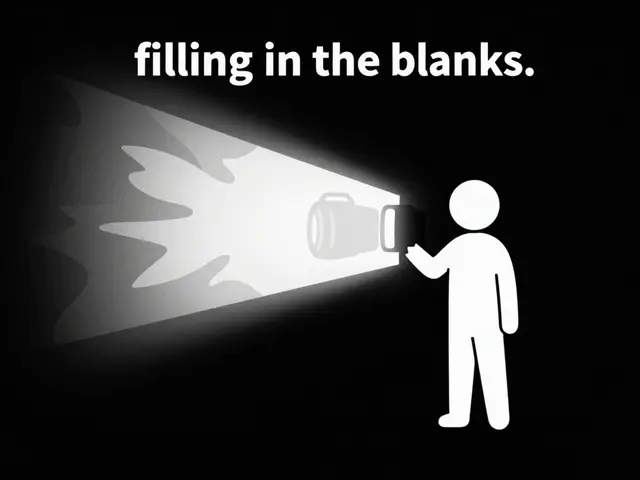
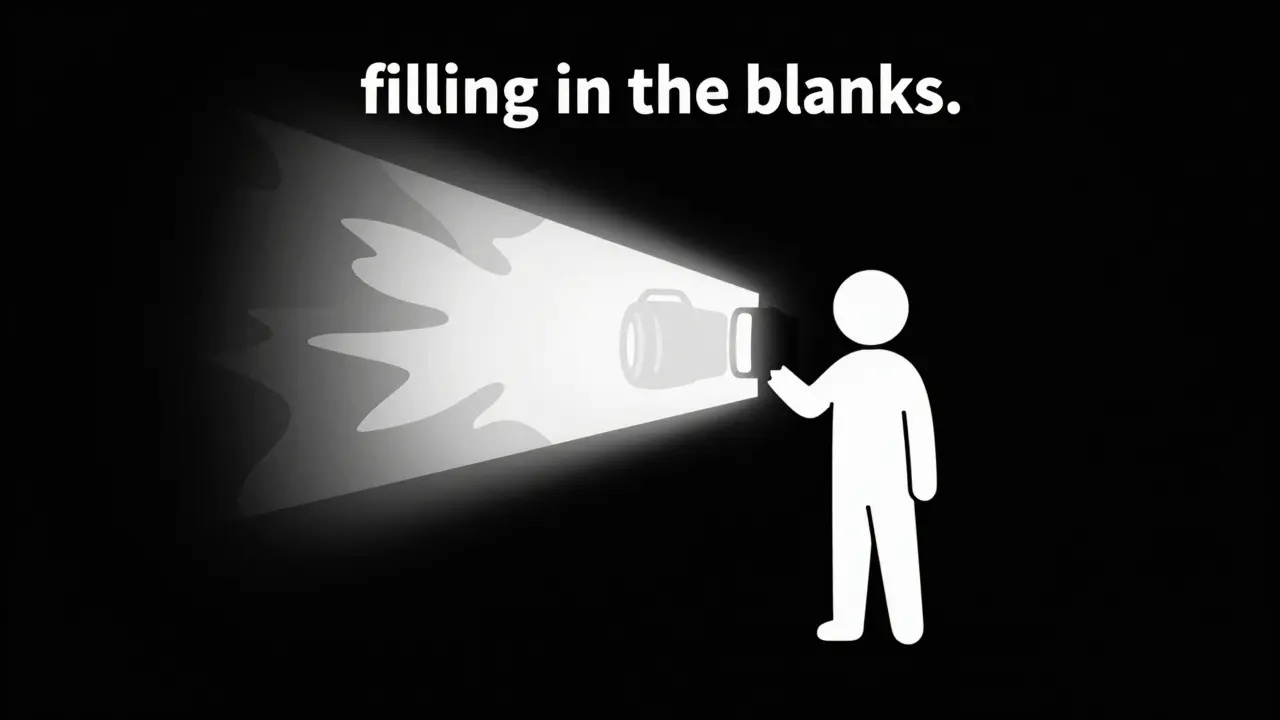
We often dismiss found footage as cheap or lazy filmmaking. We think, "If they had a real budget, they would use steady cameras and good lighting." That assumption misses the point entirely. The shakiness isn't a mistake; it's a feature. It forces you to fill in the blanks with your own imagination, which is almost always scarier than anything a director could show you directly.
The Psychology of the Home Video Aesthetic
To understand why this genre grips us, we have to look at how our brains process information. When you watch a traditional Hollywood thriller, you are aware you are watching a constructed narrative. The lighting tells you where to look. The music tells you when to be afraid. You are a passive observer.
With found footage, that safety net is removed. The aesthetic mimics amateur home videos, security camera feeds, or news reports. This triggers a sense of cinematic realism. Your brain struggles to categorize what you are seeing. Is this a movie? Or is this evidence of something real? That cognitive dissonance creates anxiety. You start looking for clues, trying to verify the reality of the situation yourself. You become an active participant in the investigation, rather than just a viewer.
This technique relies heavily on the concept of "verisimilitude," or the appearance of being true or real. By using handheld cameras, natural lighting, and unpolished audio, filmmakers strip away the artifice of cinema. The result is a raw, intimate experience that feels like you are eavesdropping on a tragedy rather than watching a performance.
How the Paranormal Activity Effect Changed Horror
While films like The Blair Witch Project (1999) pioneered the genre, it was Paranormal Activity (2007) that perfected the commercial formula. Directed by Oren Peli, this film introduced a new pacing strategy that became the blueprint for modern found footage. Instead of constant action, it relied on slow-burn tension and the fear of what might happen next.
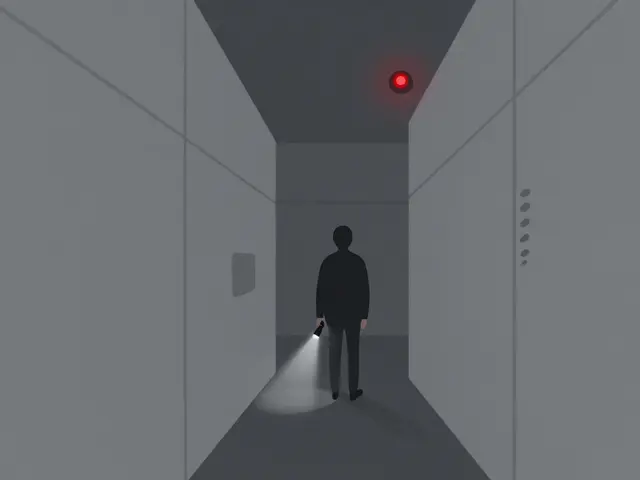
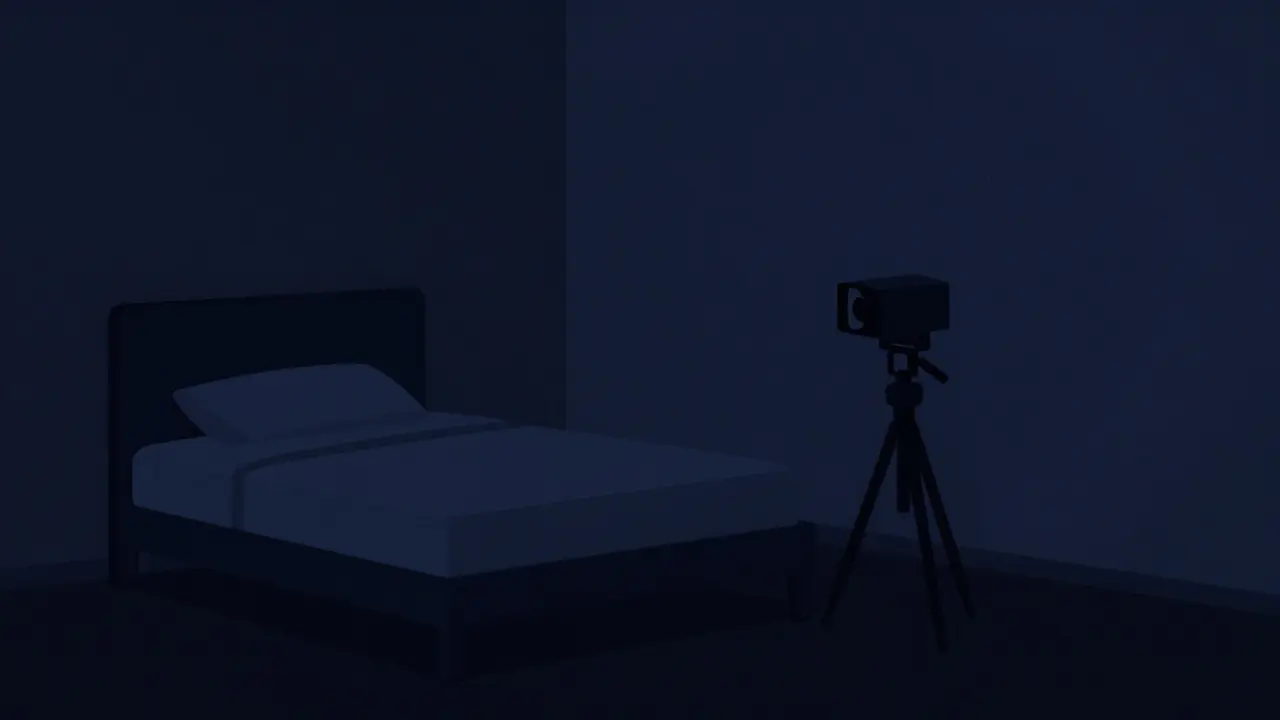
The "Paranormal Activity effect" refers specifically to the use of static cameras set up to record overnight. This technique changes the dynamic completely. In most horror movies, the protagonist runs toward danger or investigates noises. In Paranormal Activity, the characters go to sleep, and the audience is left alone with the empty room. You are forced to stare at the darkness, waiting for movement. This shifts the burden of attention onto the viewer. You can’t look away because you don’t want to miss the moment the ghost appears.
This approach also democratized the production process. Because the setup required minimal equipment-often just a digital video camera and a tripod-it allowed independent creators to produce high-quality scares on micro-budgets. This led to a surge in imitators, but few captured the same level of tension. The key wasn't the camera; it was the restraint. Most sequels and copycats failed because they added too much action, breaking the delicate balance of anticipation.
| Feature | Traditional Horror | Found Footage Horror |
|---|---|---|
| Camera Movement | Steady, composed shots | Shaky, handheld, erratic |
| Lighting | Dramatic, controlled | Natural, low-light, grainy |
| Sound Design | Orchestral score, clear dialogue | Ambient noise, muffled audio, silence |
| Viewer Role | Passive observer | Active investigator/participant |
| Pacing | Structured acts, climaxes | Slow burn, unpredictable jumps |
The Power of Implied Threats
One of the most effective tools in found footage is what isn't shown. Directors like James Wan (Saw, The Conjuring) and Ari Aster (Hereditary) understand that showing a monster clearly diminishes its power. Found footage takes this to the extreme. Because the camera is limited by the character's perspective, you only see what they see. If they turn their back, the threat disappears from view, but your memory of it remains.
This limitation creates a unique type of suspense called "information asymmetry." The audience knows more than the characters sometimes, or less, depending on the editing. In REC (2007), a Spanish zombie film presented as documentary footage, the claustrophobic apartment setting means the camera can never escape the horror. There is no wide shot to provide relief. You are trapped in the frame with the victims. This lack of visual escape routes keeps adrenaline levels high throughout the runtime.
Furthermore, the imperfections of the medium add to the terror. Grainy night vision, lens flares, and battery warnings aren't just stylistic choices; they simulate the limitations of human perception under stress. When a character is running for their life, their breathing gets loud, their hands shake, and they drop the camera. These moments feel authentic because they mirror how humans actually behave in traumatic situations. No actor would choose to act this way in a polished scene; it looks messy. But in found footage, messiness equals truth.
Modern Evolution: Smartphones and Social Media
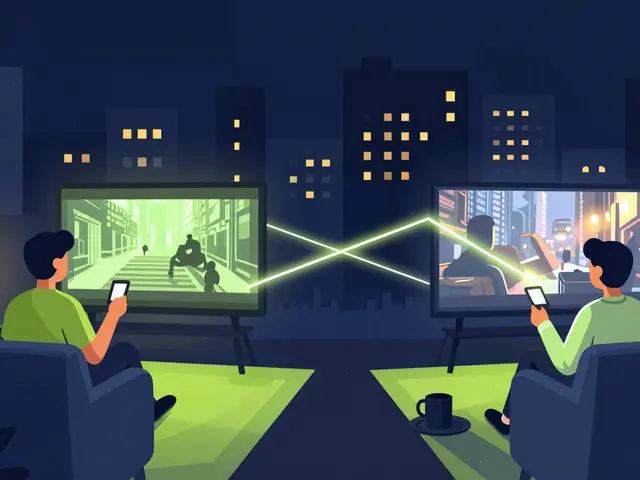
As technology has evolved, so has the found footage genre. The era of camcorders has largely been replaced by smartphones, GoPros, and social media platforms. Films like Unfriended (2014) and Searching (2018) expanded the definition of "found footage" to include screenlife-a format where the entire movie takes place on computer screens and mobile devices.
This shift reflects our current relationship with technology. We document everything. We live through our lenses. This cultural habit makes screen-based horror particularly resonant today. Seeing a horror story unfold via iMessage chats, Facebook profiles, and Zoom calls feels disturbingly plausible. It taps into fears about privacy, cyberbullying, and the permanence of digital footprints.
However, this evolution also presents challenges. Early found footage relied on the novelty of the format. Now, audiences are savvy. They recognize the tropes immediately. To succeed, modern films must innovate within the constraints. For example, The Bay (2012) mixed multiple sources-news clips, cell phone videos, and government documents-to create a complex puzzle. This multi-source approach adds layers of credibility and allows for a broader scope than a single handheld camera could provide.
Why Jump Scares Work Better Here
Critics often complain that found footage relies too heavily on jump scares. While true, these scares are more effective in this context than in traditional films. In a standard movie, a loud noise and a sudden image appear out of nowhere. In found footage, the jump scare is often earned through prolonged tension. You’ve been staring at that closet door for ten minutes. When it finally opens, the shock is visceral because your body has been primed for it.
Additionally, the audio design plays a crucial role. Found footage often uses diegetic sound-sounds that originate from within the world of the film. A creaking floorboard or a whisper isn't accompanied by a dramatic musical sting. It’s just the sound. This subtlety tricks your ear into thinking you’re hearing something in your own environment. The line between the theater and your living room blurs, making the scare feel personal.
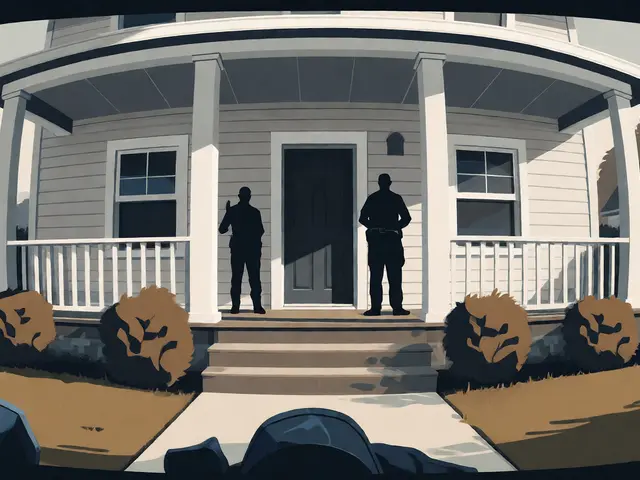
Think about the last time you heard a noise in your house at night. Did you call the police immediately? Probably not. You froze, listened, and tried to rationalize it. Found footage replicates this exact psychological process. The characters hesitate. They doubt themselves. And so do you. This shared uncertainty is the glue that holds the genre together.
Common Pitfalls and How to Avoid Them
If you are interested in creating or analyzing found footage, it’s important to recognize what breaks the spell. The biggest enemy of the genre is inconsistency. If the camera suddenly becomes steady during a chase scene without explanation, the illusion shatters. Audiences will forgive bad acting if they believe the premise, but they won’t forgive logical errors in the recording itself.
Another common mistake is over-explaining. Found footage thrives on ambiguity. If the director provides a clear origin for the ghost or a scientific explanation for the alien invasion, it reduces the mystery. The fear comes from the unknown. Keep the lore vague. Let the audience debate the ending on Reddit. That engagement is a sign of success.
Finally, avoid making the characters too stupid. Yes, they need to keep filming while running for their lives, but there must be a reason. Maybe the camera is their only proof. Maybe they are documenting a phenomenon for science. Give them a motive that aligns with the stakes. If they seem foolish rather than desperate, the audience will detach emotionally.
The Future of Immersive Horror
Looking ahead, virtual reality (VR) represents the next frontier for found footage. Imagine putting on a headset and becoming the person holding the camera. You control where you look. You decide what to investigate. This level of immersion could make the "Paranormal Activity effect" even more potent. However, it also raises ethical questions about desensitization and trauma. As the technology becomes more realistic, the boundary between entertainment and simulation will continue to blur.
For now, found footage remains a vital tool in the horror toolkit. It reminds us that fear is subjective. It doesn't come from the monster on screen; it comes from the darkness behind you, the noise in the walls, and the stories we tell ourselves to explain the unexplainable. Whether it’s a camcorder tape from 1999 or a smartphone video from 2026, the core appeal remains the same: the terrifying possibility that what you are seeing is real.
What is the difference between found footage and documentary horror?
While both styles aim for realism, found footage typically implies the material was discovered after the fact, often with missing context or damaged files. Documentary horror usually features interviews, narration, and a more structured investigative framework. Found footage relies more on the immediate, raw perspective of the characters during the event.
Why do people find shaky camera work scary?
Shaky camera work simulates human panic and instability. It disrupts the viewer's ability to comfortably scan the scene, forcing them to focus intensely on small details. This physical discomfort mirrors the anxiety of the character, creating an empathetic link that heightens the emotional impact of the scare.
Is the Paranormal Activity effect still effective in 2026?
Yes, but it requires innovation. Audiences are familiar with the trope, so modern films must combine it with other elements like social media integration or VR concepts. The core psychological principle-fear of the unseen and the realism of amateur video-remains powerful, especially as digital literacy increases.
Can found footage work outside of the horror genre?
Absolutely. Found footage has been used in war films like Restrepo, disaster movies like Cloverfield, and even comedies. The style is versatile because it emphasizes immediacy and authenticity. Any genre that benefits from a sense of "being there" can utilize this technique effectively.
What are the best examples of found footage horror?
Key titles include The Blair Witch Project (1999) for pioneering the style, Paranormal Activity (2007) for perfecting the slow-burn tension, REC (2007) for intense claustrophobia, and [REDACTED] (2023) for a recent, critically acclaimed take on the format. Each offers a different approach to the central entity of cinematic realism.