9
Ethics in Film Criticism: Disclosures, Screeners, and Conflicts of Interest
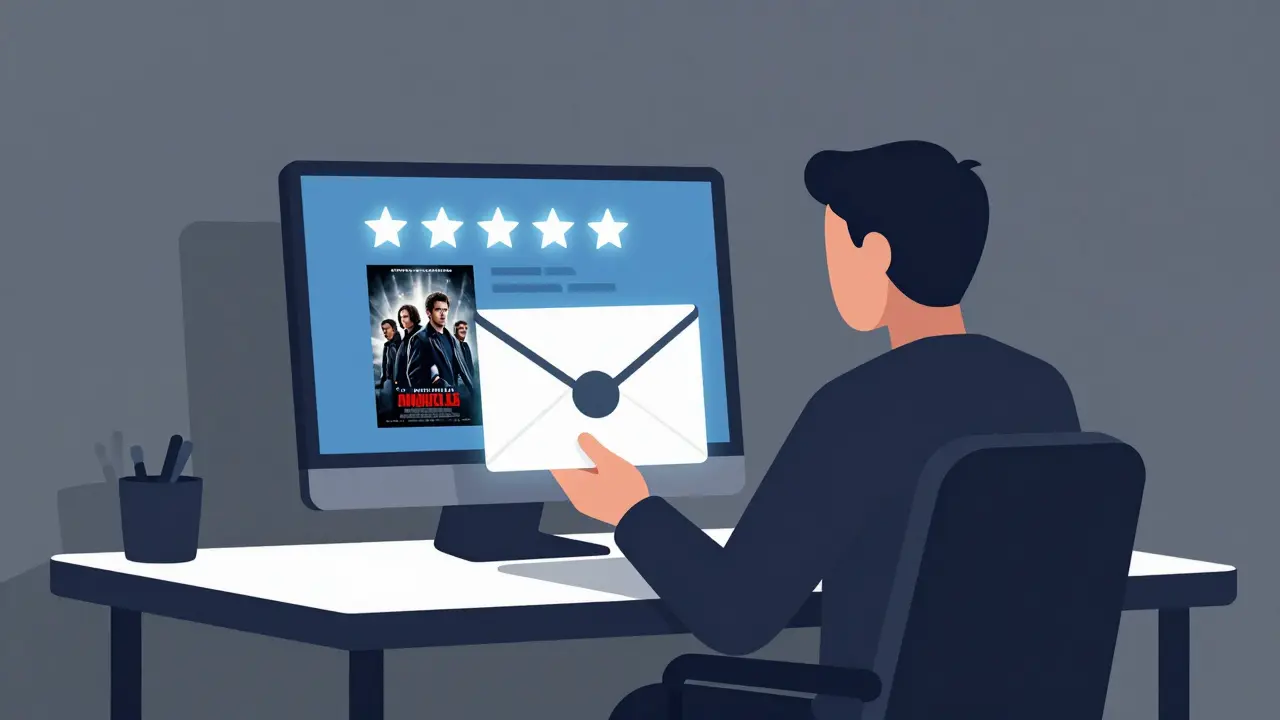
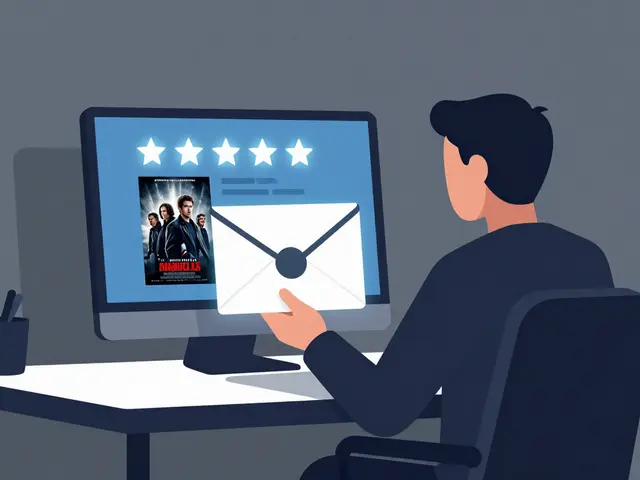
Imagine you just watched a highly anticipated blockbuster. You loved it. But then you remember the studio sent you that copy for free, along with a nice email from their publicist asking if you had any "questions." Suddenly, your glowing five-star review feels a little heavy. Is it honest? Or is it bought?
This tension sits at the heart of modern film criticism. We live in an era where anyone with a smartphone can publish a review, but the power to influence box office numbers still rests largely with established critics and influencers. The question isn't just about whether a movie is good or bad; it's about whether the opinion we're reading is truly independent. When money, access, and personal relationships mix with professional judgment, the result can be misleading content that hurts both audiences and the art form itself.
To navigate this landscape, we need to look under the hood. How do screeners work? What constitutes a conflict of interest? And why does disclosure matter more than ever in 2026? Let’s break down the rules of the road for ethical film criticism.
The Screener System: Access vs. Obligation
At the core of professional film criticism is the screener, which is a digital or physical copy of a film provided by studios to critics before its public release. This system exists because critics need time to watch, analyze, and write about a film before audiences flock to theaters. Without screeners, reviews would arrive on opening day, missing the crucial window where word-of-mouth drives ticket sales.
However, receiving a screener creates a subtle psychological pressure. It’s not a direct bribe-no one hands you cash-but it is a favor. The studio has invested resources in getting that file to you securely, often via encrypted links or hard drives with strict expiration dates. This creates a sense of reciprocity. You might feel inclined to be softer in your critique because you don’t want to burn bridges for future access.
The Ethical Line: Accepting a screener is standard practice and not inherently unethical. The problem arises when a critic feels they owe the studio a positive review in return. Ethical criticism requires treating the screener as a tool for timely information, not a gift that demands gratitude. If a film is terrible, the ethical move is to say so, regardless of how nicely the publicist emailed you.
- Digital Screeners (DCP): Encrypted files that expire after viewing. Common for major releases.
- Hard Drive Screeners: Physical drives sent via courier. Used for high-budget films to prevent leaks.
- Premiere Invitations: Tickets to exclusive screenings. These are experiences, not just views.
Disclosures: Transparency is Non-Negotiable
If there is one golden rule in modern media ethics, it is this: disclose everything. Audiences have become savvy. They know that a YouTube creator who says "this video is sponsored" is being paid. They expect the same honesty from film critics.
A disclosure statement tells the reader exactly what relationship the critic has with the film’s production. Did the studio pay for your flight to the premiere? Did you receive a gift basket? Are you friends with the director? Hiding these facts undermines trust. Once trust is broken, it is nearly impossible to rebuild.
In 2026, platforms like YouTube, TikTok, and Substack have made disclosure easier but also more complex. A simple "#ad" tag isn't always enough. Context matters. If you attended a press junket, mention it. If the studio covered your travel expenses, state it clearly. The goal is to give the audience all the information they need to weigh your opinion correctly.
| Scenario | Disclosure Required? | Why It Matters |
|---|---|---|
| Received a free screener | Yes (Optional but recommended) | Shows you didn't buy the ticket; potential bias toward access. |
| Studio-paid travel to premiere | Yes (Mandatory) | Significant financial benefit; high risk of perceived bias. |
| Personal friendship with cast/crew | Yes (Mandatory) | Emotional connection may cloud objective judgment. |
| Sponsored review segment | Yes (Mandatory + FTC compliance) | Direct payment for promotion; legally required in many regions. |

Conflicts of Interest: Beyond Money
Money is the most obvious conflict, but it’s not the only one. A conflict of interest occurs when a critic’s personal or professional interests interfere with their ability to provide an unbiased assessment. This can happen in surprising ways.
Consider the "friend zone" conflict. Many critics operate in tight-knit industry circles. You might review a film directed by someone you went to college with. Even if you’re brutally honest, the audience may doubt your impartiality. Similarly, if you’ve previously written a negative piece about a specific actor, reviewing their new project comes with baggage. Your past opinions might color your current analysis, or vice versa.
Another hidden conflict is career ambition. New critics often crave access. They might soften their language to ensure they get invited to the next big premiere. This is a slow-acting poison. Over time, the critic becomes an extension of the marketing machine rather than an independent voice. The solution? Recusal. If a conflict is too strong, the ethical choice is to pass on the review entirely and let a colleague handle it.
Common Conflicts to Watch For
- Financial Ties: Owning stock in the production company or parent studio.
- Personal Relationships: Dating, family ties, or close friendships with key creatives.
- Previous Advocacy: Having campaigned for the film’s funding or distribution.
- Platform Dependencies: Relying on a single studio for exclusive content to drive traffic.
The Influence of Social Media Algorithms
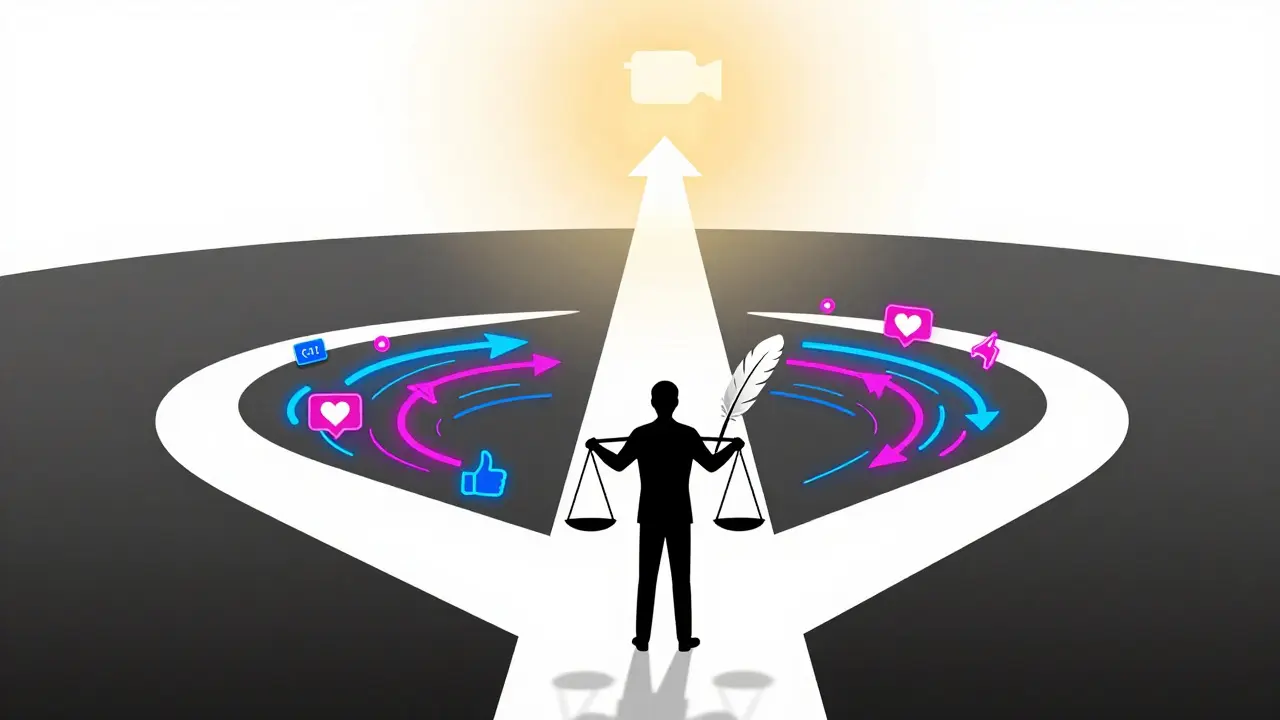
In the age of TikTok and Instagram Reels, the stakes are higher. Algorithms reward engagement, and outrage or extreme praise generates clicks. This creates a perverse incentive for critics to be sensationalist. A nuanced, balanced review might get ignored, while a rant gets millions of views.
This dynamic pressures critics to prioritize virality over accuracy. When you’re chasing algorithmic favor, you might exaggerate flaws or inflate strengths to provoke a reaction. This isn’t just bad journalism; it’s manipulative. Ethical criticism resists the urge to perform for the algorithm. It focuses on providing value to the viewer, even if that means a slower-growing channel.
Furthermore, social media blurs the line between criticism and fandom. Many influencers started as fans of a franchise. Transitioning from fan to critic is difficult. Can you objectively critique the tenth installment of a series you’ve loved since childhood? You can, but you must acknowledge that bias upfront. Readers deserve to know if they’re hearing from a seasoned analyst or a passionate supporter.
Best Practices for Ethical Review Writing
So, how do you stay ethical in a messy industry? Here are actionable steps for critics, bloggers, and influencers:
- Create a Disclosure Policy: Write a clear policy on your website or channel description. State exactly what you disclose and when. Consistency builds trust.
- Separate Personal from Professional: Keep your social media interactions with PR teams professional. Avoid private DMs discussing reviews. Keep communication on record.
- Recuse When Necessary: If you can’t be objective, step aside. It’s better to miss a review than to publish a compromised one.
- Cite Sources: If you make factual claims about a film’s production (e.g., budget, shooting schedule), cite reliable sources. Don’t rely on rumors.
- Review Regularly: Audit your past reviews. Look for patterns of bias. Are you consistently nicer to certain studios? Self-reflection is key.
Remember, ethics isn’t about being perfect. It’s about being transparent. Mistakes will happen. The difference between an ethical lapse and a scandal is how you handle it. If you forget to disclose a gift, correct it immediately. Apologize, update the post, and move on. Audiences respect honesty far more than infallibility.
The Future of Trust in Criticism
As AI-generated reviews begin to flood the internet, human authenticity will become a premium commodity. Readers will seek out voices they can trust. Those who maintain rigorous ethical standards will build loyal communities. Those who cut corners will find their credibility evaporating.
The film industry relies on criticism to survive. Bad reviews kill flops; good reviews save masterpieces. But this power only works if the criticism is trusted. By embracing transparency, acknowledging conflicts, and resisting the lure of easy access, critics protect not just their own reputations, but the entire ecosystem of film culture.
Next time you hold a pen-or type a tweet-ask yourself: "Would I say this if the studio hadn’t sent me that screener?" If the answer changes, you’ve found your conflict. Address it, disclose it, and keep moving forward with integrity.
Is it ethical to accept free tickets to movie premieres?
Yes, accepting free tickets is generally ethical as long as you disclose it. Premieres are part of the promotional cycle, and critics need access to see films early. However, you must state that the ticket was provided by the studio. If the studio also pays for your hotel and flights, that is a significant financial benefit and requires clearer disclosure due to the higher potential for bias.
Do I need to disclose if I received a digital screener?
While not always legally mandatory, it is best practice to disclose receiving a screener. It informs the audience that you did not purchase the film yourself. More importantly, it highlights that you were given privileged access. Transparency helps readers understand the context of your review and ensures they know you had no financial barrier to entry.
What should I do if I am friends with the director of a film I'm reviewing?
You have two options. First, you can review the film but prominently disclose your personal relationship with the director at the beginning of the review. Second, and often better, you can recuse yourself entirely and assign the review to a colleague. Recusal eliminates any perception of bias and protects your professional reputation.
How does sponsorship affect film criticism ethics?
Sponsorship creates a direct financial conflict of interest. If a brand pays you to include their product in your review or to feature the film, you must clearly label the content as "Sponsored" or "Paid Partnership." In many jurisdictions, including Australia and the US, failing to disclose paid promotions is illegal. Always follow FTC or local advertising guidelines to ensure compliance.
Can I be biased against a film without realizing it?
Yes, unconscious bias is common. You might dislike a genre, a specific actor, or a studio’s previous work, which could unfairly color your review of their new project. To mitigate this, regularly audit your reviews for patterns. Ask peers for feedback on your objectivity. Acknowledging your biases in the review itself can also help readers contextualize your perspective.