21
How to Write Action Sequences: What Movies Do Right
Ever watch a chase scene that leaves you bored? You know the type. Cars crash, heroes punch bad guys, explosions go off, but you’re just checking your phone. Now think of a scene that made your heart race. Maybe it was the opening of Dunkirk, where the tension comes from the silence before the storm, or the hallway fight in John Wick where every movement has purpose. The difference isn’t budget. It’s writing.
Most writers treat action as a list of cool stunts. That’s a mistake. Great action scenes are emotional arguments played out with fists, feet, and firearms. They reveal character, raise stakes, and drive the plot forward. If you want to write action sequences that actually work, you need to stop thinking like a stunt coordinator and start thinking like a psychologist.
The Core Principle: Action Is Character
The biggest error beginners make is separating the hero from their actions. In a vacuum, a punch is just a punch. But when a shy librarian throws a punch to protect her sister, that punch tells us everything about her courage. When a ruthless assassin hesitates to pull the trigger because he sees a child’s toy, that hesitation defines his humanity.
Every physical beat in an action sequence should serve a dual purpose: advancing the immediate physical conflict and revealing something new about the characters involved. This concept is central to Visual Storytelling, which prioritizes showing over telling through dynamic imagery and movement rather than exposition.
- Motivation: Why does the character fight this way? A trained soldier fights efficiently. A brawler fights angrily. A desperate parent fights recklessly.
- Stakes: What happens if they lose? If the answer is "they get hurt," the audience doesn't care. If the answer is "their secret identity is exposed" or "the bomb goes off," now we’re invested.
- Voice: Even in silence, how they move speaks their personality. Are they graceful? Clumsy? Brutal? Precise?
Take the final duel in Star Wars: Episode V - The Empire Strikes Back. It’s not just Luke vs. Vader. It’s innocence vs. experience, hope vs. despair. Every swing of the lightsaber is a metaphor for their ideological battle. When Luke cuts off Vader’s hand, he mirrors the injury Vader inflicted on him earlier, closing the loop of victimhood and aggression.
Clarity Over Coolness
You might be tempted to write: "They fight in a blur of motion." Stop. Don’t do that. Audiences need to follow the geography of the fight. If they don’t know who is hitting whom, or where the exit is, they disengage.
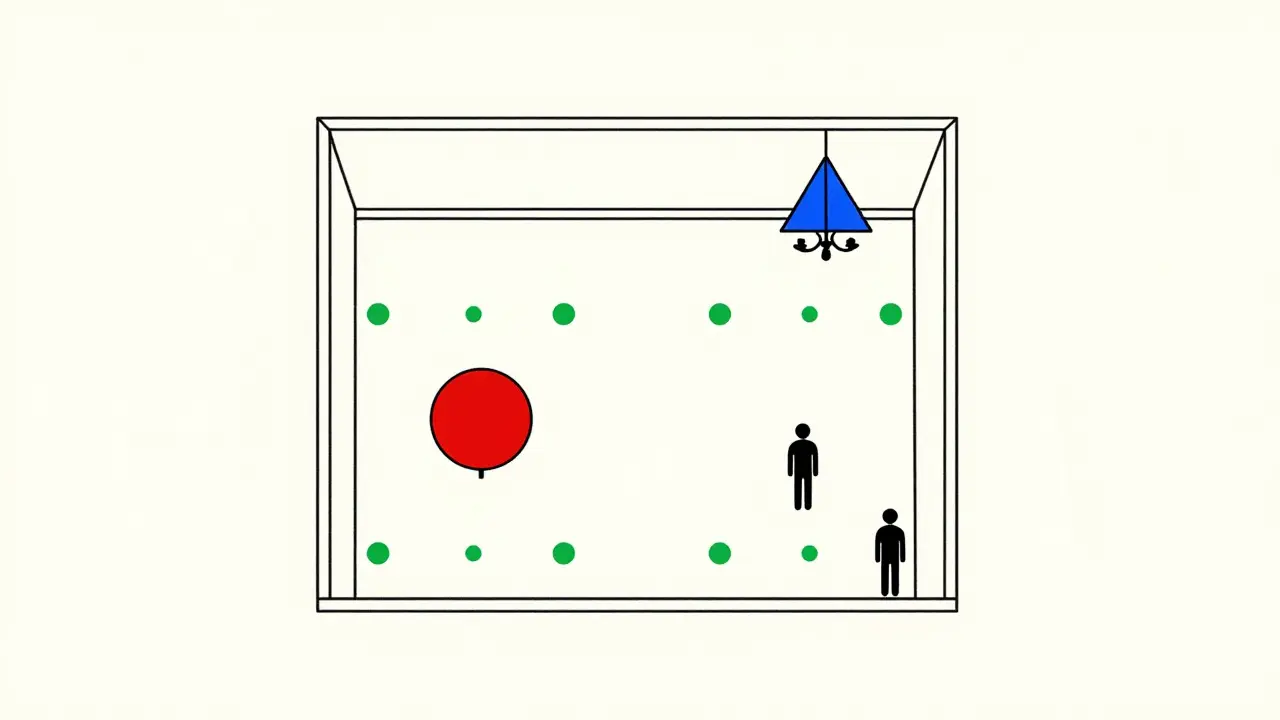
Spatial Geography refers to the clear establishment of location boundaries, object placement, and character positioning within a scene to maintain viewer orientation during chaotic events. Think of it like giving directions. "Turn left at the bank" works. "Turn left at the thing near the other thing" confuses people.
In Mad Max: Fury Road, George Miller uses color coding (red vs. blue) and distinct vehicle designs to keep track of dozens of characters in wide shots. As a writer, you must establish the environment early. Describe the layout. Where is the cover? Where is the danger? Who has the high ground?
- Establish the space: Before the first punch, show the room. Is it tight? Open? Slippery? Full of obstacles?
- Anchor points: Use landmarks. "He kicks the table," "She grabs the chandelier." These give the reader/audience reference points.
- Simple verbs: Avoid purple prose. "He punched her" is clearer than "His fist descended upon her visage with the fury of a thousand suns."
If you can’t draw the scene on a napkin, you haven’t written it clearly enough. Directors and editors rely on your script to visualize the flow. Ambiguity leads to expensive reshoots or confusing edits.
Pacing and Rhythm
Action needs breath. Constant noise and movement lead to sensory overload. The most effective sequences use contrast. Quiet moments make loud moments louder. Stillness makes movement more impactful.
Consider the structure of a song. There are verses, choruses, bridges, and pauses. Action scenes should follow a similar rhythm. This is often referred to as Narrative Cadence, the strategic variation in speed and intensity of storytelling elements to control audience engagement and emotional response.
| Technique | Effect | Example |
|---|---|---|
| Slow Motion | Emphasizes impact or emotion | The bullet time effect in The Matrix |
| Silence | Creates dread or focus | The quiet before the jump scare in horror-action hybrids |
| Rapid Cuts | Increases chaos and energy | Opening of Bourne Identity |
| Long Takes | Builds immersion and realism | Hallway fight in Oldboy |
Don’t just describe the hits. Describe the aftermath. The gasp for air. The trembling hands. The moment the hero realizes they’re outmatched. These pauses allow the audience to process what’s happening and feel the weight of the violence.
Consequences and Stakes
In many modern blockbusters, heroes take ten bullets and keep running. This is known as "plot armor," and it kills tension. For an action sequence to matter, there must be real consequences. Pain should linger. Weapons should run out of ammo. Allies should get hurt.
Causal Logic ensures that every action has a logical reaction, preventing deus ex machina resolutions and maintaining narrative integrity throughout the story arc. If a character breaks their arm in Act 1, they shouldn’t be karate-chopping in Act 3 unless they’ve had time to heal or find a workaround.
Look at Die Hard. John McClane is barefoot, bleeding, exhausted, and outgunned. He loses allies. He gets beaten up repeatedly. We believe he might die. That belief keeps us glued to the screen. If he were invincible, the movie would be boring.
To raise stakes effectively:
- Limit resources: One bullet left. No phone signal. Running out of time.
- Introduce variables: A civilian walks into the crossfire. The floor starts collapsing.
- Show damage: Bruises, limps, broken equipment. Physical toll matters.
Environmental Interaction
Great fighters use their surroundings. A wall isn’t just a wall; it’s cover, a weapon, or a trap. A car isn’t just transport; it’s a battering ram or a shield. Integrating the environment makes the action feel organic and clever rather than choreographed in a void.
This approach aligns with Propaganda Utilization in visual media, where objects and settings are actively used to convey thematic meaning or tactical advantage beyond their literal function. Wait, let me correct that-it’s actually called Environmental Storytelling or Tactical Improvisation.
In John Wick: Chapter 3 - Parabellum, the pen fight is iconic not because of the moves, but because of the setting. A quiet bar. Civilians watching. The contrast between the mundane and the violent heightens the shock value. Wick uses tables, chairs, and even the bartender’s apron. He adapts to what’s available.
When writing, ask yourself: What unique features does this location have? How can the characters exploit them? Can they turn the environment against the enemy? This adds layers of creativity and surprise.
Sound Design as a Writing Tool
Writers often forget sound. But sound shapes how we perceive action. The crunch of glass. The whine of a turbine. The heavy breathing of a tired runner. Describing audio cues helps directors and sound designers build atmosphere.
Auditory Imagery involves using descriptive language related to hearing to enhance the reader's or viewer's sensory experience and emotional connection to the scene. Instead of "The explosion was loud," try "The explosion sucked the air out of the room, leaving a ringing silence before the debris hit."
Think about the soundscape. Is it noisy? Quiet? Distorted? In Alien: Romulus, the screech of the Xenomorph triggers instinctual fear. In Top Gun: Maverick, the roar of the engines conveys power and speed. Use sound to manipulate mood.
Mini-FAQ
How long should an action scene be in a script?
There is no fixed rule, but generally, action scenes should be concise. Aim for one page per minute of screen time. If a scene drags beyond three pages without significant plot progression or character development, consider cutting it down. Brevity maintains pace and tension.
Should I describe every punch in detail?
No. Focus on the key beats-the setup, the climax, and the resolution. Describing every single jab slows down the reading experience. Trust the actors and stunt coordinators to fill in the gaps. Your job is to provide the emotional and structural framework.
What is the most common mistake in writing action?
Lack of clarity. Writers often prioritize style over substance, resulting in confusing geography and unclear motivations. Always ensure the audience knows where everyone is and why they are fighting. Clarity allows emotion to land.
How do I make action feel fresh?
Subvert expectations. Instead of a gunfight, have a silent struggle. Instead of a big explosion, have a small, precise breach. Tie the action to the character’s unique skills or flaws. Originality comes from specific character choices, not generic tropes.
Can dialogue happen during action?
Yes, but sparingly. Dialogue during intense action can break immersion unless it serves a critical purpose-revealing a twist, showing desperation, or highlighting a relationship. Keep it short and punchy. People don’t hold conversations while being chased by a bear.
Writing great action isn’t about listing cool moves. It’s about creating a visceral experience that reveals character and drives story. By focusing on clarity, consequence, and rhythm, you can craft sequences that resonate long after the credits roll. Remember, the best action feels inevitable yet surprising. Make every punch count.