25
How to Write and Perform Stunning Movie Monologues

Quick Guide to Powerful Monologues
- The Objective: Every monologue must be an attempt to change someone or something.
- The Arc: The character should start in one emotional place and end in another.
- The Subtext: What is NOT being said is often more important than the dialogue.
- The Pacing: Use silence and beats to let the emotion land.
- The Stakes: There must be a clear consequence if the character fails to get their point across.
The Secret Engine of the Solo Scene
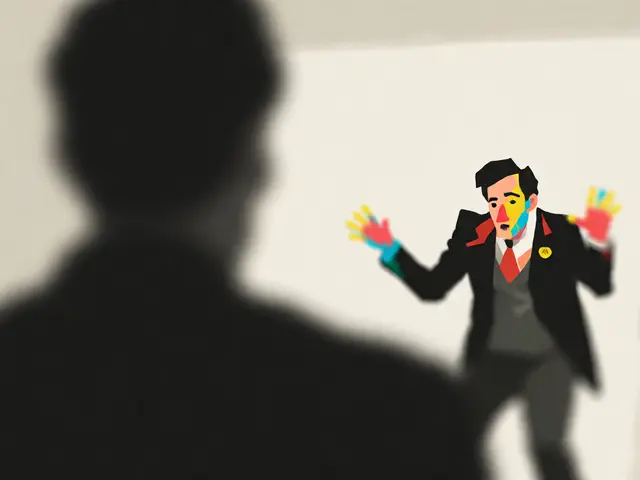
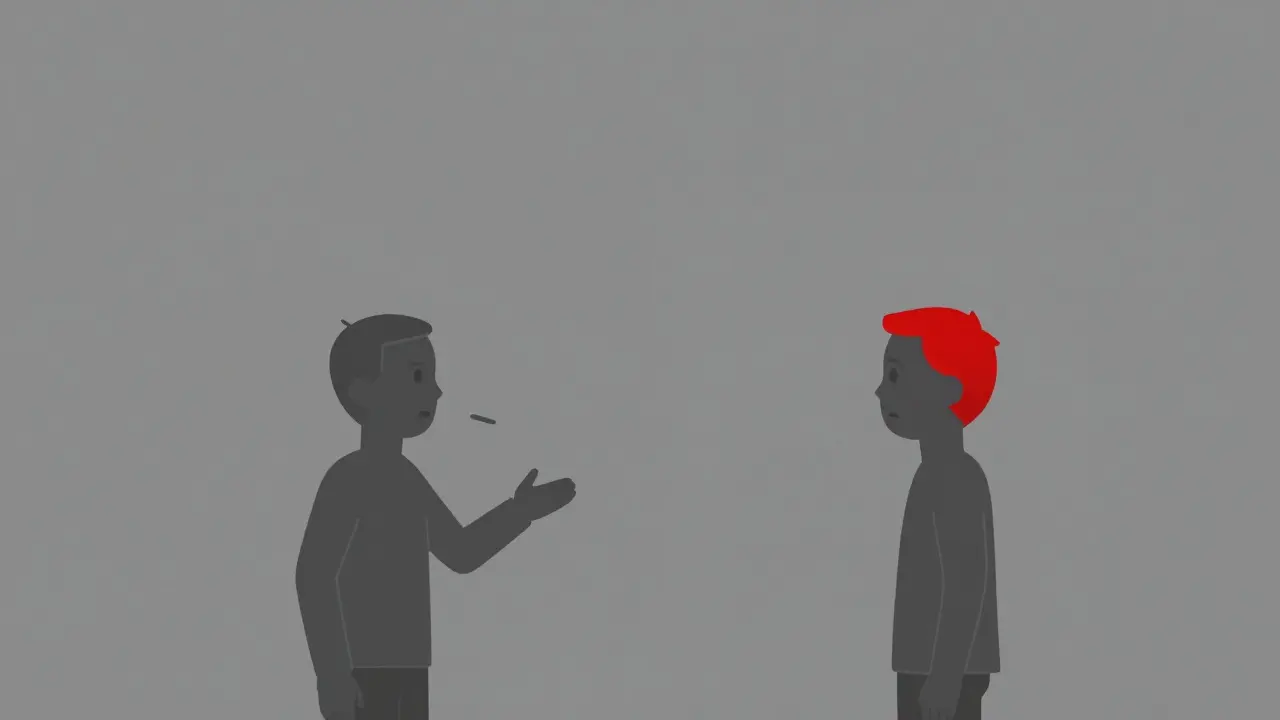
To make a movie monologues sequence work, you have to understand that a monologue is actually a dialogue-it just happens that the other person isn't talking. In Acting Analysis, this is called the "silent partner." Whether the character is talking to a lover, a rival, or a mirror, they are reacting to the other person's silence, their facial expressions, or their refusal to listen.
If you write a character who is just sharing their feelings, you are writing a diary entry, not a scene. A real monologue is a weapon. The character is using words to manipulate, plead, intimidate, or confess. For example, think of the famous "I could eat the grass" energy in intense dramas. The character isn't just describing grass; they are trying to prove they have hit rock bottom to evoke pity or fear in the listener.
Structuring the Emotional Journey
A monologue that stays on one note for three minutes is a bore. If a character starts angry and stays angry, the audience gets fatigued. You need an emotional arc. This means the character discovers something new while they are talking. They might start with a lie, realize the lie isn't working, and pivot to a devastating truth.
This shift is often driven by Character Development. You can track this through "beats." A beat is a shift in tactic. If the first beat is "I'm trying to make you laugh to hide my pain," and the second beat is "I'm tired of pretending," the transition creates a tension that keeps the viewer glued to the screen.
| Element | The "Speech" (Avoid This) | The "Action" (Do This) |
|---|---|---|
| Purpose | To deliver information to the audience. | To achieve a specific goal from another character. |
| Emotion | Static (e.g., just sad for 2 minutes). | Dynamic (e.g., from denial to acceptance). |
| Rhythm | Steady, predictable flow. | Interrupted by thoughts, breaths, and reactions. |
| Subtext | Characters say exactly what they feel. | Characters fight against their own emotions. |
Writing for the Camera vs. The Stage
Many writers make the mistake of writing movie monologues like they are for a theater. On a stage, you need big gestures and projected voices to reach the back row. In cinema, the Cinematography does the heavy lifting. A close-up can capture a trembling lip or a flicker of doubt in the eye that would be invisible in a play.
Write for the intimacy of the lens. Use short sentences. Allow for pauses where the actor can simply breathe. Some of the most powerful moments in film history aren't the loudest ones, but the ones where the character almost loses the words. When you write, leave room for the actor to find the "micro-expressions." If the script is too wordy, you leave no room for the acting to happen.
The Art of the Performance
For the actor, the biggest challenge is avoiding the "monologue voice"-that specific, overly dramatic tone people use when they know they are the only ones talking. To avoid this, focus on the listener. Even if the listener is off-camera, imagine their exact reaction. Are they rolling their eyes? Are they crying? Are they about to walk out the door?
The performance should be an active pursuit. If you are playing a scene of grief, don't just "be sad." Try to make the other person feel your sadness. Try to make them apologize. When the goal is external, the performance becomes active and engaging. This is where Method Acting or other technical approaches help-by grounding the emotion in a physical need rather than a conceptual feeling.

Common Pitfalls and How to Fix Them
The "As You Know" monologue is the most common sin in screenwriting. This is when a character explains things to another character that they both already know, just so the audience can hear it. "As you know, Sarah, our father died ten years ago in a tragic boating accident." It feels fake because real people don't talk like that.
Instead, wrap the information in an argument. Instead of stating the fact, use it as a weapon. "You can't tell me how to live my life when you've been running from Dad's ghost for ten years!" Now, the information is delivered, but it's tied to a conflict. The audience learns the backstory, and the tension rises simultaneously.
Another trap is the "Philosophy Dump." This happens when a character stops the plot to explain their worldview. Unless that character is a professor in a lecture hall, this usually kills the momentum. To fix this, tie the philosophy to a concrete object or a specific memory. Don't talk about the nature of love; talk about the specific way a partner used to make coffee. The specific is always more universal than the general.
Integrating the Solo into the Plot
A monologue should be the climax of a sequence, not a detour. It should be the moment where the character can no longer keep things inside. If you can cut the monologue and the story still makes perfect sense, the monologue isn't doing its job. It must be the pivot point that changes the direction of the plot or the relationship between characters.
Think of it as a pressure valve. The tension in the movie has been building-the secrets, the lies, the unspoken resentment-and the monologue is the moment the valve bursts. Once the words are out, there is no going back. The characters must be different people after the monologue ends than they were before it started.
How long should a movie monologue be?
There is no hard rule, but in modern cinema, anything over two minutes risks losing the audience unless the tension is incredibly high. Aim for 30 to 90 seconds for most scenes. If it needs to be longer, break it up with visual actions or reactions from other characters to keep the pace moving.
What if the character is talking to themselves?
Talking to oneself can easily feel unnatural. To make it work, give the character a clear reason to do it-they are practicing a speech, they are losing their mind, or they are trying to convince themselves of a lie. The "audience" in this case is the character's own conscience or ego.
How do I practice a monologue for an audition?
Record yourself and watch it back, but don't look at your face-look at your pacing. Identify where the shifts in tactic occur. If the whole thing feels like one long sentence, you need to find your "beats." Try performing it with three completely different objectives to see which one feels most authentic.
Should I use a lot of adjectives in a monologue?
Generally, no. Over-describing emotions ("I am so incredibly devastated and heartbroken") actually weakens the impact. Use concrete nouns and active verbs. Instead of saying you are "devastated," describe the silence in the house or the weight of the phone in your hand. Let the actor's face convey the adjective.
How do I handle the transition back to dialogue?
The end of the monologue should land like a punch. Once the final point is made, the silence that follows is the most important part. Let the other character react physically before they speak. The transition back to dialogue should feel like a response to the emotional explosion that just happened.
Final Polish and Troubleshooting
Before you finalize your scene, read the monologue out loud. Not in your head, but actually speaking the words. If you run out of breath, the sentences are too long. If you find yourself stumbling over a phrase, the wording isn't natural. Real people trip over their words, they restart sentences, and they use fragments.
If the monologue feels "stiff," try the "contradiction exercise." Give the actor a goal that is the opposite of the words they are saying. If the character is saying "I love you," have the actor perform it as if they are trying to say "I hate you." This creates a layer of subtext and tension that makes the performance feel human and complex rather than a scripted delivery.