12
Improvisation on Set: How Ad-Libs Elevate Film Scenes
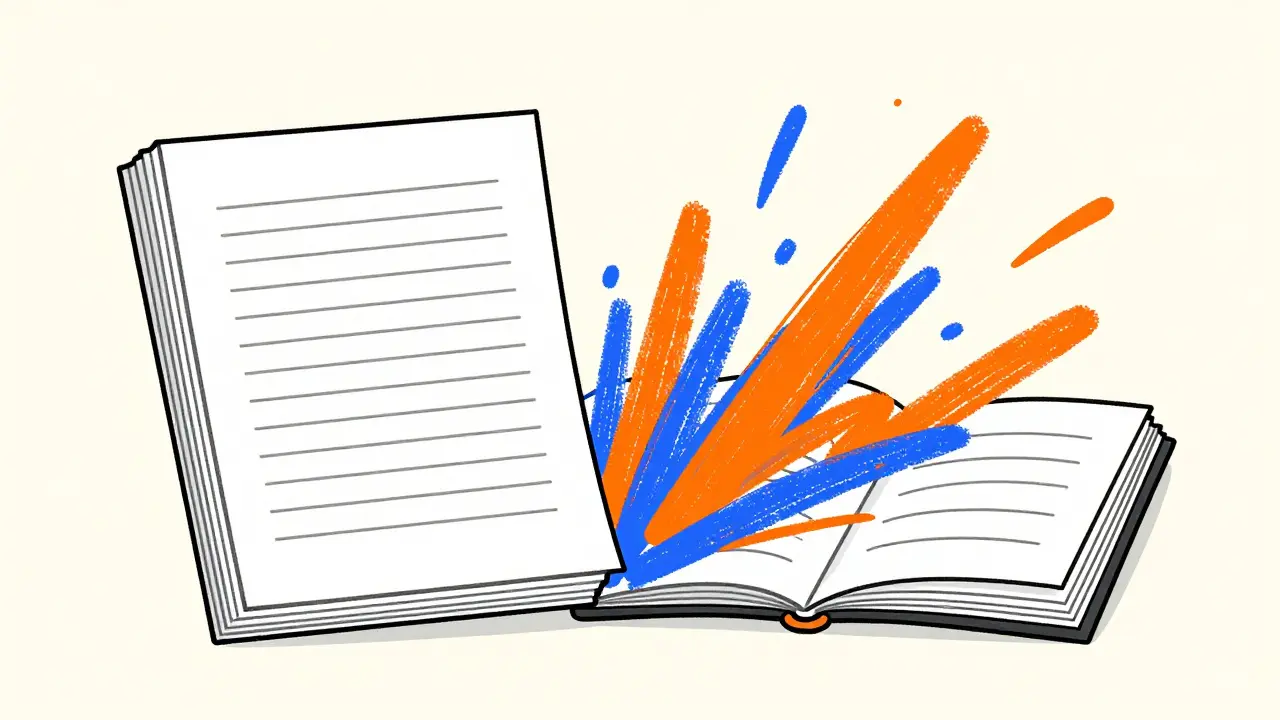
That moment when an actor throws out a line that wasn't in the script? It’s often the heartbeat of the entire scene. Think about it. You watch a movie, you laugh at a joke or feel a sudden punch of emotion, and later you find out that bit was pure accident. Improvisation isn’t just chaos; it’s a calculated risk that can turn a good take into a legendary one.
We tend to think of movies as rigid machines built line-by-line from a screenplay. But some of the most iconic performances in history rely on the unexpected. When actors break character or deviate from the text, they inject raw humanity into artificial setups. This article breaks down how those spontaneous choices work, why directors allow them, and what separates a brilliant ad-lib from a disaster that kills the shot.
The Anatomy of a Successful Ad-Lib
Not every off-script moment makes the cut. A successful improvisation usually falls into one of three categories: comedic timing, emotional realism, or logistical convenience. Let’s look at the mechanics.
In comedy, the goal is surprise. The audience expects a certain rhythm based on the script. When an actor disrupts that rhythm with a witty aside or a physical gag, it creates tension and release. Take Jim Carrey, known for his wild physical comedy and ability to generate laughs through sheer unpredictability. In The Mask, much of his facial contortion and vocal variety were improvised reactions to the stunt performers around him. He wasn't reading lines; he was reacting to energy.
In drama, improvisation serves realism. Scripts can sometimes feel too polished, too perfect for real human speech. People stutter, interrupt each other, and trail off. An actor might choose to mumble a line instead of delivering it clearly because that’s how their character feels in that moment. This adds texture. It makes the performance feel lived-in rather than performed.
- Comedic Relief: Breaking the fourth wall or adding a visual gag not written by the screenwriter.
- Emotional Truth: Reacting genuinely to another actor's choice, even if it changes the blocking.
- Pacing Adjustment: Speeding up or slowing down dialogue to match the natural flow of conversation.
Why Directors Embrace Chaos
You might wonder why a director would let an actor go rogue. After all, they have a schedule, a budget, and a story to tell. The answer lies in authenticity. A director like Woody Allen frequently encouraged his actors to improvise dialogue to capture the neurotic, overlapping nature of New York conversation. He understood that scripted banter rarely sounds like real people talking over each other in a café.
Directors also use improvisation to solve problems. Maybe a prop fails. Maybe the lighting is better in a different angle. Maybe an actor forgets a line. Instead of cutting and resetting, a skilled director lets the actor roll with it. If the reaction is honest, it often beats the rehearsed version. This approach requires trust. The cast must know that the director has their back and that the 'mistake' won't ruin the day's shoot.
| Feature | Scripted Performance | Improvised Performance |
|---|---|---|
| Predictability | High - Every word is planned | Low - Outcomes vary per take |
| Authenticity | Can feel rehearsed or stiff | Often feels raw and spontaneous |
| Control | Director controls narrative tightly | Actor influences narrative direction |
| Risk | Low - Consistency guaranteed | High - Can derail scene or continuity |
Famous Examples That Changed Movies
History is full of scenes where the script was merely a suggestion. These examples show how ad-libs elevate a scene from functional to unforgettable.
Consider the famous "I'm walking here!" line from Taxi Driver. Robert De Niro didn't write that line, but he added it to emphasize Travis Bickle's paranoia and aggression in a crowded city street. It became a cultural touchstone. Without that ad-lib, the scene is just a man walking down a sidewalk. With it, we hear the internal scream of a broken psyche.
Then there’s Jurassic Park. When the T-Rex attacks, Jeff Goldblum’s character, Ian Malcolm, delivers a monologue about chaos theory. While the core idea was in the script, much of the delivery and specific phrasing were refined through improvisation during rehearsals. It turned a scientific lecture into a thrilling thematic anchor for the film.
Even in horror, improvisation works. In Scream, many of the killer’s phone calls were ad-libbed by Skype (Ghostface)'s voice actor, who played with tone and pacing to maximize fear without revealing too much. The uncertainty in the killer's voice kept audiences on edge because it felt less like a villain reciting lines and more like a predator playing games.
The Risks of Going Off-Script
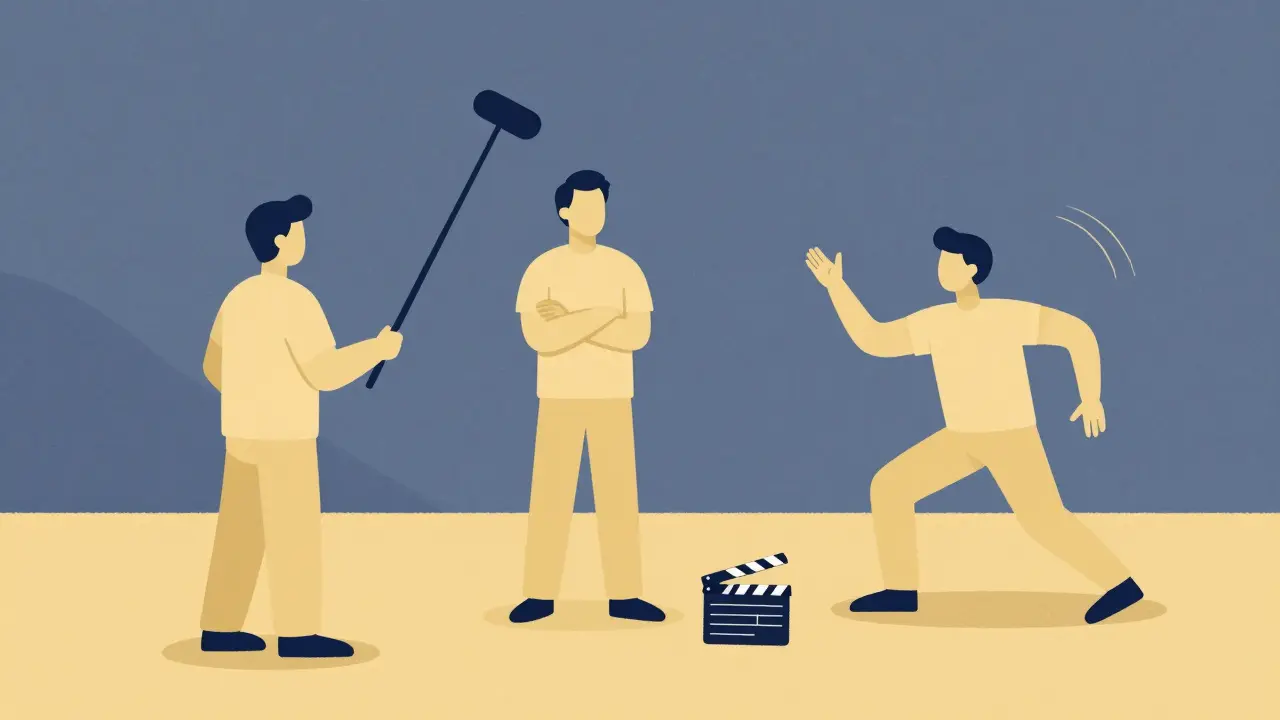
It’s not all magic. Improvisation carries significant risks. Continuity is the biggest enemy. If an actor moves a cup in take one but leaves it still in take two, the editor has a problem. If they change the meaning of a line, it might contradict the plot established in previous scenes.
There’s also the issue of fairness. One actor improvising can throw off their scene partner. Imagine trying to deliver a serious dramatic line while your co-star decides to crack a joke. Unless both are trained in improv, the scene falls apart. This is why many productions do extensive table reads and rehearsals before shooting. They build a foundation so that when they fly off the handle, they don't crash.
Furthermore, not every genre allows for it. Action movies with complex stunts require precise timing. If an actor ad-libs a line while hanging off a cliff, it could delay the stunt coordinator’s cues and endanger lives. In these cases, the script is law.
How Actors Prepare to Improvise
Great improvisers aren't just lucky; they’re prepared. They know the script inside out. Paradoxically, you have to master the rules before you can break them. An actor who knows exactly what their character wants in every scene can deviate from the words while staying true to the intent.
Training in theater improvisation helps. Techniques from groups like The Second City teach performers to listen actively, accept offers, and build upon their partners' ideas. This mindset translates to film sets. Instead of waiting for their cue, actors stay present and react to what’s happening in the moment.
They also build relationships with their co-stars. Trust is essential. If you know your scene partner will support your weird choice, you’re more likely to make it. This collaborative environment turns the set into a creative playground rather than a factory floor.
Editing the Unexpected
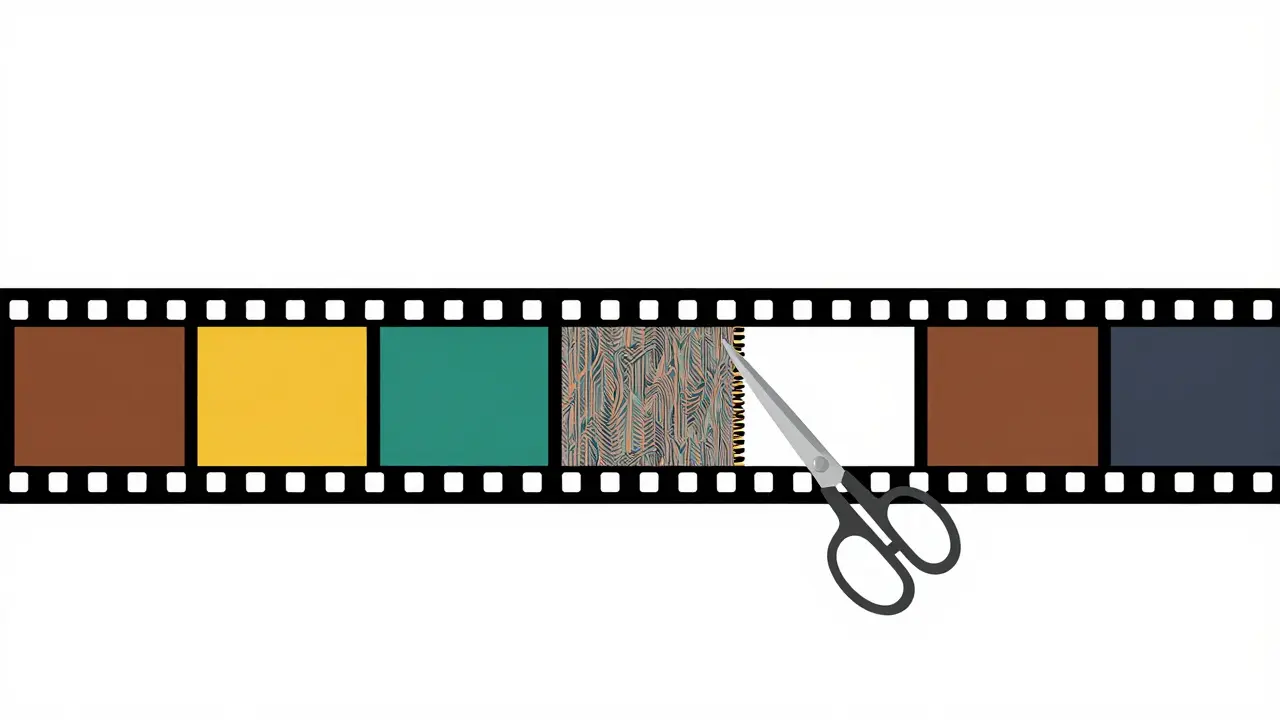
The final arbiter of any ad-lib is the editor. What looks funny on set might not fit the pace of the final cut. Editors sift through hours of footage, looking for the best takes. Sometimes, an improvised line saves a scene that was otherwise flat. Other times, it’s cut because it distracts from the main story.
Modern editing software makes it easier to splice together different takes. An editor might use the scripted beginning of a sentence, an improvised middle, and the scripted end. This hybrid approach gives the best of both worlds: structure and spontaneity.
Sound design also plays a role. If an actor ad-libs a line, the sound team needs to ensure the audio matches the lip movements. If there’s a mismatch, they may need to loop the line in post-production, which can lose the spontaneity. So, clear audio recording is crucial for keeping those happy accidents.
When Does Improvisation Fail?
It’s important to acknowledge when ad-libs hurt a project. Over-reliance on improvisation can lead to inconsistent tone. One scene feels gritty and real, the next feels like a sitcom. This jarring shift confuses the audience.
Also, if the improvisation undermines the character’s motivation, it’s bad acting. Just because you can say something funny doesn’t mean your character would say it. Context matters. An ad-lib must serve the story, not just the actor’s ego.
Finally, excessive improvisation can bloat runtime. Directors might keep too many tangential jokes, making the movie drag. Tight editing is required to trim the fat and keep the narrative moving forward.
Do all actors improvise on set?
No, not all actors improvise. Some prefer sticking strictly to the script for comfort and precision. Others lack training in improvisational techniques. It depends on the actor's style, the director's preference, and the genre of the film.
Can improvisation ruin a movie?
Yes, if it disrupts continuity, contradicts the plot, or creates tonal inconsistencies. Poorly executed ad-libs can confuse audiences and weaken the narrative structure. Good directors and editors mitigate this risk by selecting only the strongest improvised moments.
Which genres benefit most from improvisation?
Comedy and indie dramas benefit most. Comedy relies on timing and surprise, which improvisation enhances. Indie dramas often focus on realistic dialogue and character dynamics, where ad-libs add authenticity. Action and sci-fi films typically stick closer to scripts due to technical constraints.
How do directors encourage improvisation?
Directors create a safe environment where mistakes are accepted. They might ask actors to try a scene multiple times with different approaches. Rehearsals focused on character exploration rather than line memorization also foster improvisational freedom.
Is improvisation harder than scripted acting?
It can be. Improvisation requires quick thinking, deep character understanding, and trust in co-stars. While scripted acting focuses on delivery and precision, improvisation demands presence and adaptability. Both skills are valuable but distinct.