3
Denis Villeneuve Essay: Epic Scope and Intimate Detail
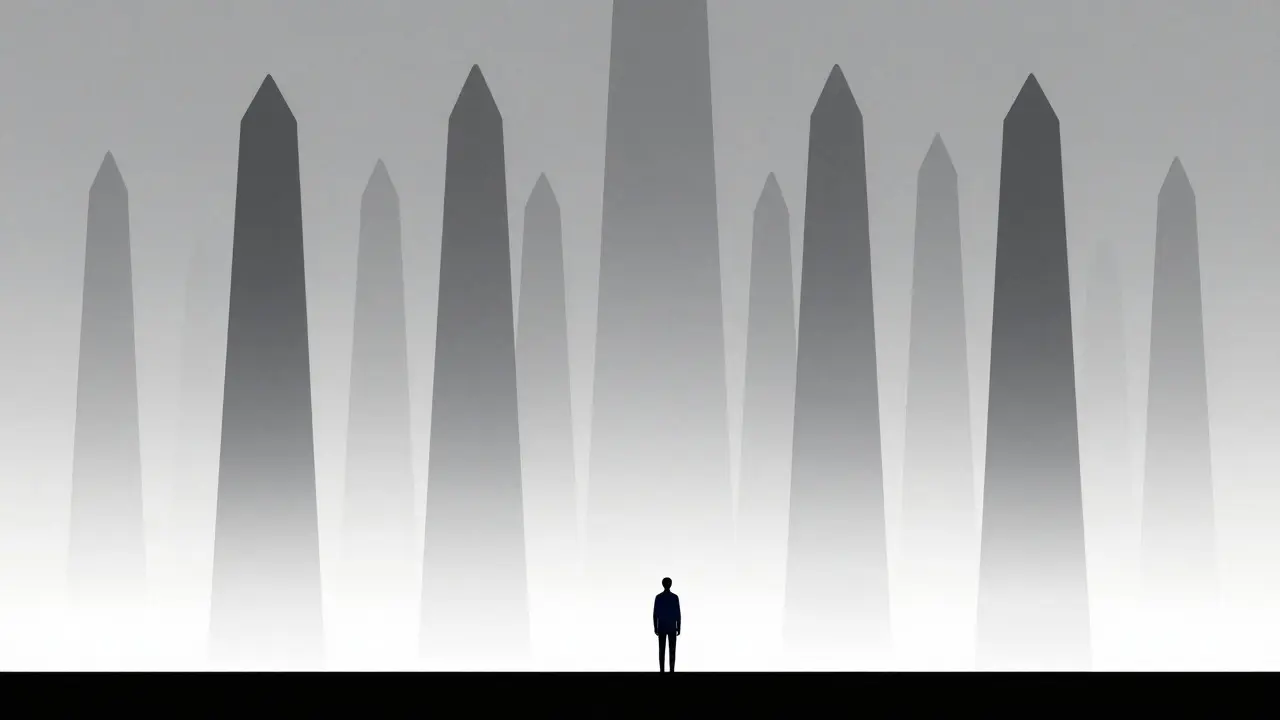
Most directors pick a lane. They either build massive worlds that feel cold and distant, or they drill down into character studies that ignore the setting entirely. Denis Villeneuve is a Canadian filmmaker known for his ability to merge monumental scale with raw human emotion in science fiction and thriller genres. He does neither. He forces them to collide.
If you watch Blade Runner 2049, Dune, or even his earlier work like Prisoners, you notice a pattern. The camera lingers on a face while a sandstorm destroys a city in the background. The dialogue is sparse, but the sound design screams. This isn’t an accident. It’s a calculated method of storytelling that has redefined how we experience big-budget cinema in the last decade. But how does he actually do it? And more importantly, why does it work when so many other blockbusters fail?
The Architecture of Silence
Villeneuve doesn’t trust words. In an industry where scripts are often bloated with exposition, he strips everything away until only the essential remains. This creates a vacuum that the audience rushes to fill with their own anxiety and curiosity.
Think about the opening scene of Arrival. There is no explanation of the aliens’ purpose. No news reports screaming about invasion. Just twelve giant structures sitting silently on Earth. The lack of information is the point. By withholding context, Villeneuve forces us to sit in the discomfort of the unknown. This technique relies heavily on cinematic pacing, a deliberate slowing down of narrative time to let visuals breathe.
This approach requires immense confidence. Most studio executives would panic if a two-hour film had long stretches without major plot progression. But Villeneuve understands that silence is louder than noise. When characters finally speak, every word carries weight because we haven’t heard much else. This principle applies not just to dialogue, but to action sequences too. In Sicario, the border crossing scene is tense not because of gunfire, but because of the mundane reality of bureaucracy mixed with impending doom.
- Minimalist Dialogue: Characters say less, meaning subtext becomes the primary driver of the story.
- Extended Takes: Long shots allow the viewer to process the environment and emotional state simultaneously.
- Ambient Soundscapes: Sound design replaces musical cues to establish mood rather than telling the audience how to feel.
Visualizing the Sublime
To achieve this balance, Villeneuve works closely with cinematographer Roger Deakins, one of the most respected visual artists in Hollywood. Their collaboration is central to understanding Villeneuve’s style. Deakins doesn’t just light scenes; he constructs atmospheres. In Blade Runner 2049, the use of neon against desolate landscapes creates a sense of isolation that feels physical. You can almost feel the dust in your lungs.
This is what critics call "the sublime"-beauty mixed with terror. Villeneuve’s sets are often vast, empty spaces. Think of the white desert in Dune or the foggy streets of Seattle in Prisoners. These environments aren’t just backdrops; they are antagonists. They dwarf the human characters, reminding us of our insignificance. This visual strategy connects directly to the themes of his films: humanity’s place in a universe that doesn’t care about us.
| Film | Primary Visual Motif | Cinematographer | Emotional Impact |
|---|---|---|---|
| Blade Runner 2049 | Neon-lit decay | Roger Deakins | Isolation and melancholy |
| Dune | Monumental minimalism | Greig Fraser | Awe and dread |
| Arrival | Misty ambiguity | Bradford Young | Confusion and wonder |
| Prisoners | Gritty realism | Roger Deakins | Anxiety and moral ambiguity |

Sound as Narrative Engine
You cannot talk about Villeneuve without talking about music. His collaborations with composers Jóhann Jóhannsson and Hans Zimmer have changed how sound functions in blockbuster movies. Traditional scores guide you emotionally-they tell you when to cry or when to run. Villeneuve’s scores often do the opposite. They disorient you.
In Dune, Zimmer used throat singing and reversed audio techniques to create sounds that felt alien yet organic. The result wasn’t just background music; it was a character itself. The low-frequency hums vibrate through your chest, mimicking the feeling of being small in a large space. This auditory experience reinforces the visual theme of scale. When you hear those deep drones, you instinctively feel the weight of the world pressing down on the protagonist.
This integration of sound and image is rare. Most directors treat sound as an afterthought, something to be mixed in post-production. For Villeneuve, sound is part of the script. He plans the sonic landscape alongside the visual one. This holistic approach ensures that every sensory input works together to immerse the viewer, creating a cohesive artistic statement rather than a disjointed collection of effects.
Humanity Amidst Chaos
Despite the epic scope, the heart of every Villeneuve film is intimate. He focuses on specific relationships-a father and daughter in Prisoners, a linguist and an alien in Arrival, a replicant and his creator in Blade Runner 2049. These personal stakes ground the spectacle. Without them, the films would just be expensive visual exercises.
He achieves this intimacy through close-ups. Even in the middle of a war sequence in Dune, the camera stays tight on Paul Atreides’ face. We see his fear, his confusion, and his reluctant acceptance of destiny. We don’t just watch him fight; we feel his internal struggle. This focus on micro-expressions allows audiences to connect emotionally with characters who might otherwise seem distant due to their extraordinary circumstances.
This duality is what makes his work enduring. It appeals to fans of high-concept sci-fi who love world-building, and it satisfies drama enthusiasts who crave complex character arcs. By refusing to choose between these two modes, Villeneuve has carved out a unique niche in modern cinema. He proves that you can make a movie that looks like a billion dollars but feels like a thousand-dollar indie drama.
The Director's Methodology
Villeneuve’s preparation is meticulous. He spends years developing projects, often revisiting source material multiple times. For Dune, he waited over a decade before taking on the adaptation, knowing he needed the right technology and team to do it justice. This patience contrasts sharply with the fast-paced nature of contemporary Hollywood, where speed often trumps quality.
His directing style on set is collaborative but firm. He encourages actors to explore their roles deeply, giving them space to find authenticity within rigid constraints. This balance allows for spontaneous moments of truth within highly controlled environments. The result is performances that feel natural despite the artificiality of green screens and CGI-heavy sets.
Furthermore, his attention to detail extends to production design. Every prop, costume, and set piece serves a narrative purpose. There is no decoration for decoration’s sake. If a chair exists in the frame, it must contribute to the story’s tone or character development. This discipline prevents the films from becoming cluttered, maintaining clarity even amidst complexity.
Legacy and Future Projects
As we look toward the future, Villeneuve’s influence is already evident. A new generation of filmmakers is adopting his methods, prioritizing atmosphere and silence over constant action. His success has also legitimized slow-burn sci-fi as a commercially viable genre, paving the way for more ambitious adaptations of literary classics.
With upcoming projects rumored to include further explorations of philosophical themes and historical dramas, Villeneuve shows no signs of slowing down. His commitment to artistic integrity suggests that his next films will continue to push boundaries, challenging both audiences and industry standards. Whether he sticks to sci-fi or branches out, one thing is certain: his impact on cinematic language will be felt for decades.
What makes Denis Villeneuve's style unique compared to other directors?
Villeneuve stands out by combining massive visual scale with intense emotional intimacy. Unlike directors who prioritize either spectacle or character, he merges them. He uses silence, minimalist dialogue, and immersive sound design to create tension, allowing the audience to engage deeply with both the world and the characters' internal struggles.
Why does Denis Villeneuve use so little dialogue in his films?
He believes that excessive exposition kills mystery and tension. By reducing dialogue, he forces viewers to pay attention to visual cues, body language, and sound design. This approach makes every spoken word more impactful and encourages the audience to actively interpret the story rather than passively receiving information.
How important is the cinematographer in Villeneuve's films?
Extremely important. Collaborations with Roger Deakins and Greig Fraser are central to his aesthetic. The cinematographers help translate his vision of "sublime" imagery-vast, awe-inspiring landscapes that emphasize human insignificance. Their lighting and composition choices define the mood and texture of each film.
Which composer has worked with Denis Villeneuve the most?
While Jóhann Jóhannsson scored several early hits like Sicario and Arrival, Hans Zimmer took over for the massive Dune franchise. Both composers share a similar philosophy: using unconventional sounds and textures to enhance the narrative rather than just providing traditional melodic support.
Is Denis Villeneuve considered a auteur?
Yes. Critics widely regard him as an auteur because his distinct stylistic fingerprints-silence, scale, and moral ambiguity-are present across all his major works, regardless of genre or budget. He maintains creative control over key aspects like casting, editing, and visual design, ensuring a consistent artistic voice.