17
Rating Inflation: Are Movie Scores Getting Softer Over Time?

Have you noticed that almost every movie seems to get a 7/10 or higher these days? It’s a common frustration for cinephiles who remember when a mediocre film would honestly sit at a 5. This phenomenon, known as rating inflation, suggests that the average score for films has drifted upward over the last two decades, not necessarily because movies are better, but because our standards for judging them have shifted.
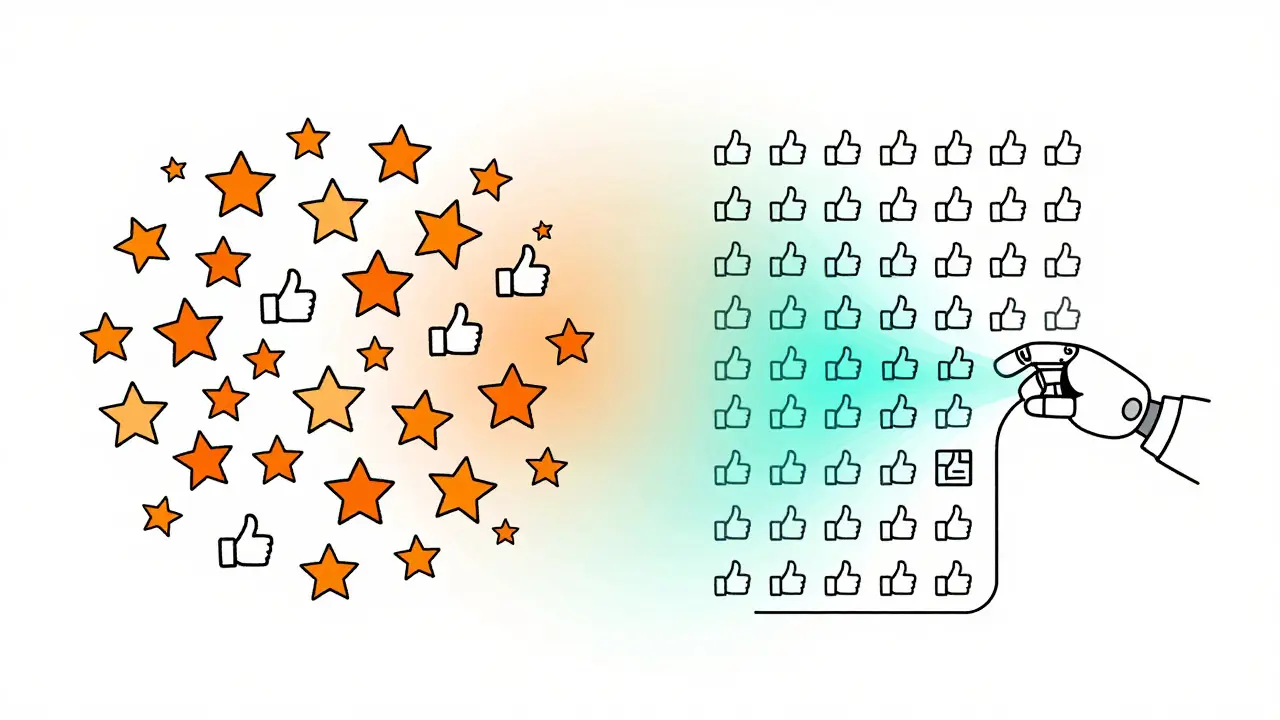
To understand if this is real or just nostalgia talking, we need to look at how people actually rate content today versus twenty years ago. The data points from major platforms like IMDb and Rotten Tomatoes show a clear trend: the median user score has crept up significantly since the early 2000s. But why does this happen? Is it because streaming services make it easier to give quick thumbs-up ratings, or are we simply more forgiving of imperfect storytelling?
The Data Behind the Rising Scores
When we analyze historical data from IMDb is a popular online database for films, television shows, and video games. It was founded in 1990 and serves as a primary source for user-generated reviews and ratings., we see a distinct pattern. In the late 1990s, the average rating for top-grossing films hovered around 6.8 to 7.0 out of 10. By the mid-2010s, that average had climbed past 7.4. Today, many critics argue that a 7.5 on IMDb is the new baseline for "good," whereas in 2005, it signaled excellence.
This isn't just about big blockbusters. Even indie films and mid-budget dramas show this upward drift. The reason lies in the nature of the sample size. In the early days of online rating, only dedicated enthusiasts bothered to log in and leave a number. These users tended to be harsher, more analytical, and quicker to deduct points for technical flaws. Now, with millions of casual viewers participating, the pool includes far more fans who are emotionally invested in the story rather than the craft.
Why We Rate Higher: The Psychology of Forgiveness
Human psychology plays a huge role in how we assign numbers. One key factor is the halo effect. If a movie features a star actor we love, or if it’s part of a franchise we’re excited about, we subconsciously inflate its score before we’ve even finished watching. A recent study on consumer behavior found that familiarity with a brand or creator increases perceived quality by nearly 15% in blind tests. Apply that to Hollywood franchises, and you have a recipe for inflated scores.
There’s also the issue of comparison. When you watch a movie in a theater, surrounded by other people, the experience feels more communal and immersive. You’re less likely to nitpick the pacing or dialogue because you’re swept up in the moment. At home, especially on a phone screen, the distraction level is higher, which can paradoxically lead to higher ratings if the movie provides simple entertainment value without demanding deep engagement.
The Role of Streaming Platforms
Streaming services have changed the game entirely. On platforms like Netflix or Amazon Prime, the feedback loop is immediate and low-effort. You finish an episode, and a prompt appears asking for your opinion. There’s no time to reflect deeply. Most users click the highest option because they enjoyed the moment. This creates a dataset skewed toward positive sentiment.
Compare this to traditional cinema, where you might wait weeks before writing a review. That delay allows for cooling off. You realize the plot hole you ignored during the third act. You notice the weak character development. By the time you write the review, your score is often lower than what you felt in the theater. Streaming removes that cooling-off period, leading to raw, unfiltered enthusiasm that rarely gets tempered by critical thought.
Critical Consensus vs. Audience Score
If you’re wondering whether professional critics agree with this inflation, the answer is mixed. Sites like Rotten Tomatoes is a film and television review aggregator website that uses a tomato meter to indicate approval ratings. It distinguishes between critic scores and audience scores. track both metrics separately. Historically, the gap between critic scores and audience scores has widened. Critics tend to maintain stricter standards, focusing on originality, direction, and script integrity. Audiences, however, prioritize emotional payoff and spectacle.
This divergence highlights a fundamental shift in what viewers value. Modern audiences are less concerned with artistic purity and more focused on escapism. A movie doesn’t need to be groundbreaking; it just needs to be enjoyable. As long as the hero wins and the villain loses, the score goes up. This pragmatic approach to viewing drives up average scores across the board.
| Platform | Average Trend (2000-2026) | Primary User Base | Impact on Inflation |
|---|---|---|---|
| IMDb | Upward drift (~0.5 points increase) | Mixed (Enthusiasts & Casuals) | High due to large casual user base |
| Rotten Tomatoes (Audience) | Stable to Slight Increase | Broad General Public | Moderate, balanced by critic data |
| Letterboxd | Downward or Stable | Cinephiles & Film Students | Low, users are critically rigorous |
| Streaming Apps (Netflix etc.) | Significantly Upward | Casual Streamers | Very High due to low-effort rating |
Is It Really Inflation, or Just Better Movies?
Before blaming the audience, let’s consider the alternative: maybe movies actually are better now. Visual effects have improved dramatically. Sound design is immersive. Storytelling techniques have evolved to keep pace with shorter attention spans. A modern action sequence is undeniably more thrilling than one from the VHS era.
However, when we control for genre, the inflation persists. Compare the average rating of war films from the 1990s to those released in the 2020s. The technological gap is obvious, but the emotional resonance hasn’t necessarily increased. Yet, the scores are higher. This suggests that while production values have improved, the scoring mechanism itself has become more lenient. We are rewarding polish more than substance.
How to Navigate Inflated Ratings
If you’re tired of picking bad movies based on high scores, here are a few practical tips to cut through the noise:
- Look at the distribution, not the average. Check how many 1-star and 10-star ratings exist. A movie with a 7.5 average but a huge cluster of 1-stars might be polarizing, not good.
- Read recent reviews. Old reviews from 2010 carry different weight than those from last month. Recent comments reflect current cultural context and viewer expectations.
- Check Letterboxd or Metacritic. These platforms attract more analytically inclined users. Their scores are often lower but more indicative of critical quality.
- Ignore the first 24 hours. Early ratings are often driven by fan hype. Wait a week for the dust to settle and see if the score holds steady or drops.
The Future of Movie Scoring
As artificial intelligence begins to curate recommendations, the importance of human ratings may shift. Algorithms don’t care about your personal bias; they look at patterns. If 80% of people who liked Movie A also liked Movie B, the algorithm connects them, regardless of the absolute score. This could eventually neutralize rating inflation, as the system relies on relative preference rather than absolute judgment.
Until then, we’re stuck with a system where kindness is rewarded and criticism is rare. The next time you see a 9/10 movie that feels flat, remember: you’re not wrong. The scale has just moved. What used to be excellent is now merely acceptable, and the numbers reflect that softer standard.
What causes rating inflation in movies?
Rating inflation is primarily caused by a larger, more casual audience participating in scoring, the halo effect of famous actors or franchises, and the low-effort nature of streaming platform ratings. These factors lead to higher average scores without a corresponding increase in objective quality.
Are movies actually getting better over time?
Technically, yes, due to advances in visual effects and sound design. However, when controlling for genre and adjusting for the change in audience demographics, the perceived quality improvement is less significant than the rise in numerical scores suggests.
Which platform has the most accurate movie ratings?
For critical accuracy, platforms like Letterboxd or Metacritic are often considered more reliable because their user bases tend to be more analytically rigorous. For general popularity, IMDb remains the gold standard, though its scores are subject to higher inflation.
Does the length of a movie affect its rating?
Yes, longer movies often face a slight penalty in user ratings because sustaining engagement for over two hours is difficult. However, this effect is smaller compared to the impact of genre and star power on final scores.
How can I avoid being misled by high movie scores?
Cross-reference scores from multiple platforms, read recent reviews to gauge current sentiment, and look at the distribution of ratings rather than just the average. Paying attention to critic consensus can also provide a more balanced view of a film's quality.