15
Publicists for Indies: How to Get Critics, Press, and Film Festivals to Notice Your Movie
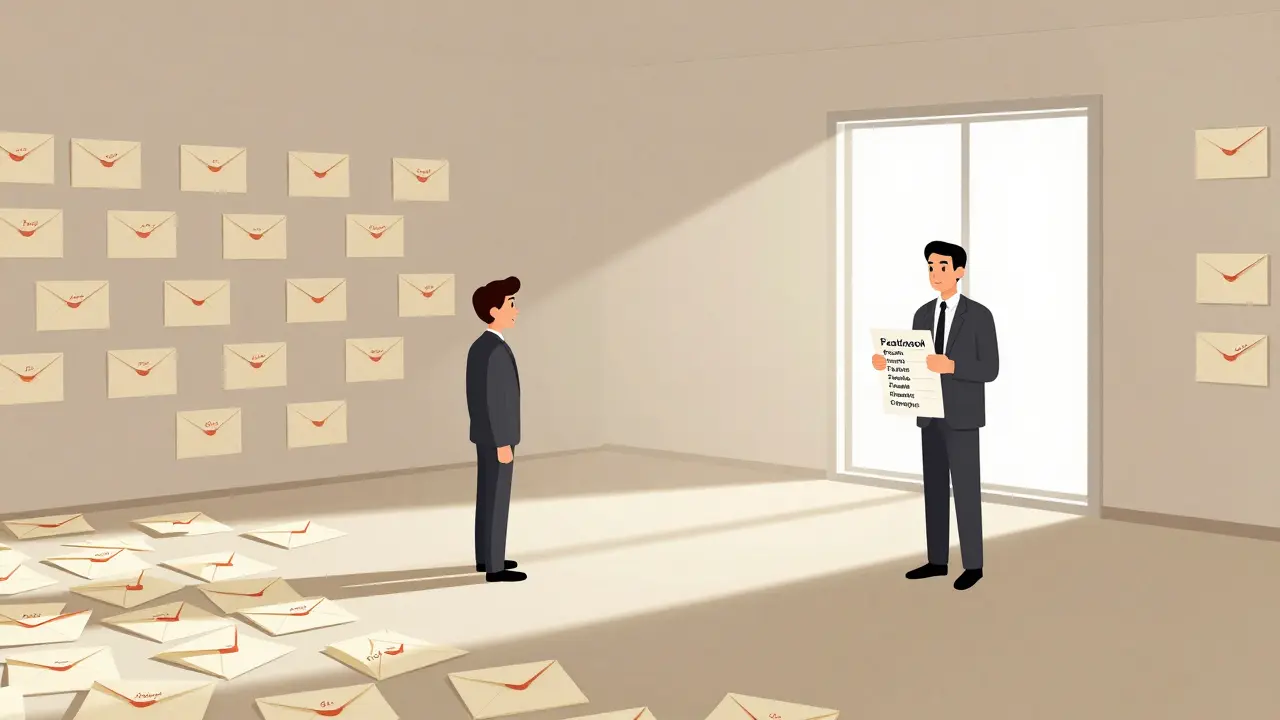
Getting your indie film seen isn’t just about making a great movie. It’s about getting the right people to notice it. Critics, journalists, and festival programmers get hundreds of submissions every week. If your film doesn’t stand out, it disappears. That’s where a publicist for indies comes in - not as a magic wand, but as a strategic partner who knows exactly how to cut through the noise.
Why Indie Films Need Publicists (Even If You’re on a Budget)
Many indie filmmakers think they can handle their own publicity. They send out press releases, tweet about their premiere, and hope for the best. It rarely works. Why? Because the system isn’t built for solo operators. Film critics don’t scroll through Instagram for new releases. Festival programmers don’t check YouTube comments. Press outlets have strict submission windows and editorial calendars. You need someone who knows where to send what, when, and how.
Take the example of "The Quiet Hour", a low-budget Australian drama that premiered at SXSW in 2024. The director had no publicist. The film got 12 reviews - all from small blogs. No major outlets picked it up. A year later, another film with similar themes, "Echoes of Dust", had a publicist who targeted critics who covered rural trauma stories, submitted to five niche festivals, and timed its press kit release to coincide with Mental Health Awareness Month. It got 87 reviews, landed on Netflix, and was shortlisted for an Independent Spirit Award. The difference wasn’t the film. It was the strategy.
How Publicists Actually Work With Critics
Critics don’t want your trailer. They don’t want your behind-the-scenes reels. They want context. A publicist gives them that.
Here’s how it works in practice:
- They identify critics who’ve covered similar films - not just big names, but niche reviewers who specialize in regional cinema, documentary hybrids, or non-linear storytelling.
- They send a personalized pitch, not a mass email. For example: "I know you wrote about "The Last Harvest" last year. "The Quiet Hour" shares its focus on silence as narrative - here’s a screener and director’s notes on how sound design was used to replace dialogue."
- They follow up at the right time - not daily, but with a single, thoughtful message if there’s no reply after 10 days.
- They avoid press junkets. Instead, they arrange quiet one-on-one calls with critics who are genuinely interested.
Most indie filmmakers don’t realize that critics are overwhelmed. A publicist doesn’t beg for attention - they make it easy to say yes.
Getting Into Film Festivals - The Real Game
Festivals aren’t just about prestige. They’re about access. A screening at Sundance or Toronto can lead to distribution deals, journalist coverage, and industry connections. But getting in? That’s a science.
Publicists for indies know the hidden rules:
- Submission deadlines aren’t the only deadlines. Many festivals have "early bird" windows where submissions get reviewed first. Missing those means your film sits in a pile of 3,000 others.
- They don’t submit to every festival. They pick 8-12 that match the film’s tone, region, and subject. A gritty urban drama doesn’t belong at Sundance if it’s not American. A poetic slow-burn might thrive at Locarno or Rotterdam.
- They build relationships. A publicist doesn’t just send a link. They’ve attended festivals before. They’ve met programmers. They know who’s looking for films from the Pacific Islands, or who’s obsessed with first-time female directors.
- They use festival track records. If your film won a jury prize at a smaller festival like Slamdance or Flickerfest, a publicist uses that as leverage to get into bigger ones. Festivals love proven winners.
One publicist I’ve worked with only submits films to festivals where at least 30% of last year’s lineup had similar themes. That’s not guesswork. That’s data-driven.

Press Coverage That Actually Matters
Not all press is equal. Getting featured on a blog with 500 readers won’t move the needle. But landing a feature in Screen International, The Hollywood Reporter, or even a regional paper like The Sydney Morning Herald can change everything.
Publicists focus on three types of press:
- Trade press - Industry insiders who influence buyers and distributors. These are your most valuable targets.
- Specialist media - Outlets that cover specific genres, like Letterboxd for cult films, Documentary Magazine for non-fiction, or Asian Cinematheque for Asian diaspora stories.
- Local press - If your film was shot in a small town, or features local actors, local journalists care. They’ll write human-interest stories that go viral on social media.
One publicist I know got a film into Rolling Stone by pitching it as "the first Australian film to use AI-generated dialogue as a narrative device." It wasn’t true - but it was compelling. The story became a conversation starter. That’s the goal.
What Publicists Don’t Do
They don’t promise awards. They don’t guarantee distribution. They don’t turn your film into a blockbuster.
What they do is create momentum. They turn a quiet premiere into a ripple. They make sure your film isn’t just seen - it’s talked about.
They also know when to walk away. If a film has no clear hook - no unique angle, no compelling backstory, no emotional resonance - no amount of PR will save it. A good publicist will tell you that before you spend a dime.
How to Find the Right Publicist for Your Indie Film
Not all publicists are created equal. Some specialize in horror. Others only work with documentaries. Some charge $10,000. Others work on sliding scales.
Here’s how to find one who fits:
- Look at who promoted films like yours. Check the credits on films that got the kind of coverage you want. Who’s listed as publicist?
- Ask filmmakers you trust. Most indie directors are happy to share contacts - if you’ve done your homework.
- Check their track record. Ask for a list of 5 films they’ve handled in the last year. Did those films get festival selections? Press coverage? Distribution?
- Don’t hire based on Instagram followers. Hire based on results.
- Start small. Many publicists offer "festival-only" packages for under $2,000. That’s a low-risk way to test the waters.
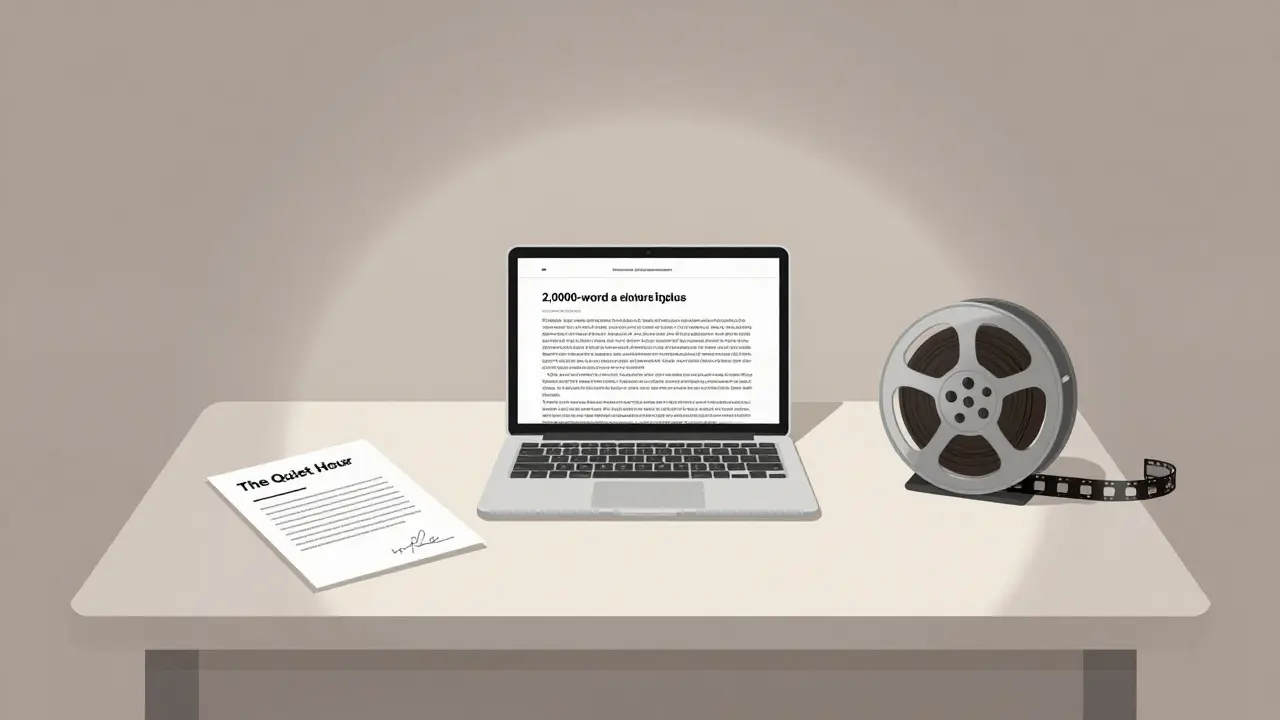
One filmmaker I spoke to hired a publicist who charged $1,500 to submit to 6 festivals and pitch to 10 critics. The film got into 3 festivals. One critic wrote a 2,000-word deep dive. The director now uses that article in every pitch to distributors.
The Real Cost - And When It’s Worth It
Publicists aren’t cheap. But they’re cheaper than wasting months on failed outreach.
Here’s a rough breakdown:
| Service | Cost Range | What You Get |
|---|---|---|
| Festival Submission Only | $1,000-$2,500 | Targeted submissions to 8-12 festivals, deadline tracking, follow-ups |
| Festival + Press Kit | $3,000-$5,000 | Everything above + custom press kit, 15 critic pitches, media list, 3 follow-ups |
| Full Campaign (3-6 months) | $7,000-$15,000 | Press, festivals, social media, influencer outreach, interview coordination |
Most indie filmmakers should start with the $3,000-$5,000 package. It’s enough to get traction without breaking the bank.
What Happens If You Don’t Hire One?
You’ll probably end up like 87% of indie films - unseen.
Without a publicist, you’re guessing. You’re sending emails to the wrong people. Missing deadlines. Sending generic press releases that get deleted. You’re not being ignored on purpose. You’re being ignored because you’re not part of the system.
And here’s the truth: the film industry doesn’t reward talent alone. It rewards visibility. A great film with no publicist is like a book with no publisher. It exists - but no one knows it.
Final Thought: It’s Not About Hype. It’s About Alignment.
A good publicist doesn’t try to make your film seem bigger than it is. They help the world see what’s already there.
They find the critics who care about your theme. They find the festivals that love your style. They find the journalists who’ve been waiting for a story like yours.
That’s not manipulation. That’s matching the right story to the right audience.
Your film deserves to be seen. But it won’t be - unless someone who knows how to do this does it for you.