6
Queer Film Theory: Decoding Visibility, Subtext, and Camp
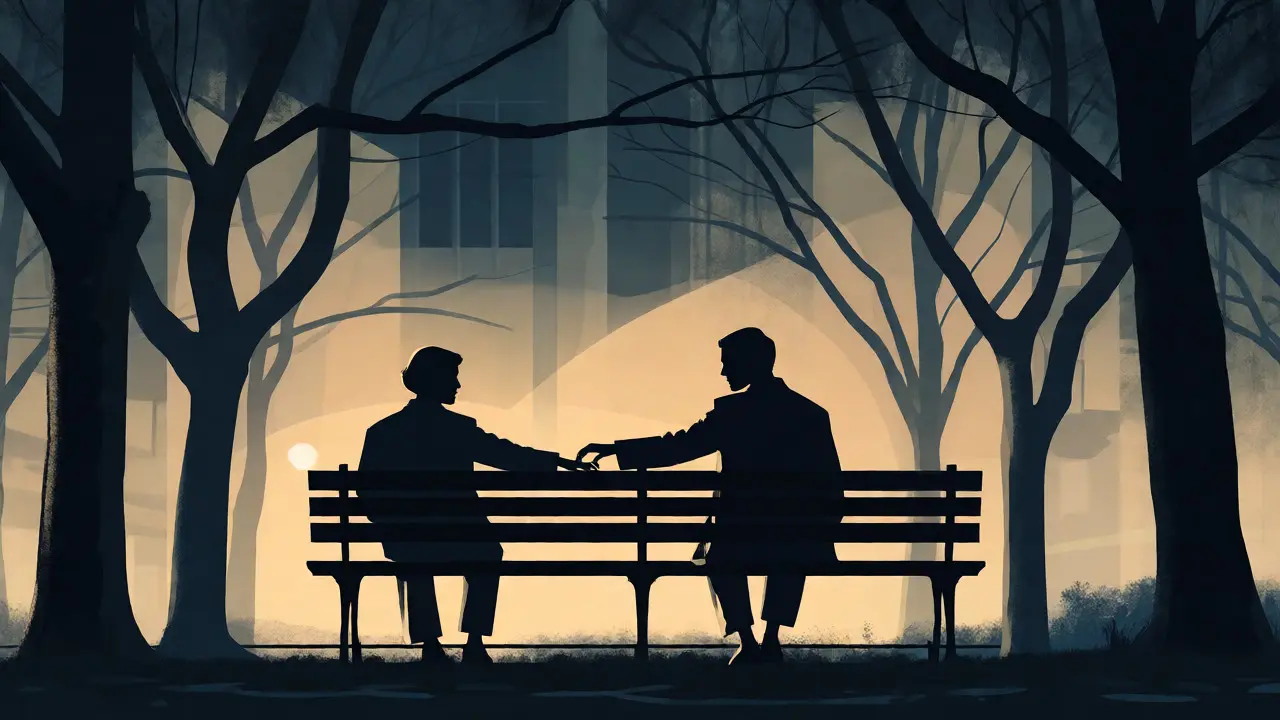
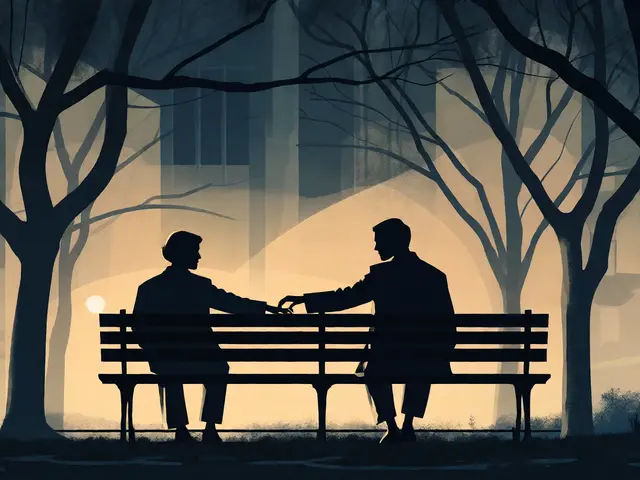
You watch a movie. Two men share a look that lasts three seconds too long. A woman adjusts her lipstick while staring into a mirror that reflects nothing but the audience. On the surface, it’s just drama or comedy. But if you know Queer Film Theory, you see the code. You see the survival strategy. For decades, LGBTQ+ characters couldn’t exist openly on screen due to censorship laws like the Hays Code. So filmmakers hid their stories in plain sight. They used lighting, framing, dialogue pauses, and style to signal identity without saying a word.
This isn’t just academic trivia. Understanding these codes changes how you consume media. It turns passive watching into active decoding. You start noticing who gets to be happy, who gets punished for their desires, and who is allowed to be messy and loud. This guide breaks down the three pillars of modern queer cinema analysis: Visibility, Subtext, and Camp Aesthetics. We’ll look at why they emerged, how they work, and where they fit in today’s landscape.
The New Queer Cinema and the Shift from Subtext to Text
To understand where we are, you have to look back. Before the 1990s, queer presence was almost exclusively defined by absence or tragedy. If a character was gay, they were either dead by the end of the film or living a life of quiet desperation. This was the era of heavy subtext. Directors like Alfred Hitchcock in Strangers on a Train (1951) or William Wyler in The Children’s Hour (1961) had to imply desire because explicit depiction would result in bans or cuts.
Then came the early 1990s. A wave of independent films exploded onto the scene, later dubbed New Queer Cinema. Films like Gregg Araki’s The Living End (1992) and Tom Kalin’s Swoon (1992) rejected the need for apology. These directors didn’t want to ask for acceptance; they wanted to assert existence. The shift was seismic. Characters stopped whispering their secrets and started shouting them. This movement prioritized authenticity over palatability, often sacrificing mainstream appeal for raw, unfiltered truth.
Why does this matter now? Because current debates about representation often miss this historical context. When people complain that modern queer characters are "too loud," they’re often reacting against the legacy of silence. The transition from subtext to text wasn’t just a stylistic choice; it was a political demand for space.
Decoding Subtext: How Silence Speaks Volumes
Subtext in queer cinema refers to the underlying meaning conveyed through non-verbal cues, symbolism, and narrative gaps rather than explicit dialogue. It’s the art of saying one thing while meaning another. In an environment where explicit queer content was censored, subtext became a language of its own.
How do you spot it? Look for the "almost" moments. The hand that touches a shoulder but doesn’t quite hold it. The conversation about a male friend that carries the weight of a romantic confession. Consider Brokeback Mountain (2005). While it marked a turning point toward visibility, much of its power lies in what is left unsaid. The tension between Ennis and Jack is built on years of suppressed communication. The famous line, "I wish I knew how to quit you," works because it replaces a direct declaration of love with an expression of frustration, mirroring the societal pressure to hide feelings.
Subtext also operates through spatial dynamics. Who shares a room? Who sits next to whom at dinner? In older films, placing two women in close proximity without a male chaperone could signal intimacy. Today, subtext persists not because of censorship, but as an aesthetic tool. It allows filmmakers to explore ambiguity, letting the audience project their own interpretations onto the relationship. It respects the viewer’s intelligence, refusing to spoon-feed emotional beats.
Camp Aesthetics: The Power of Exaggeration
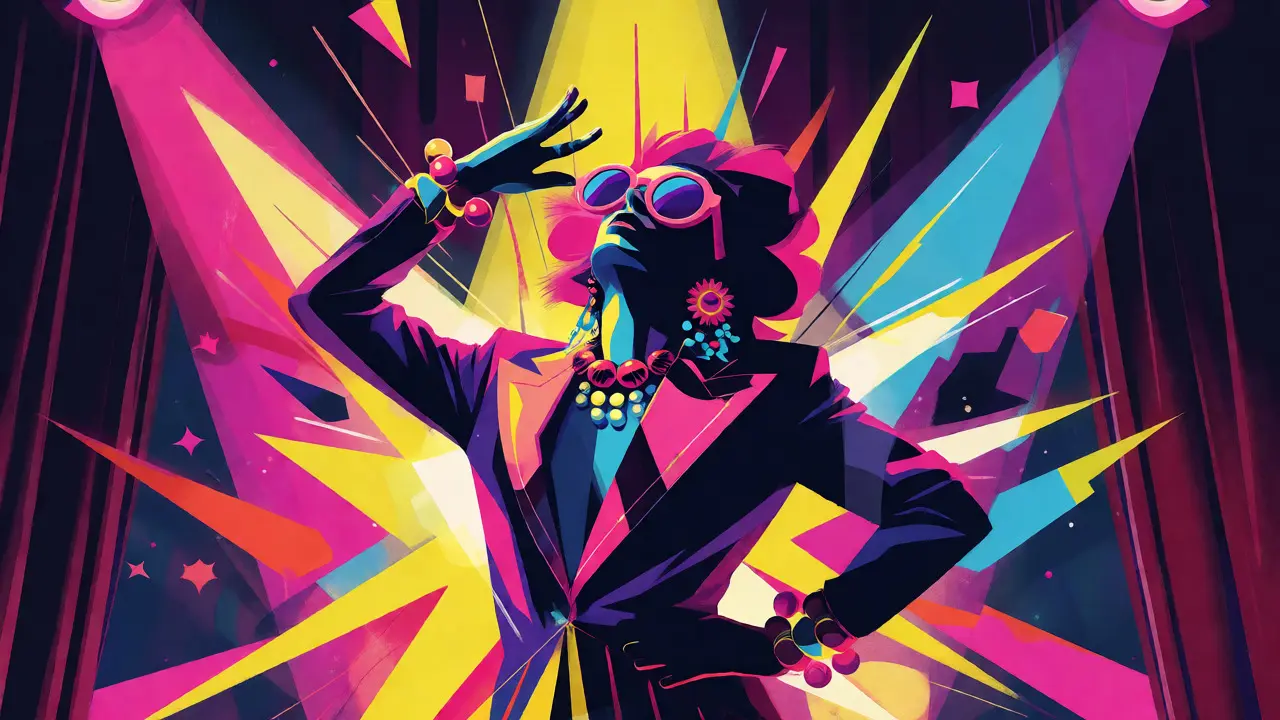
If subtext is about hiding, Camp is about showing off. Defined famously by Susan Sontag in her 1964 essay Notes on 'Camp', it is a sensibility that revels in the artificial, the exaggerated, and the theatrical. Camp is not just bad taste; it is a specific way of seeing the world where style becomes content.
In queer film, camp serves multiple functions. First, it creates a safe haven for irony. By exaggerating gender roles or social norms, camp exposes their constructed nature. Think of John Waters’ Pink Flamingos (1972). The film is grotesque, excessive, and deliberately ugly, yet it celebrates outcasts with genuine affection. The excessiveness is the point. It mocks the seriousness of heteronormative standards by pushing them to absurd limits.
Second, camp builds community. Recognizing camp requires cultural literacy. When a character delivers a line with dramatic flair, referencing old Hollywood divas or pop culture icons, it signals membership in a specific group. It’s an inside joke shared between the filmmaker and the audience. Recent examples include Priscilla, Queen of the Desert (1994) or the television series RuPaul’s Drag Race, which has heavily influenced cinematic aesthetics. These works use bright colors, flamboyant costumes, and hyperbolic dialogue to reclaim spaces that traditionally marginalized queer bodies.
| Feature | Subtext Era (Pre-1990s) | New Queer Cinema (1990s) | Camp Aesthetics (Ongoing) |
|---|---|---|---|
| Primary Goal | Avoid censorship while signaling identity | Assert presence and challenge norms | Celebrate artificiality and irony |
| Narrative Style | Tragic, subdued, ambiguous | Raw, urgent, experimental | Theatrical, exaggerated, playful |
| Visual Tone | Realistic, shadowy, muted | Gritty, handheld, lo-fi | Vibrant, stylized, high-saturation |
| Audience Role | Decode hidden meanings | Witness authentic experience | Participate in ironic enjoyment |
Visibility Politics: Who Gets Seen?
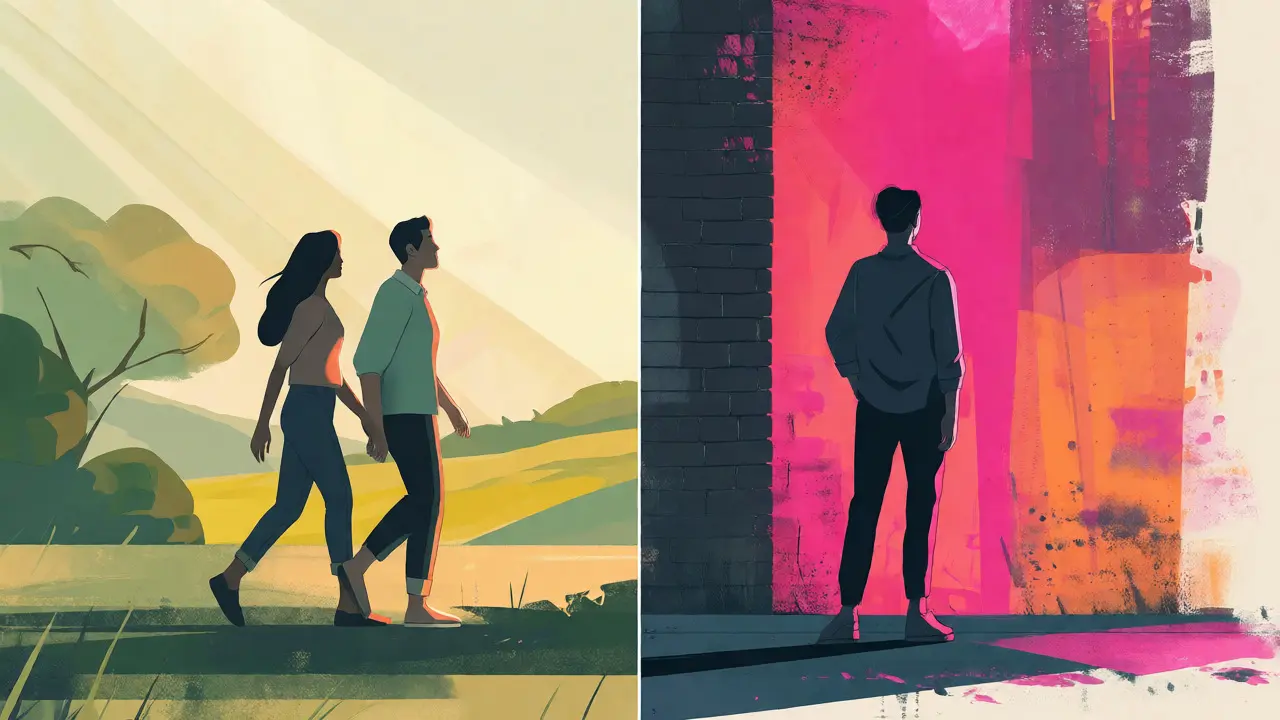
Visibility sounds positive. Of course, everyone wants to be seen. But Queer visibility politics examines the conditions under which LGBTQ+ identities are made visible and the consequences of that exposure. Not all visibility is equal. Mainstream cinema often favors "palatable" queerness-white, cisgender, middle-class, and monogamous. This type of visibility reinforces existing power structures rather than challenging them.
Consider the difference between a film like Call Me by Your Name (2017) and Tangerine (2015). Both feature queer protagonists, but they occupy different visual and economic spaces. Call Me by Your Name offers a lush, idyllic view of queer love, accessible to broad audiences. Tangerine, shot on iPhones, focuses on transgender sex workers in Los Angeles. Its visibility is gritty, immediate, and less polished. Neither is better, but they serve different political purposes. One normalizes; the other disrupts.
There’s also the risk of tokenism. Studios might include a queer character to check a diversity box, but fail to give them agency or depth. This is "visibility without substance." True representation requires complex narratives where queer characters drive the plot, make mistakes, and evolve. It means moving beyond the "coming out" story, which, while important, shouldn’t be the only narrative available.
Intersectionality and the Future of Queer Film
We can’t talk about queer film theory without addressing race, gender identity, and class. Early queer cinema was predominantly white and male-centric. Today, filmmakers like Moonlight’s Barry Jenkins or Portrait of a Lady on Fire‘s Céline Sciamma expand the lens. They integrate intersectional perspectives, showing how queerness interacts with other identities.
For instance, Pariah (2011) explores the experience of a Black lesbian teenager navigating family expectations and self-discovery. The film uses intimate close-ups and natural lighting to create a sense of interiority. It doesn’t rely on camp or heavy subtext; it relies on empathy. This represents a maturation of the form. Filmmakers are no longer fighting just for recognition; they are fighting for nuance.
Streaming platforms have accelerated this shift. Algorithms allow niche audiences to find specific types of queer content. This decentralization challenges the gatekeeping of traditional studios. However, it also creates echo chambers. The challenge for future queer cinema is to maintain artistic integrity while reaching wider audiences without diluting the message.
Key Takeaways for Viewers and Critics
- Look for the gaps: What isn’t said often matters more than what is. Analyze pauses, glances, and physical distance.
- Contextualize camp: Don’t dismiss flamboyance as mere spectacle. Ask what norms it is mocking or celebrating.
- Question visibility: Who is being shown, and who is still missing? Is the representation complex or stereotypical?
- Embrace ambiguity: Not every relationship needs a label. Allow films to sit in uncertainty.
Queer film theory isn’t a rigid set of rules. It’s a toolkit for deeper engagement. Whether you’re analyzing a classic noir or a TikTok short, understanding these frameworks helps you appreciate the craft behind the storytelling. It reminds us that cinema is never neutral. Every frame is a choice, and every choice carries weight.
What is the difference between subtext and text in queer film?
Subtext implies queer identity through hints, symbols, and behavior without explicit confirmation, often due to historical censorship. Text explicitly states or depicts queer relationships and identities. Modern cinema often blends both, using subtext for emotional complexity and text for clarity.
Is camp always considered good taste?
No, camp often embraces "bad taste" or kitsch intentionally. It values style over substance and irony over sincerity. While some critics dismiss it as frivolous, queer theorists argue it is a sophisticated critique of social norms through exaggeration.
Does increased visibility mean better representation?
Not necessarily. Visibility can lead to tokenism or stereotyping. Better representation involves diverse, complex characters with agency, avoiding the reduction of queer individuals to single-issue narratives or tragic tropes.
What role did the Hays Code play in queer cinema?
The Hays Code (1934-1968) prohibited the depiction of "sexual perversion," including homosexuality. This forced filmmakers to use subtext, making queer characters invisible or coded, influencing the development of subtle cinematic languages.
Can straight audiences enjoy camp films?
Yes, though the interpretation may differ. Straight audiences might enjoy the spectacle and humor, while queer audiences often recognize the specific cultural references and the subversive commentary on gender norms embedded within the camp aesthetic.