10
Sports Blackouts Explained: Why Games Are Blocked and How to Cope
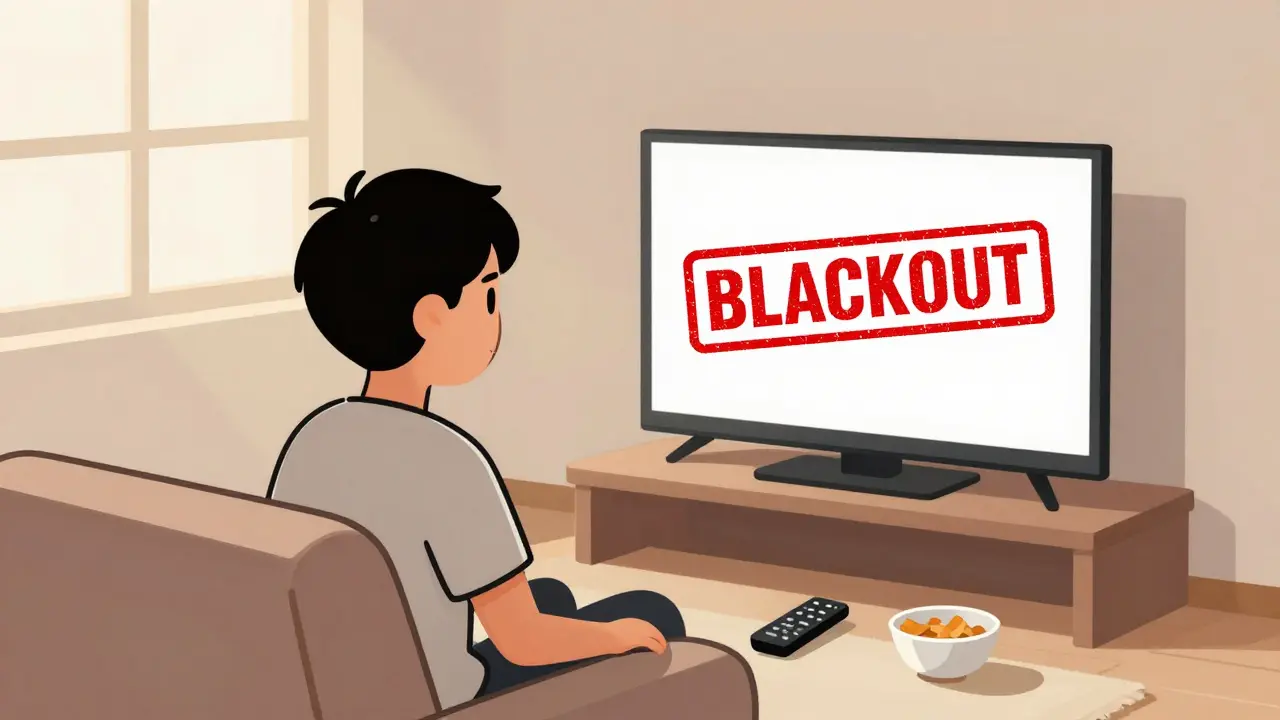
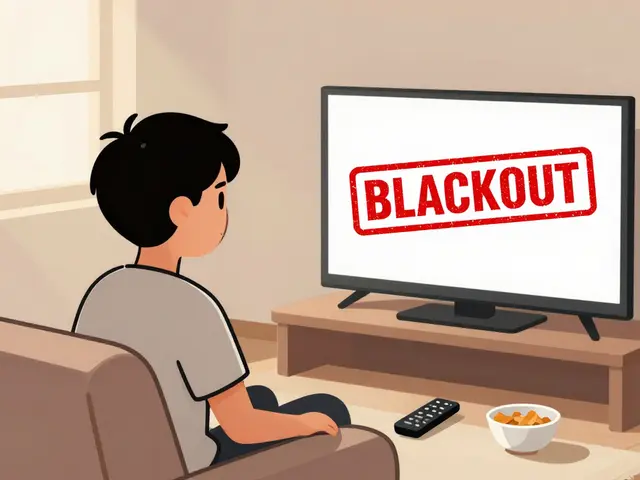
If you’ve ever been ready to watch your favorite team play, clicked on your streaming app, and seen a message saying sports blackouts are in effect, you know how frustrating it can be. You paid for the service. You set aside the time. You even cleared your schedule. And now? Nothing. Just a blank screen with a message that feels like a punch in the gut. This isn’t a glitch. It’s not a server issue. It’s a legal and business rule built into how sports rights are sold - and it’s more common than you think.
What Exactly Is a Sports Blackout?
A sports blackout is when a live game is blocked from being streamed or broadcast in a specific geographic area. It doesn’t mean the game isn’t happening. It means you, in your home, can’t watch it on your usual streaming platform, cable channel, or app - even if you’re paying for it. These restrictions apply to NFL, NBA, MLB, NHL, and even college games. They’re not random. They’re enforced by contracts between leagues, TV networks, and local broadcasters.
The idea behind blackouts dates back to the 1950s. Back then, TV networks worried that if fans could watch games from home, fewer people would show up to the stadium. So they made rules: if a game didn’t sell out all tickets 72 hours before kickoff, the broadcast would be blocked in the local market. The goal? Drive ticket sales. That rule mostly died out by 2015, but the blackout system didn’t. It just evolved.
Today, blackouts are less about empty seats and more about protecting local TV deals. If your local CBS affiliate has the rights to broadcast Sunday afternoon NFL games, then national streaming services like NFL+ or YouTube TV can’t show that same game in your area. The league is protecting the local broadcaster’s exclusive territory. It’s not about you. It’s about money.
Why Do Blackouts Still Exist in 2026?
Even with streaming dominating how we watch sports, the blackout system is alive and well. Why? Because TV networks still pay billions for exclusive rights. The NFL, for example, sold $110 billion in broadcast rights over 11 years - and those deals come with strict geographic rules. If you live in Chicago and your local NBC station has the rights to air Bears games, then any national streaming service that tries to show the same game in your ZIP code violates that contract.
It’s not just the NFL. MLB blackouts are still common. If you subscribe to MLB.TV, you’ll find your local team’s games blocked during the regular season. Same with NBA League Pass and NHL.TV. The pattern is the same: local broadcasters paid big money for exclusivity. Streaming services have to respect that - or risk losing access to the games entirely.
Some fans think this is outdated. And they’re right. In 2026, most people don’t own a TV antenna. They stream everything. But the legal contracts haven’t caught up. Leagues are stuck between two worlds: the old TV model and the new streaming reality. Until those contracts expire and are rewritten, blackouts will stay.
Where Do Blackouts Happen the Most?
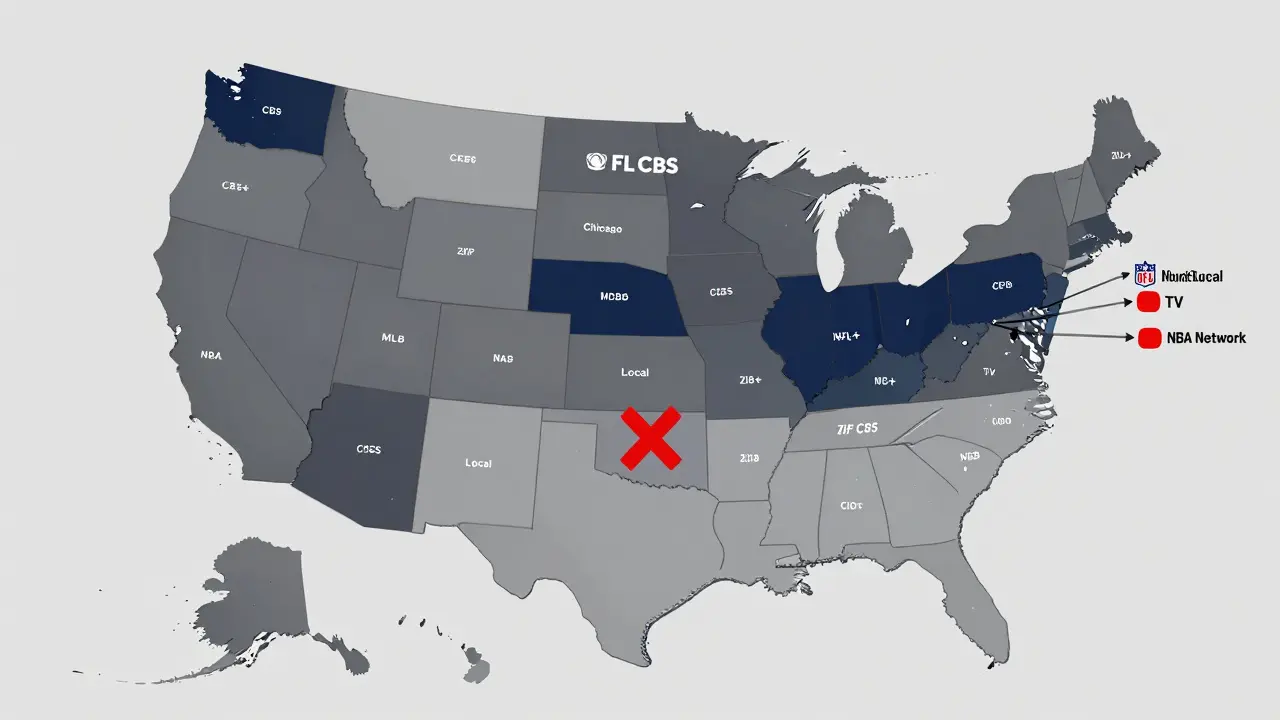
Blackouts aren’t random. They follow clear patterns based on team location and broadcast rights.
- NFL: Most common in markets with local network affiliates (CBS, FOX, NBC). If you’re in Philadelphia and the Eagles are playing on FOX, you can’t watch it on NFL+ or YouTube TV - even if you’re a paying subscriber.
- NBA: Blackouts hit hardest in team markets. If you live in Los Angeles and subscribe to NBA League Pass, you can’t watch Lakers or Clippers games unless you’re using a local cable provider.
- MLB: The most aggressive blackout policy. MLB.TV blocks all local team games for subscribers in the team’s home market. Even if you’re 100 miles away, if you’re in the same designated market area (DMA), you’re blocked.
- NHL: Similar to MLB. If you’re in Toronto, you can’t watch Maple Leafs games on NHL.TV unless you’re using a local cable login.
These restrictions are based on Designated Market Areas - regions defined by Nielsen. If your ZIP code falls within a team’s DMA, you’re likely blocked. You can check your DMA by searching your ZIP code on Nielsen’s website. It’s not guesswork. It’s mapped.
How to Watch Blocked Games Legally
You can’t bypass blackouts with a VPN and expect to stay legal. Streaming services can detect and block most VPNs. And if you’re caught violating terms of service, your account could get suspended. But there are legal ways to watch the games you want.
- Use your local cable login. Most streaming services like YouTube TV, Hulu + Live TV, and FuboTV let you watch local channels if you log in with your cable provider credentials. If your local FOX affiliate is airing the game, logging in gives you access - even if you don’t have cable. Just sign up for a live TV streaming service and link your provider.
- Watch on the local network. If the game is on CBS, FOX, or NBC, tune in to your local station. Many stations stream their broadcasts for free on their websites or apps. You might need to sign in with your TV provider, but you won’t need a paid sports package.
- Use the team’s official app. Some teams offer free live streams of games on their websites or apps - especially if they’re not under exclusive broadcast rights. The San Francisco Giants, for example, stream non-blackout games on their official site.
- Go to a bar or watch with friends. If you’re stuck, head to a sports bar. They have commercial licenses to show games. It’s not the same as watching from your couch, but it’s legal and often more fun.
There’s no magic trick. But there are legal paths. The key is knowing which channel has the rights in your area - and using the right login to unlock it.
What About Out-of-Market Games?
If you’re trying to watch a team that doesn’t live in your market, you’re in luck. Out-of-market games are usually available without restrictions.
For example, if you live in Atlanta but are a die-hard Yankees fan, you can watch Yankees games on MLB.TV. Same with NBA League Pass - you can follow any team outside your local market. These services are designed for fans who live far from their favorite teams. The blackout rules only apply when you’re in the team’s home territory.
That’s why many fans move to different cities just to avoid blackouts. It sounds extreme, but it’s real. People relocate for sports access. It’s not just about fandom - it’s about control over what you can watch.
How to Check If a Game Is Blacked Out
Before you get frustrated, check first. Most streaming services have blackout checkers built in.
- MLB.TV: On the game schedule page, blocked games show a blacked-out icon. Hover over it to see why.
- NBA League Pass: The app shows a message like "This game is not available in your area due to local broadcast restrictions."
- NFL+: When you select a game, it will say "Blackout in effect" if you’re in the local market.
- FuboTV, YouTube TV: These services show a warning before you start streaming. If the game is blacked out, you’ll see a message telling you to switch to your local channel.
Don’t assume it’s a bug. If the message says "blackout," it’s not an error. It’s policy.
What’s the Future of Sports Blackouts?
There’s growing pressure to kill blackouts. In 2024, the U.S. Senate held hearings on sports streaming access. Fans, lawmakers, and even some team owners are calling for change. The argument? In 2026, no one should be blocked from watching a game they paid for.
Some leagues are testing alternatives. The NFL’s new streaming deal with Amazon and Google includes fewer blackout clauses. MLB has quietly started allowing more out-of-market games on their app. And in Canada, the NHL eliminated blackouts entirely in 2023 - and ticket sales didn’t drop.
Change is coming. But it’s slow. Until contracts expire - which could take 5 to 10 years - blackouts will stay. The good news? More fans are pushing back. More people are switching to services that offer local access without restrictions. And as streaming becomes the norm, the old TV rules will have to bend.
Final Tips to Avoid the Frustration
- Always check your local broadcast schedule before game day. Know which channel has rights.
- Sign up for a live TV streaming service that lets you log in with your provider - it’s your best legal option.
- Use the team’s official app. Sometimes they offer free streams.
- Don’t waste money on a VPN. Most won’t work, and you risk getting banned.
- Join fan forums. Other fans often share real-time updates on where a game is streaming legally.
Sports blackouts aren’t going away tomorrow. But you don’t have to accept them as unavoidable. With the right tools and knowledge, you can still watch every game - legally, without frustration.