Compatibility in Digital Video: What Works With What and Why It Matters
When you’re editing a video, streaming a movie, or setting up your home theater, compatibility, the ability of different digital video systems, formats, and devices to work together without errors or loss of quality. Also known as interoperability, it’s what keeps your 4K footage from freezing on your TV, your Dolby Atmos mix from turning into static, or your editing software from refusing to open a file you just exported. It’s not glamorous, but without it, everything else falls apart.
Think about your workflow. You shoot with a camera that records in H.265, edit in DaVinci Resolve, then export for YouTube—which only fully supports H.264. If you don’t check compatibility between those steps, you’ll get corrupted files, dropped frames, or audio that’s out of sync. Same goes for streaming: a Roku might not handle VP9, an old TV won’t decode Dolby Digital Plus, and your Wi-Fi 6 router won’t help if your smart speaker only speaks Bluetooth 4.0. video editing software, tools like Premiere Pro, Final Cut, or PowerDirector that process digital video files and require specific codecs, hardware, and file formats to function properly has its own rules. Not every plugin works on every version. Not every export setting plays nice with every platform. And audio formats, the digital containers for sound like AAC, WAV, or Dolby Atmos that must match the playback device’s capabilities to deliver intended quality are just as picky. A file that sounds perfect on your headphones might crackle on your soundbar because it was encoded for a different sample rate or bit depth.
And it’s not just tech. digital video standards, industry-backed rules like HDMI versions, HDR10+ vs. Dolby Vision, or container formats like MP4 and MOV that define how video is stored, transmitted, and displayed shape what you can and can’t do. Netflix doesn’t just want your video—it wants it in the exact format they’ve tested across 10,000 devices. A kids’ remote won’t block adult content if the streaming app doesn’t support profile-based restrictions. Even your Wi-Fi 7 router won’t fix buffering if your phone’s streaming app is stuck on an old data saver mode that downsamples 4K to 720p. Compatibility isn’t about having the latest gear—it’s about making sure the pieces you have actually talk to each other.
Below, you’ll find real-world fixes for exactly these problems: how to make your editing software play nice with your export targets, why your streaming device won’t show certain movies, how to avoid audio mismatches in live streams, and which settings actually save data without killing quality. No theory. No fluff. Just what works.
26
Game Controllers on Streamers: Cloud Gaming Compatibility
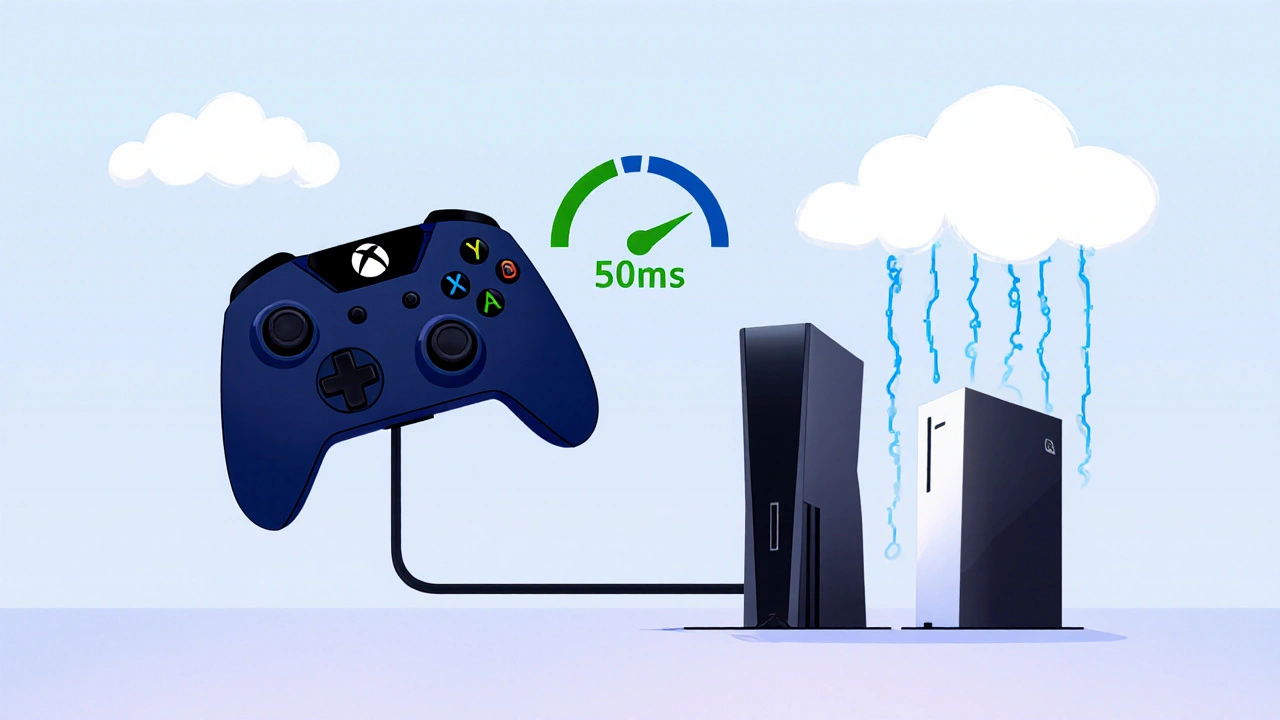
Learn which game controllers work best with cloud gaming services and how to reduce latency for smoother streams. Essential tips for streamers who rely on responsive controls.