Game Controllers: How They Shape Your Gaming Experience
When you pick up a game controller, a handheld input device designed to send commands to a video game system. Also known as a gamepad, it’s the physical bridge between your hands and the digital world. It’s not just a tool—it’s an extension of your intent. Whether you’re racing, shooting, or exploring, the way your controller responds shapes how you feel in the game.
Modern console controllers, specialized input devices built for specific gaming systems like PlayStation or Xbox aren’t just copies of each other. Sony’s DualSense has haptic feedback that lets you feel rain on your skin. Microsoft’s Xbox controller has a textured grip that stays put during long sessions. Nintendo’s Joy-Cons split apart for party games or snap onto a grip for traditional play. Each design choice answers a different question: Do you want immersion? Precision? Portability? These aren’t random features—they’re responses to how people actually play.
Then there’s the PC gamepad, a controller designed to work with computers, often used for console-style games on desktops. Unlike mouse and keyboard, it brings the tactile rhythm of console gaming to Steam and Epic. Many gamers switch between both, depending on the game. A first-person shooter? Keyboard. A platformer or RPG? Gamepad. The right controller doesn’t just make the game easier—it makes it feel right.
And it’s not just about the hardware. The software behind these devices matters too. Calibration, button mapping, vibration intensity, trigger sensitivity—all of it can be tuned. Some players tweak their controllers to reduce input lag. Others remap buttons to match muscle memory from older systems. Even the weight of a controller can change how long you’re willing to play.
Behind every great gaming moment is a controller that didn’t get in the way. The best ones disappear in your hands. You don’t think about the analog stick—you think about turning your character. You don’t notice the trigger—you feel the tension of pulling the shot. That’s the goal. And the ones that hit it? They’re the ones you keep coming back to.
Below, you’ll find real-world breakdowns of how controllers influence gameplay, how they’re used in streaming setups, and why the right one can turn a good session into a great one. No fluff. Just what works.
26
Game Controllers on Streamers: Cloud Gaming Compatibility
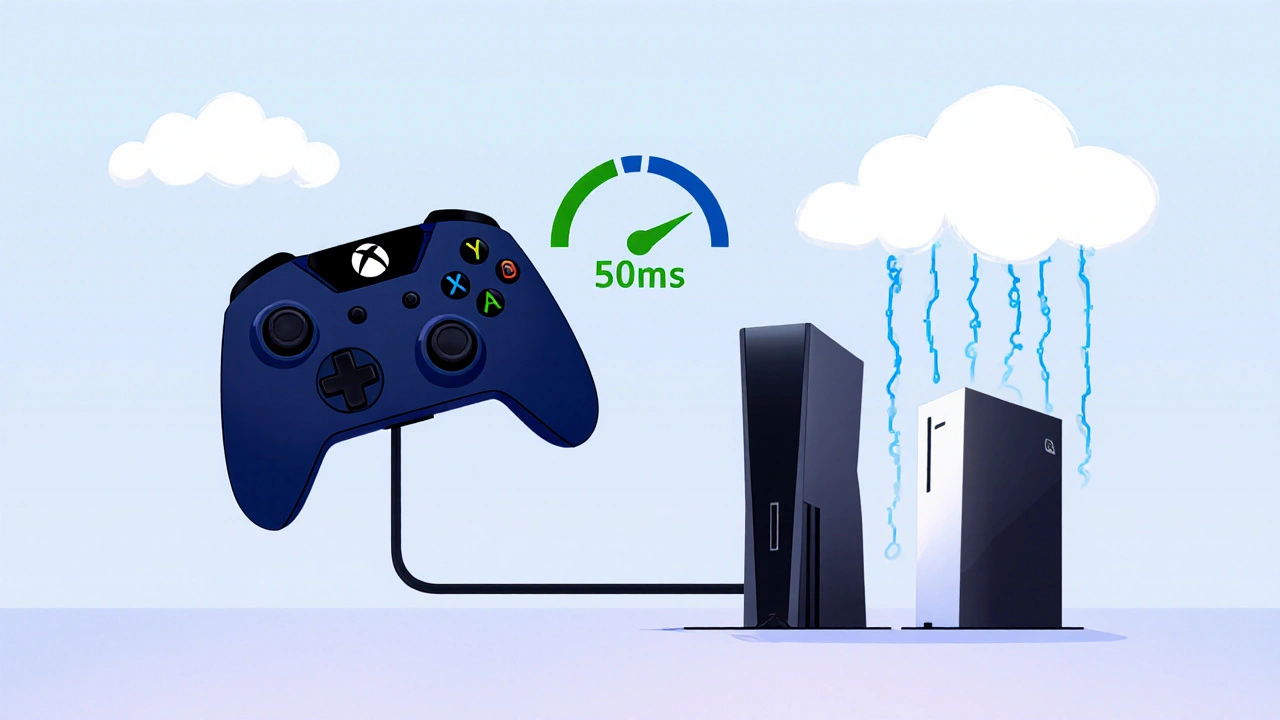
Learn which game controllers work best with cloud gaming services and how to reduce latency for smoother streams. Essential tips for streamers who rely on responsive controls.