Score Mixing: How Sound Design Shapes Emotion in Film and Streaming
When you feel chills during a movie’s climax, it’s not just the scene—it’s score mixing, the process of balancing musical elements with dialogue, ambient noise, and sound effects to create emotional impact. Also known as audio mixing for film, it’s what turns a good scene into a unforgettable moment. Without it, even the most dramatic visuals feel flat. Think of the slow build in Raiders of the Lost Ark—the music doesn’t just play along, it pulls you deeper into the danger. Or the quiet, aching strings in The Graduate that make alienation sound like a heartbeat. This isn’t background noise. It’s the invisible character in every great story.
Score mixing doesn’t happen in a vacuum. It’s shaped by film scoring, the composition and arrangement of original music tailored to a film’s tone and pacing, and then refined through audio mixing, the technical balancing of all sound layers so nothing fights for attention. A composer writes a theme, but a mixer decides whether it swells under a character’s silence or fades just before a jump scare. It’s the difference between a movie that feels alive and one that feels like a slideshow with music. On streaming platforms, where viewers watch on earbuds, phones, or cheap speakers, good score mixing becomes even more critical. If the music is too loud, it drowns out dialogue. Too soft, and the emotion vanishes. The best mixers know when to let silence breathe and when to let the orchestra take over.
It’s also tied to how we experience stories today. In Demon Slayer: Infinity Castle, the score doesn’t just support the action—it *is* the action. In Groundhog Day, the same cheerful tune loops, but the mix shifts subtly as the main character changes, turning a cartoonish melody into something haunting. Even in documentaries like those on Max, where real voices matter most, the score must never overpower the truth. And in horror films, whether PG-13 or R-rated, the quietest note can be the scariest—because the mixer knew exactly when to pull back. This isn’t magic. It’s craft. It’s knowing that a single cello note, placed a fraction of a second too late, can ruin a moment. Or placed right, it can make you cry without knowing why.
What you’ll find below are real examples of how score mixing works in practice—from how streamers handle audio compression for clarity, to how editors use silence and sound to build character arcs in sports docs, to how studios balance global appeal with cultural tone in box office hits. These aren’t theory lessons. They’re behind-the-scenes breakdowns from people who make sure you feel every beat, even when you’re not listening for it.
27
Score Mixing in Dolby Atmos: Spatial Music for Modern Cinemas
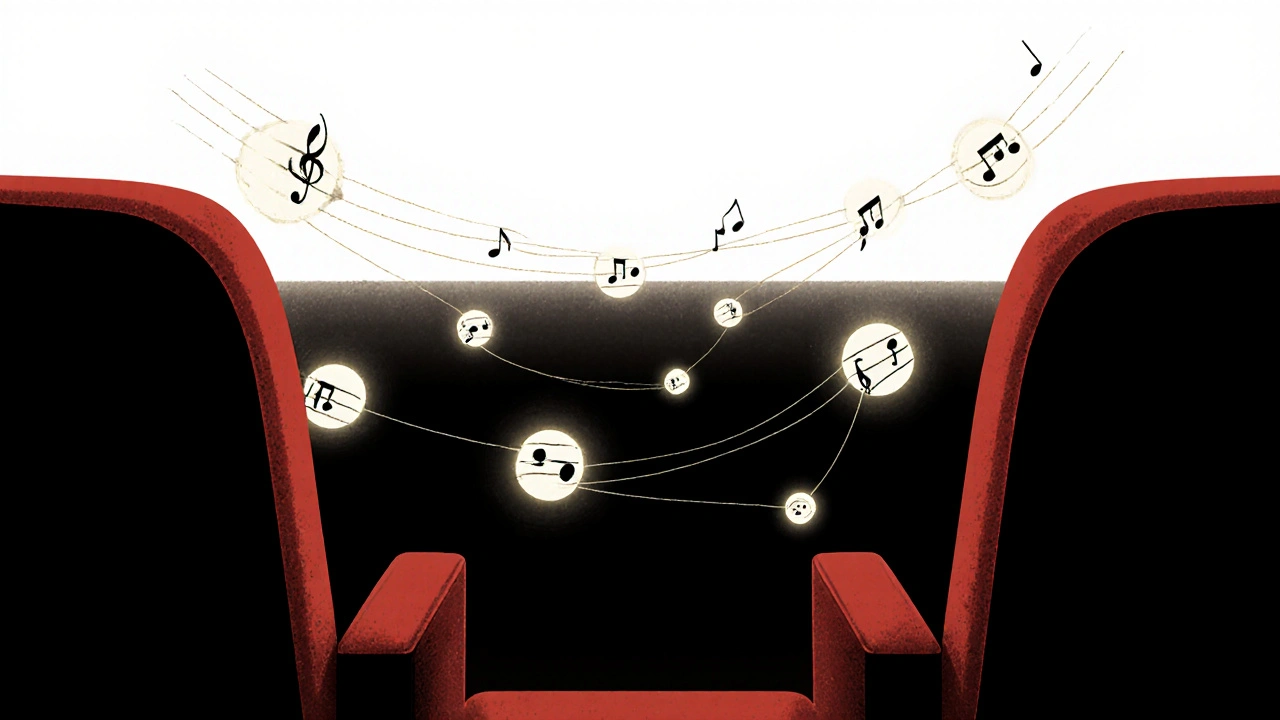
Score mixing in Dolby Atmos transforms film music by placing sounds in 3D space, creating emotional depth and movement that traditional surround can't match. Learn how modern composers use spatial audio to immerse audiences.
Latest Posts



Popular Posts
-
 Mesh Networks for Whole-Home Streaming: Complete Setup Guide
-
 What Makes Great Acting: The Invisible Art on Screen
-
 Comparing Ratings Systems: Which One Predicts Your Enjoyment Best?
-
 Apple TV+ Pricing History: Promotions and Device Purchase Deals
-
 Auteur Theory Explained: How Directors Shape Film as Personal Art