28
The Notebook Review: Why Melodrama and Memory Still Dominate Romance
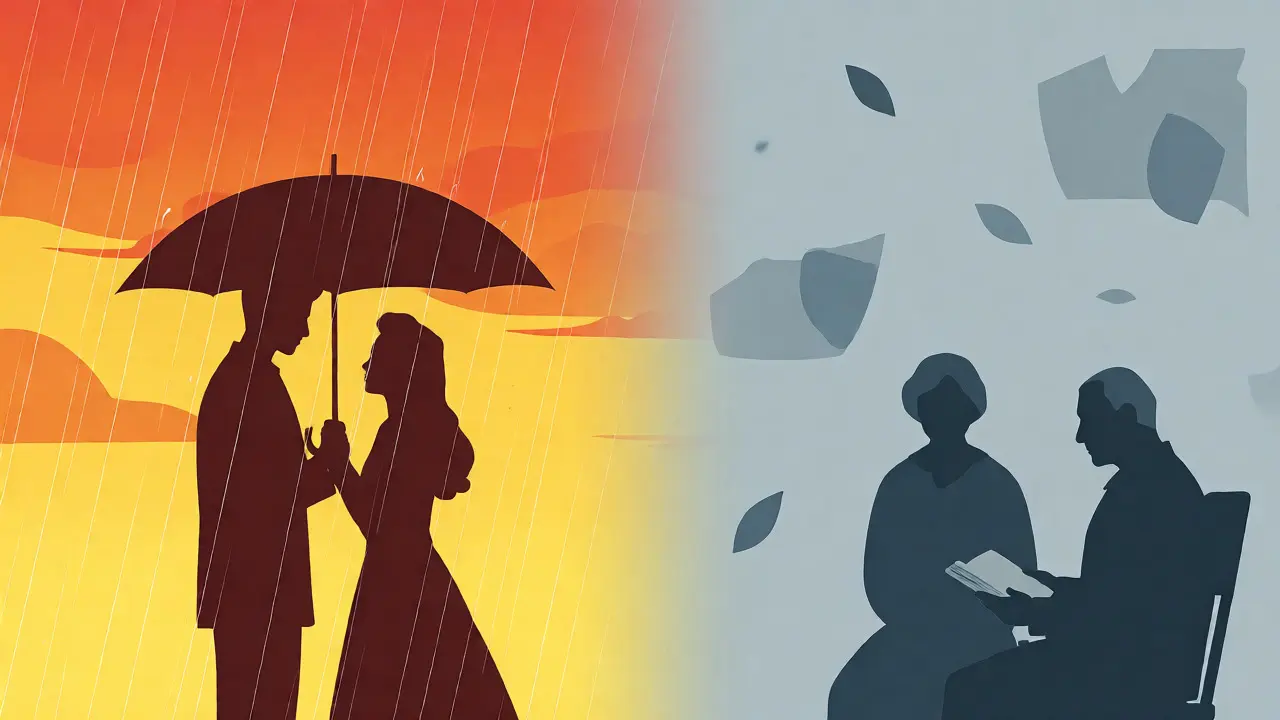
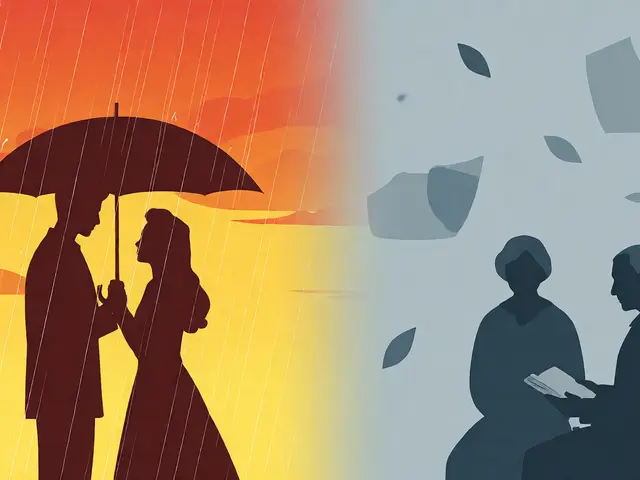
You know the scene. The rain-soaked kiss, the piano playing "All I Ask of You," and that relentless question about whether love can survive time itself. The Notebook is a 2004 American romantic drama directed by Nick Cassavetes, based on the novel by Nicholas Sparks. It wasn't just a movie; it became a cultural touchstone for an entire generation of viewers who equated grand gestures with true love. But why does this specific blend of tear-jerking melodrama and fragmented memory still hit so hard nearly two decades later?
We aren't here to debate whether Ryan Gosling's abs were convincing or if Rachel McAdams' hair defied physics during the storm. We're digging into the mechanics of romantic melodrama and how the film uses memory as its primary narrative engine. If you've ever wondered why some love stories stick while others fade, understanding the structural choices in *The Notebook* offers a masterclass in emotional engineering.
The Architecture of Emotional Manipulation
Melodrama often gets a bad rap. Critics call it excessive, manipulative, or cheap. But in popular cinema, melodrama is a precise tool. It relies on heightened emotions, clear moral binaries, and dramatic irony to bypass intellectual analysis and go straight for the gut. *The Notebook* executes this perfectly by layering two timelines: the past (1940s) and the present (1980s).
This structure isn't just cute; it's essential. The present-day story features Duke (James Garner), an elderly man reading from a notebook to Allie (Gena Rowlands), a woman suffering from dementia. This frame narrative serves two purposes. First, it establishes stakes immediately. We know the ending before we see the beginning. Second, it reframes the youthful passion of Noah (Ryan Gosling) and Allie (Rachel McAdams) not as a fleeting summer fling, but as a lifelong commitment tested by cognitive decline.
By anchoring the high-energy romance in the quiet tragedy of memory loss, the film elevates the melodrama. The tears shed over the young couple's separation feel earned because we watch them age into a reality where remembering each other is a daily struggle. This is where the genre transcends cliché. It’s not just about getting the girl; it’s about holding onto the self through the partner.
Memory as a Narrative Device
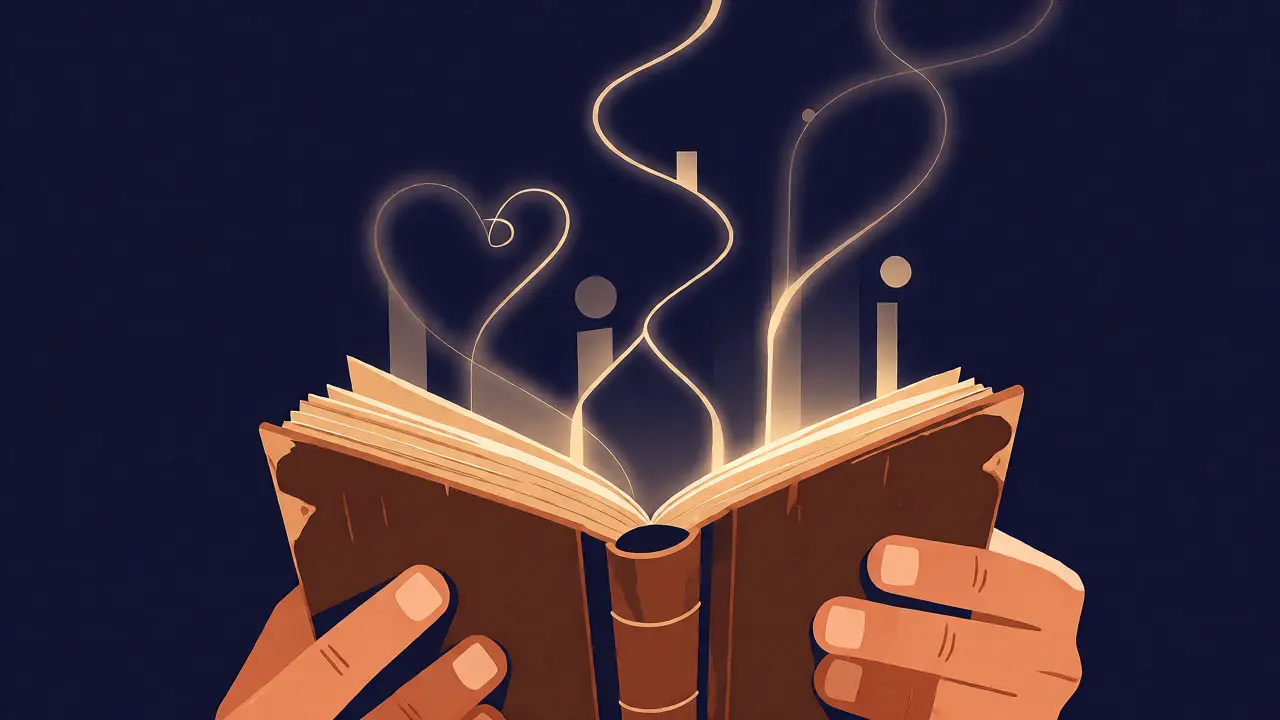
In most romance films, memory is passive. Characters recall happy times to feel good. In *The Notebook*, memory is active, fragile, and central to the plot. The film treats memory as a physical object-the notebook itself. When Duke reads, he isn't just telling a story; he's attempting to reconstruct Allie's identity.
This aligns with psychological concepts of autobiographical memory, which is crucial for maintaining a sense of self. For Allie, losing her memories means losing her history, including her love for Noah. The film suggests that love is stored not just in the heart, but in the neural pathways that dementia erodes. This adds a layer of scientific realism to the fantasy, making the emotional payoff sharper.
Consider the contrast between digital and analog memory. Today, we store photos in clouds and texts on phones. They are searchable but often shallow. The handwritten notebook in the film represents deep, tactile memory. It requires effort to read and write. This slowness forces the audience to slow down too, mirroring the patience required in long-term relationships. In an era of swipe-based dating, the idea of spending decades writing down your shared life feels radical.
The Tropes That Work (And Why)
Let's be honest: *The Notebook* is built on tropes. The class divide, the war separation, the misunderstanding letter, the grand public declaration. Usually, these elements make a script feel lazy. Here, they work because the film commits fully to their emotional logic rather than trying to subvert them for cool points.
- The Class Divide: Noah is poor; Allie is wealthy. This creates external conflict that feels insurmountable in the 1940s setting. It raises the stakes beyond personal incompatibility.
- The Misunderstanding: The lost letters trope is risky. If handled poorly, it makes characters look stupid. Here, it’s attributed to wartime chaos and parental interference, preserving the protagonists' agency while delaying gratification.
- The Grand Gesture: Noah painting the house or waiting outside the hotel. These actions signal devotion through labor and persistence, visual languages that transcend dialogue.
The key takeaway for writers and filmmakers is this: tropes aren't the enemy. Lack of conviction is. If you commit to the emotional truth of a trope, the audience will follow. If you wink at the camera, you break the spell.
Comparing The Notebook to Other Romance Classics
To understand where *The Notebook* sits in the landscape of popular romance, it helps to compare it with other defining films of its era. While *Titanic* (1997) used historical disaster as a backdrop for epic scale, and *Pride & Prejudice* (2005) relied on social satire and witty dialogue, *The Notebook* focused on intimate domesticity and aging.
| Film Title | Primary Conflict | Role of Memory | Narrative Structure |
|---|---|---|---|
| The Notebook | Social class and War | Central theme; memory loss drives the present-day plot | Frame narrative (Past/Present) |
| Titanic | Historical Disaster | Recounted by survivor Rose; nostalgic reflection | Linear flashback from old age |
| Pride & Prejudice | Social Expectations | Character growth through realized mistakes | Linear chronological progression |
| Eternal Sunshine of the Spotless Mind | Internal Psychological | Deletion of memory; non-linear reconstruction | Fragmented, reverse-chronological |
Notice how *Eternal Sunshine of the Spotless Mind* (2004) approaches memory scientifically and chaotically, whereas *The Notebook* approaches it emotionally and linearly. Both came out around the same time, highlighting a cultural fascination with how we retain love. One asks what happens if we erase it; the other asks what happens if we lose it naturally. The latter resonates more broadly because aging is universal, while sci-fi memory deletion remains speculative.
Why It Endures in the Streaming Era
It’s October 2026. Streaming platforms are flooded with content. Yet, *The Notebook* consistently trends every Valentine’s Day and frequently appears in "Top Romance Movies" lists. Why hasn't it faded like many mid-2000s hits?
Part of it is nostalgia marketing. Studios re-release classics to capture Gen Z audiences discovering their parents' favorite films. But deeper than that, the film addresses a modern anxiety: the fear of being forgotten. In a digital world where our online presence is permanent but our attention spans are short, the idea of someone keeping your story alive in a physical book feels comforting.
Additionally, the film’s pacing suits binge-watching culture. It’s emotionally dense but easy to follow. You don’t need to remember complex lore or technical details. You just need to care about whether they end up together. That simplicity is a feature, not a bug. It allows viewers to project their own relationship hopes and fears onto the screen without needing specialized knowledge.
Critiques: Where the Melodrama Stumbles
No review is complete without acknowledging the flaws. *The Notebook* isn't perfect. The third act, particularly the resolution involving Lon Hammond (James Marsden), feels rushed. Lon is portrayed as the "safe" choice, almost villainized for his stability, which reinforces a problematic notion that comfort equals boredom in romance.
Furthermore, the depiction of mental health in the 1980s timeline lacks nuance. Allie’s condition is treated primarily as a plot device for Noah’s heroism rather than explored from her perspective. We see her confusion, but rarely her interiority. Modern audiences, increasingly aware of neurodiversity and mental health advocacy, might find this framing dated.
However, these critiques don't diminish the film's impact. They highlight how cinematic conventions shift. What felt profound in 2004 might feel simplistic today, but the core emotional resonance remains intact because it taps into primal desires for connection and permanence.
Practical Takeaways for Writers and Viewers
If you’re analyzing *The Notebook* for academic purposes or writing your own romance script, focus on the interplay between external obstacles and internal stakes. External obstacles (war, class) push characters apart. Internal stakes (memory, identity) pull them together. The tension between these forces creates compelling drama.
For viewers, the film offers a reminder to value tangible expressions of love. In a world of emojis and quick texts, taking the time to document your relationship-whether through photos, journals, or conversations-creates a reservoir of shared history. This history becomes your anchor when life gets chaotic or confusing.
Ultimately, *The Notebook* succeeds because it respects the intelligence of its audience’s emotions. It doesn't apologize for crying. It doesn't shy away from sentimentality. It embraces the messy, painful, beautiful process of loving someone enough to remember them, even when they can no longer remember themselves.
Is The Notebook based on a true story?
No, The Notebook is a fictional story written by Nicholas Sparks. However, Sparks has stated that the character of Noah was inspired by his wife's grandparents, who were married for over 60 years. The emotional core reflects real-life dedication, but the specific plot events are invented.
Why is The Notebook considered a melodrama?
It fits the melodrama genre due to its emphasis on heightened emotion, exaggerated situations (like the rain kiss), and clear moral distinctions between characters. It prioritizes emotional experience over realistic subtlety, using music and lighting to amplify feelings of longing and despair.
How does memory function in the plot of The Notebook?
Memory acts as both a narrative frame and a thematic subject. The present-day storyline revolves around Duke helping Allie recall their past despite her dementia. This highlights the fragility of human memory and positions storytelling as an act of preservation against time and decay.
What are the main criticisms of The Notebook?
Common criticisms include the reliance on clichés (such as the lost letters trope), the portrayal of mental health lacking depth, and the somewhat unrealistic depiction of working-class life versus wealthy society. Some critics also argue that the male protagonist's obsession borders on unhealthy persistence.
Why do people still watch The Notebook today?
People continue to watch it because it delivers a reliable emotional catharsis. Its themes of enduring love and the fear of forgetting resonate universally. Additionally, its status as a cultural meme ensures new generations discover it, often viewing it with ironic appreciation or genuine sentimental attachment.